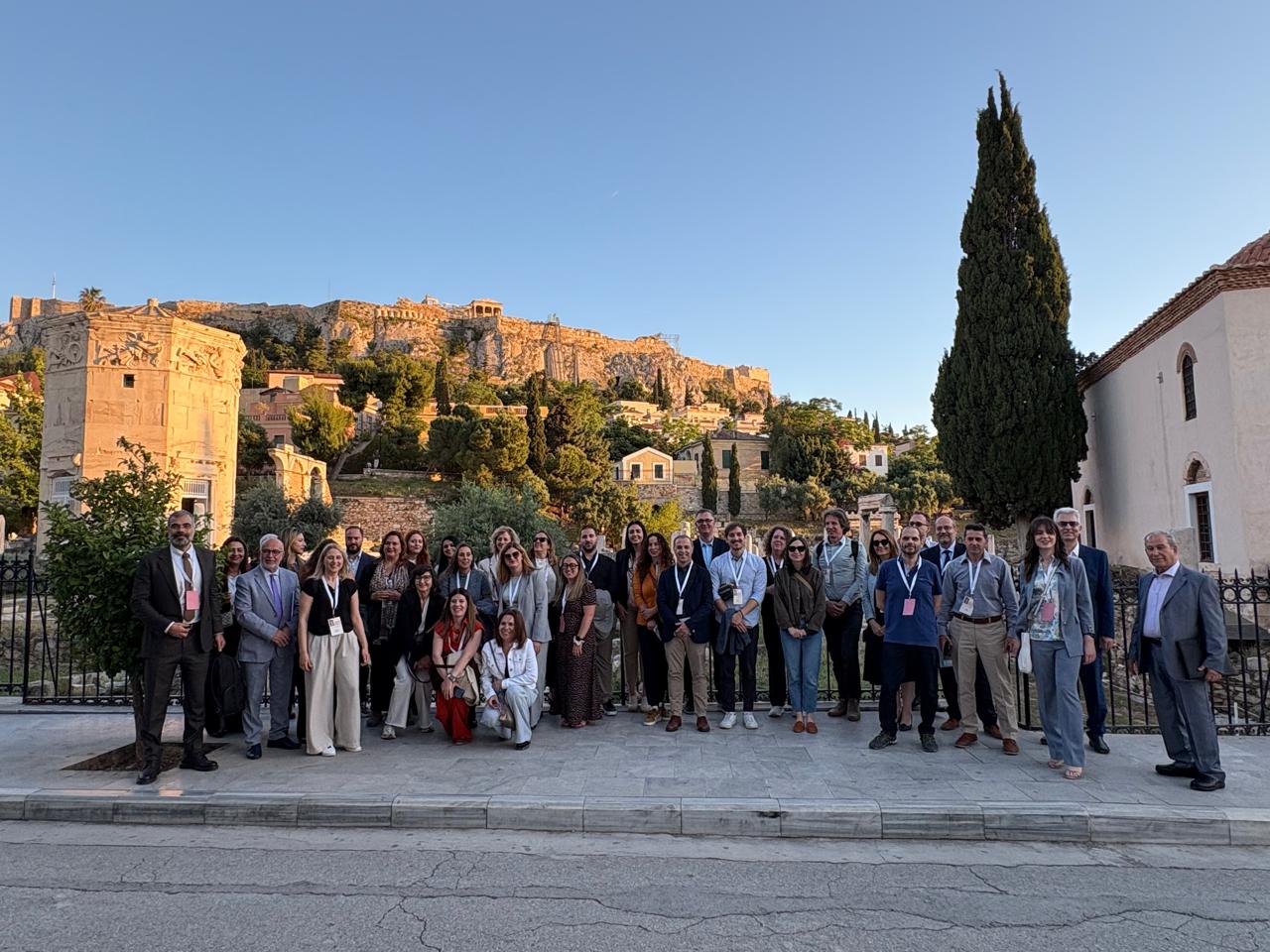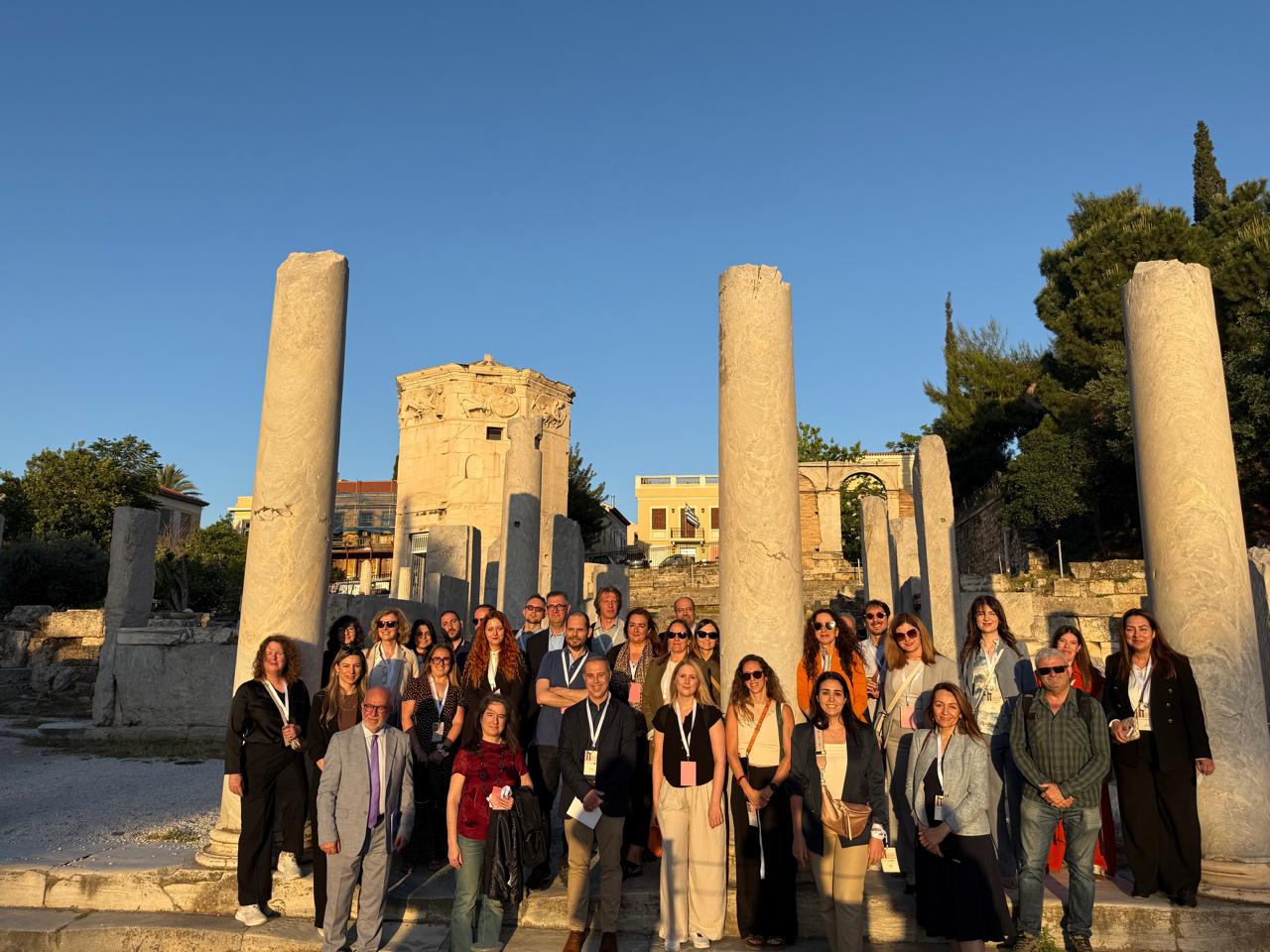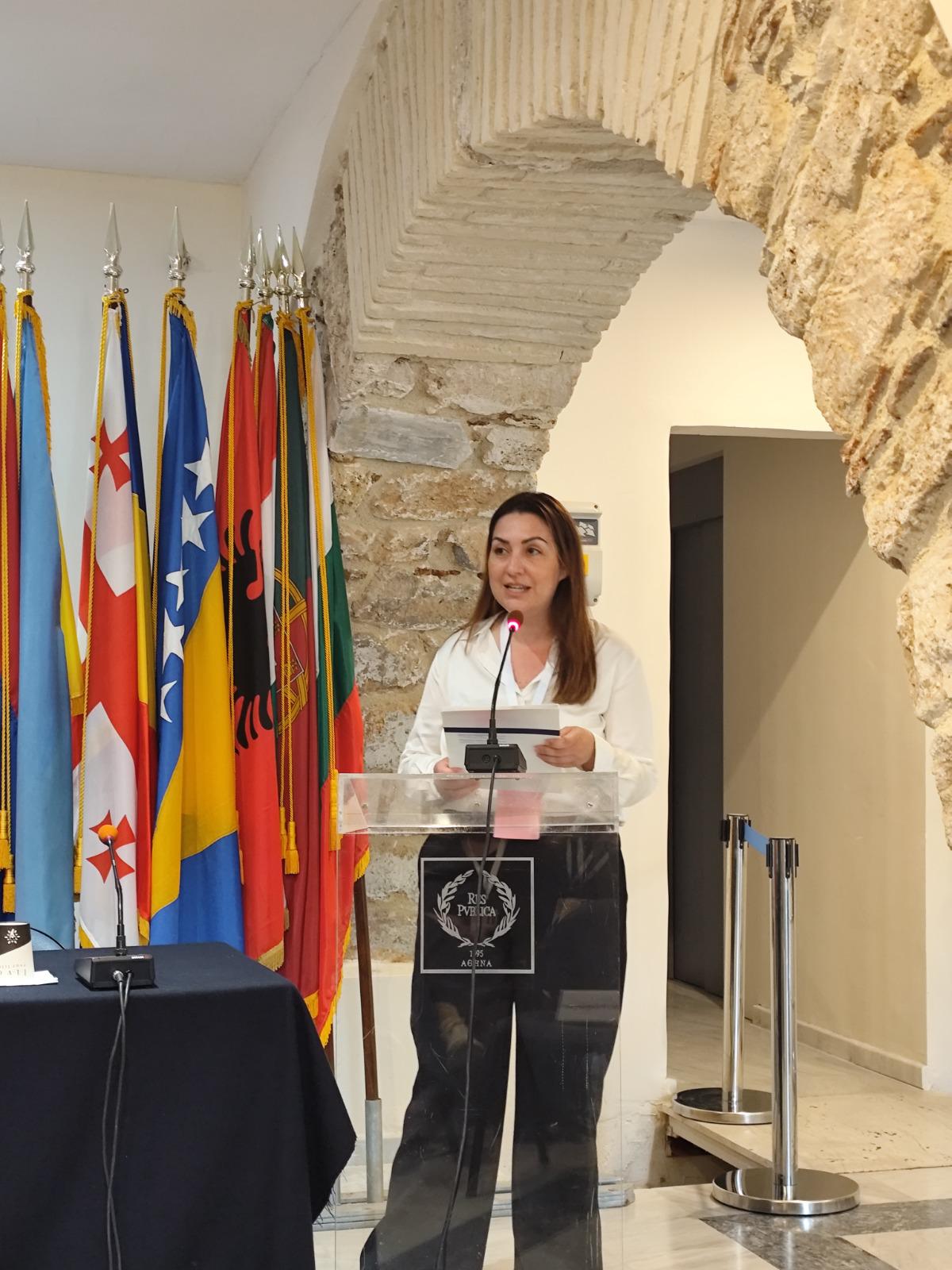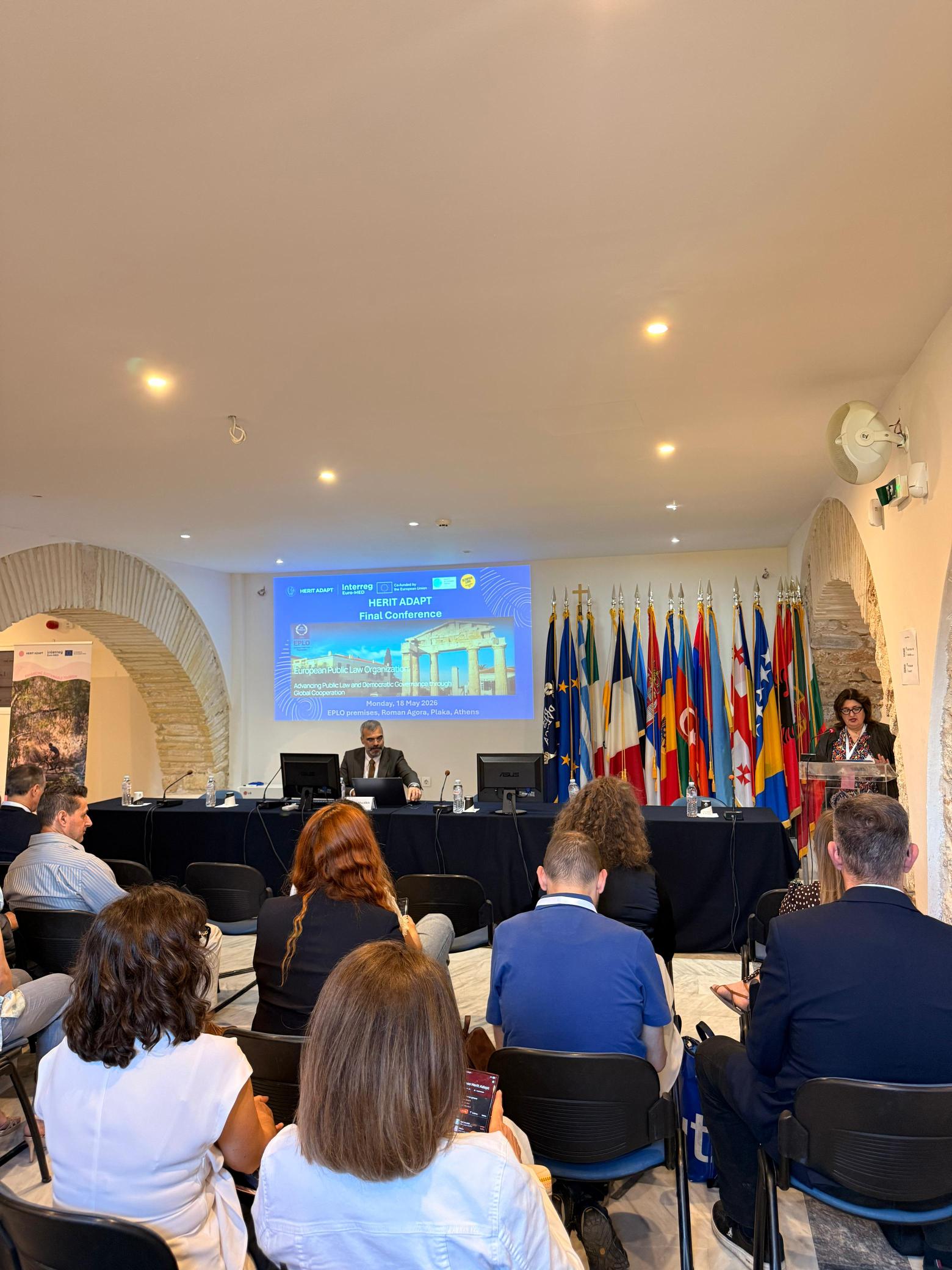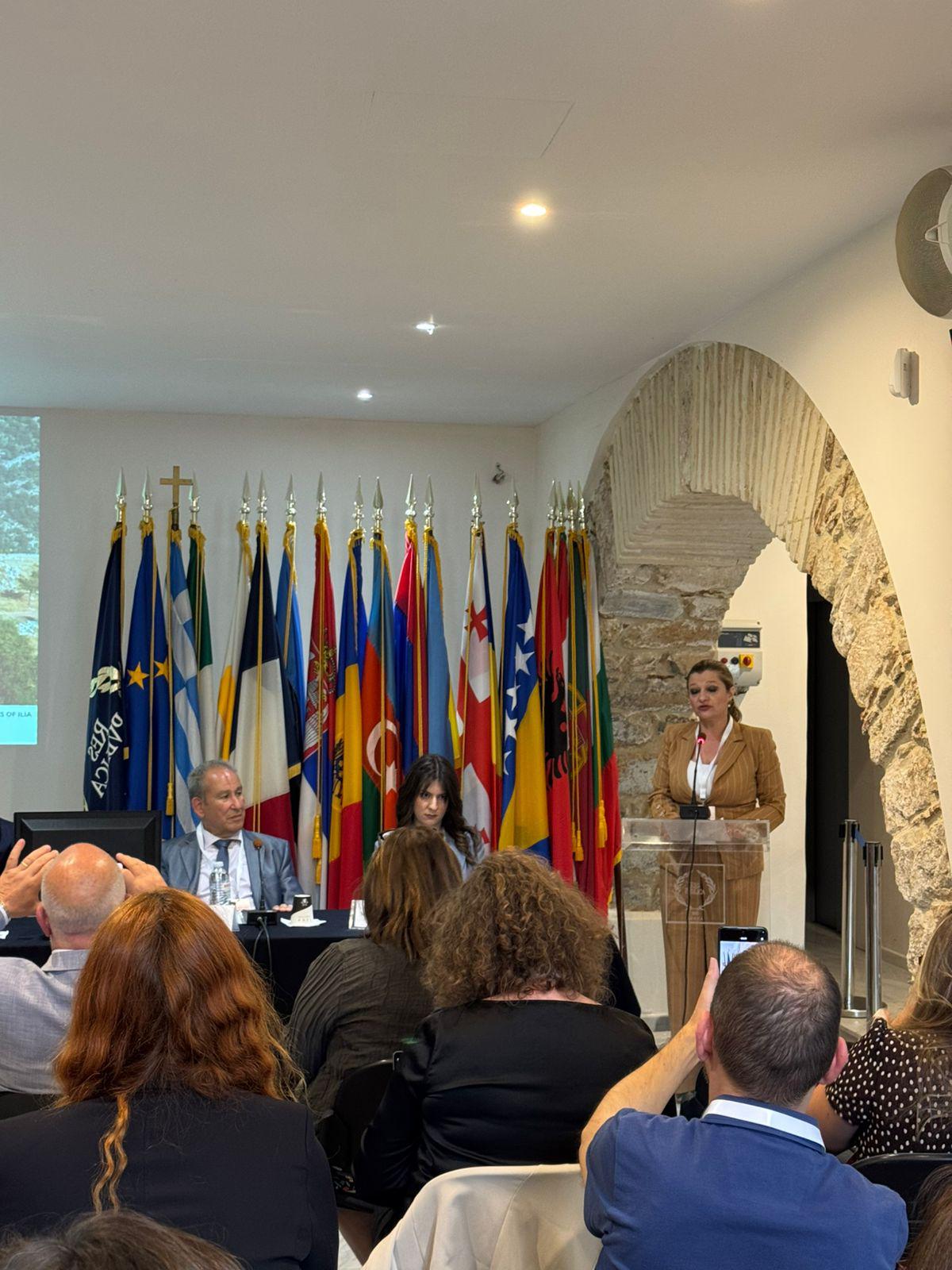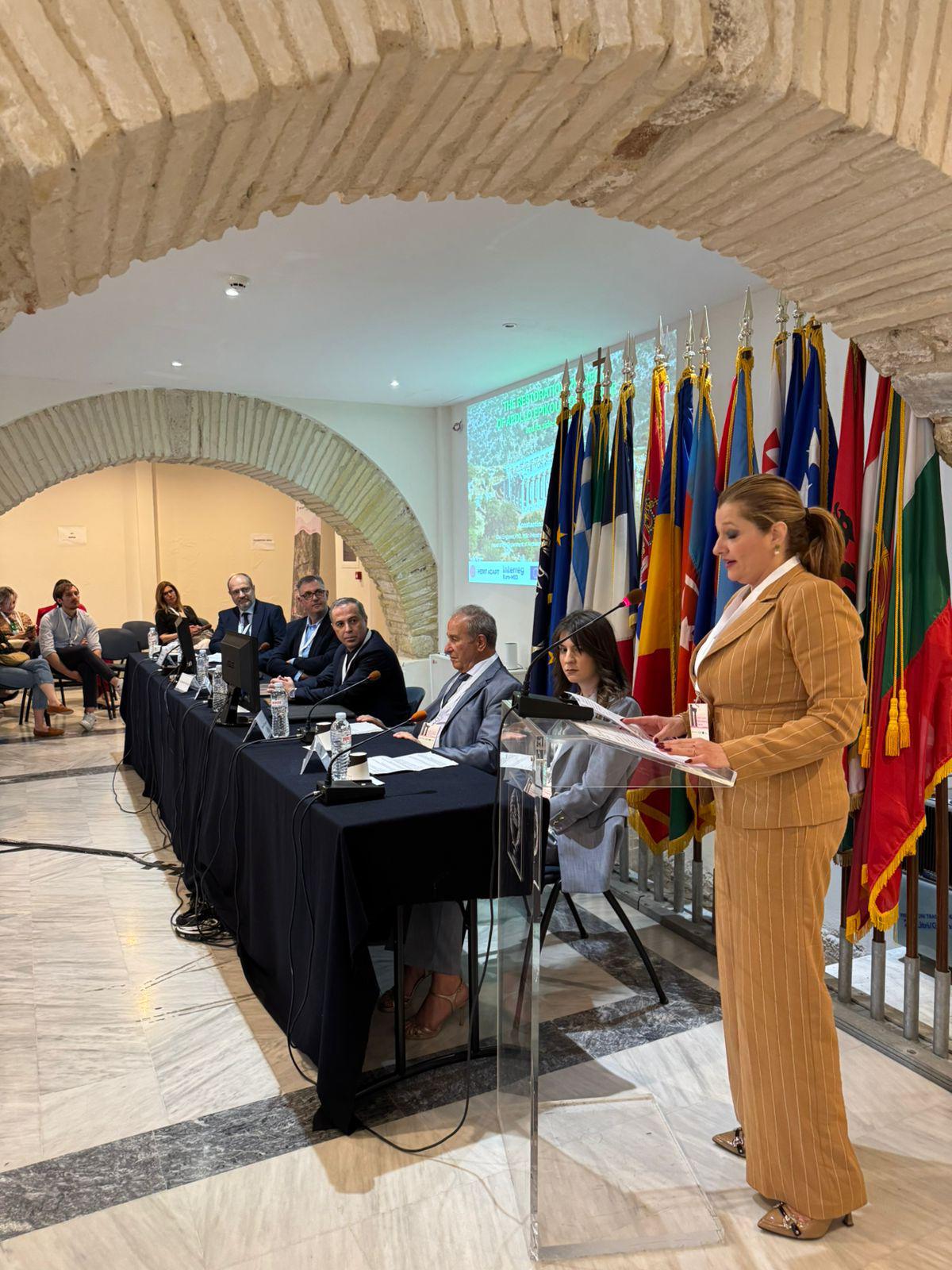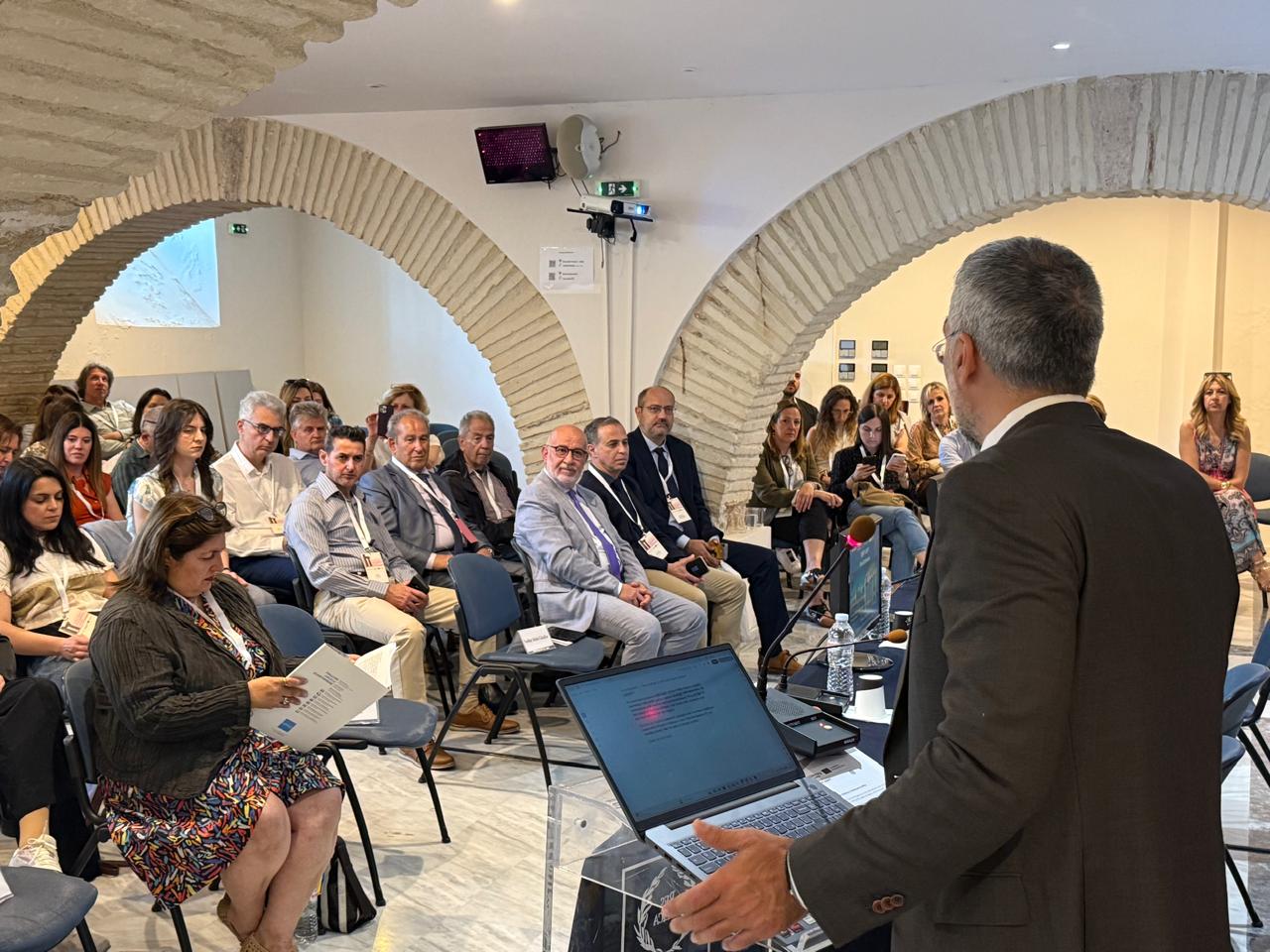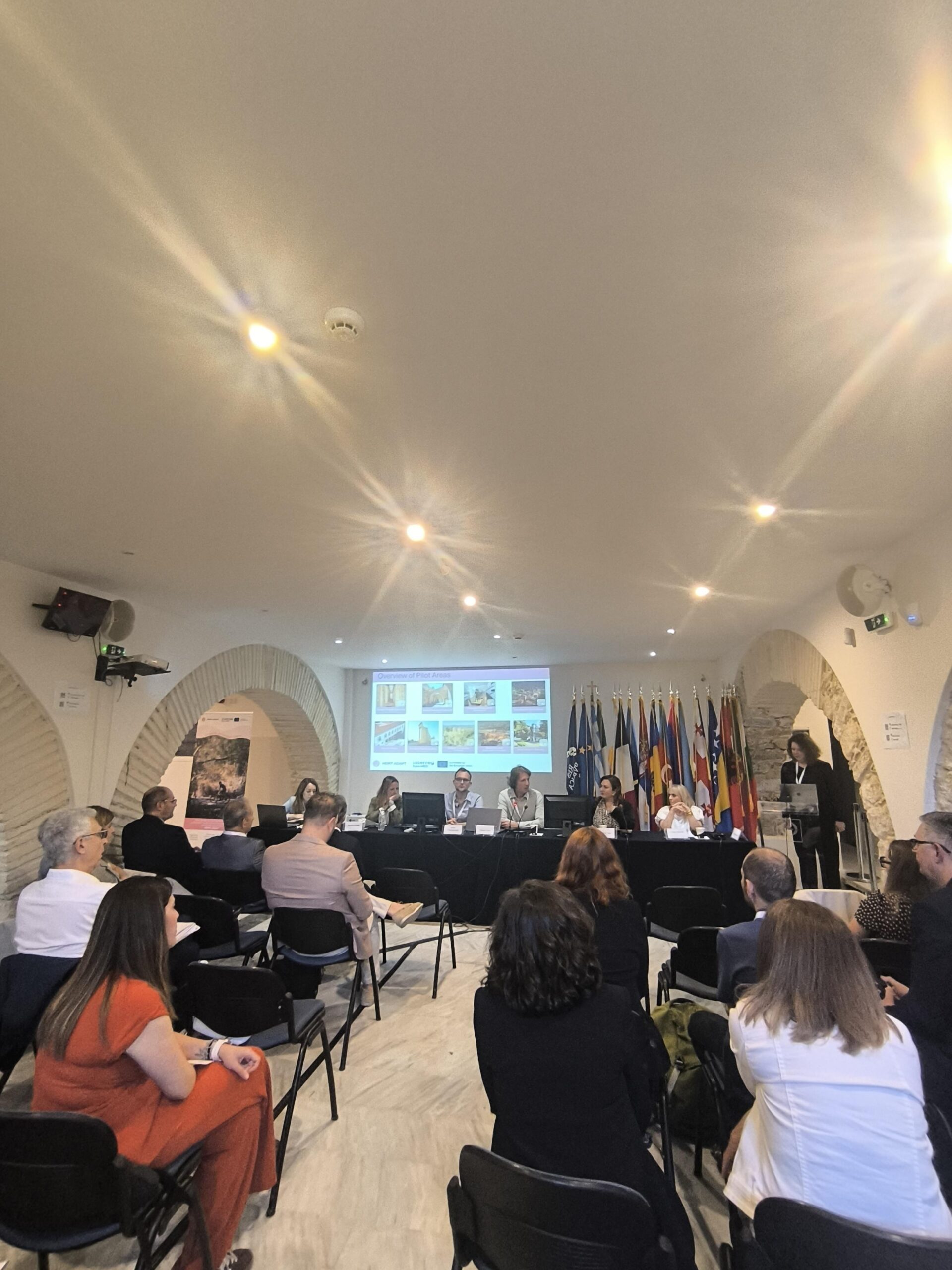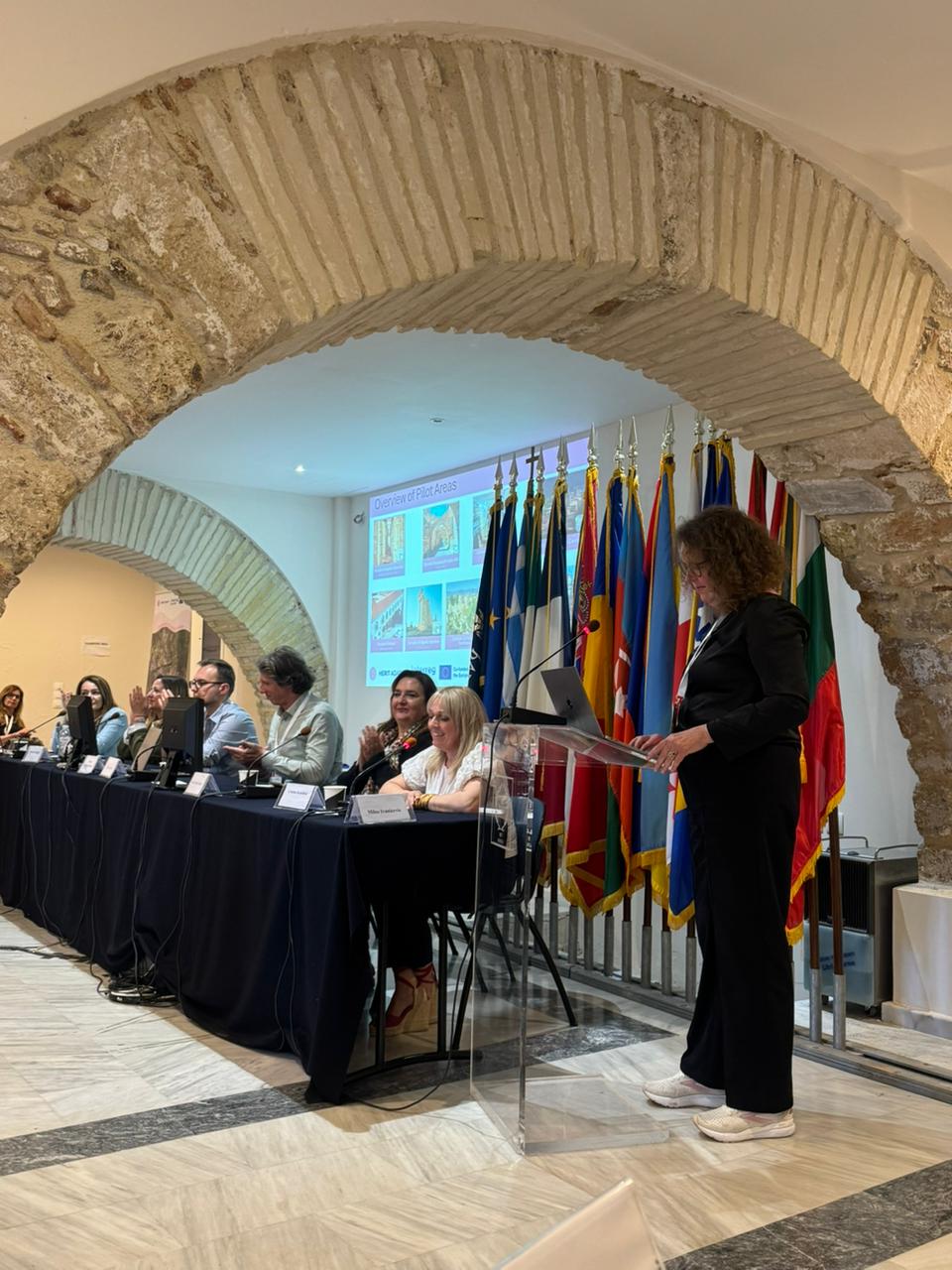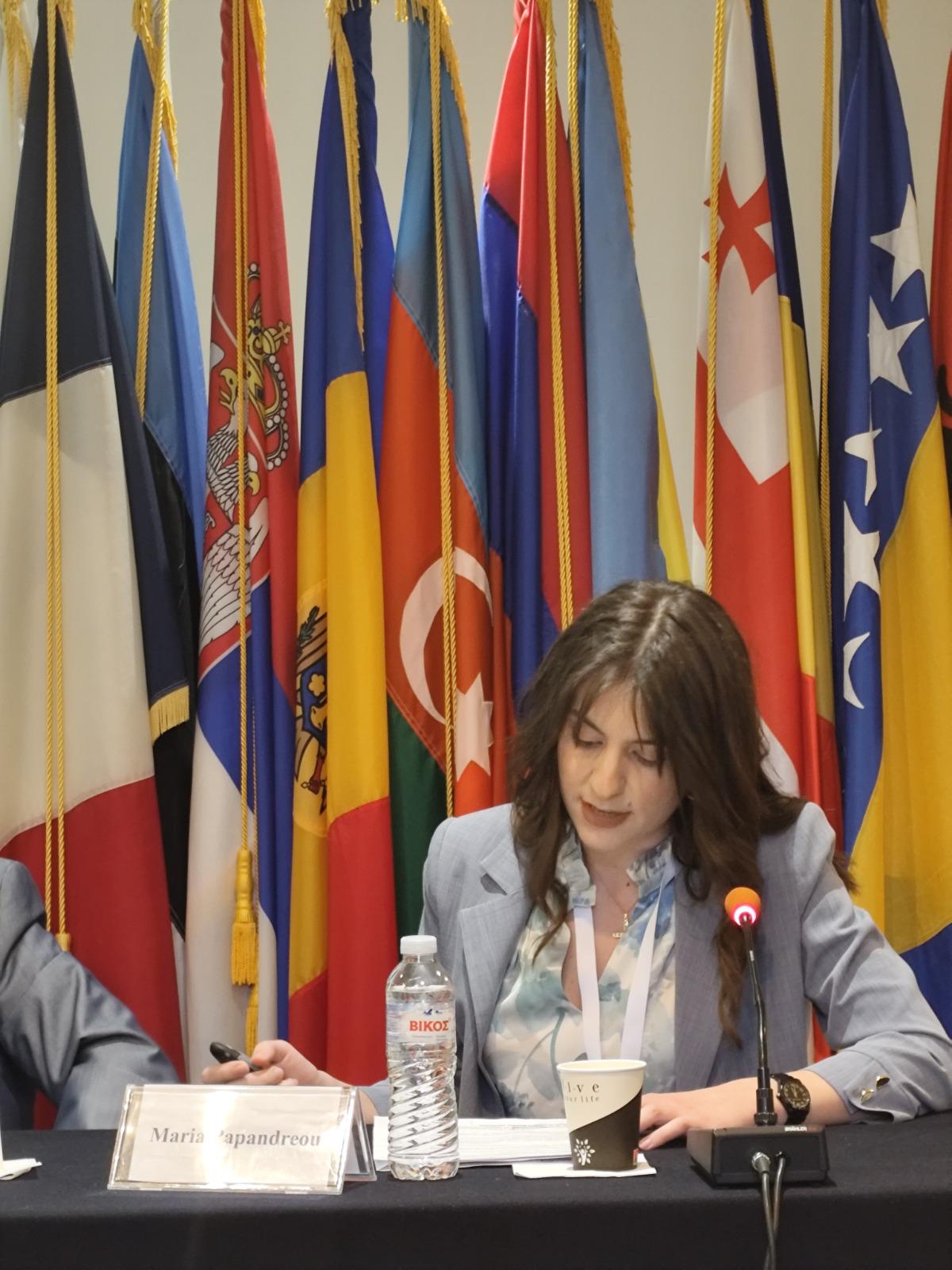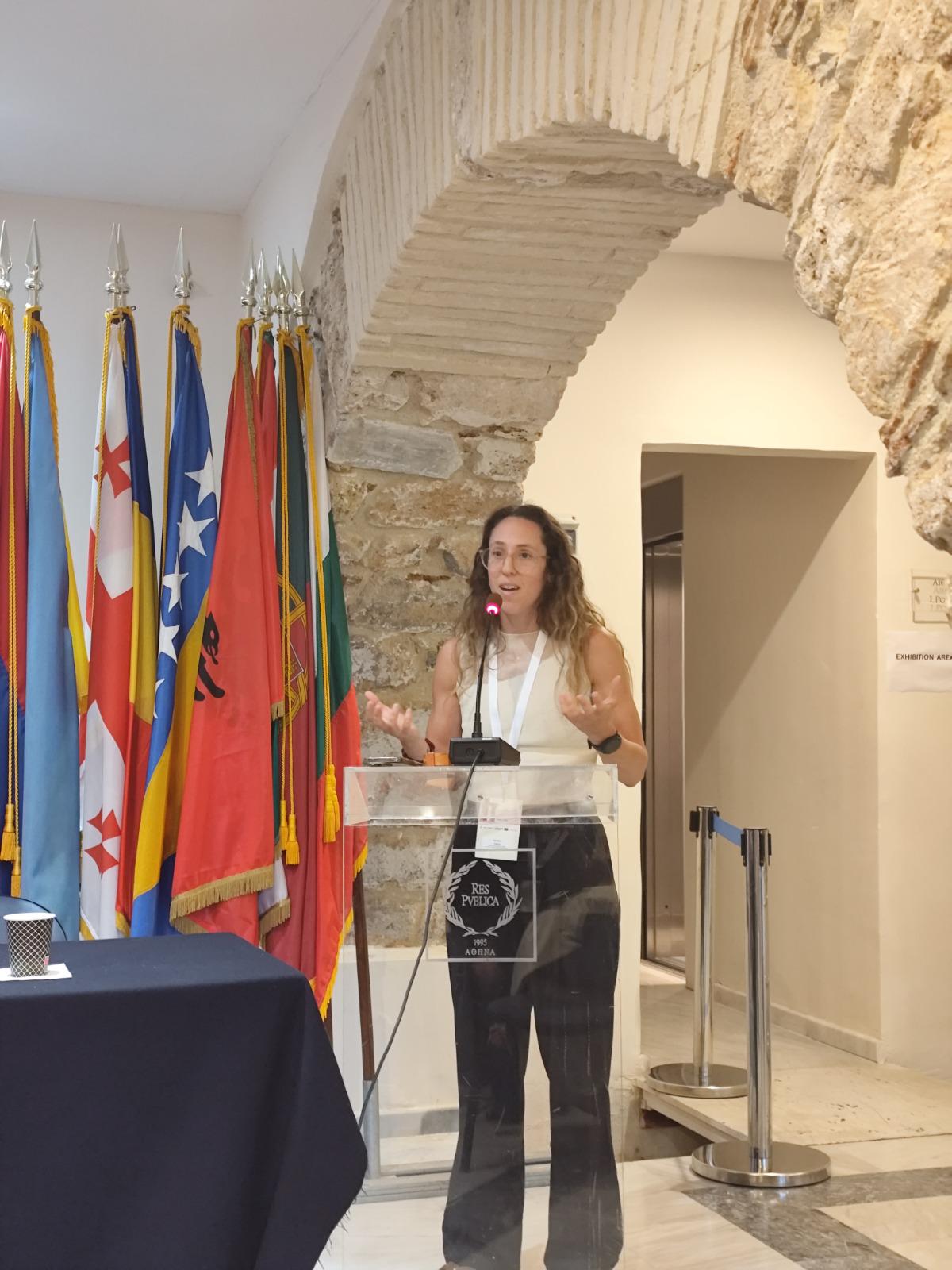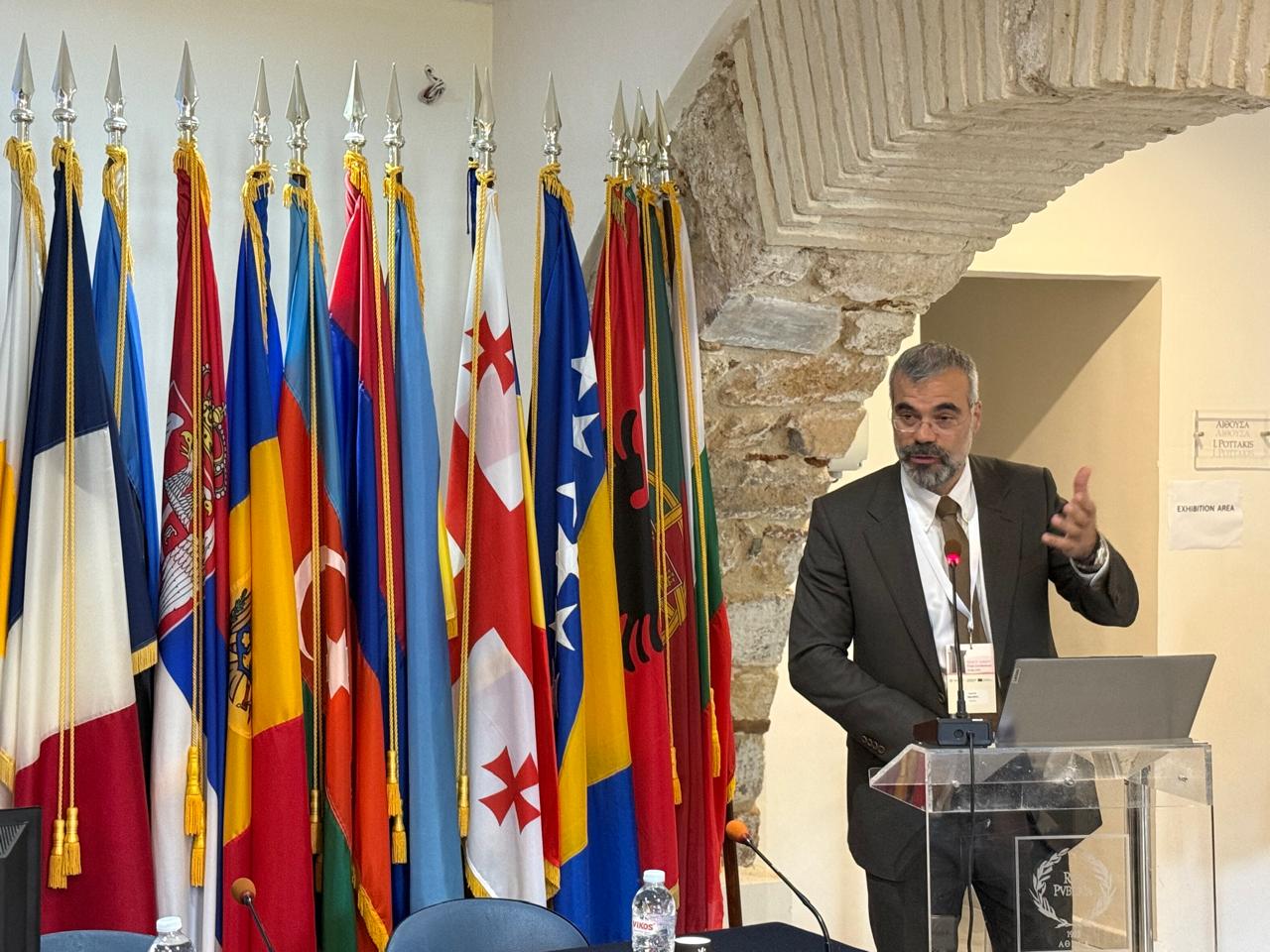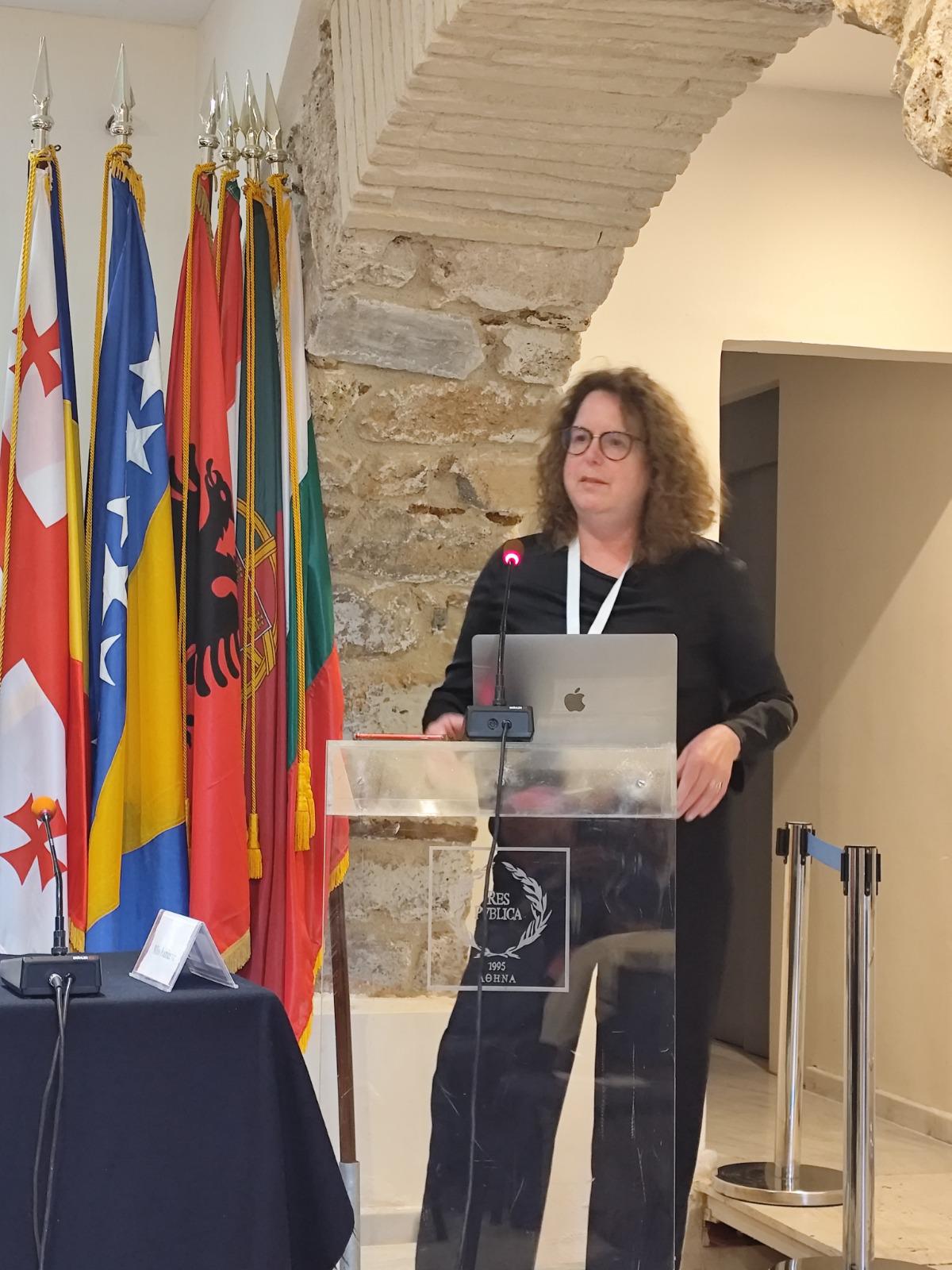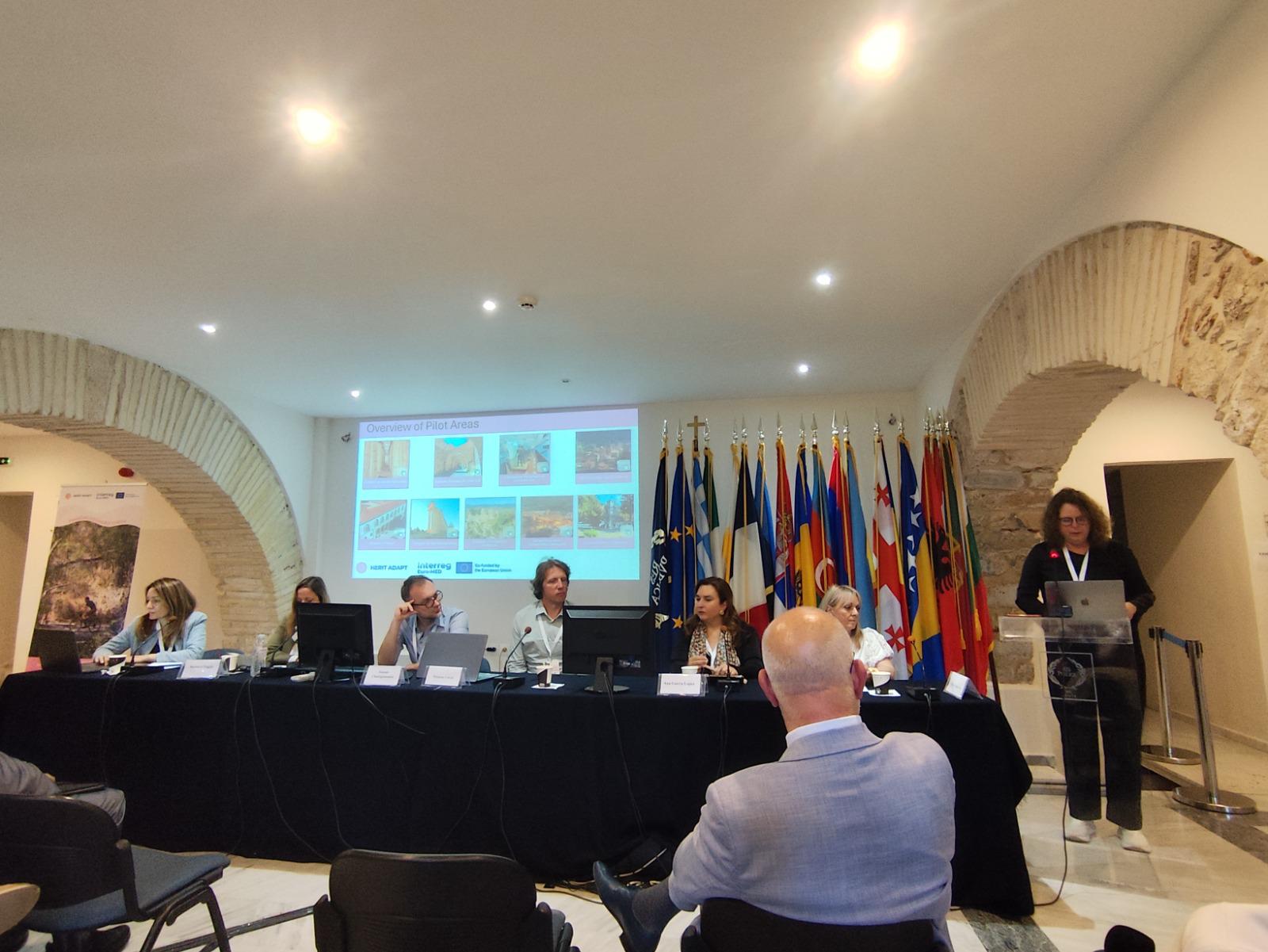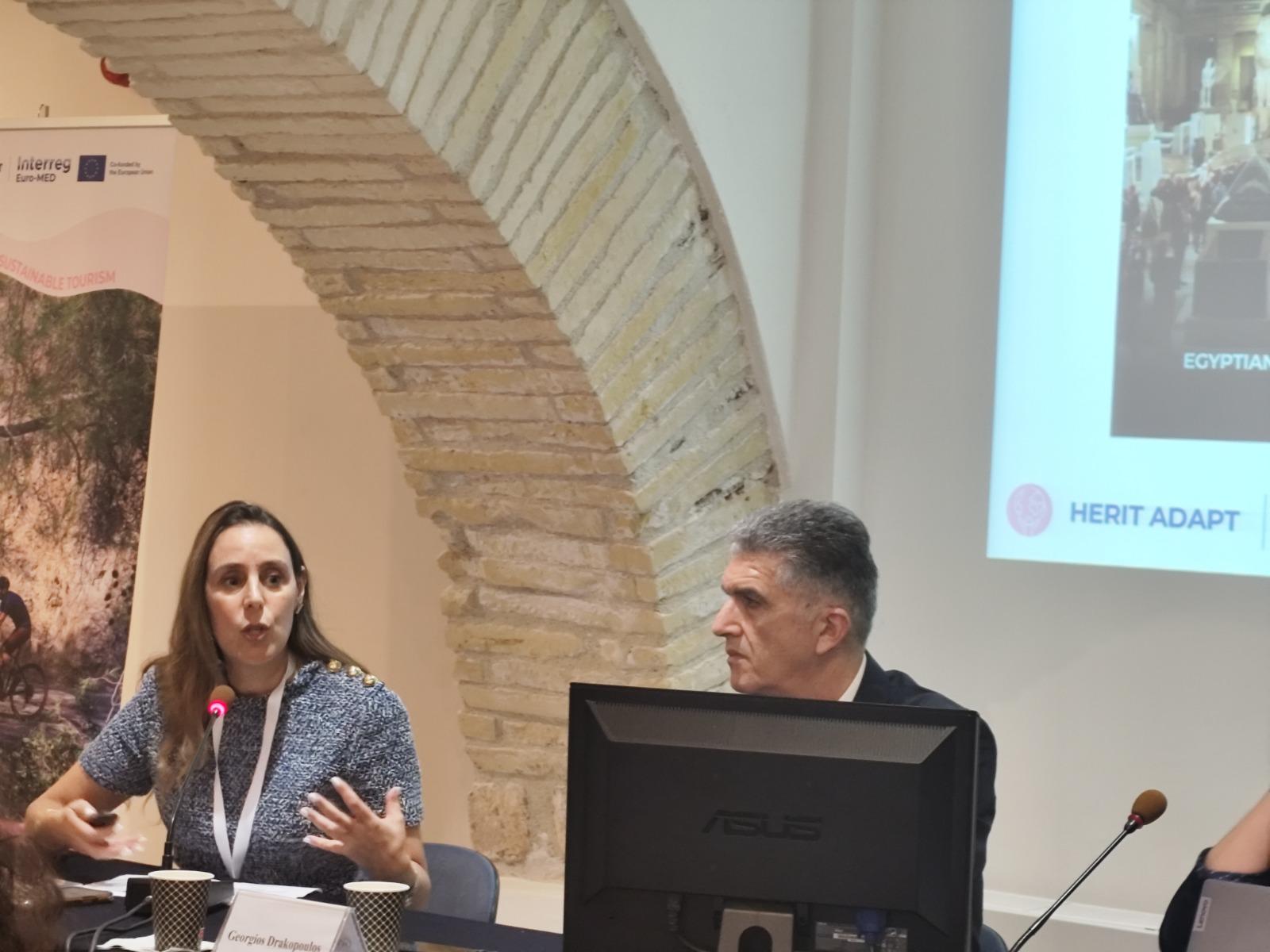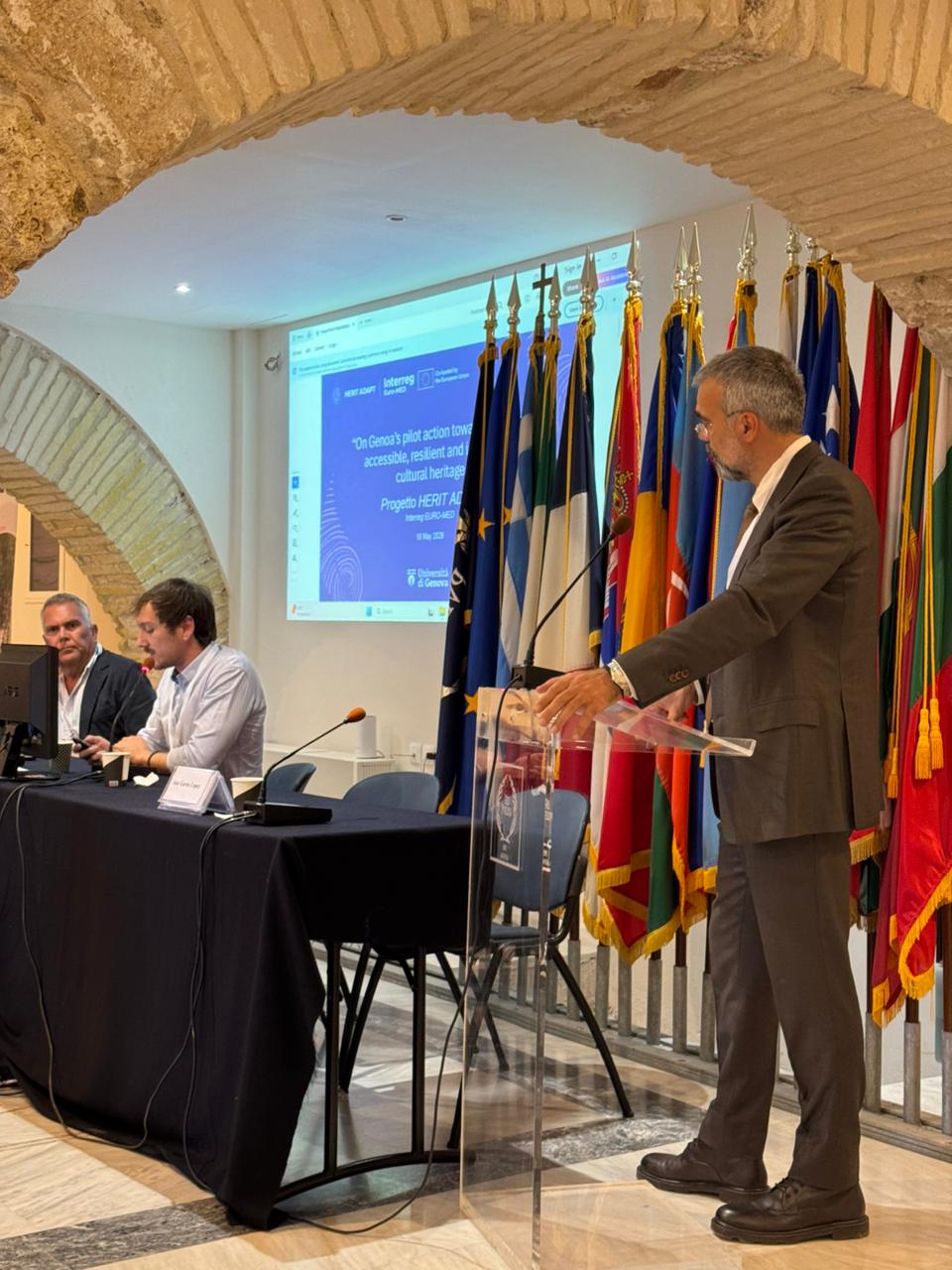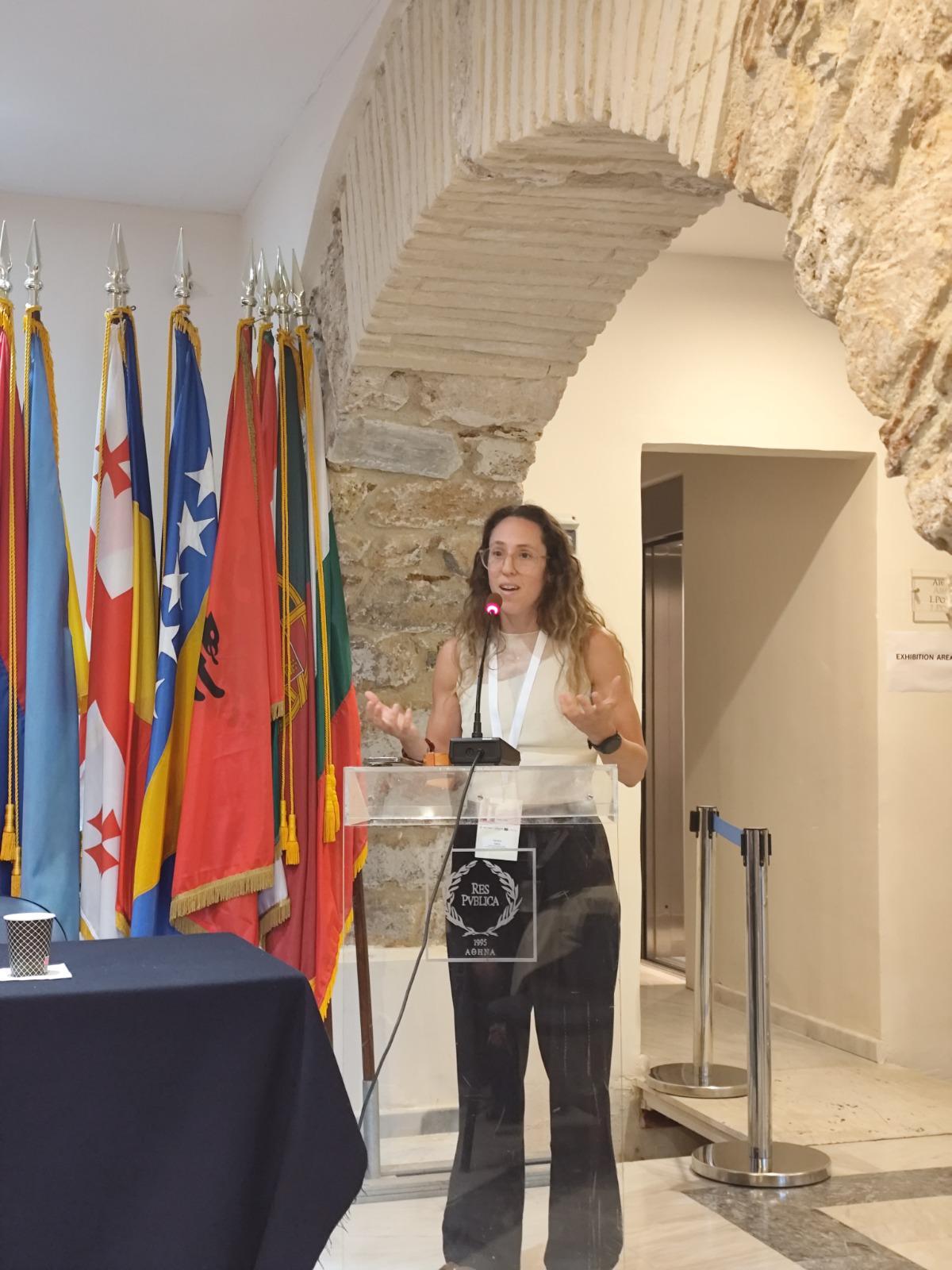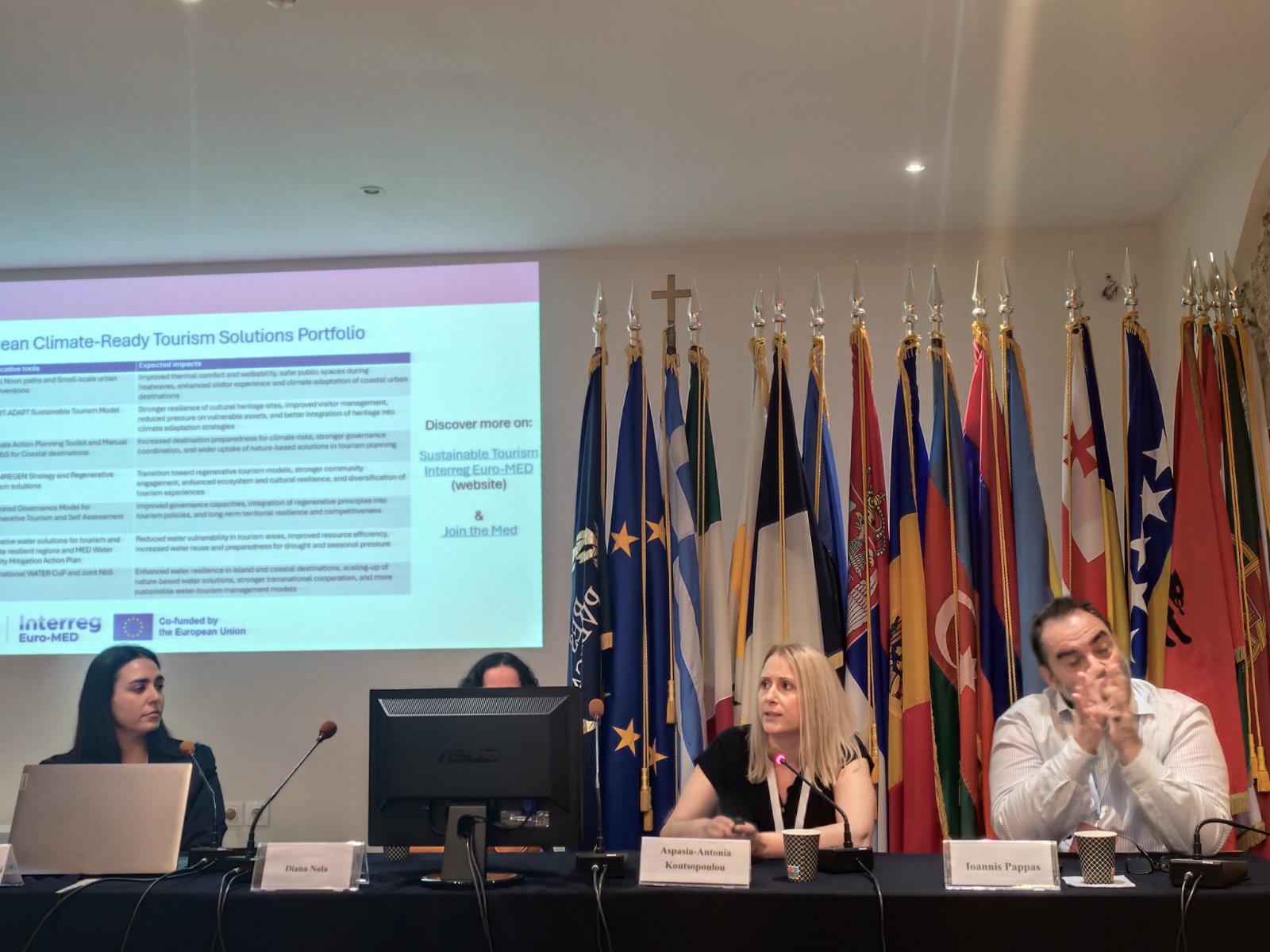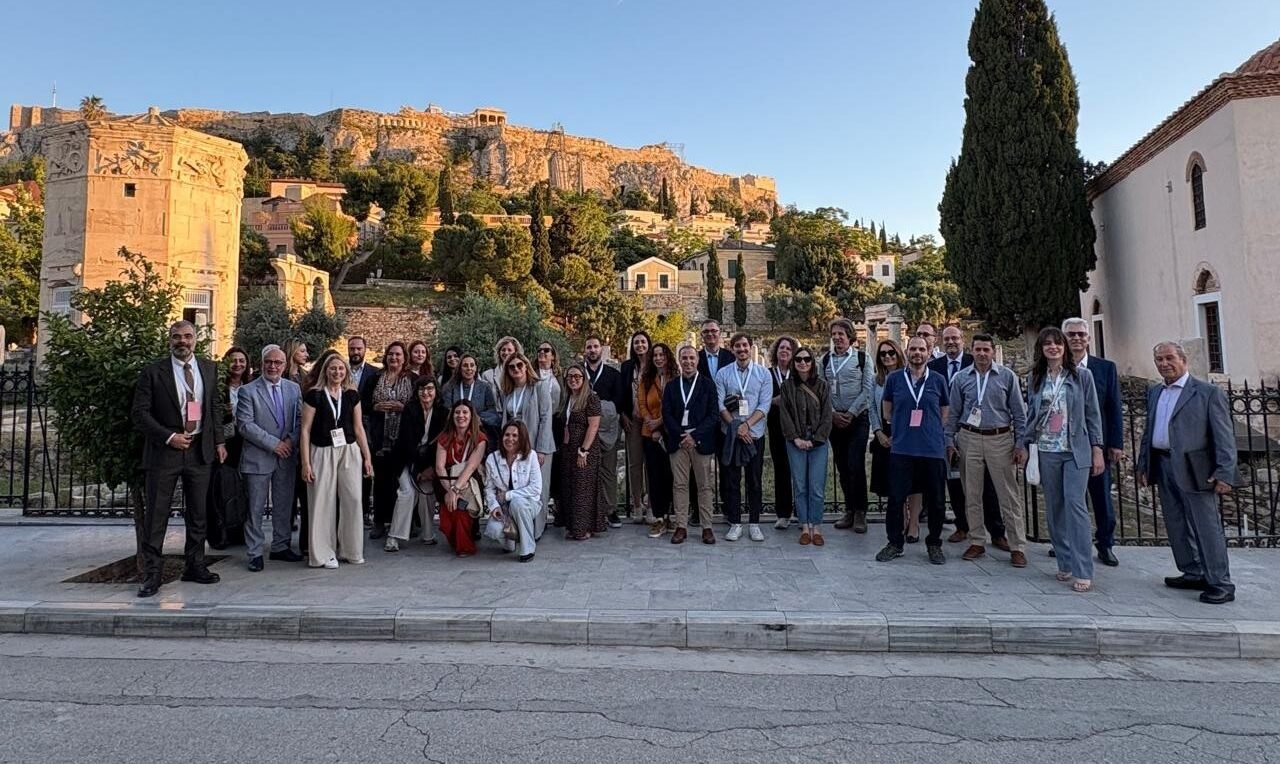

The HERIT ADAPT Final Conference, held on 18 May 2026 at the premises of the European Public Law Organization (EPLO) in Athens, marked a key milestone in the project’s implementation, showcasing its achievements and paving the way for the wider uptake of its results. Organised by EPLO, with contributions from all project partners, the event brought together a highly diverse and multi-level group of stakeholders, including representatives from public authorities, regional governments, tourism organisations, cultural heritage institutions, research and academic bodies, civil society associations, development agencies, and private-sector actors from across the Mediterranean, fostering dialogue on climate resilience, cultural heritage protection, and sustainable tourism.
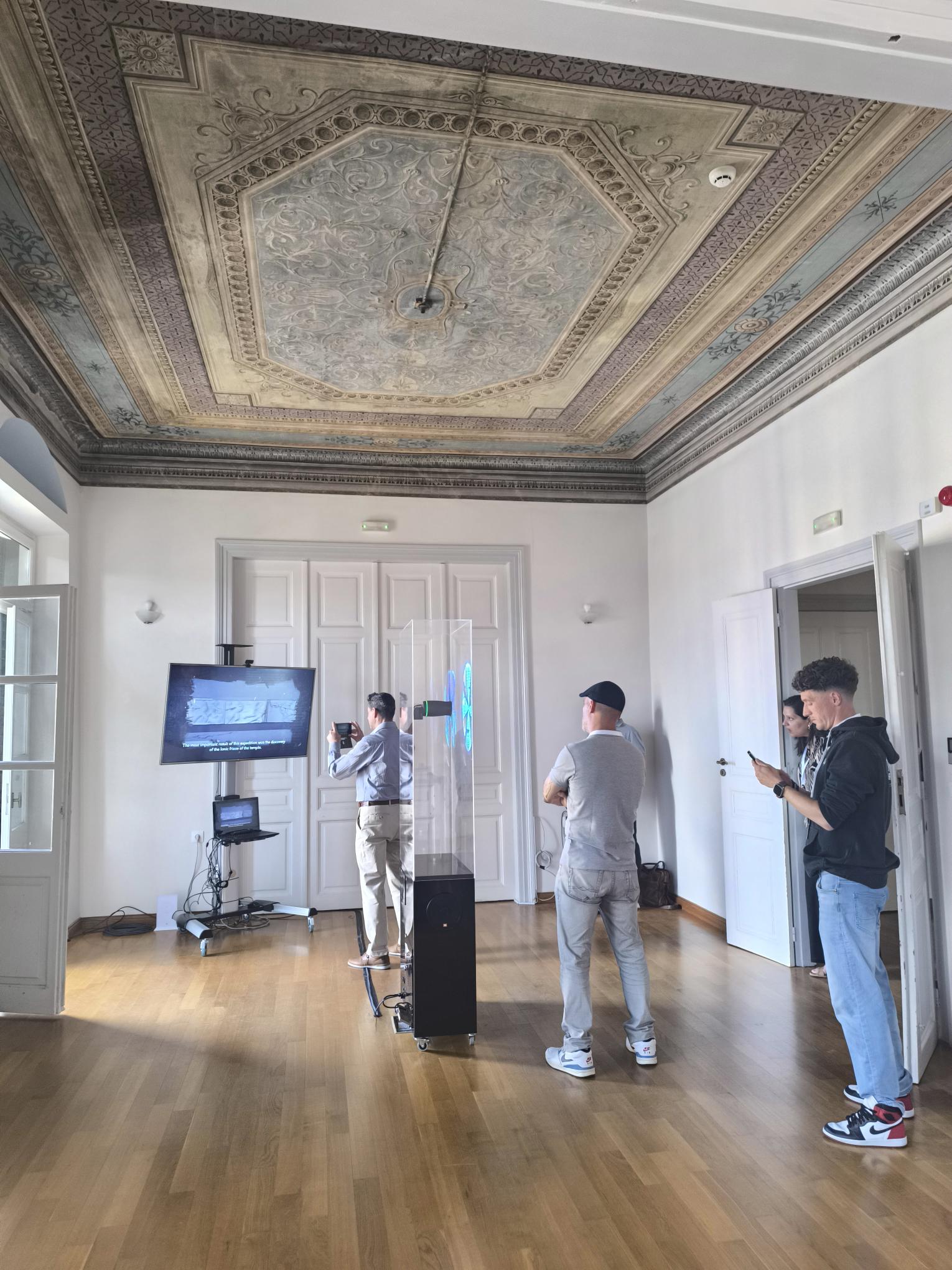
The event opened with an immersive video exhibition, “Artificial Intelligence in the Service of Cultural Heritage”, introducing participants to the project’s vision and results. Through interactive installations and the Lexie AI hologram, attendees explored the journey across nine pilot territories and how technologies such as AI storytelling, XR applications, digital twins, photogrammetry, and environmental monitoring are transforming the preservation and experience of cultural heritage.
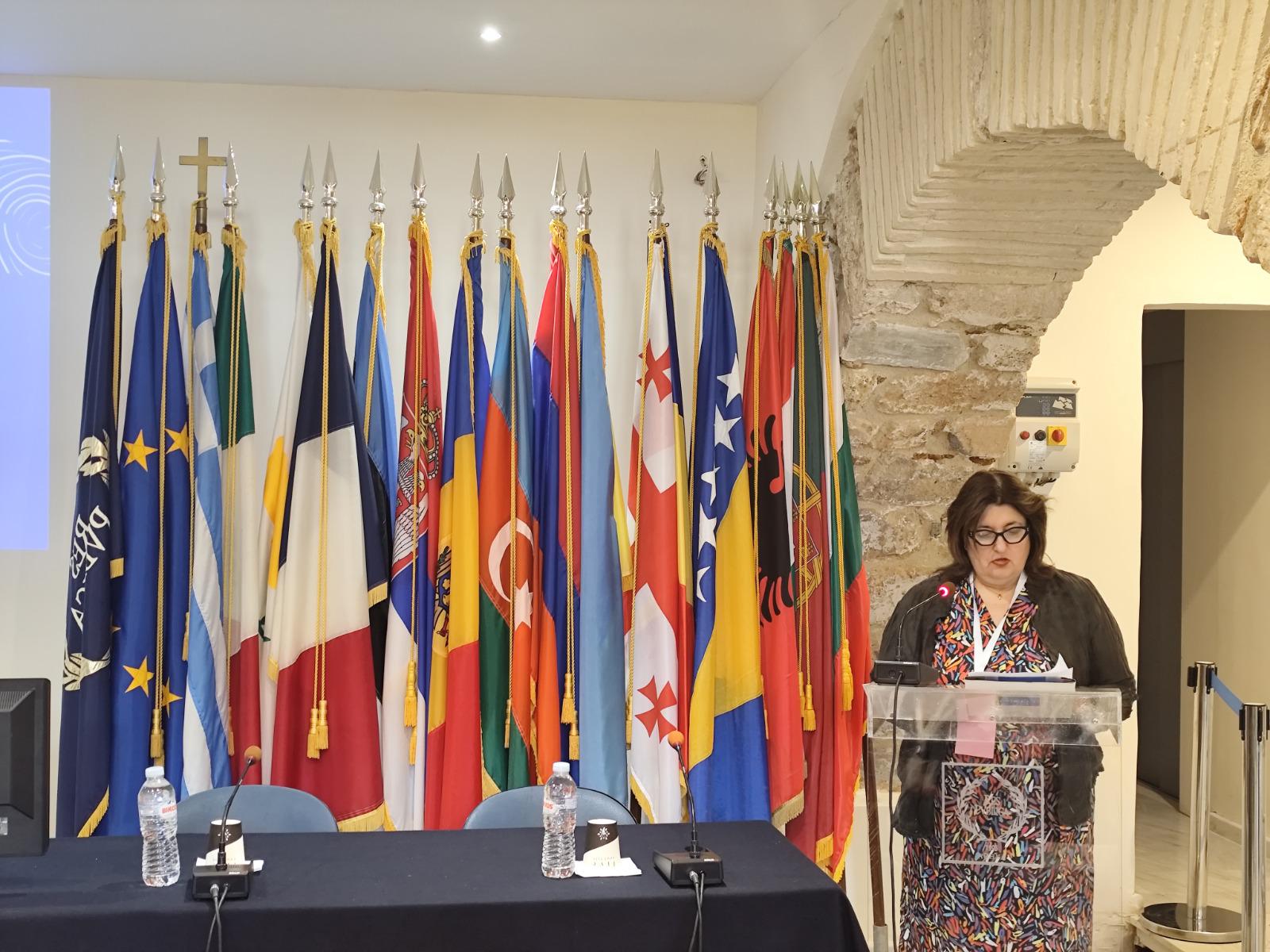
The High-Level Opening Session “From Vision to Policy: Heritage at the Core of Climate Resilience”, highlighted the growing recognition of cultural heritage as a strategic pillar for climate adaptation and sustainable tourism in the Mediterranean. Contributions from Dionysia-Theodora Avgerinopoulou (Hellenic Parliament & Prime Minister’s Envoy for the Ocean), Angela Varela (Greek National Tourism Organization), Panagiotis Sakellaropoulos (Region of Western Greece), and Anthia Papageorgiou (Limassol Chamber of Commerce and Industry) emphasised the need for stronger institutional cooperation to protect heritage from climate change and overtourism. The session reaffirmed HERITADAPT’s role in linking heritage preservation, digital innovation, and sustainable tourism governance. In a deeply rewarding moment for the project team, HERIT ADAPT welcomed the recognition of its contributions, reflected in an invitation to present our findings before the Environment Committee of the Hellenic Parliament.
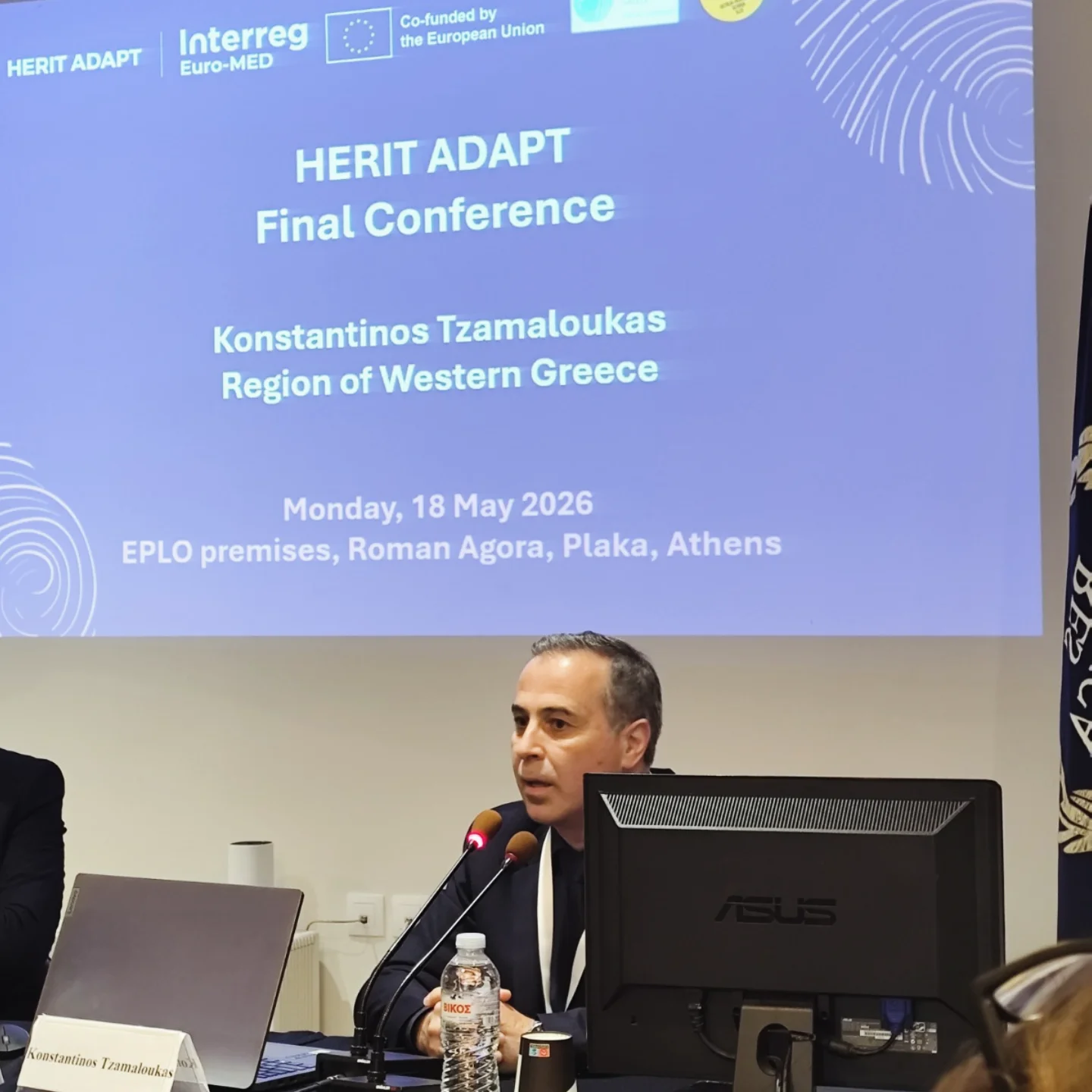
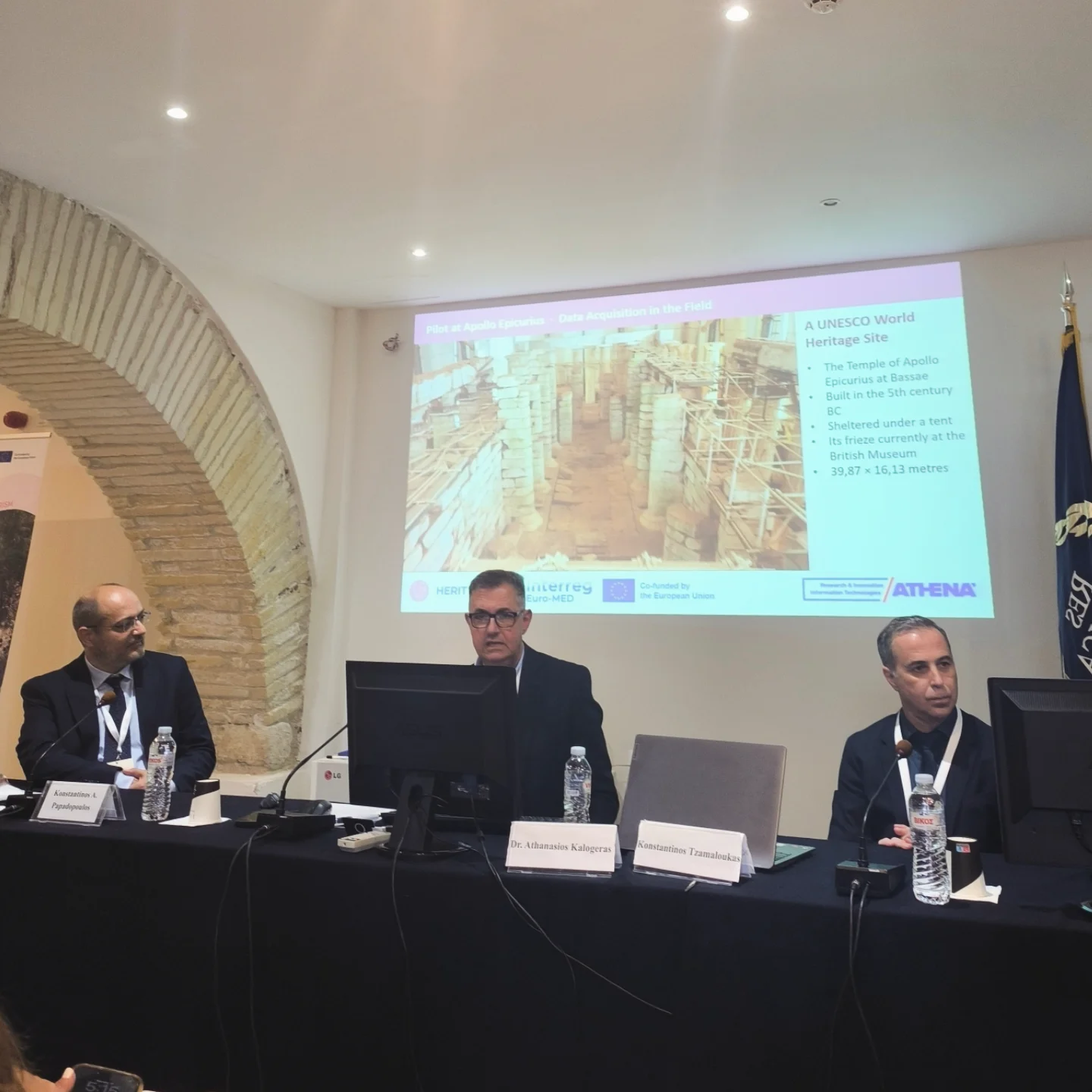
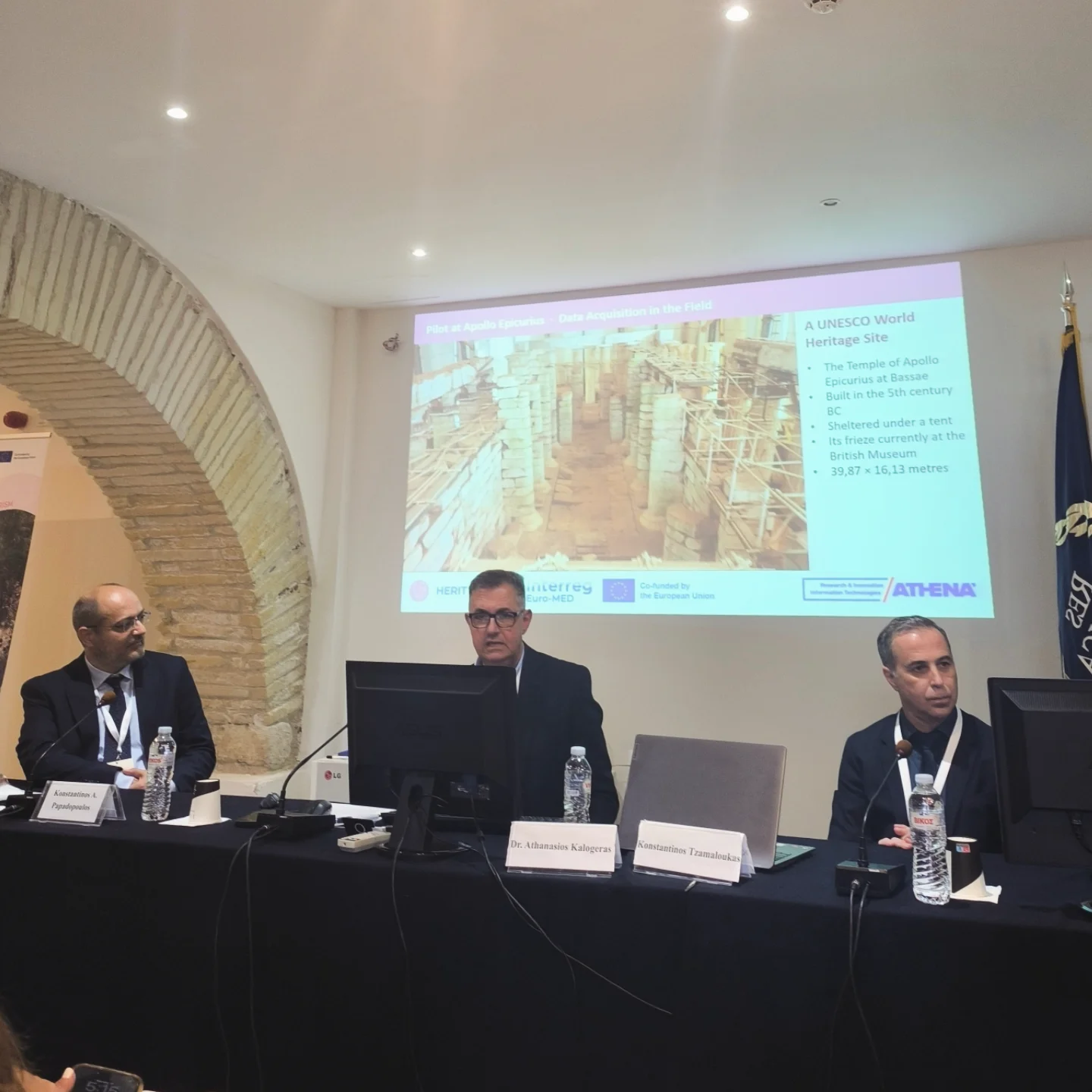
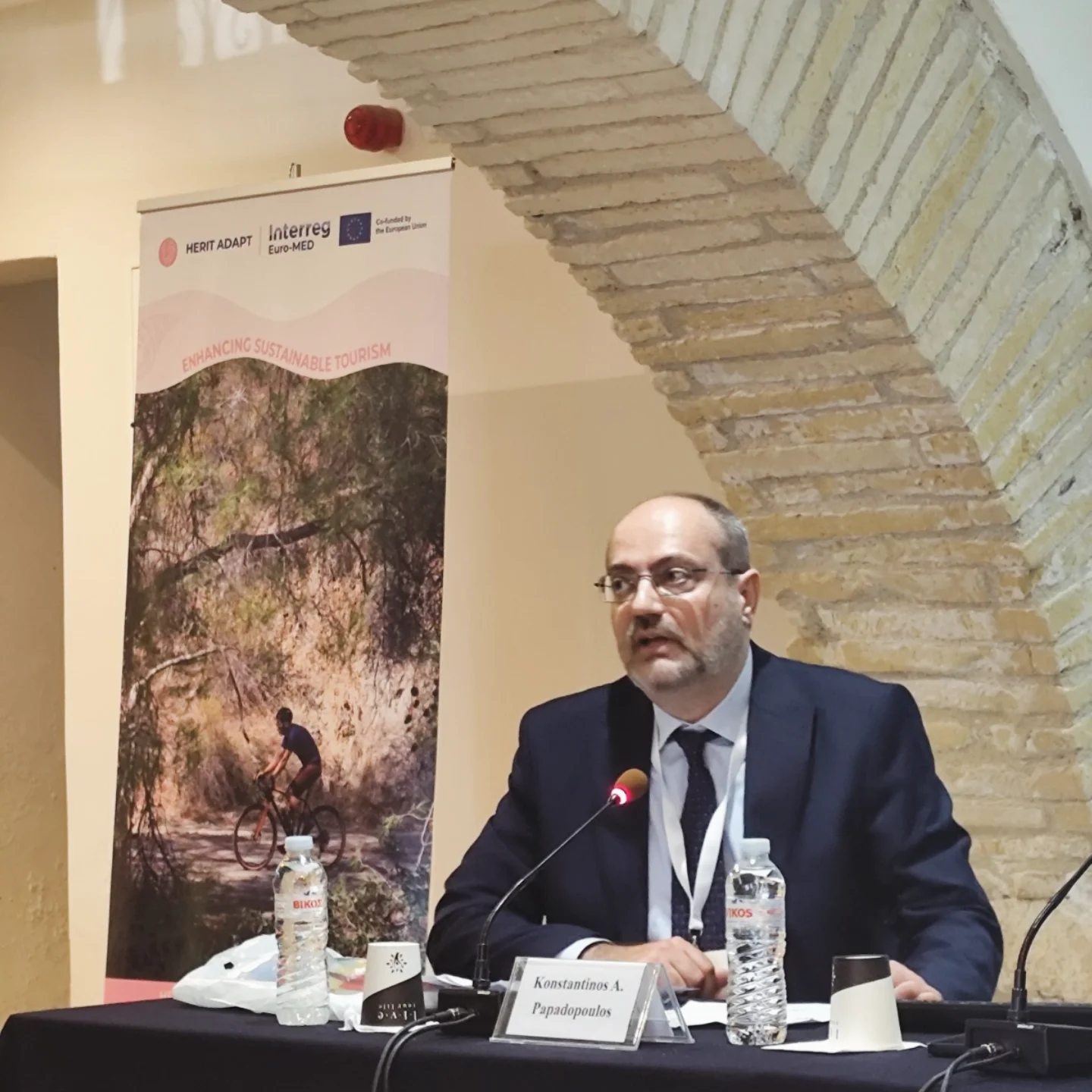
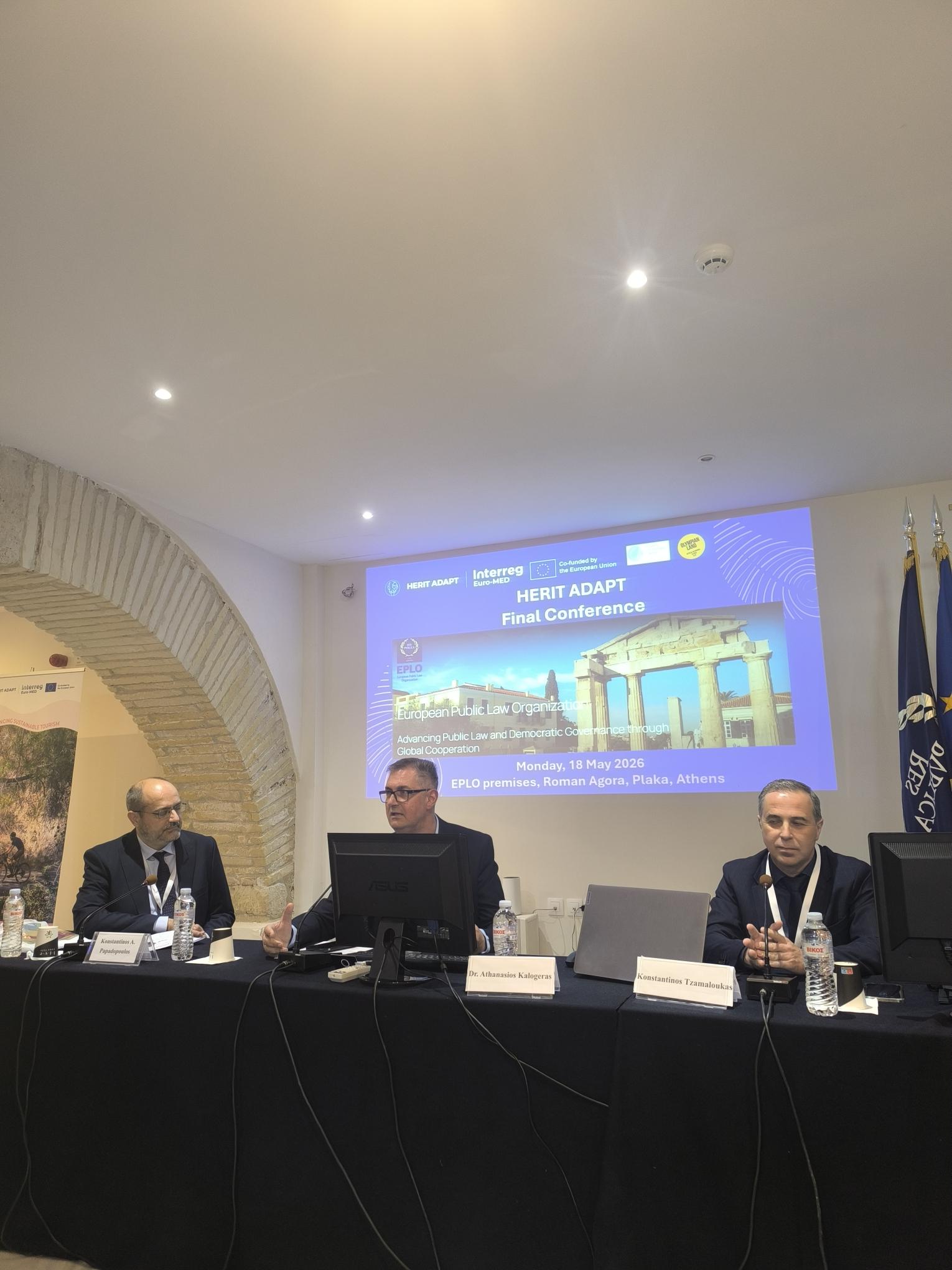
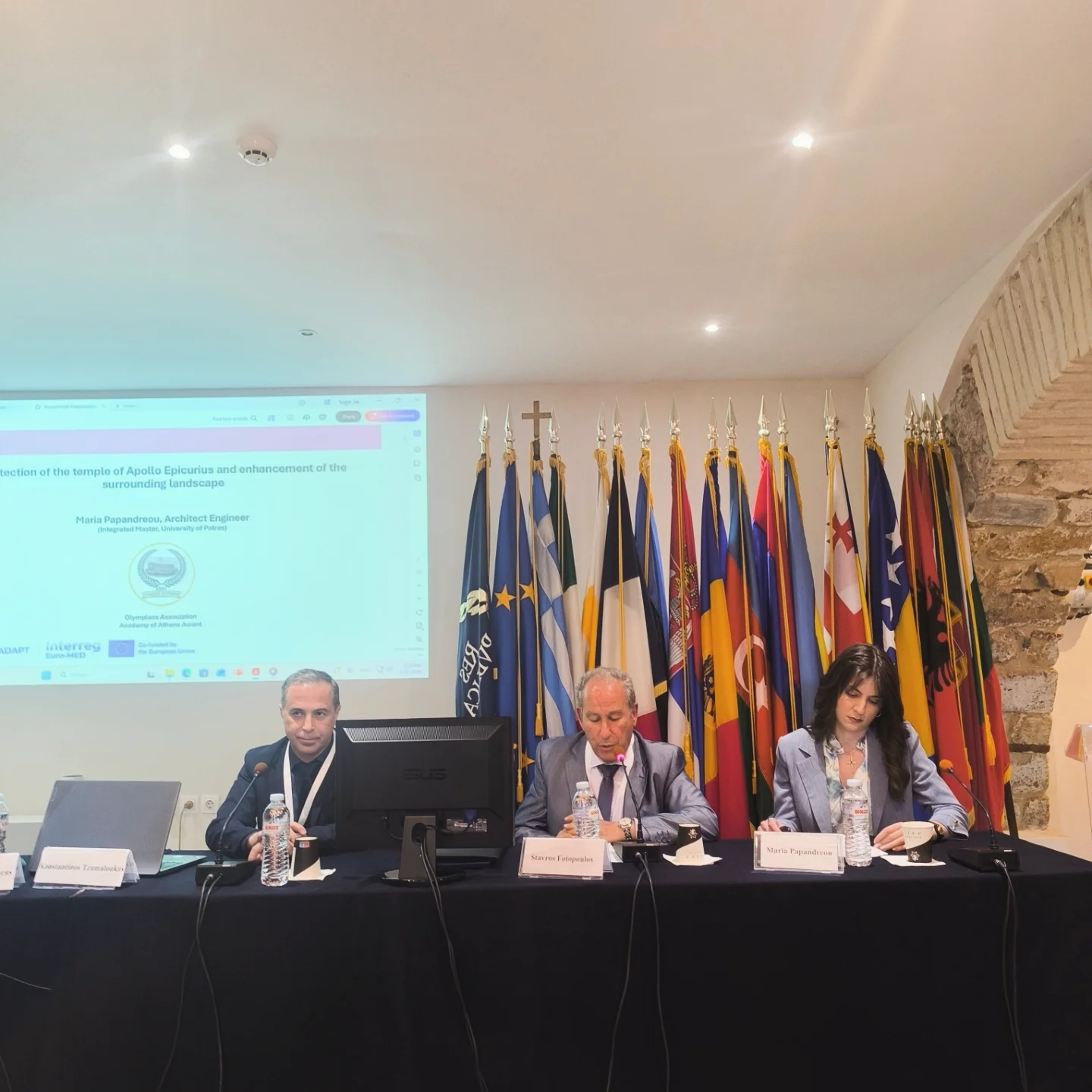
Session I “Safeguarding Heritage in the Climate Era: The Greek Experience” presented the Greek pilot at the Temple of Apollo Epicurius at Bassae, demonstrating how digital tools, scientific monitoring, and preventive conservation can enhance heritage resilience. Moderated by Athanasios Kalogeras (Industrial Systems Institute/ ATHENA RC), the session invited Konstantinos Tzamaloukas (Region of Western Greece), Konstantinos A. Papadopoulos (Ephorate of Antiquities of Ilia), the Stavros Fotopoulos (Association of Olympians) and Maria Papandreou (Association of Olympians), to present the work carried out and future plans for safeguarding the Temple of Apollo Epicurius, while highlighting the importance of interdisciplinary cooperation for protecting vulnerable heritage sites. The 3D models developed as part of the project pilot activities were showcased by Athanasios Kalogeras through a series of video presentations, offering three views of the temple: its current state with protective scaffolding, its appearance in antiquity, and a future virtual restoration, showcasing missing architectural elements in their original positions.
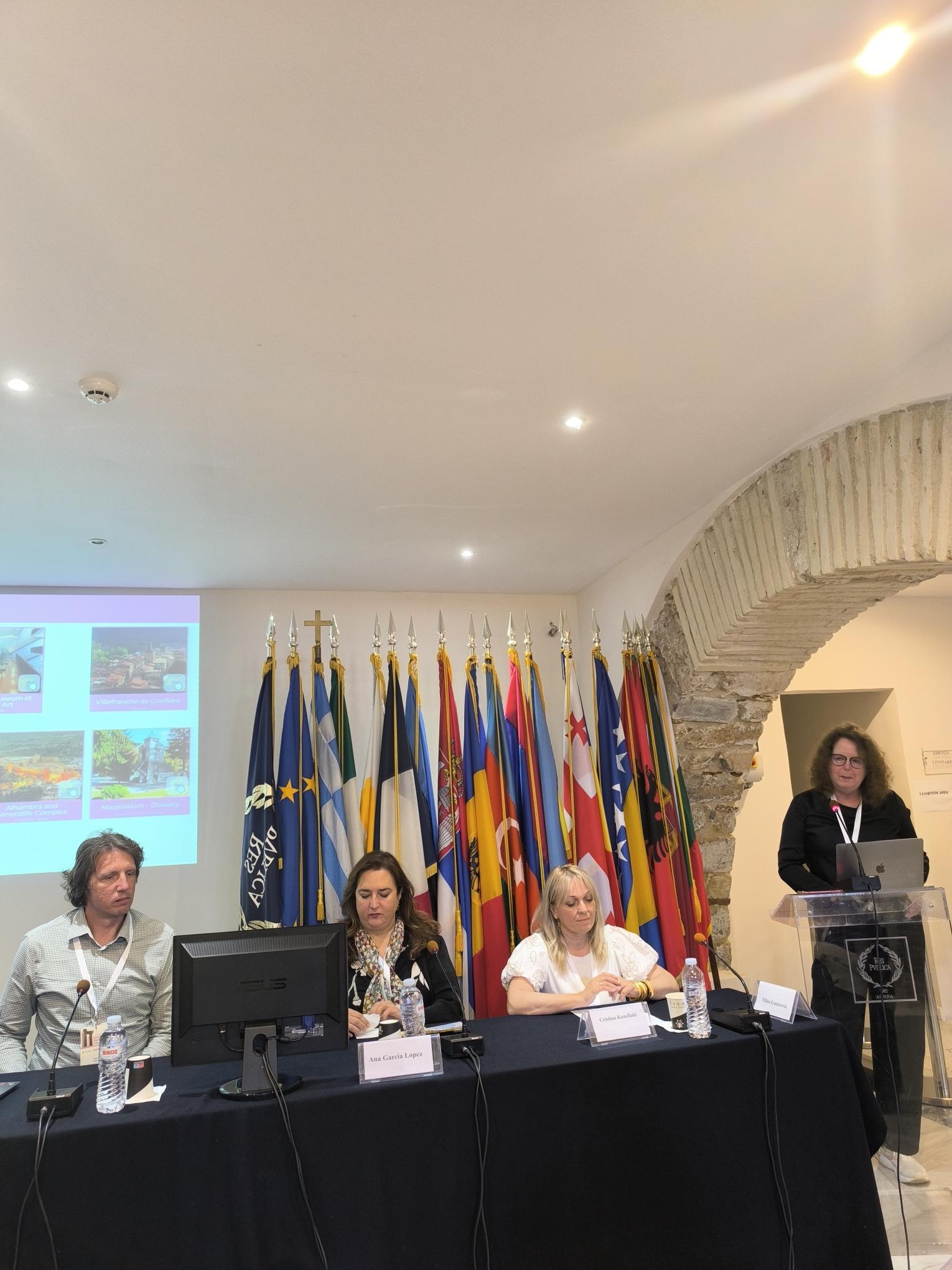
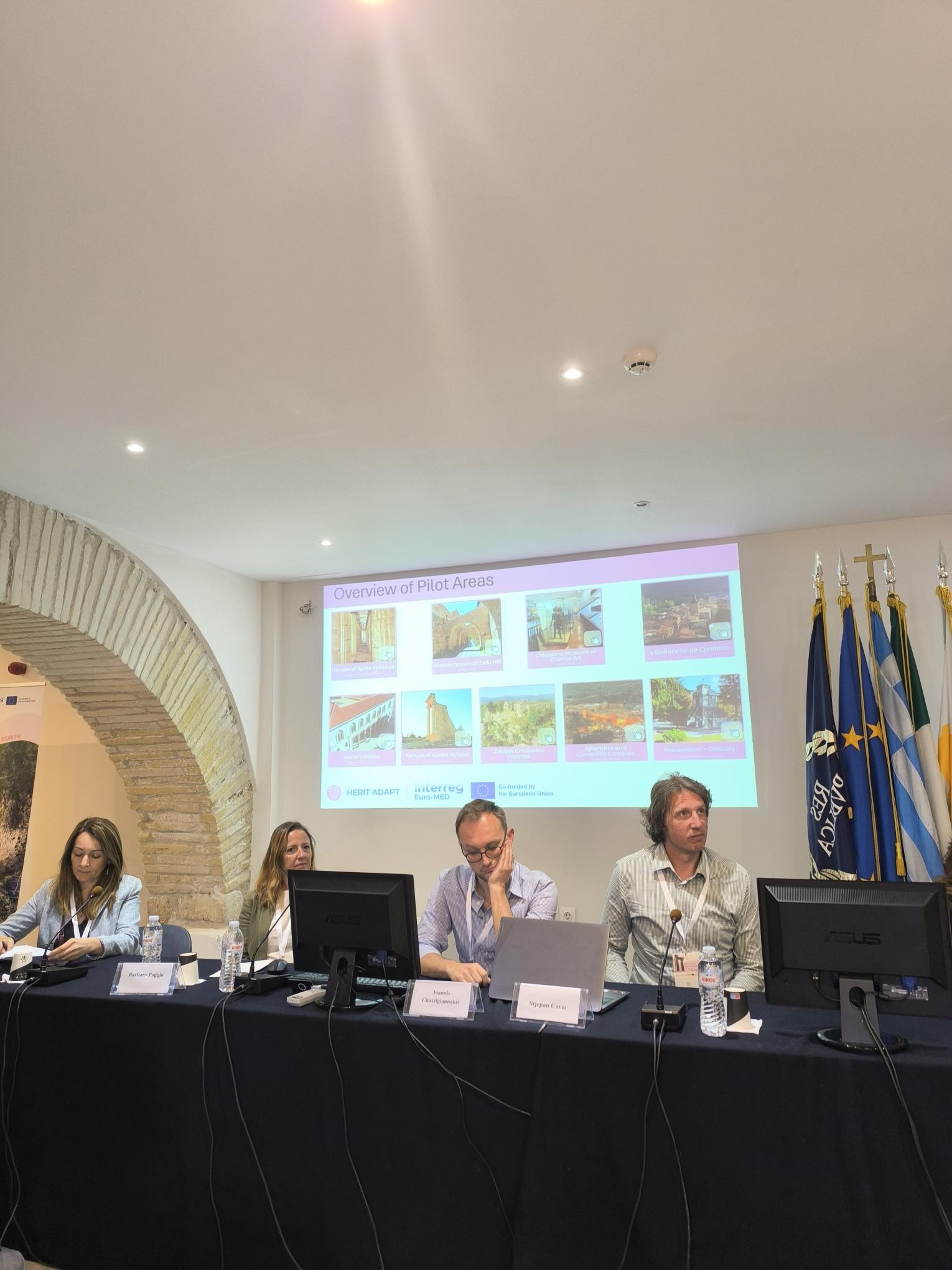
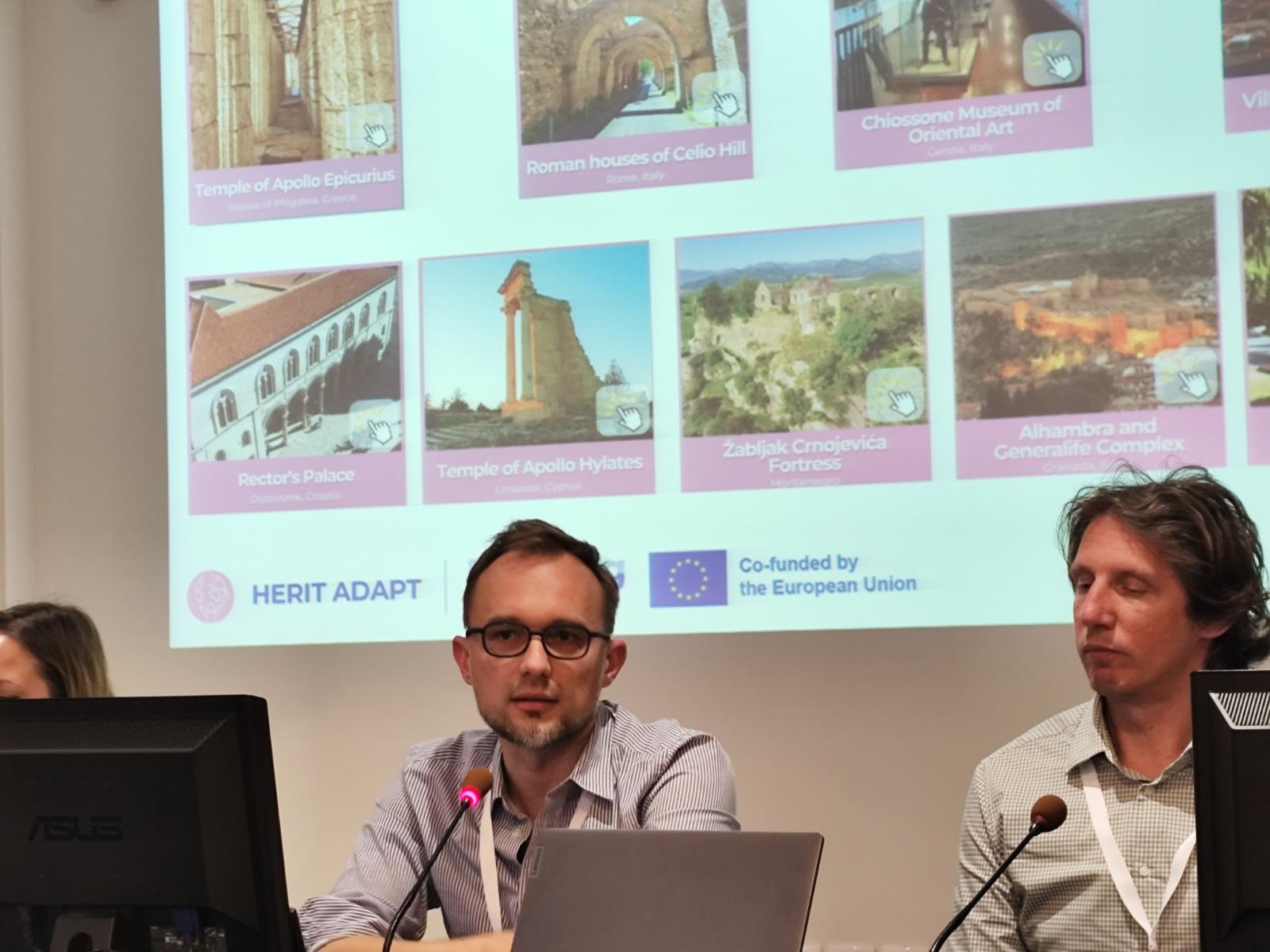
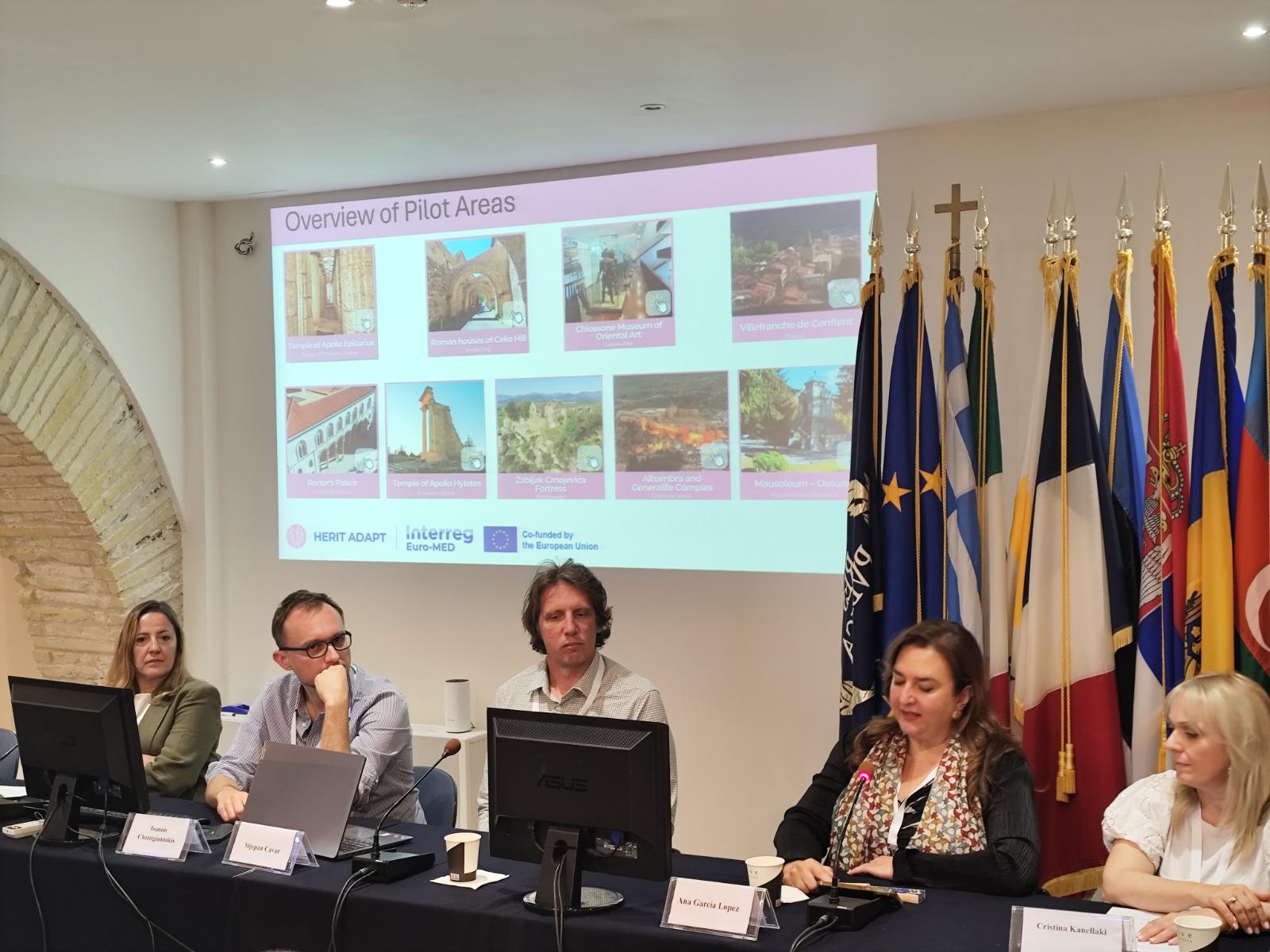
Following the presentation of the Greek pilot, during Session II “The European Experience” the discussion was focused to the pilot sites of Canigou Grand Site/ Villefranche de Conflent in France, the Temple of Apollo Hylates in Limassol, Cyprus, the Monumental Complex of Alhambra and Generalife in Granada, Spain, the Roman Houses of Celio Hill in Rome, Italy, the Museo Chiossone in Genoa, Italy, the Žabljak Crnojevića Fortress in Montenegro, the Rector’s Palace in Dubrovnik, Croatia, and the Mausoleum–Ossuary in Koprivshtitsa, Bulgaria. Project partners, represented by Angelika Sauermost (SDFD-ADOCC), Cristina Kanellaki (Limassol Tourism Board), Viktor Malakuczi (Sapienza University of Rome), Stjepan Čavar (Dubrovnik Development Agency), Ana García López (University of Granada), and Marina Popova (Ministry of Tourism of Bulgaria), showcased the results of the pilot activities, demonstrating the application of 3D modelling, XR, AI storytelling, IoT monitoring, and digital visitor management as tools for enhancing cultural heritage resilience. The session confirmed the strong transferability of the HERIT ADAPT Sustainable Tourism Model and its potential to support a shared Mediterranean approach to climate-resilient heritage tourism.
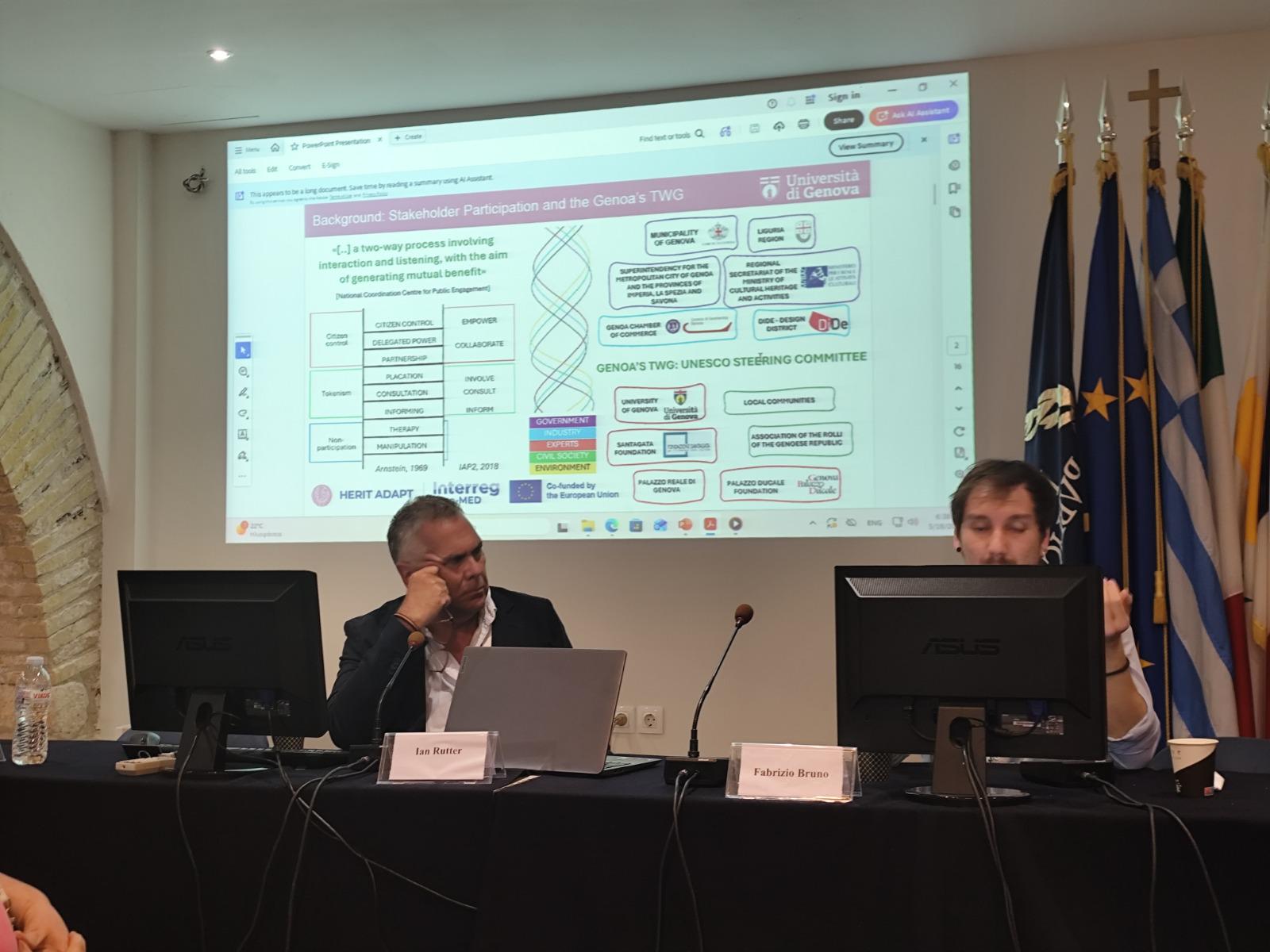
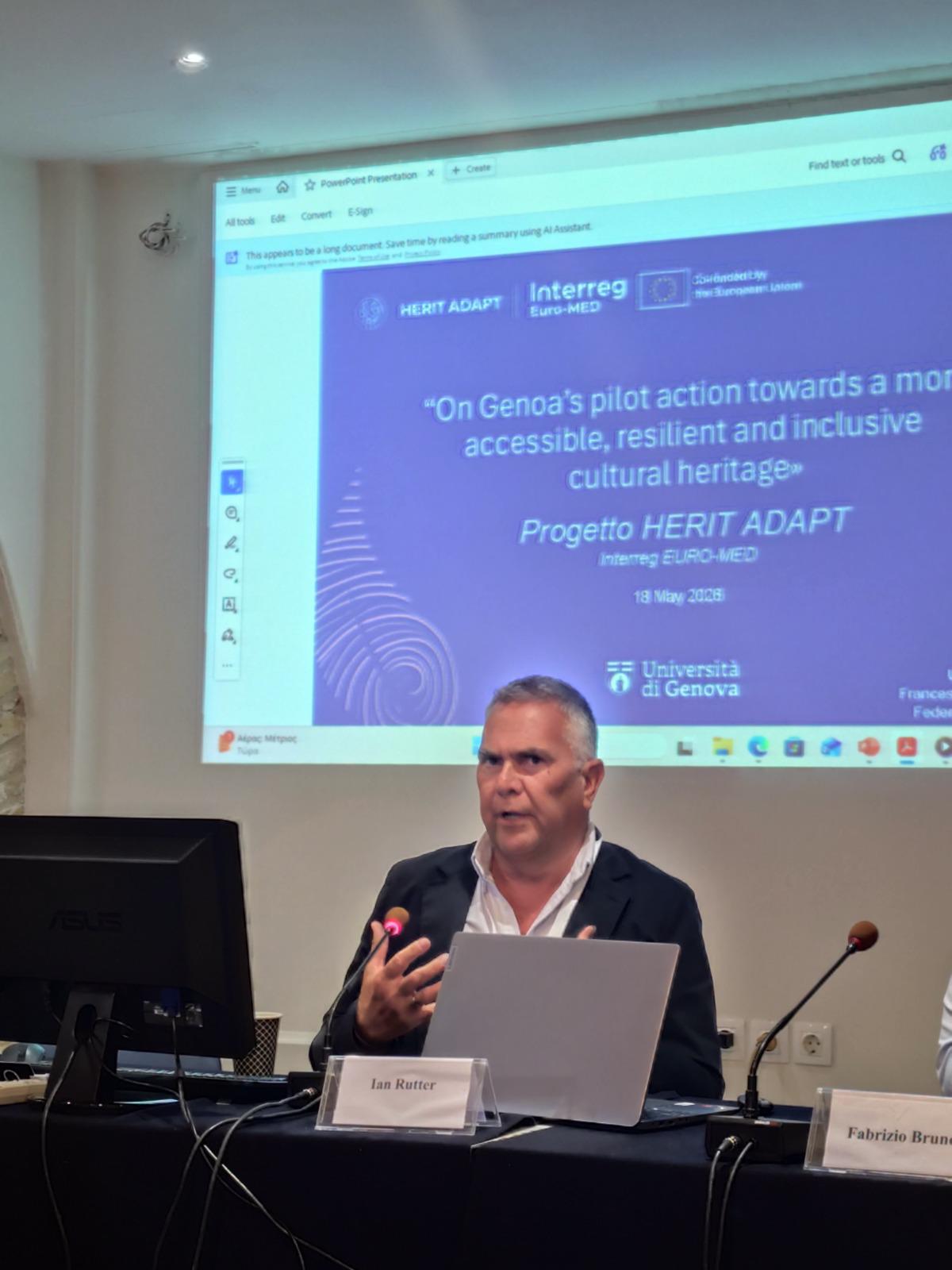
The Fireside Conversation “Sustainability as a Key Tourism Economic Driver” followed, exploring the intersection of heritage, tourism, and the circular economy. In this context, the ReBoat Horizon Europe Innovation Action was presented by Ioannis Mardikis (EPLO) as an example of circular solutions in insular areas, while Ian Rutter (ALOTUR- the Association of Tourist Accommodation in Moclín) shared experiences on how sustainable tourism practices can support local development and environmental regeneration in rural and heritage-rich destinations. The case study of Genoa, presented by Fabrizio Bruno (University of Genoa), highlighted ongoing urban sustainability transitions and approaches to integrating sustainability into city-scale tourism and heritage management. The discussion emphasized sustainability as an economic driver, the role of circular approaches in building resilience, and the importance of scaling pilot experiences through cross-sectoral cooperation and policy integration.
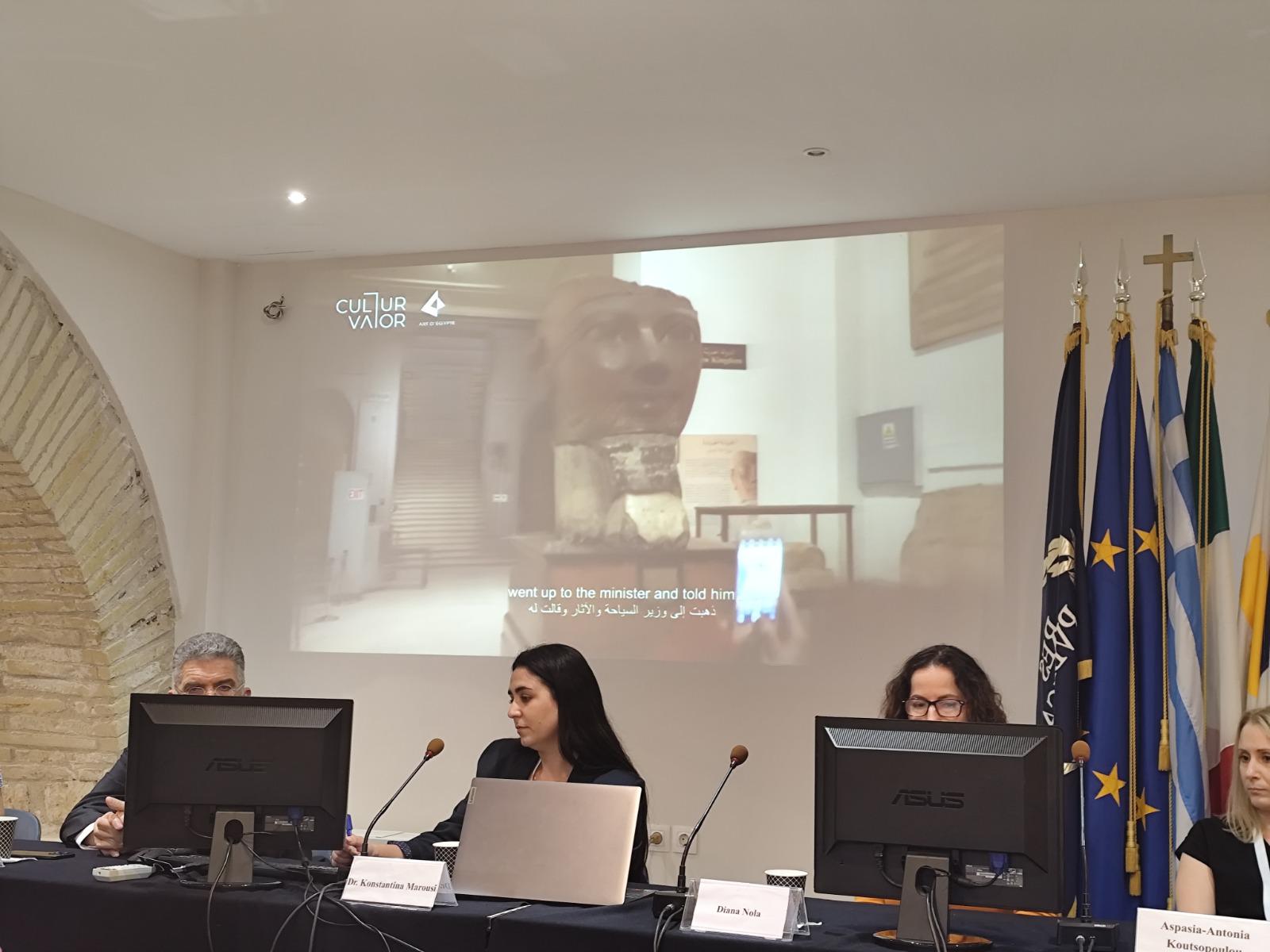
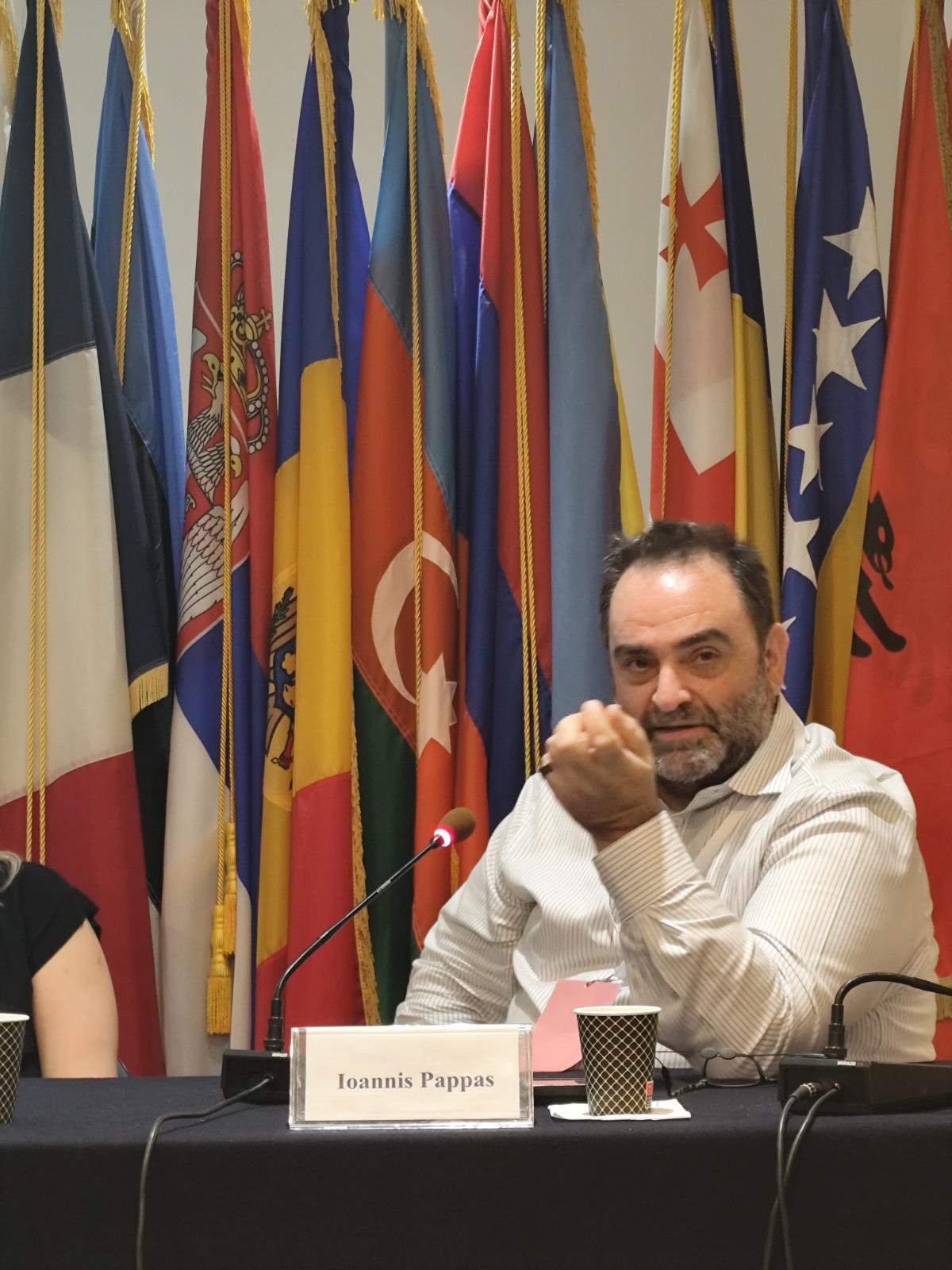
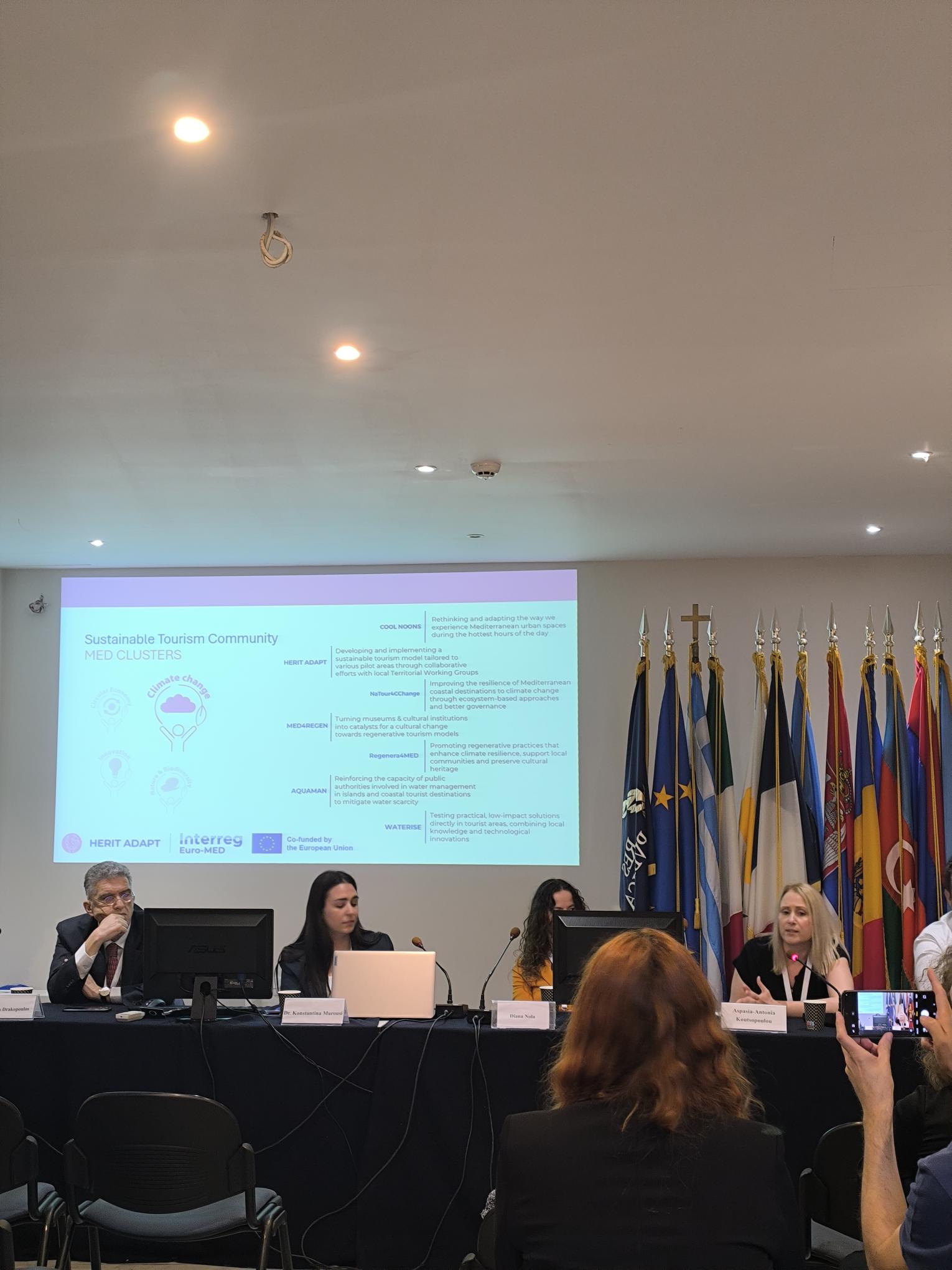
Session III “Beyond the Pilot: Mainstreaming Climate-Ready Tourism Models in the Mediterranean” brought together experts from academia, industry, and the cultural sector, including Nadine Abdel Ghaffar (Art d’Égypte), Georgios Drakopoulos (Tourism Generis), Ioannis Pappas (Green Evolution SA), Diana Nola (DURA – HERITADAPT Expert), and Aspasia-Antonia Koutsopoulou (University of Thessaly), moderated by Konstantina Marousi (University of Patras). The session explored how pilot actions can move beyond local implementation towards wider regional impact, with a strong focus on governance frameworks, cross-sector collaboration, and knowledge transfer. Emphasis was placed on the role of cultural and creative industries in shaping innovative, climate-ready tourism models and supporting their integration into policy and practice across the Mediterranean.
The event concluded with “Closing Reflections: Toward a Mediterranean Pact for Climate-Resilient Cultural Heritage”, delivered by the host partner, reflecting on the main outcomes of the event, and complemented by closing remarks from Georgina Calvo (Barcelona Provincial Council), in the context of the broader Interreg Euro-MED Sustainable Tourism Mission. The discussion highlighted the importance of regional cooperation, policy alignment, and knowledge exchange in positioning cultural heritage as a cornerstone of climate resilience and sustainable tourism across the Mediterranean.
Overall, the HERIT ADAPT Final Conference fostered exchange, collaboration, and knowledge sharing across sectors and countries. Through presentations, policy discussions, and expert panels, participants shared project results and explored pathways to scale climate-ready heritage and tourism models beyond the pilot territories. The event strengthened cross-sector cooperation and reaffirmed cultural heritage as a key driver of sustainable and resilient regional development.