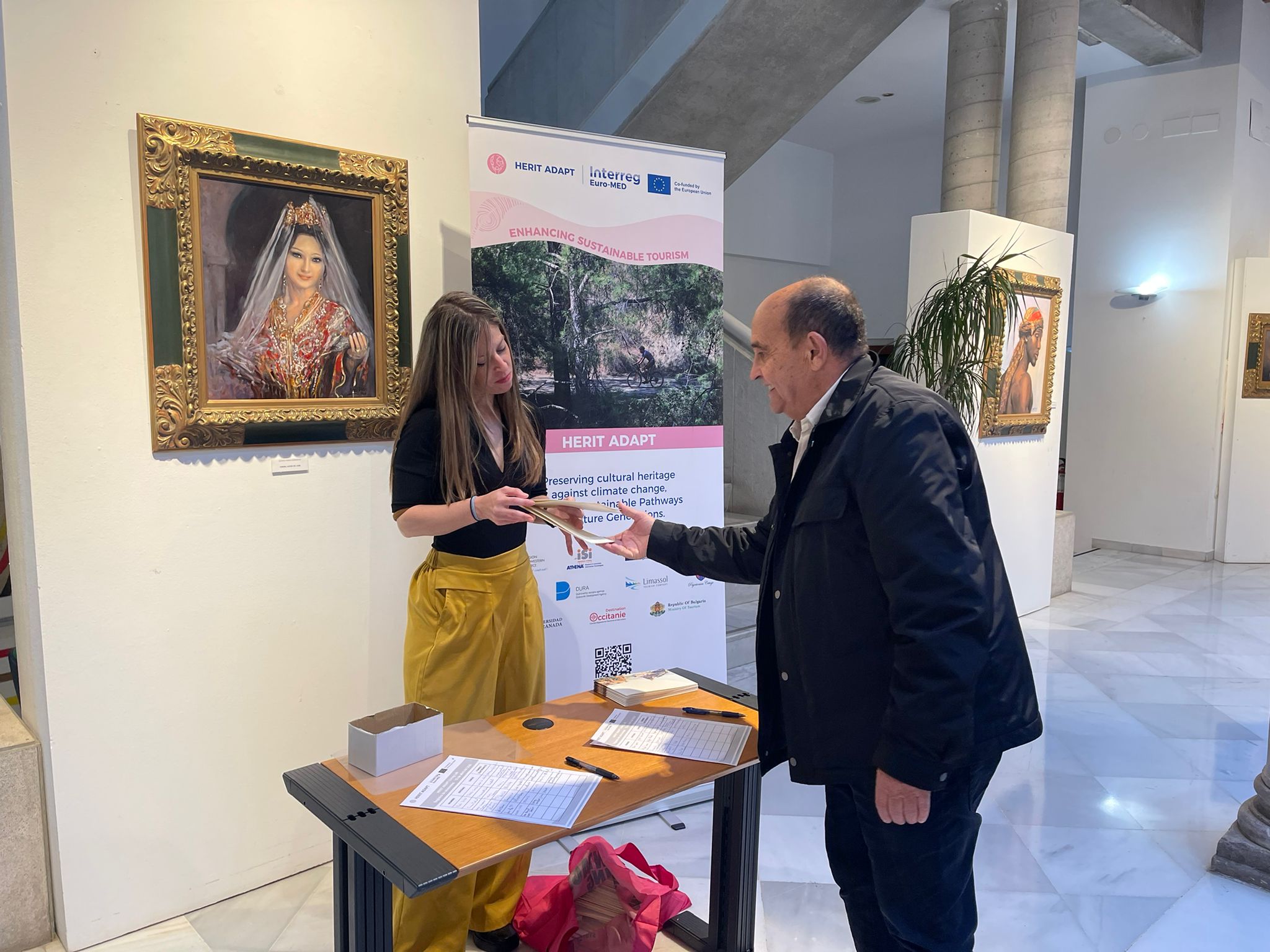
The European HERIT ADAPT project holds a ‘Living Lab’ with institutions and tourism stakeholders to promote the redistribution of tourism towards Western Granada
The initiative, led by University of Granada, proposes an innovative cultural strategy based on the symbolic and territorial connection between the Alhambra and the network of watchtowers, castles, and cultural landscapes of Íllora, Moclín, and Montefrío.
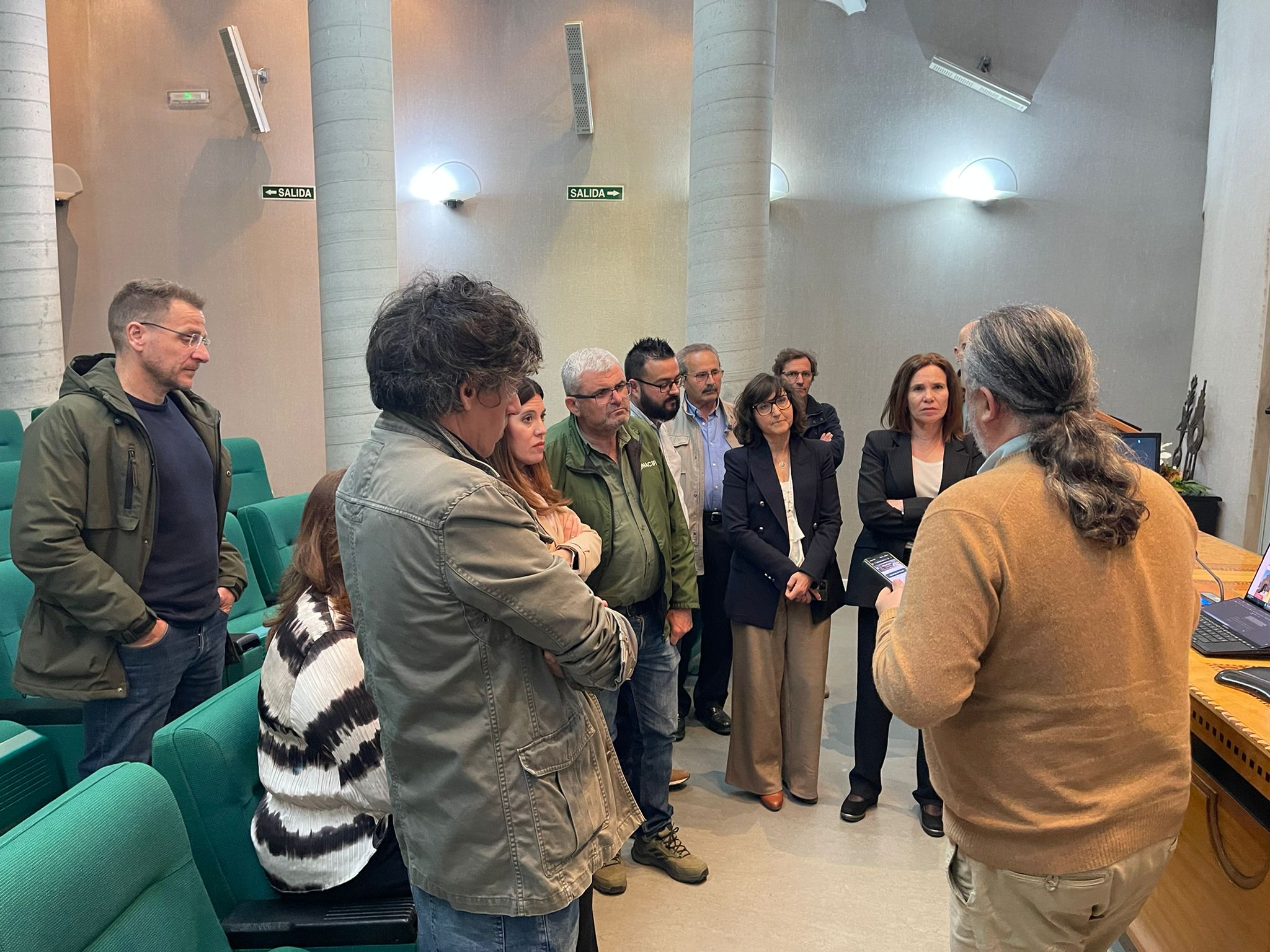
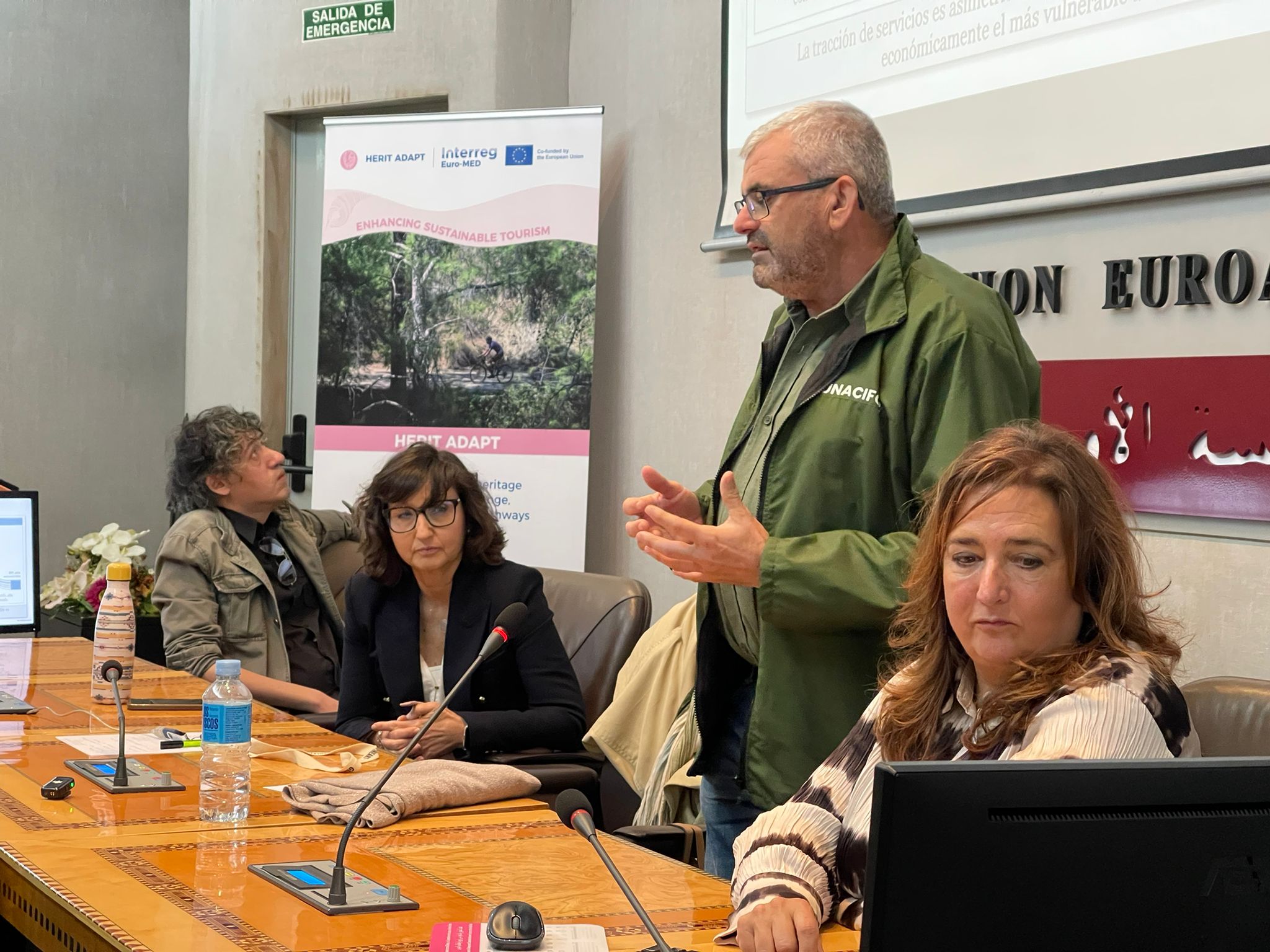
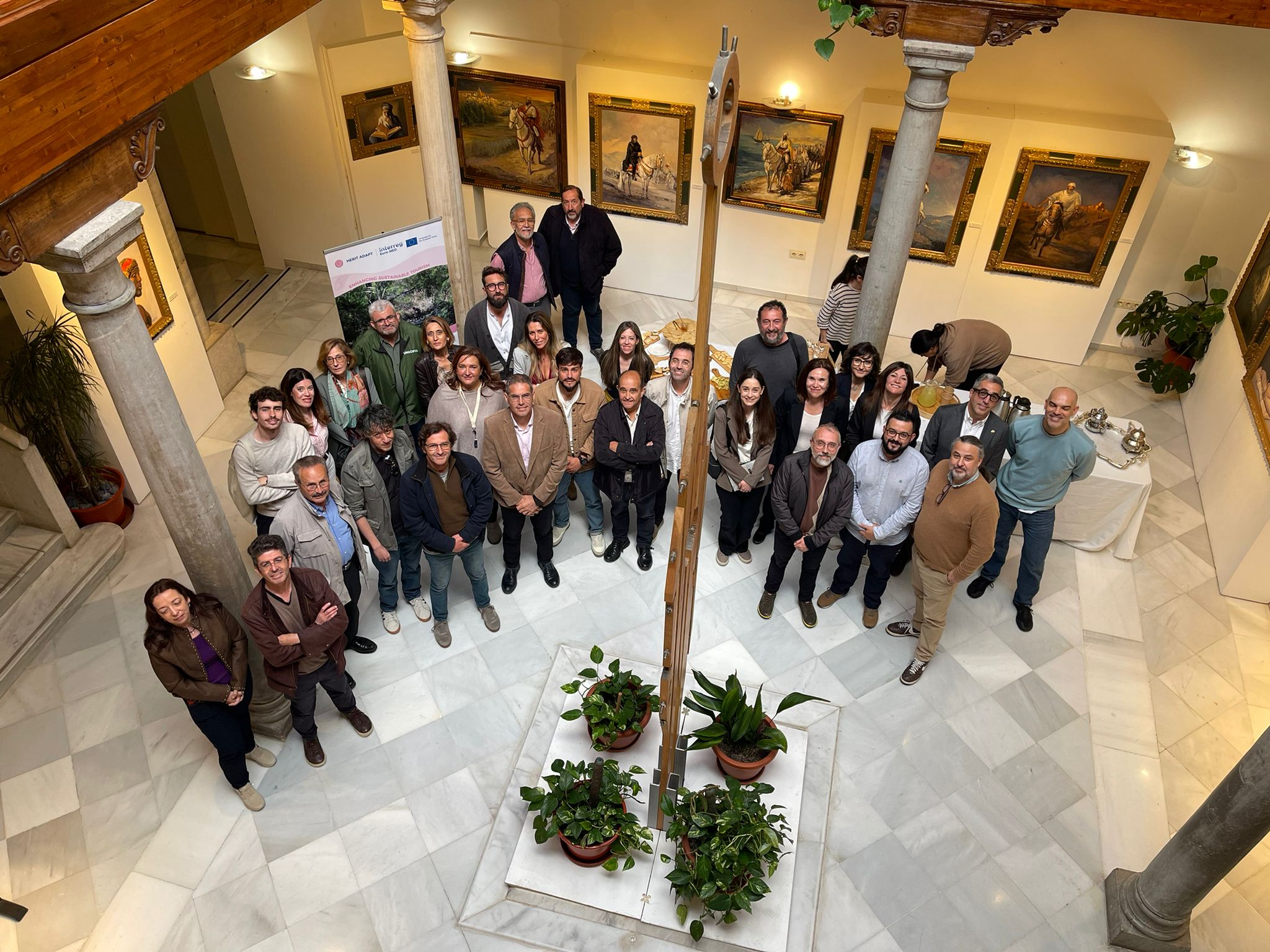
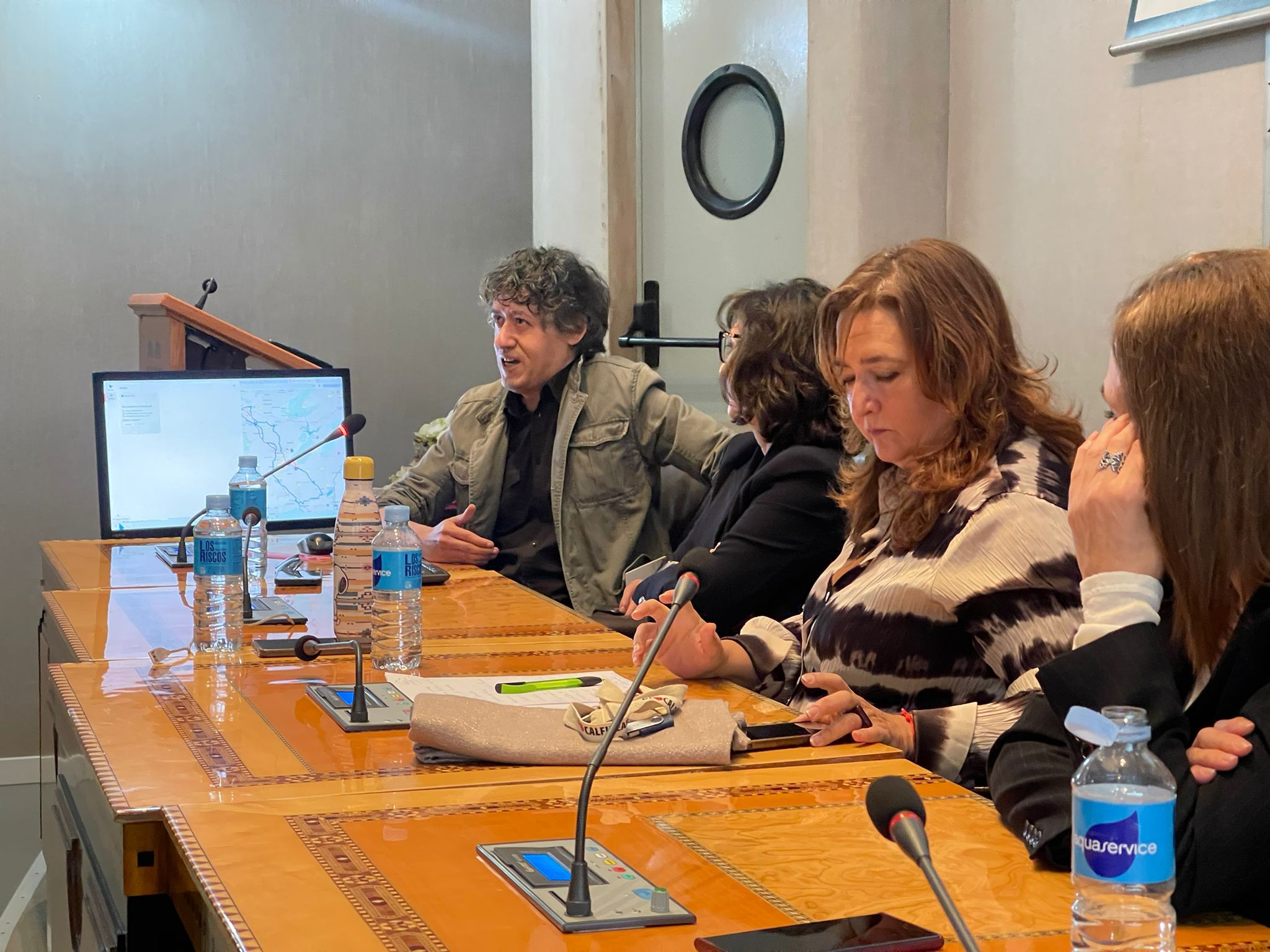
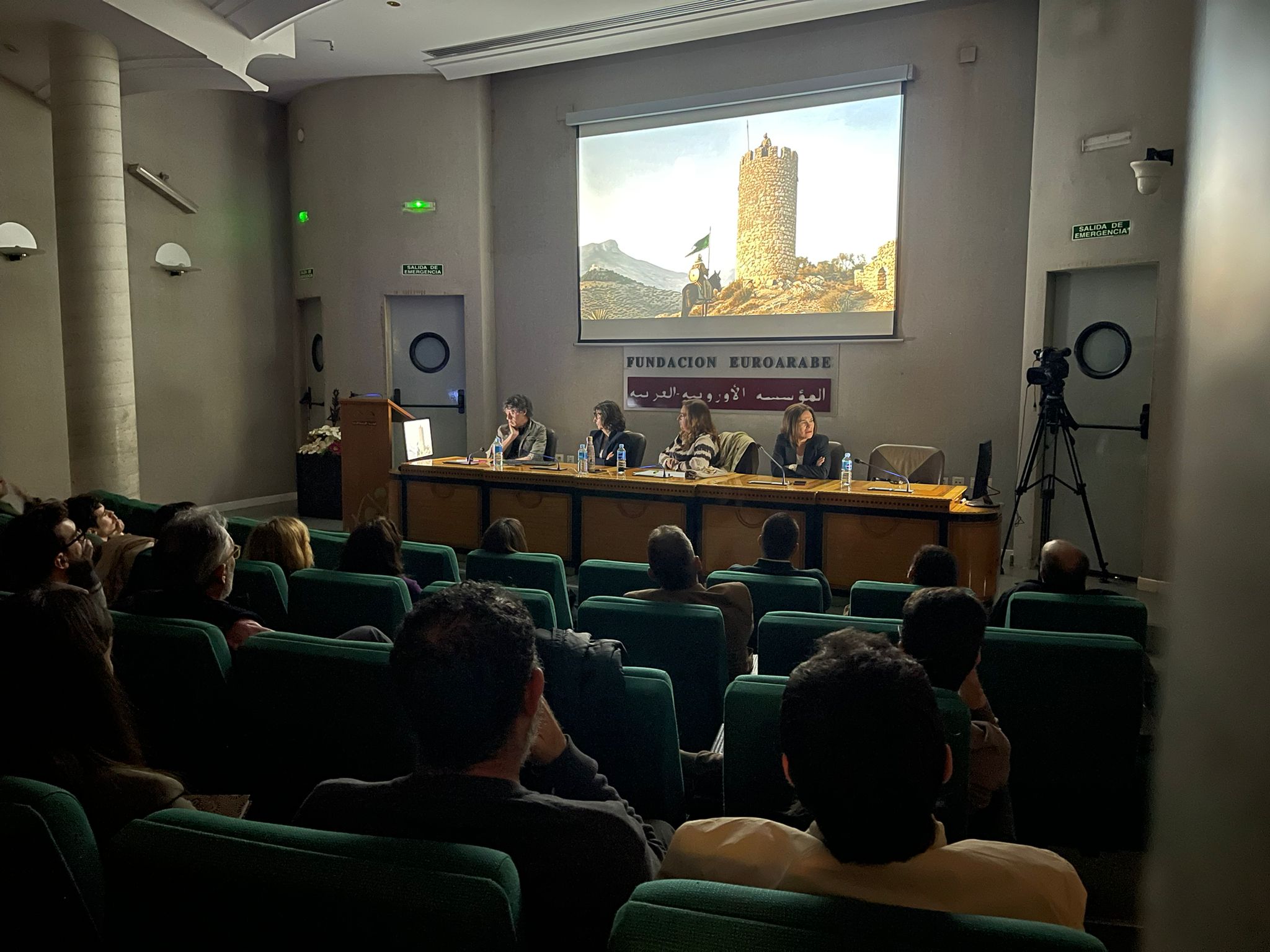
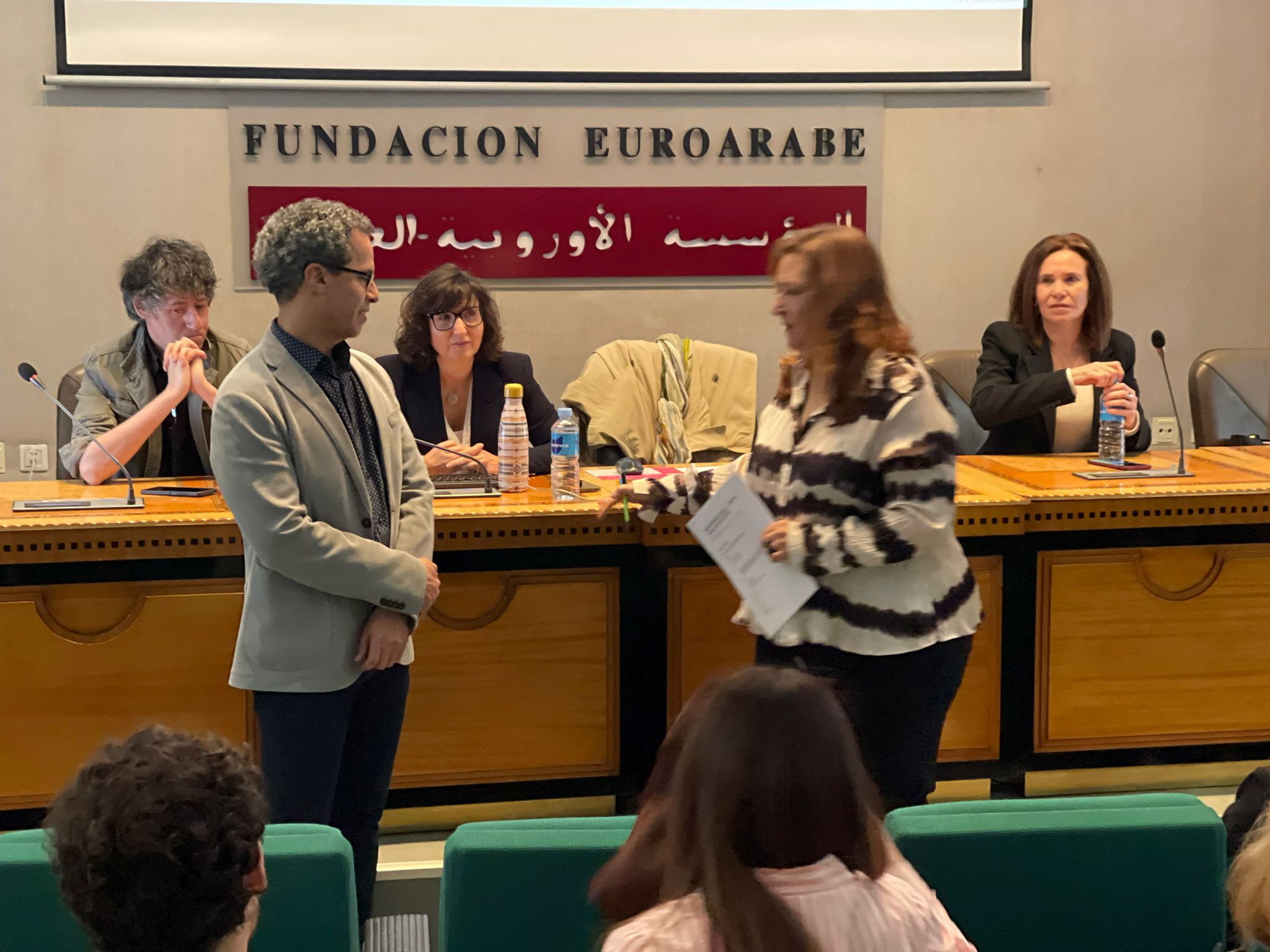
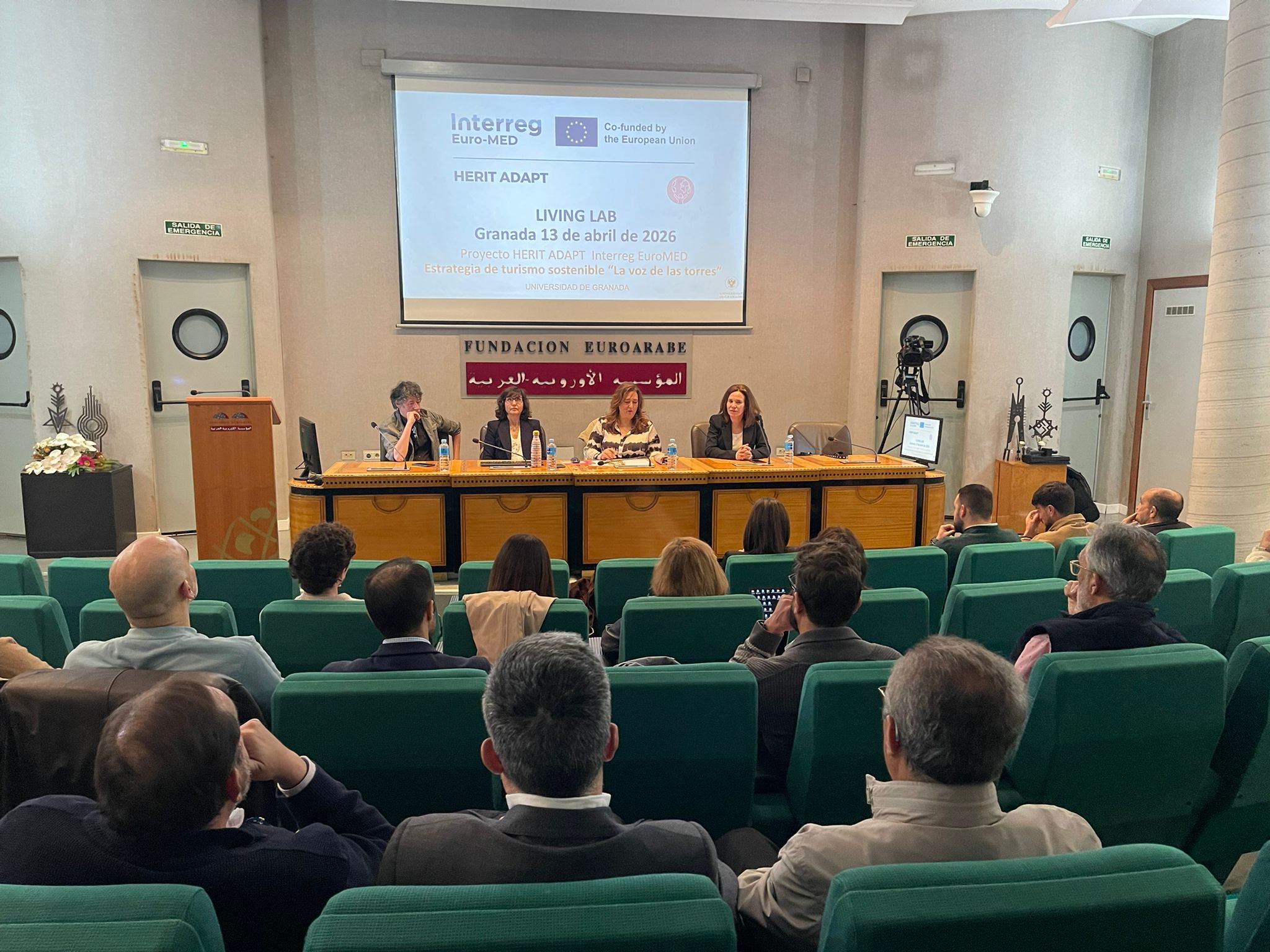
The European project HERIT ADAPT, in which the University of Granada participates, held a Living Lab session this Monday that brought together institutions, municipalities, and tourism sector stakeholders with the aim of advancing an innovative proposal focused on redistributing tourist flows towards the Western Granada area.
This Living Lab – a collaborative innovation methodology that enables the design, testing, and validation of solutions in real-life contexts through the joint participation of stakeholders – served to present a proposal based on audiovisual storytelling and so-called screen tourism. Under the concept The Voice of the Towers, the initiative establishes a symbolic and territorial connection between the Alhambra and the network of watchtowers, castles, and cultural landscapes of Western Granada. The goal is to activate these heritage resources and attract visitors to areas with lower tourism pressure, specifically the municipalities of Moclín, Íllora, and Montefrío.
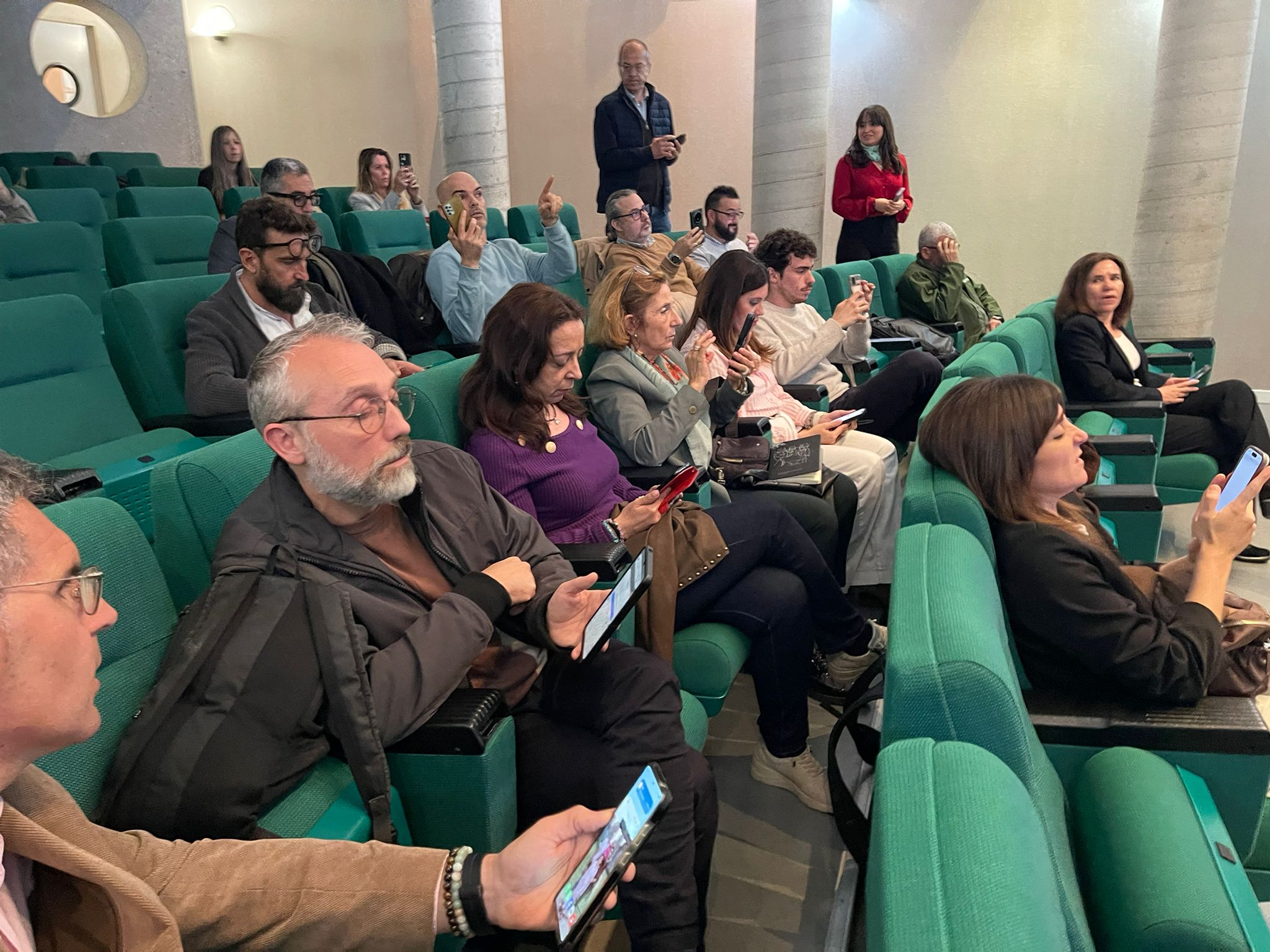
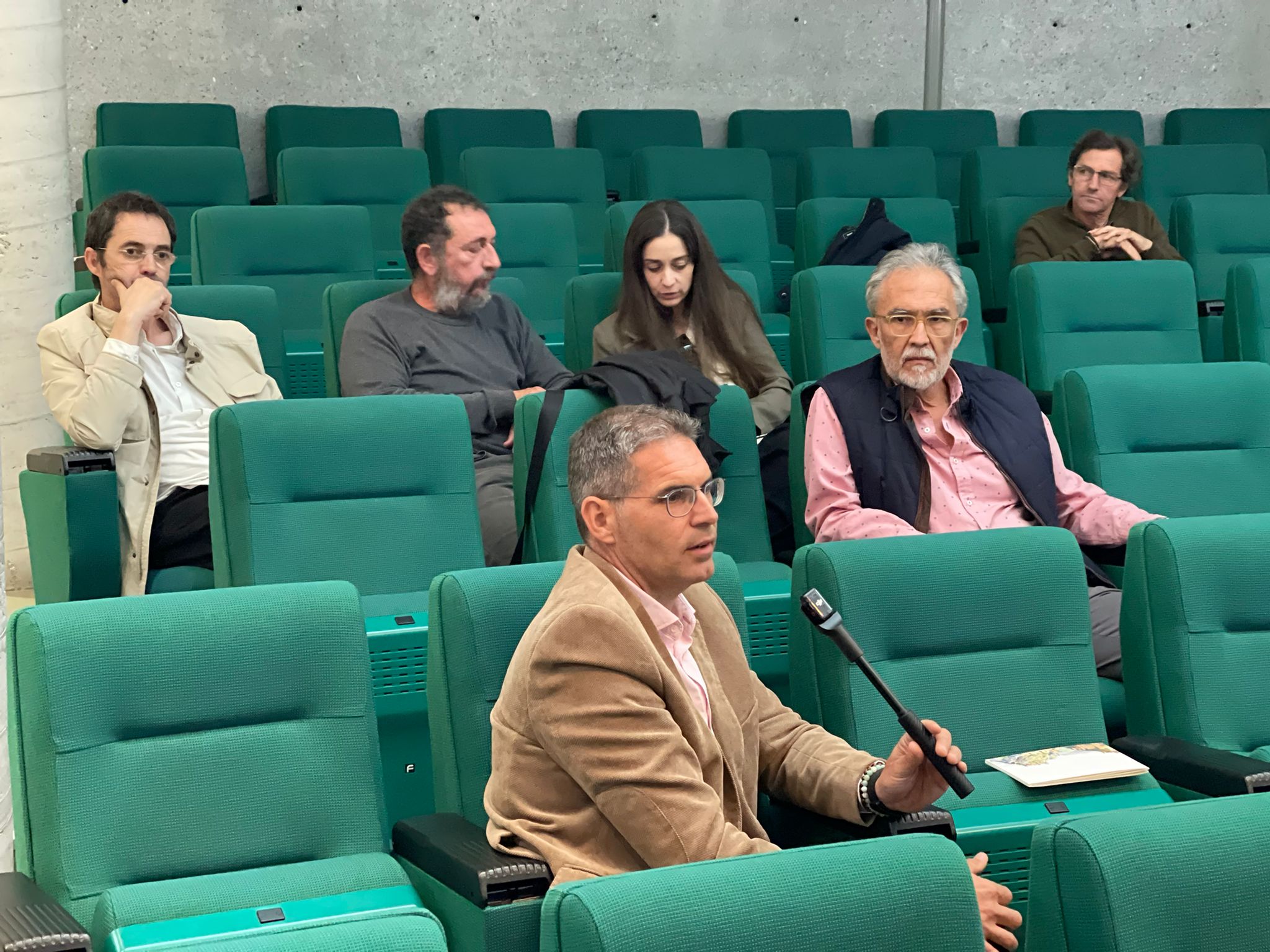
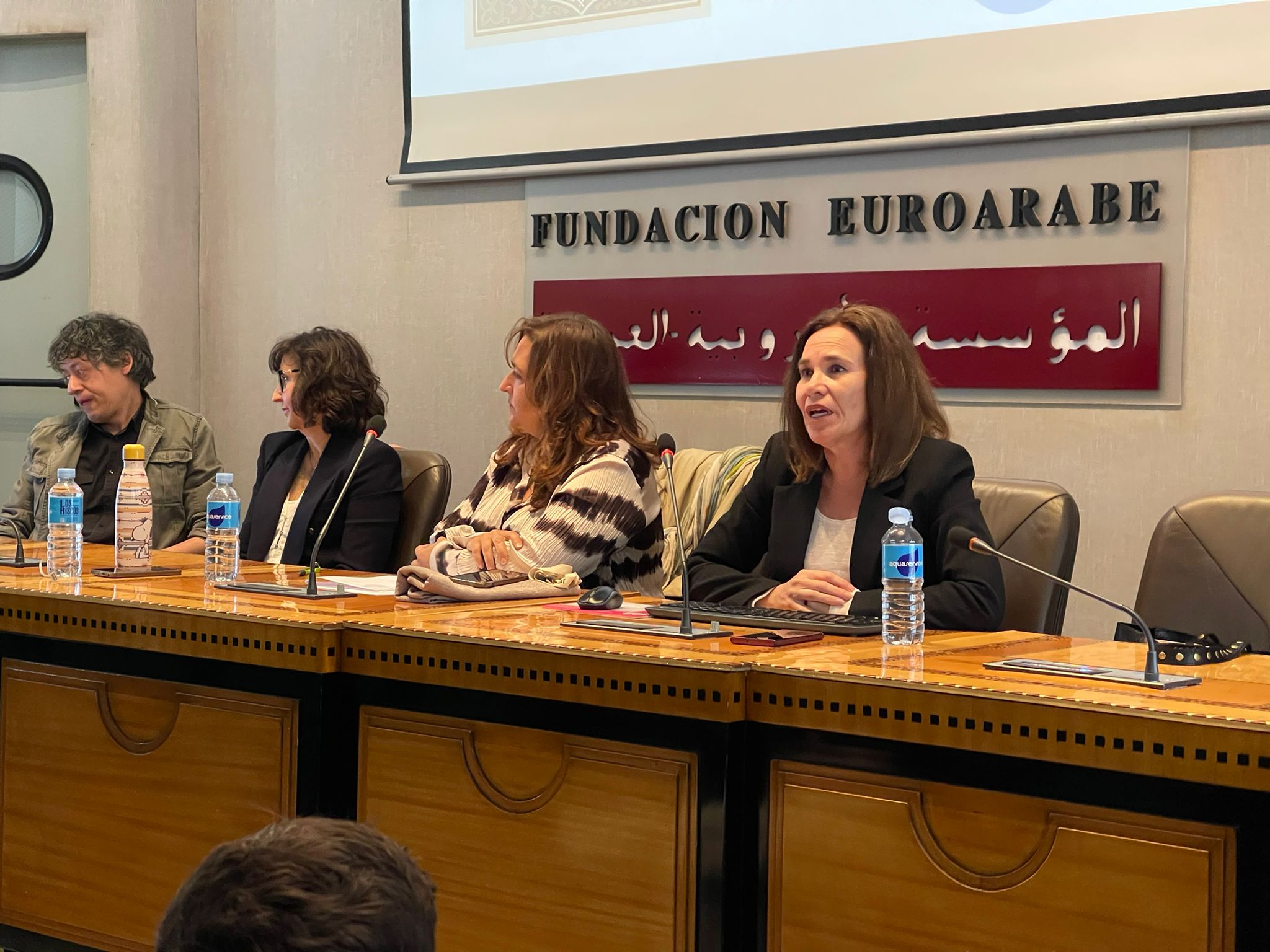
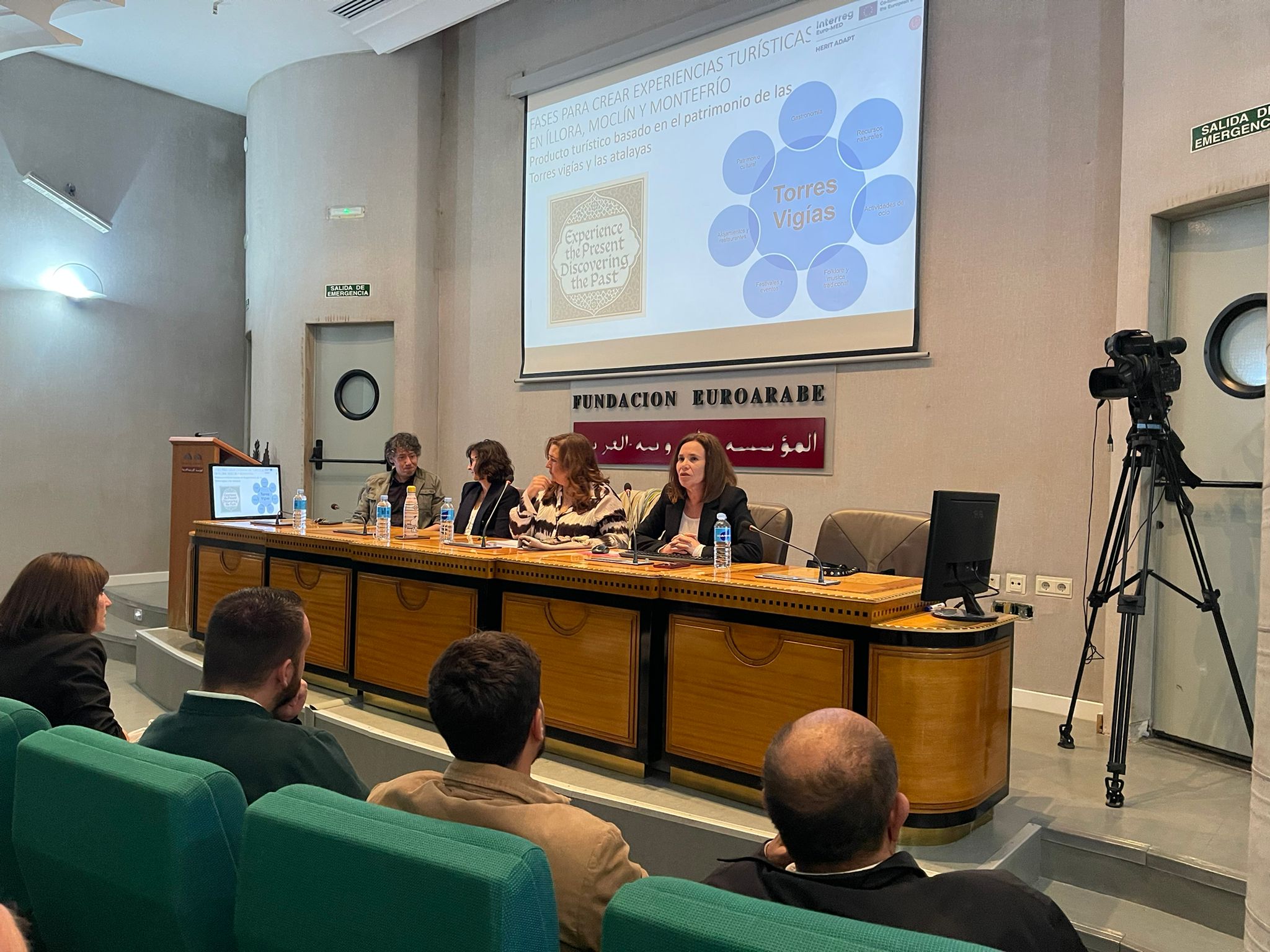
The session, held at the Euro-Arab Foundation, included the participation of the mayors of Íllora, Moclín, and Montefrío, representatives from the Alhambra and Generalife Board of Trustees, the Provincial Council of Granada, Granada City Council, the Vega Sierra Elvira Consortium, the Granada Federation of Hospitality and Tourism, the Social Council of the city of Granada, as well as various local associations—such as La Pileta (Íllora) and Almenara (Moclín). Tourism and
technology companies, UGR researchers, and cultural agents were also in attendance.
The objective of the meeting was to validate, together with local representatives, a proposal based on the concept of screen tourism, with the audiovisual series The Voice of the Towers as its central element. This series connects the Alhambra with the network of watchtowers and cultural landscapes of Western Granada, aiming to attract visitors to this less crowded area and contribute to a more balanced and sustainable tourism model.
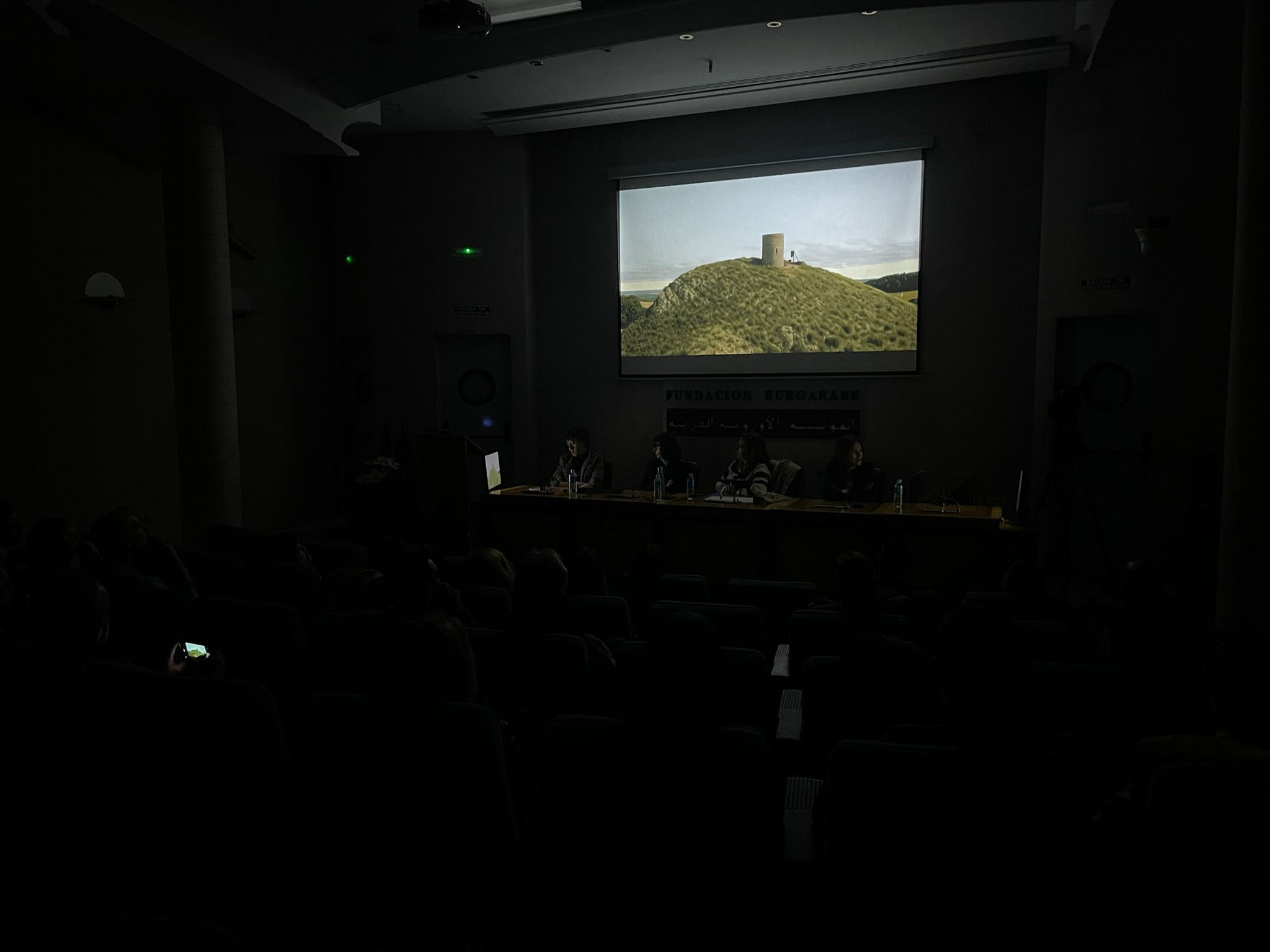
The session began with a presentation of the project—many attendees had already participated in its development—reviewing the territorial context, presenting the narrative strategy, and screening several episodes of The Voice of the Towers. The subsequent discussion, supported by various digital tools, allowed stakeholders to share their assessments and prioritize key elements of the future tourism product, incorporating these contributions into the final definition of the proposal.
In the case of Granada, the initiative is structured around the strategy The Voice of the Towers, a historical production that recreates and fictionalizes events from five centuries ago. It establishes a narrative link between the watchtowers and lookout points of Western Granada and the “mother tower,” the Tower of the Vela at the Alhambra, which plays a central role in the storyline. At the same time, the series builds a coherent territorial narrative that allows the whole to be interpreted as a unified and attractive heritage network for visitors.
The strategy proposed by HERIT ADAPT aims to attract visitors to Western Granada through the creation of thematic routes linked to the audiovisual series, integrating heritage, landscape, hiking, gastronomy, and local offerings. The project combines digital dissemination of episodes with on-site tourism experiences—such as marked routes, interpretation points, and cultural activities—to encourage visitors to extend their stay in Granada towards municipalities like Íllora, Moclín, and Montefrío. In this way, it seeks to stimulate the local economy, diversify the province’s tourism offer, and contribute to a more balanced and sustainable model.
HERIT ADAPT is a European project under the Interreg Euro-MED program, involving eleven partners from the Mediterranean region. It aims to develop innovative strategies to mitigate the effects of climate change on tourism in the
Mediterranean, providing solutions that can be shared and tested across different pilot sites selected by each partner.
Contact: Ana García López – agarcial@ugr.es
Coordinardora UGR del proyecto Herit Adapt