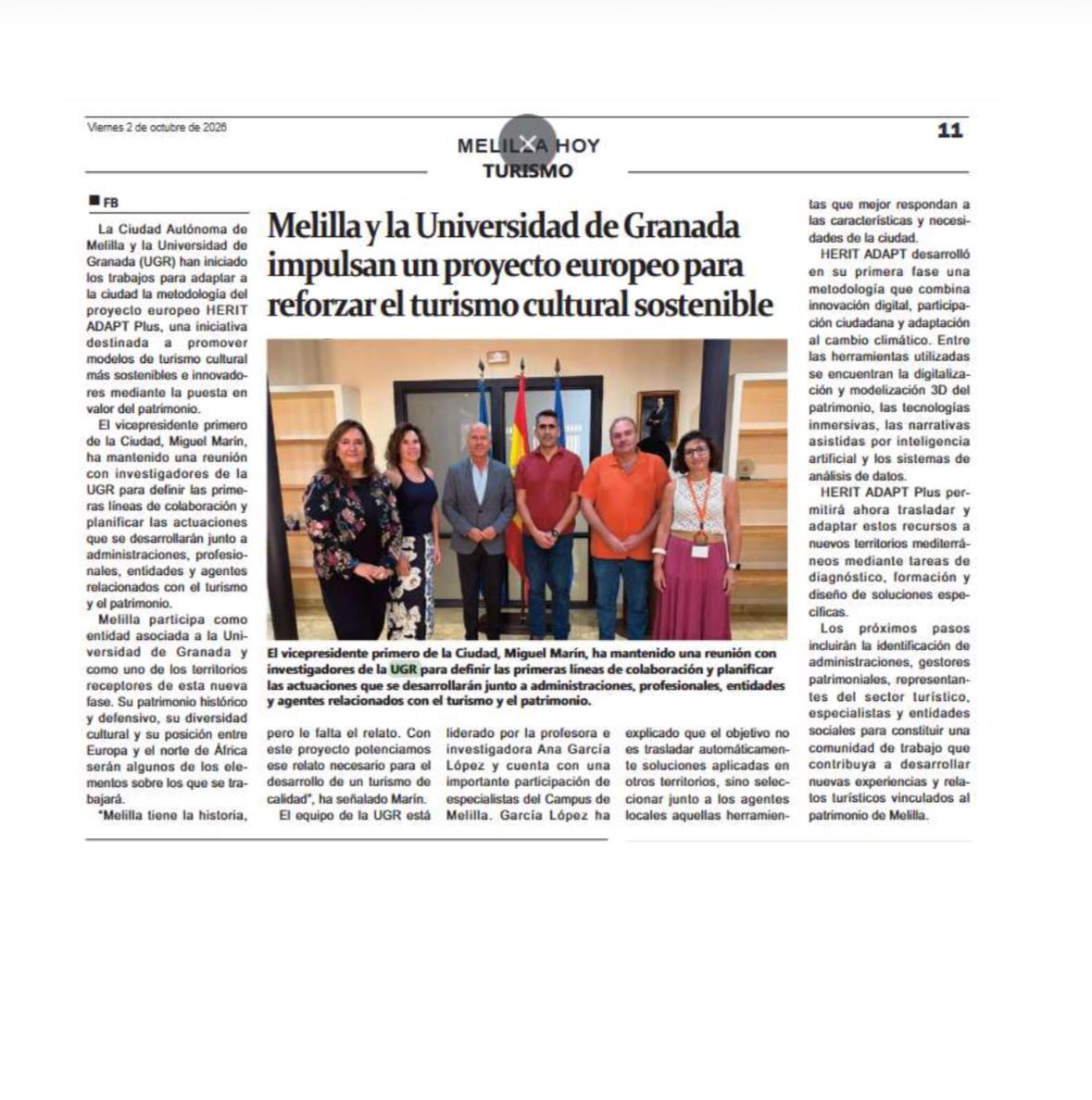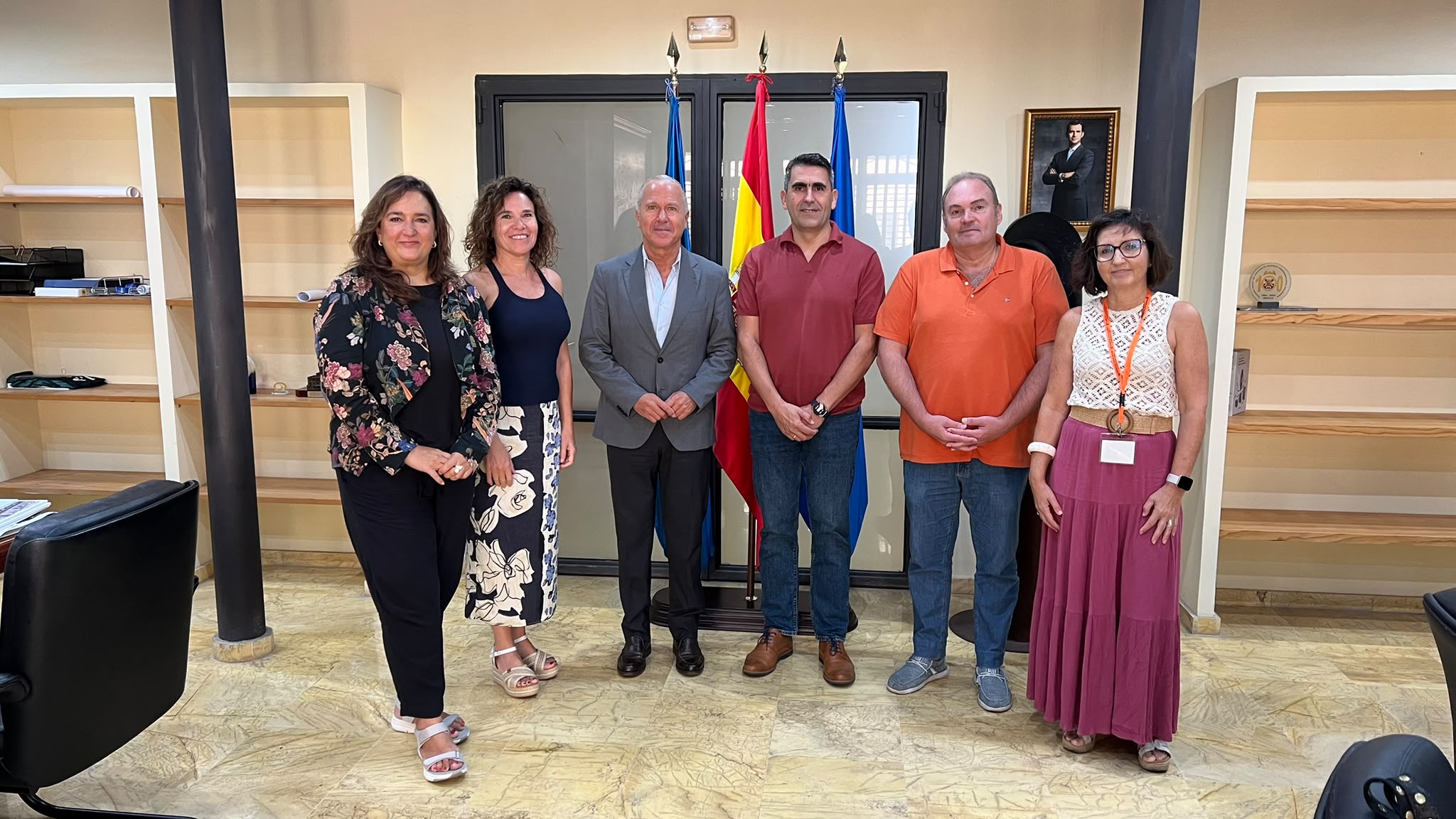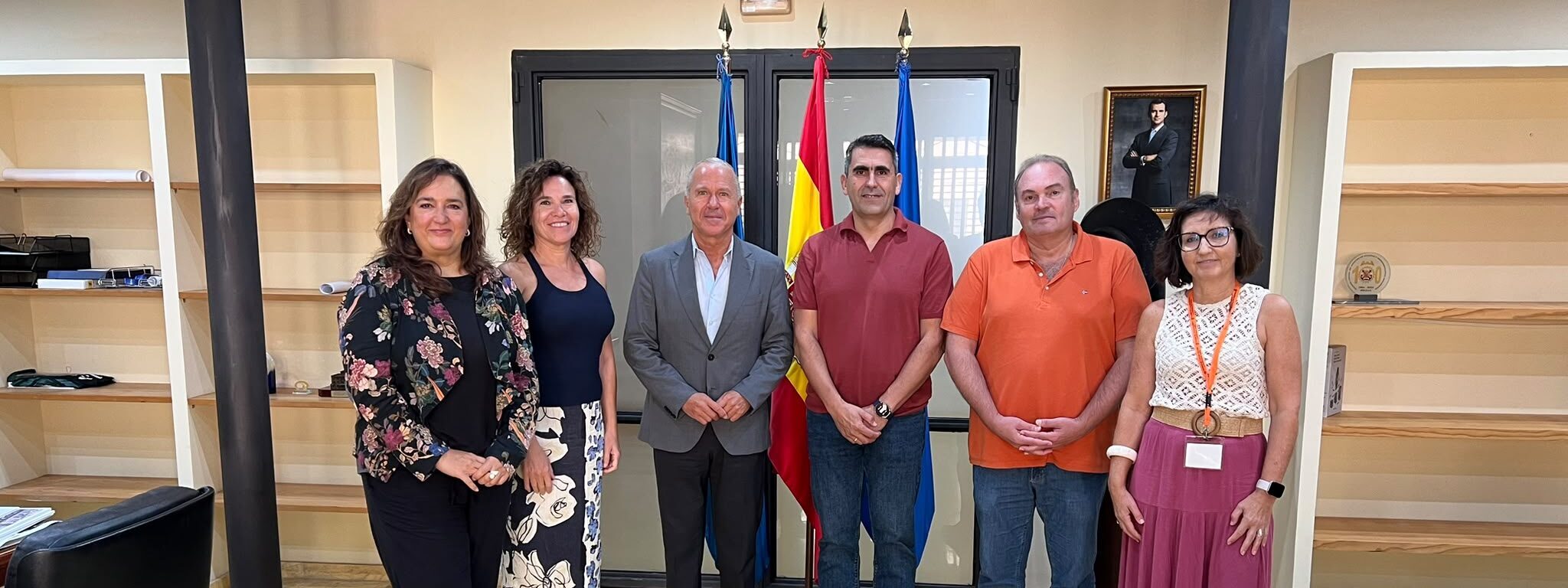

The meeting marked an important step towards adapting the HERIT ADAPT methodology to Melilla, combining cultural heritage, innovation, stakeholder engagement and sustainable tourism.
The Autonomous City of Melilla and the University of Granada have taken a first institutional step towards adapting the HERIT ADAPT methodology to the city, within the new transfer phase of the European HERIT ADAPT project, funded by the Interreg Euro-MED Programme.
The First Vice-President of the Autonomous City of Melilla, Miguel Marín Cobos, met with a delegation from the University of Granada to discuss Melilla’s participation in this new phase and to define the first lines of cooperation between the local authorities and the UGR team.
The University of Granada’s participation in HERIT ADAPT is led by Ana García López, UGR professor and project lead at the institution. The wider UGR team is multidisciplinary and includes researchers from different fields and centres in both Granada and Melilla. The meeting with the First Vice-President was attended, together with Ana García López, by Juan Antonio Marmolejo Martín, Dean of the Faculty of Social Sciences and Digital Technologies in Melilla; José Alberto Castañeda García, Dean of the Faculty of Economics and Business Studies in Granada; Dolores María Frías Jamilena, Director of IATUR-Granada; and Pilar Ibarrondo Dávila, Professor at the Faculty of Economics and Business Studies.
Melilla participates in HERIT ADAPT as an Associated Partner of the University of Granada and as one of the project’s receiver territories. Its unique geographical position between Europe and North Africa, together with its intercultural identity and rich historical and defensive heritage, make the city a particularly relevant context for exploring new approaches to sustainable cultural tourism.
During its first phase, HERIT ADAPT developed and validated a methodology and a Sustainable Tourism Model aimed at improving the management of heritage destinations by combining digital innovation, citizen participation and climate change adaptation. The project also developed several use cases, including 3D digitisation and modelling, immersive technologies, AI-supported storytelling and data-driven monitoring tools.
HERIT ADAPT now focuses on transferring and adapting this methodology to new Mediterranean territories. Rather than simply replicating previous pilot actions, the transfer process is based on identifying local needs, assessing territorial conditions, adapting suitable tools and strengthening local capacities through training and stakeholder engagement.
During the meeting, the partners discussed the main steps that will guide the transfer process in Melilla: identifying a relevant heritage asset or context, assessing the main tourism and heritage-related challenges, selecting the most suitable HERIT ADAPT tools and approaches, and training local stakeholders so that they can apply the methodology autonomously.
Miguel Marín Cobos, First Vice-President of the Autonomous City of Melilla, highlighted the value of the collaboration:
“The Autonomous City needs this support from the University and Euro-MED to foster high-quality sustainable tourism that is sensitive to Melilla’s strong identity. Melilla has the history, but it still needs the story. Through this project, we can strengthen that narrative, which is essential for the development of quality tourism.”
Ana García López stressed that “the aim is not to transfer solutions automatically from one territory to another, but to work together with local institutions and stakeholders to identify which tools are most relevant to their specific needs, opportunities and objectives.”
One of the next steps will be to identify the key local stakeholders who should take part in the process, including public authorities, heritage managers, the University, tourism professionals, experts and civil society representatives. The objective is to progressively establish a stable local working group or Community of Practice that can accompany the transfer process and contribute to adapting the HERIT ADAPT methodology to Melilla’s specific context.
The University of Granada will play a particularly active role in this process as a giver partner and innovation facilitator, contributing expertise in heritage, sustainable tourism, territorial engagement, design, digital technologies and audiovisual storytelling. UGR also leads the New Generation Euro-MED Academy activity, which will develop training materials, MOOCs, practical guidelines and knowledge-transfer resources for the project’s receiver territories.
The meeting therefore represents an important first institutional step in the HERIT ADAPT transfer process in Melilla, which will continue over the coming months through local working sessions, training activities and collaboration with the city’s key stakeholders.
Source: Canal UGR | Noticias, convocatorias, eventos de la Universidad de Granada
Relevant links (Spanish language):
News published by Canal UGR: Click Here
News published by IATUR – the Andalusian Institute for Research and Innovation in Tourism: Click here