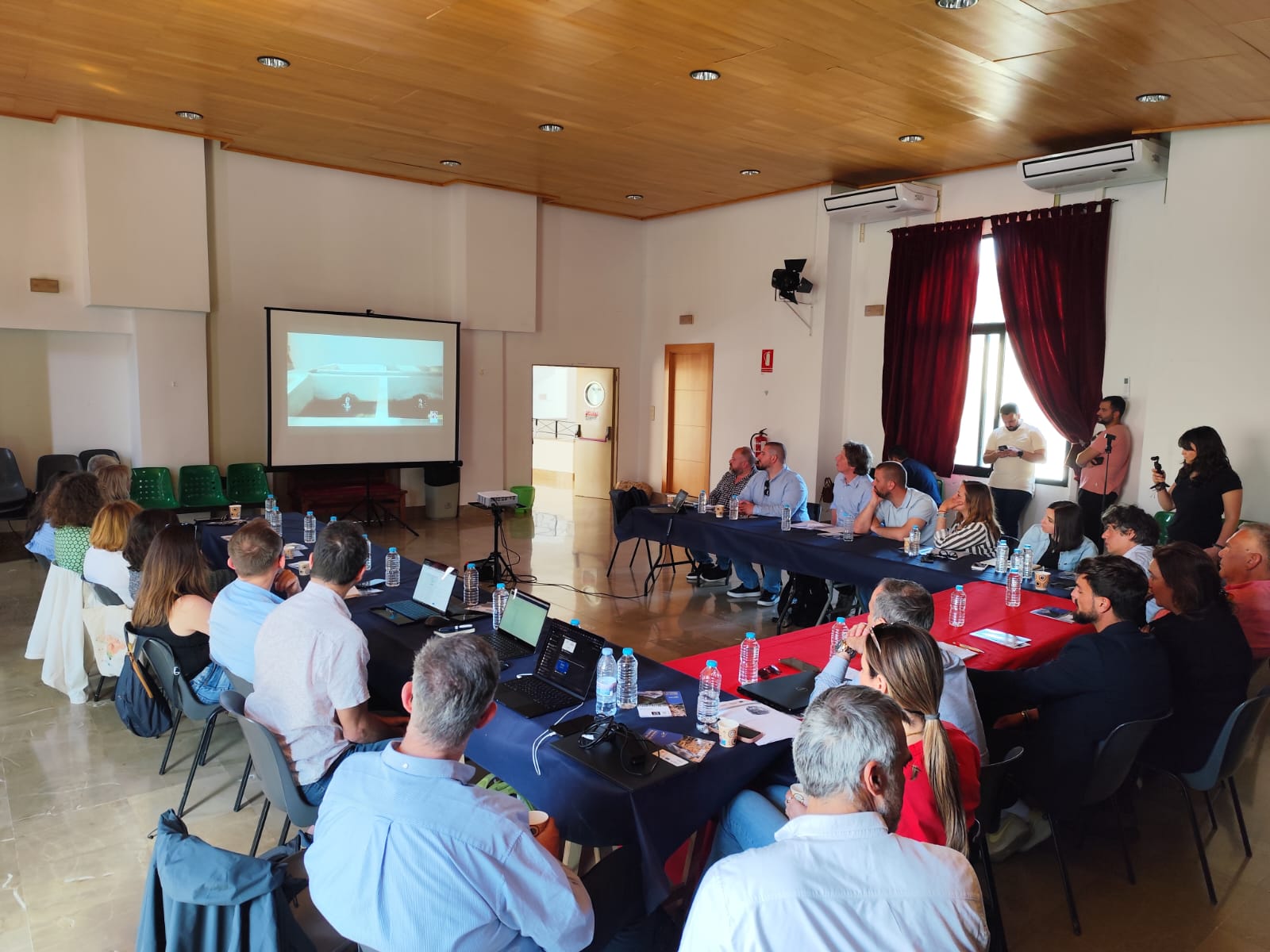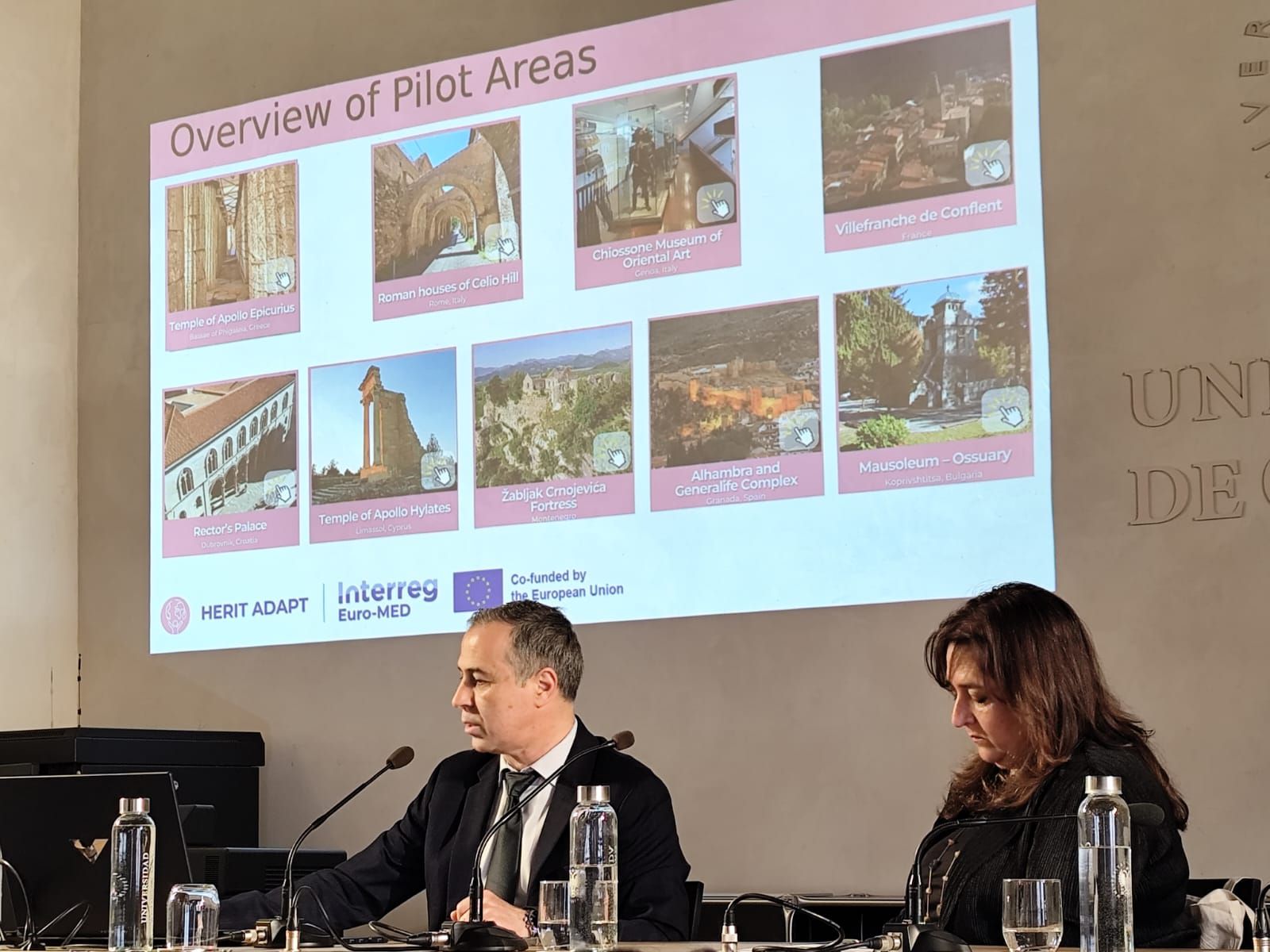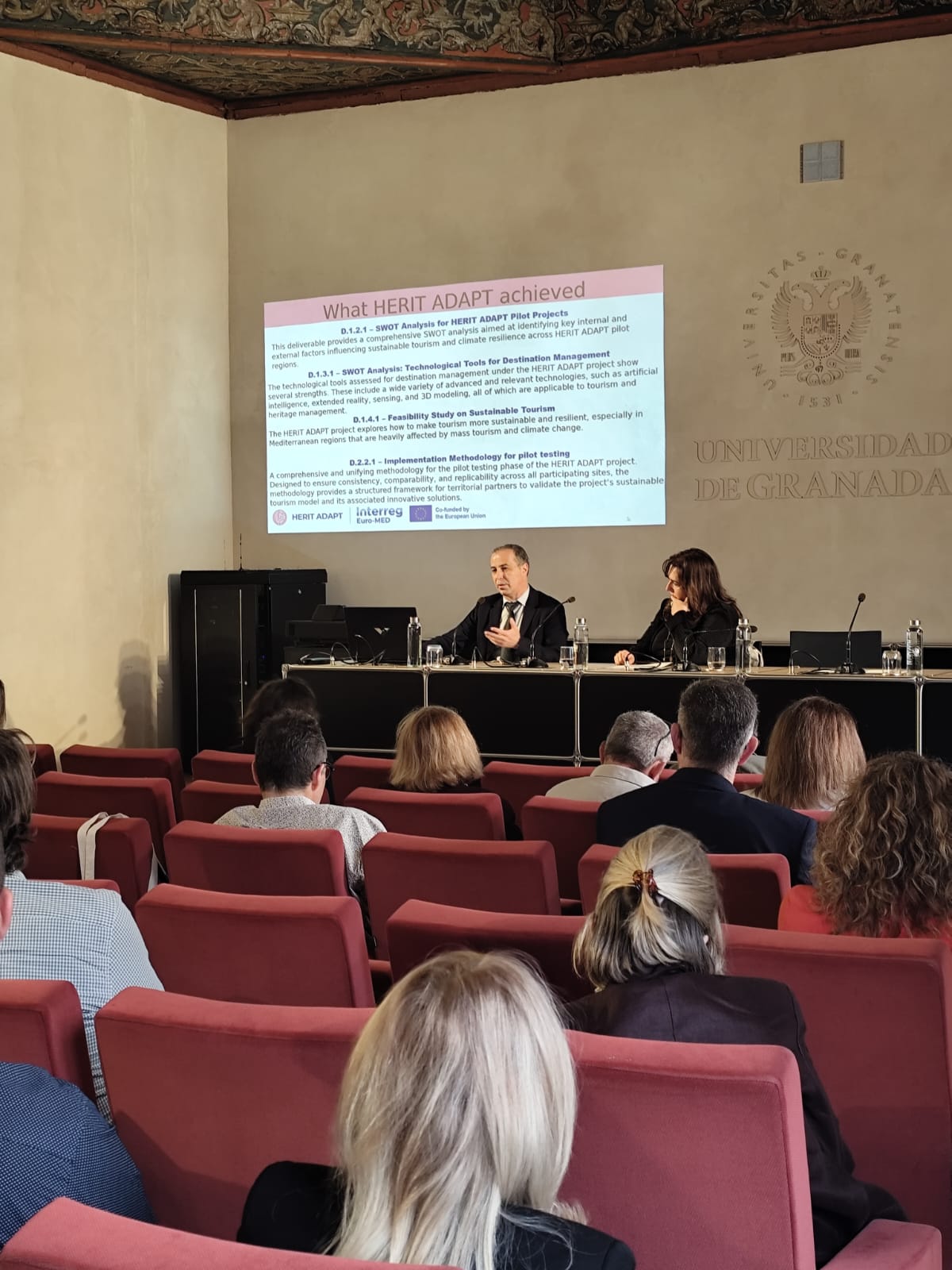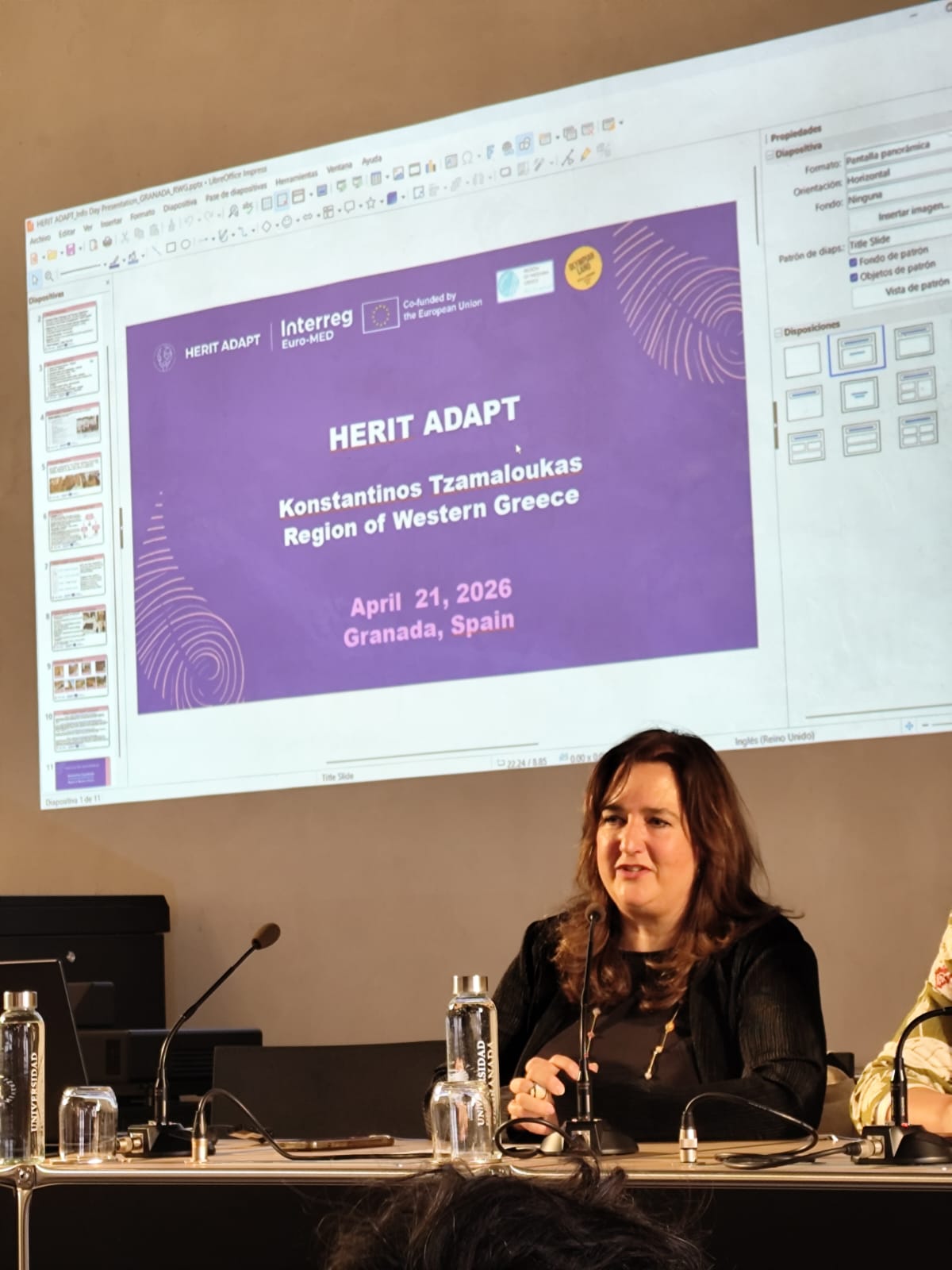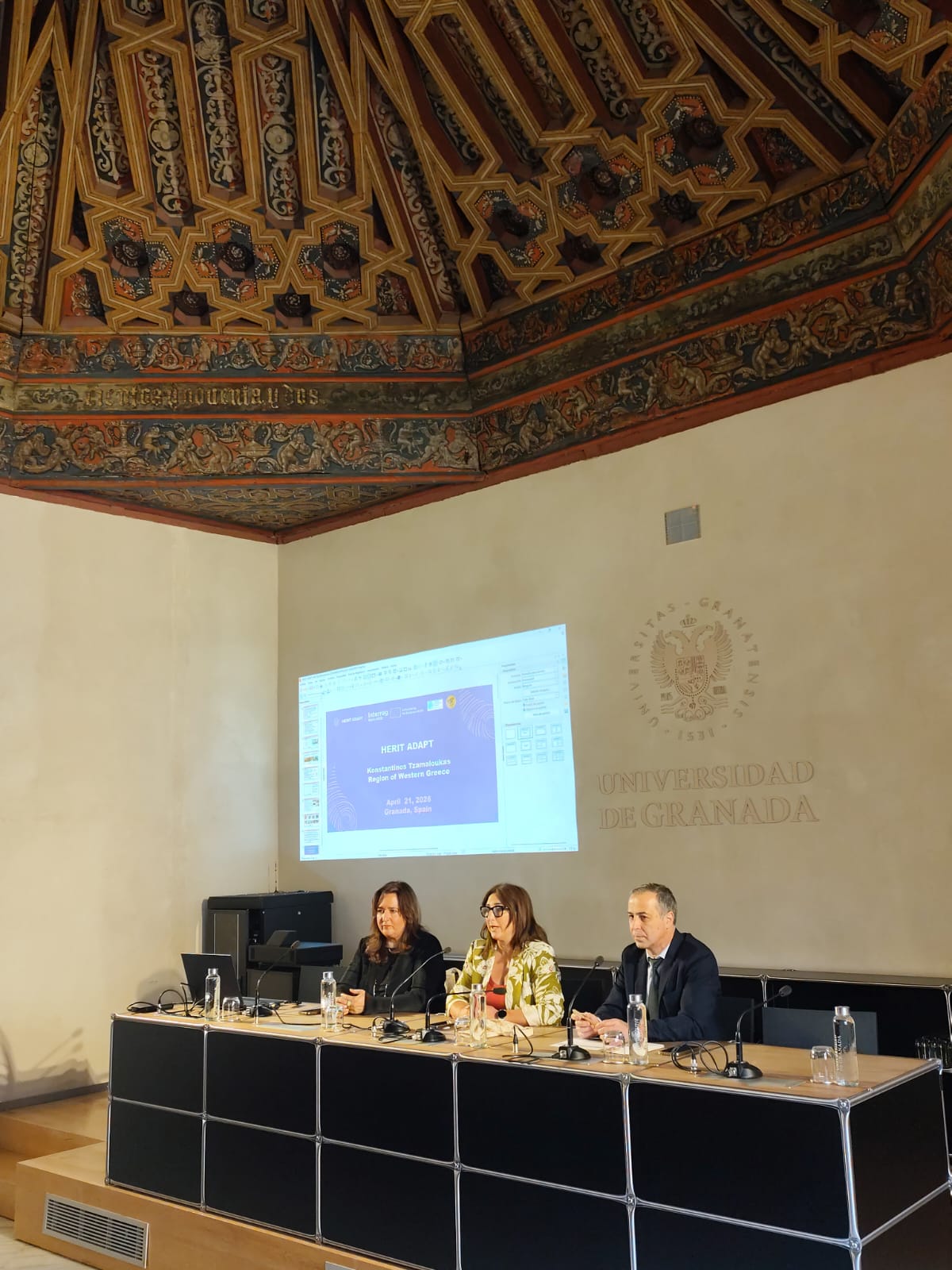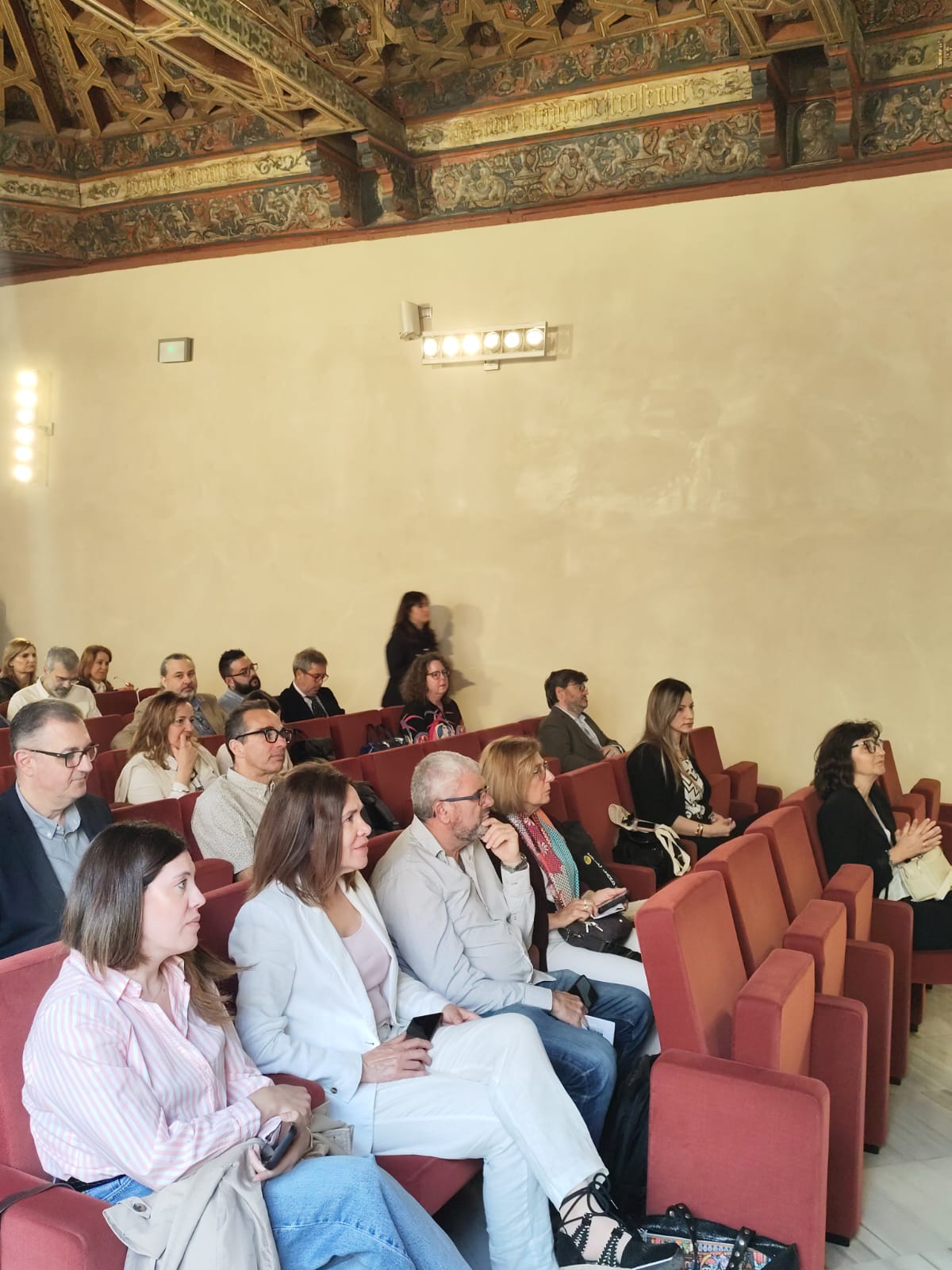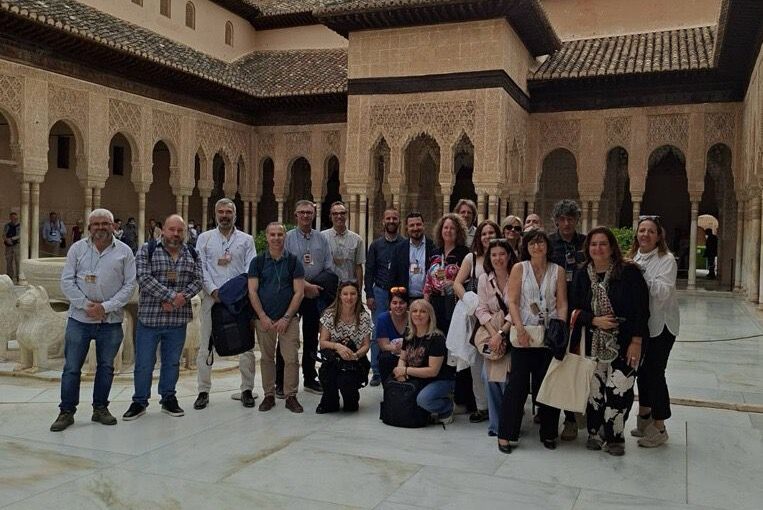

The University of Granada, together with the municipalities of Moclín, Íllora and Montefrío, welcomed HERIT ADAPT partners in a 2- day event focusing on new tourism models and the adaptation of cultural heritage to climate change.
Western Granada has become an international laboratory for heritage innovation through the exchange of best practices, institutional cooperation and the transfer of sustainable solutions. During 21-22 April, it served as an international meeting point for HERIT ADAPT, bringing together universities, public administrations, experts and heritage organisations from across Mediterranean countries.
During the meeting, the hosts focused on the transfer of best practices, the design of sustainable tourism products and the strengthening of institutional cooperation at a European level.
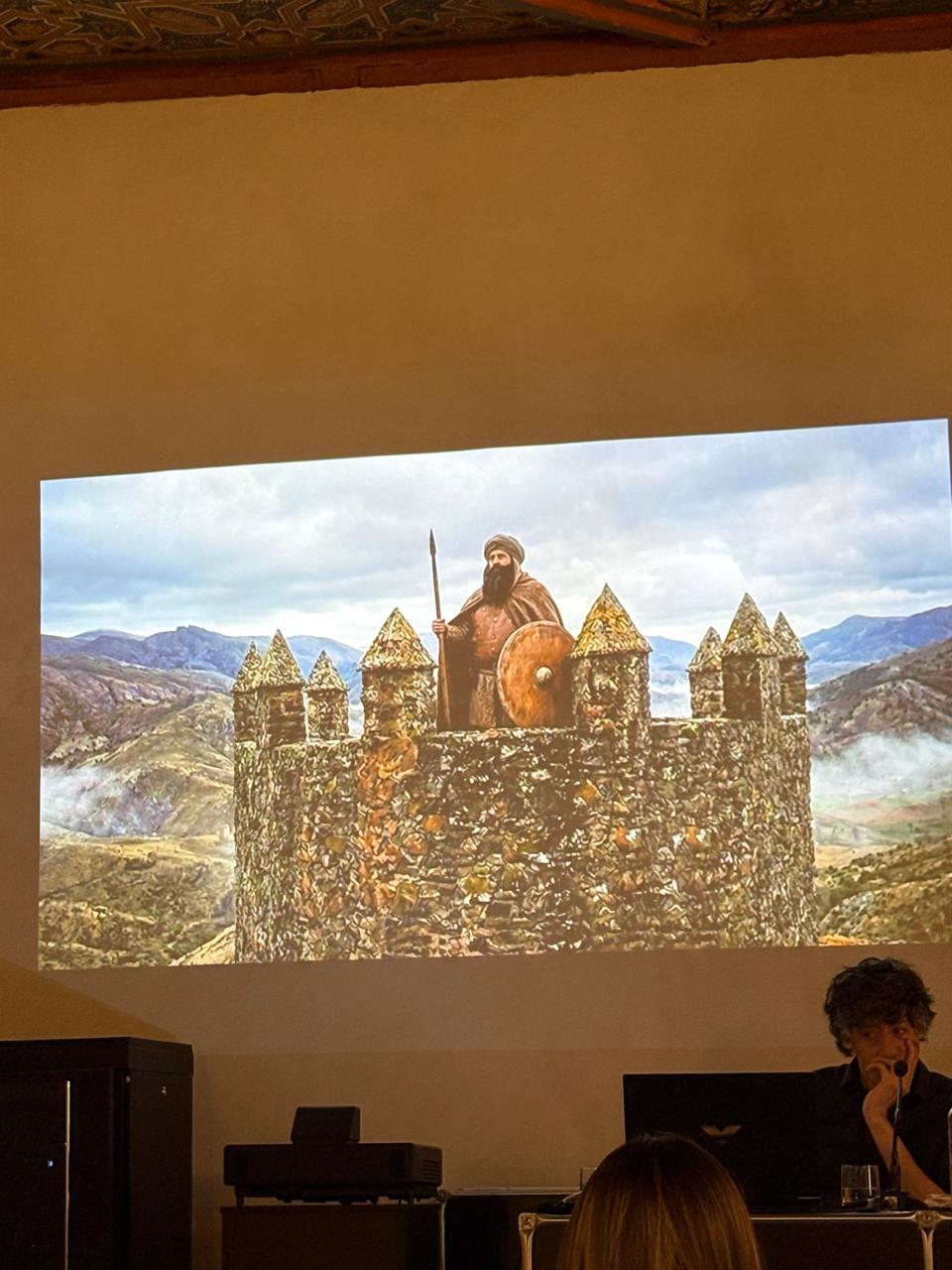
One of the key milestones was the presentation of the Spanish pilot project La Voz de las Torres (“The Voice of the Towers”), developed in Granada as an innovative proposal linking defensive heritage, historical narrative, digitalisation and sustainable tourism experiences. Developed by the University of Granada in collaboration with technology partners, the project showcased progress in interpretive content, thematic chapters and an interactive digital guide. This initiative positions the province as a European benchmark in activating monumental heritage for tourism based on sustainability, territorial identity and technological innovation.
The event also reinforced one of the core principles of HERIT ADAPT: the future of European heritage is also shaped in small and medium-sized municipalities, where cultural preservation and activation can become effective tools against depopulation and drivers of local employment.
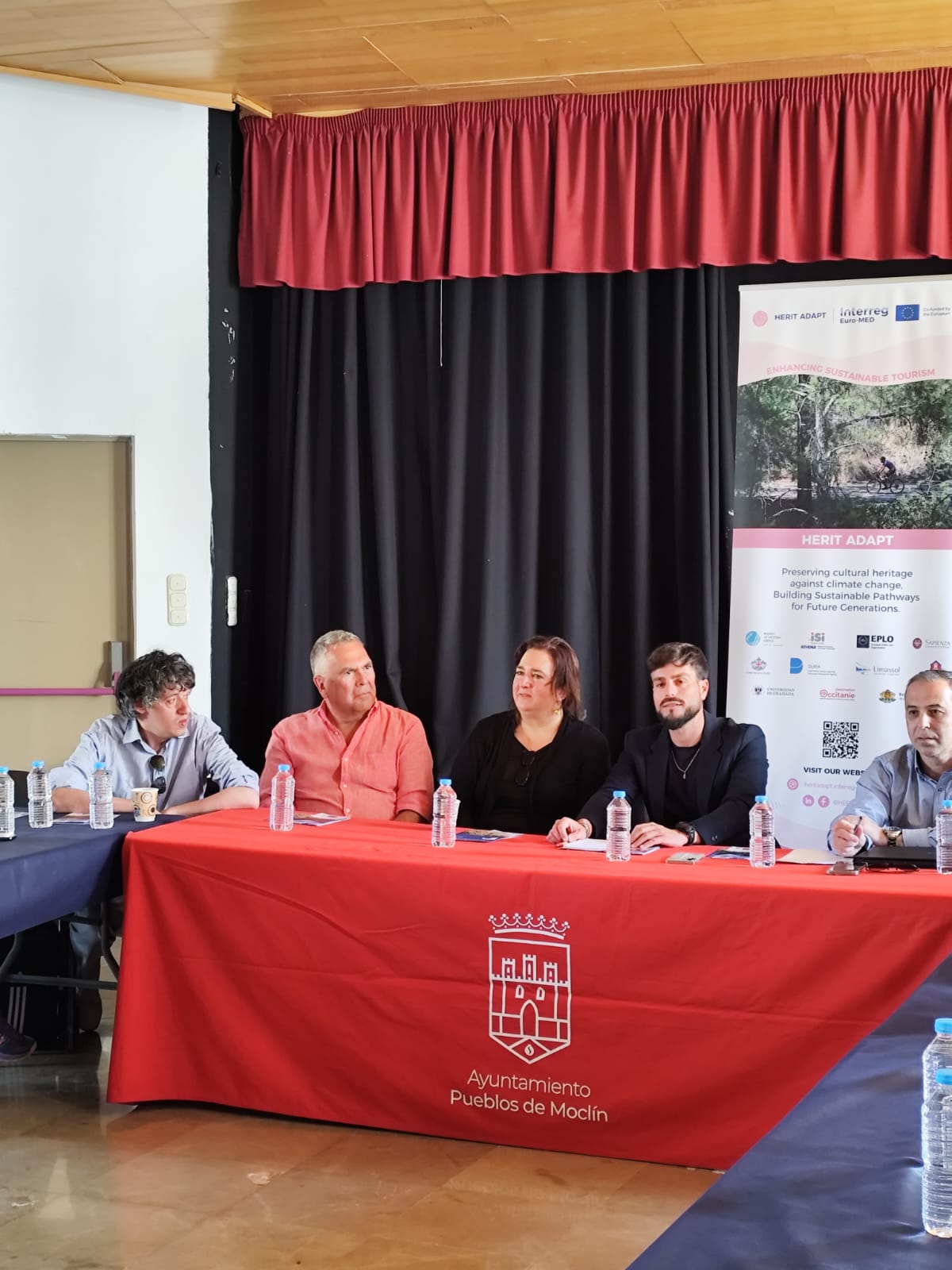
The institutional session brought together key stakeholders from Granada’s cultural and tourism ecosystem, consolidating a strategic alliance between HERIT ADAPT and leading regional actors. Participants included the Granada 2031 European Capital of Culture Consortium, represented by its director Pilar Tassara; the Alhambra and Generalife Council, through representatives from its conservation department; the Provincial Council of Granada, via officials responsible for territorial development and tourism; the Andalusian Public Foundation El Legado Andalusí, a leading organisation in cultural routes; and associated entities such as the Vega Sierra Elvira Consortium.
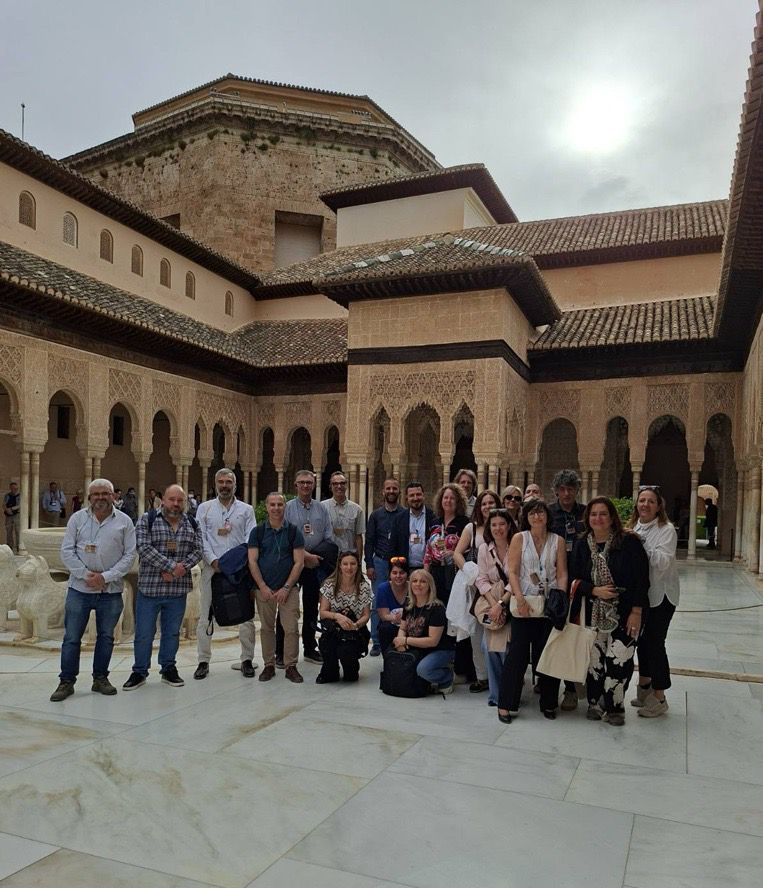
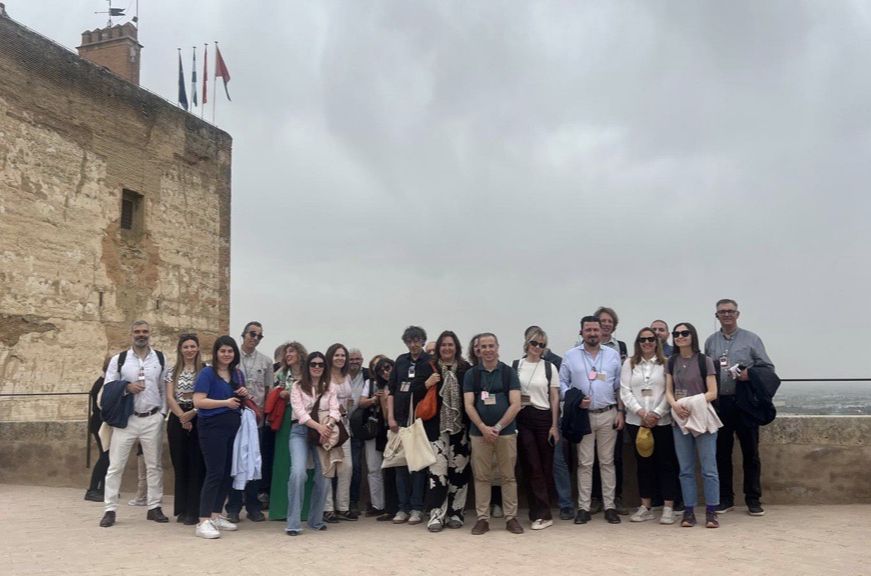
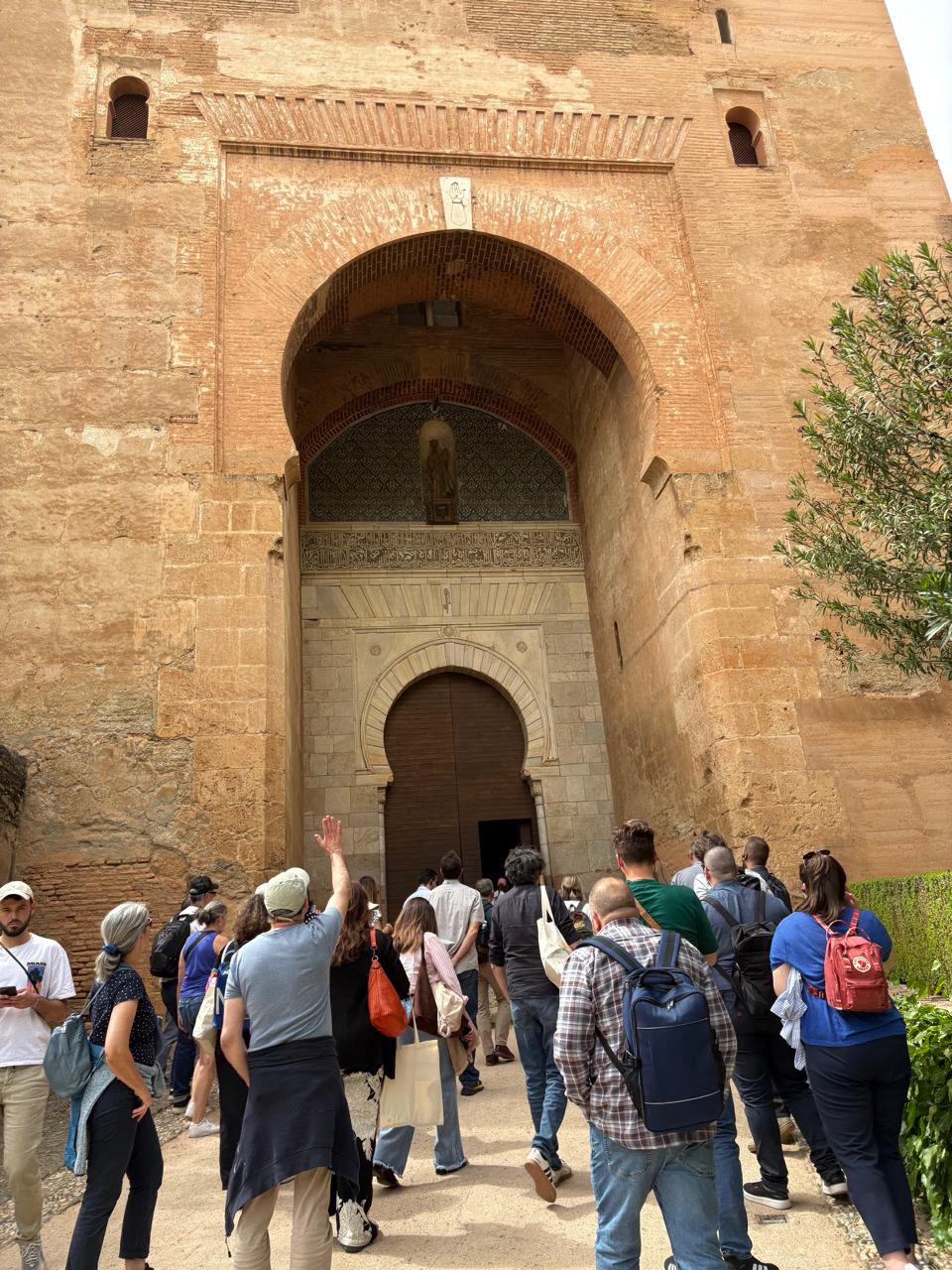
International researchers also carried out a visit to the Alhambra, gaining first-hand insight into one of the world’s most renowned models of heritage management, preventive conservation and the balance between tourism use and cultural protection. The inclusion of the Nasrid monument in the programme highlighted Granada’s role as a reference space for testing new heritage policies.
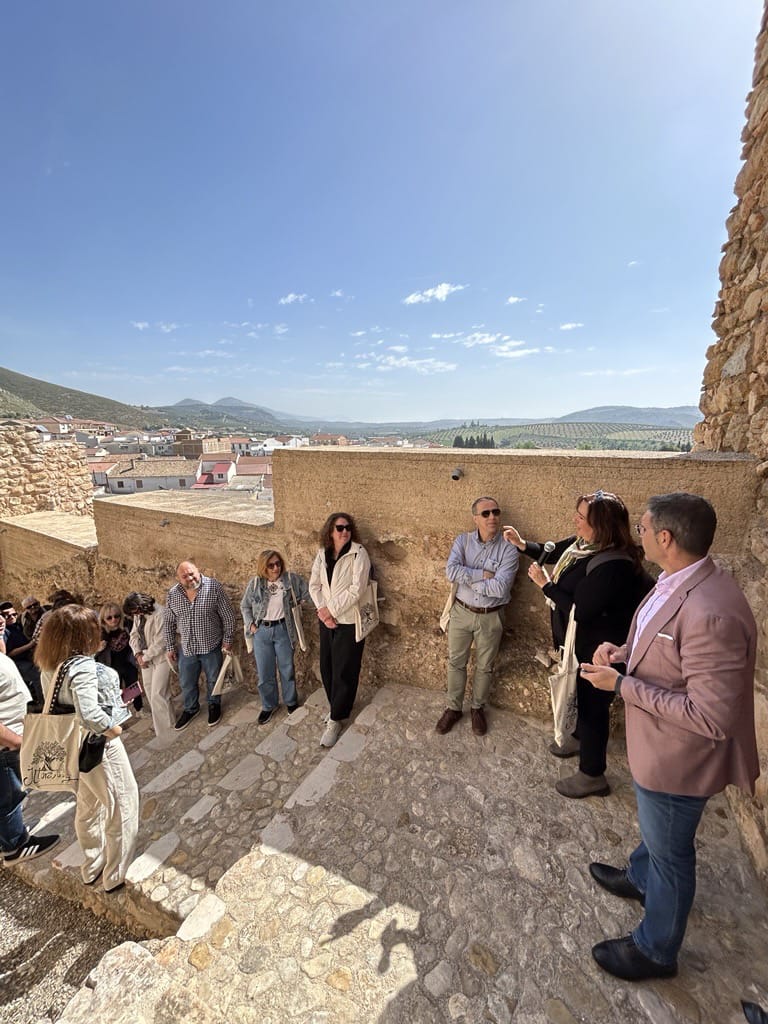
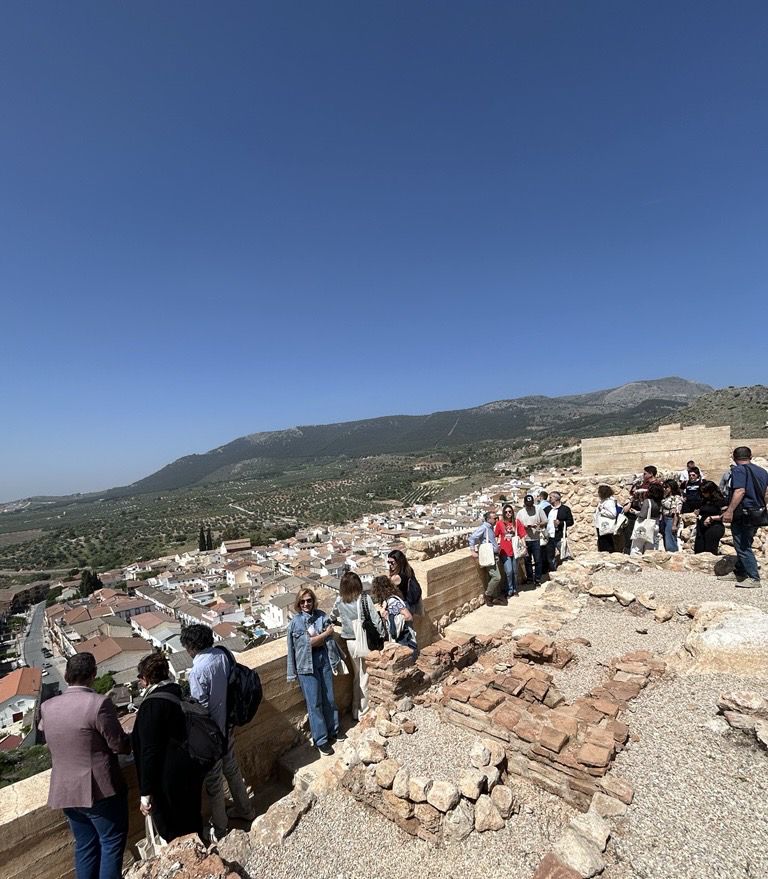
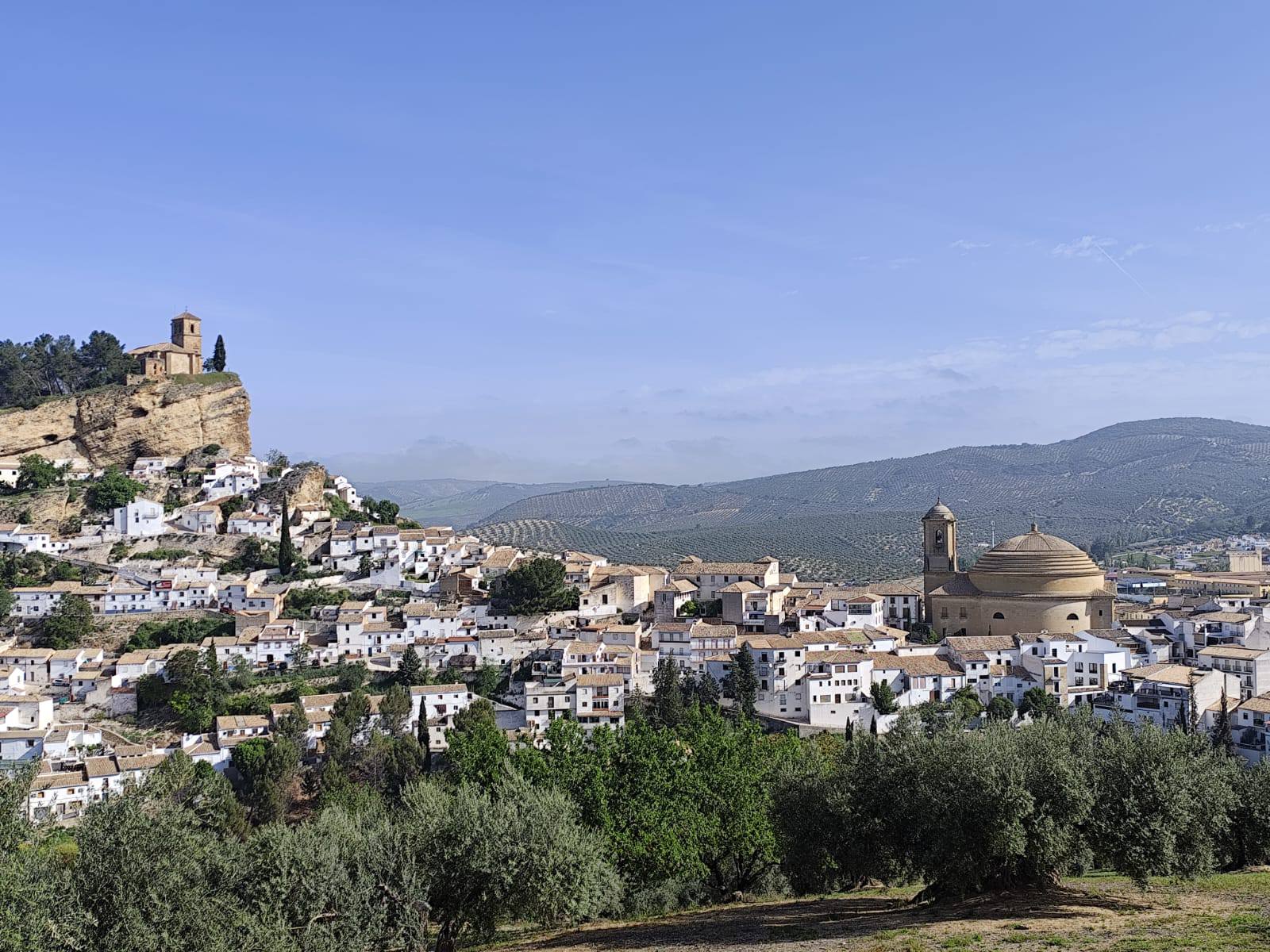
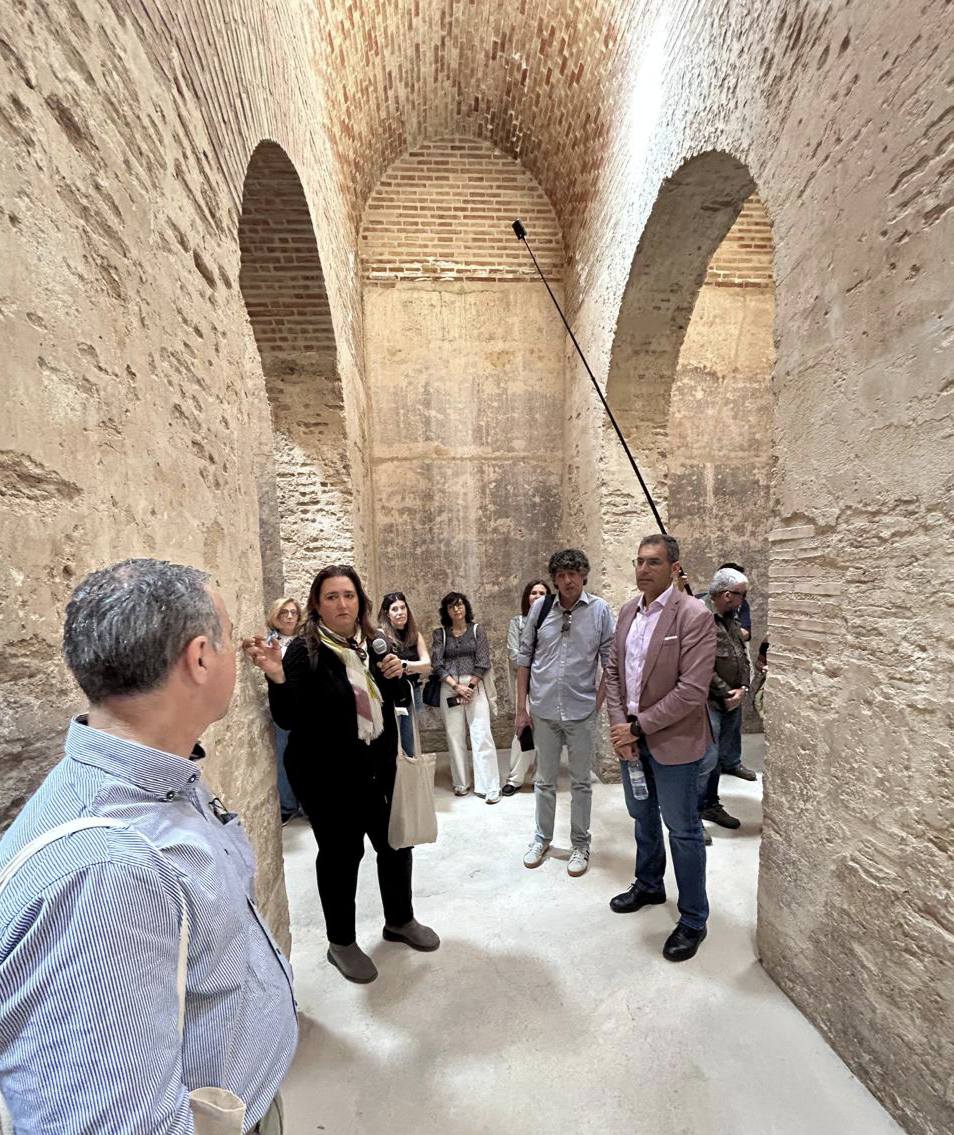
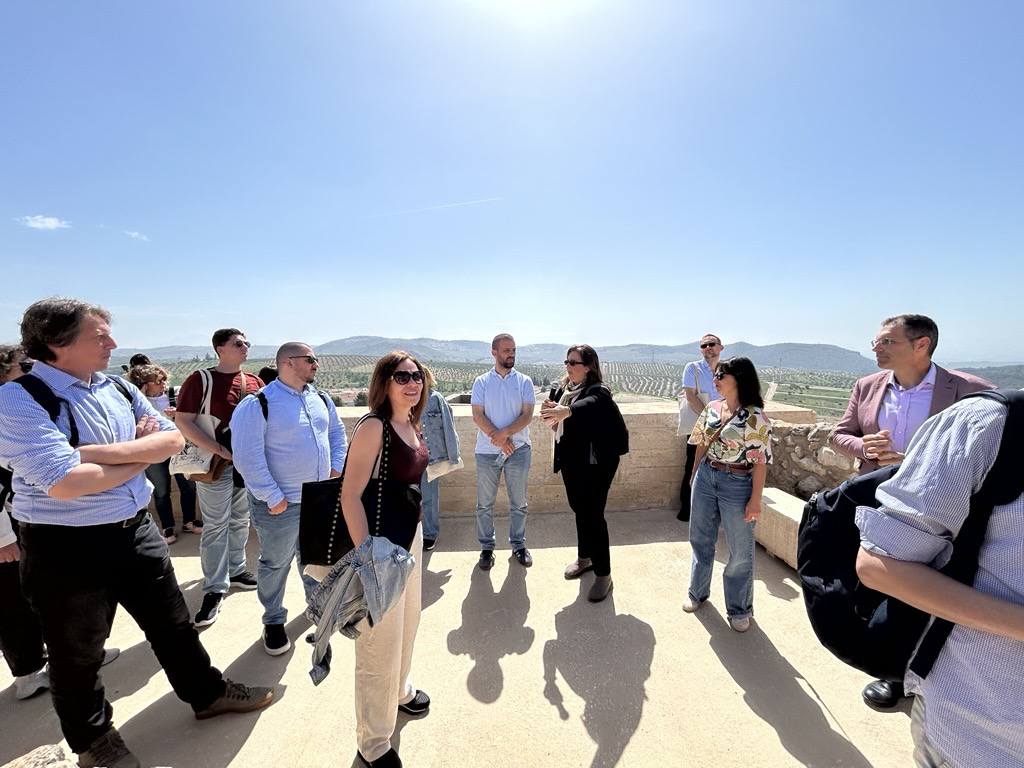
The second day moved to the province, with visits to the historic fortresses of Montefrío, Íllora and Moclín, sites of high heritage value linked to the medieval frontier of the Kingdom of Granada. In Íllora and Moclín, participants were welcomed by local mayors and municipal representatives, who presented the potential of these towns to integrate into European strategies for cultural tourism, heritage digitalisation and sustainable rural development. In Montefrío, the international delegation experienced one of Andalusia’s most unique monumental landscapes, internationally recognised for its scenic and historical value.
This meeting has ultimately reinforced Granada and its province as a European hub for heritage innovation, with the capacity to lead next-generation international projects thanks to the combination of institutional, academic, cultural and territorial assets. HERIT ADAPT has not only enabled the sharing of results but also opened new avenues for collaboration among universities, public administrations, cultural consortia and municipalities across the Mediterranean.