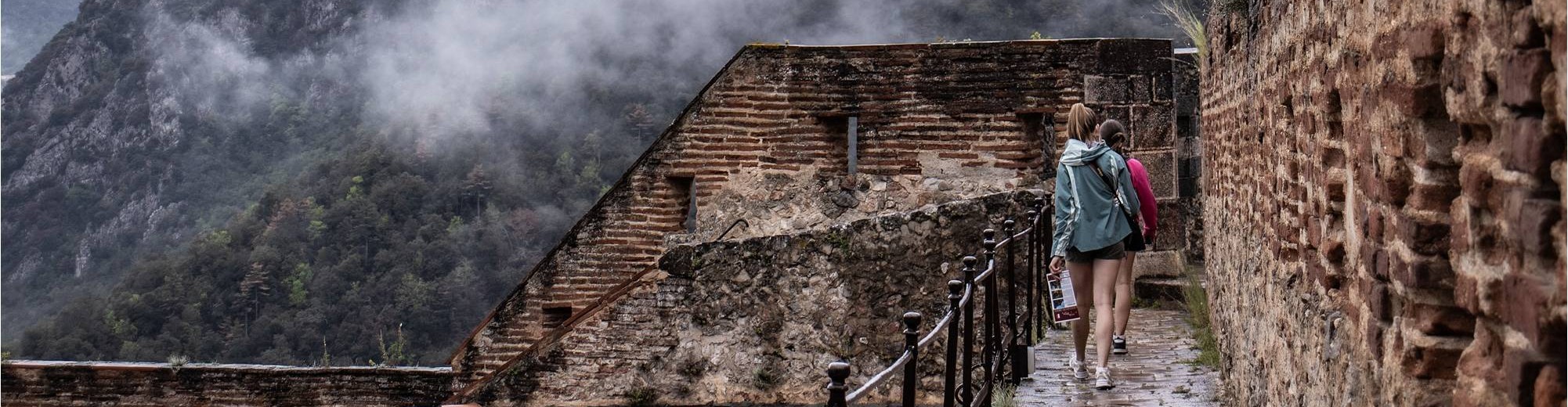
Villefranche de Conflent
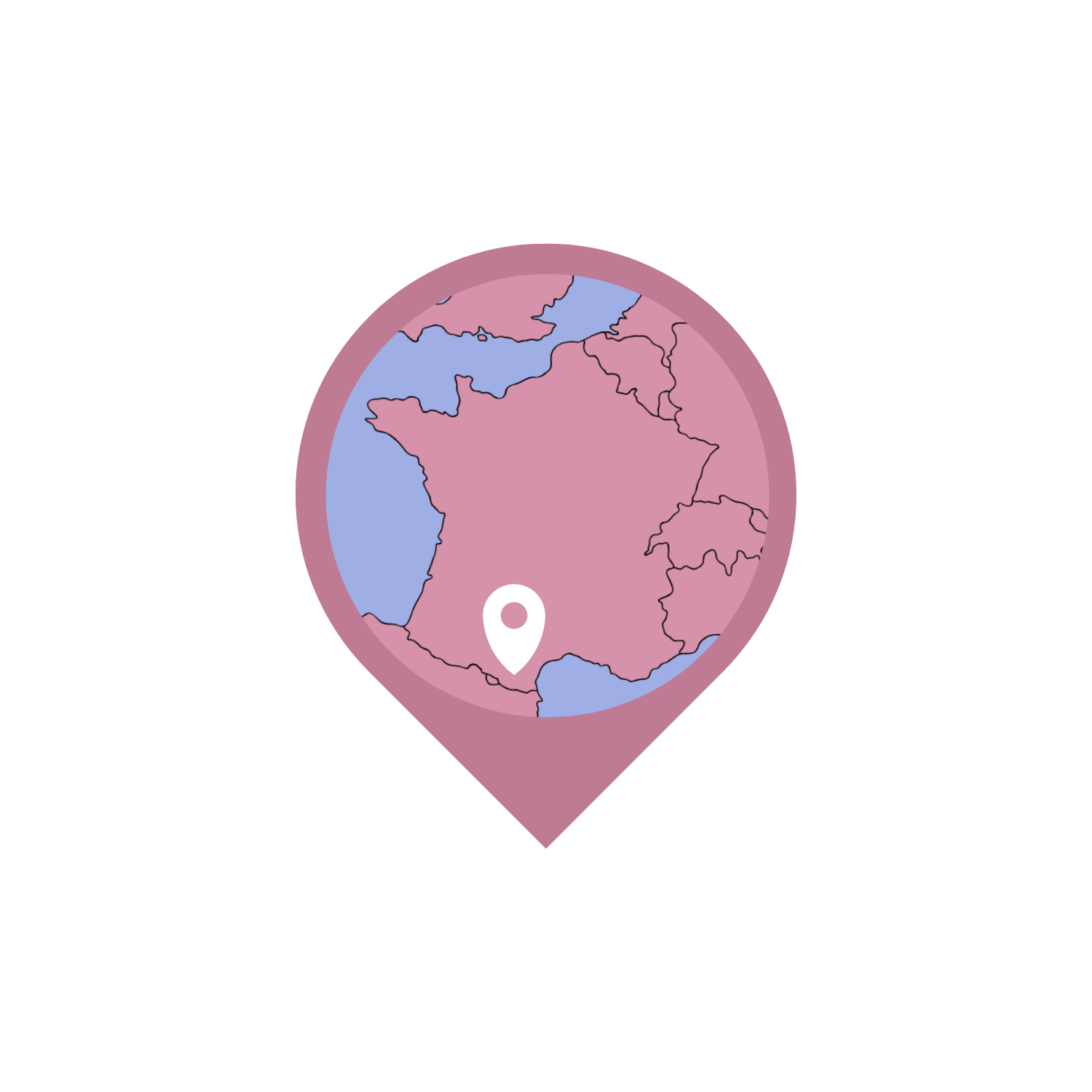
Occitanie, France
USE CASE:
· Big Data & IoT Integration
About the Pilot Site
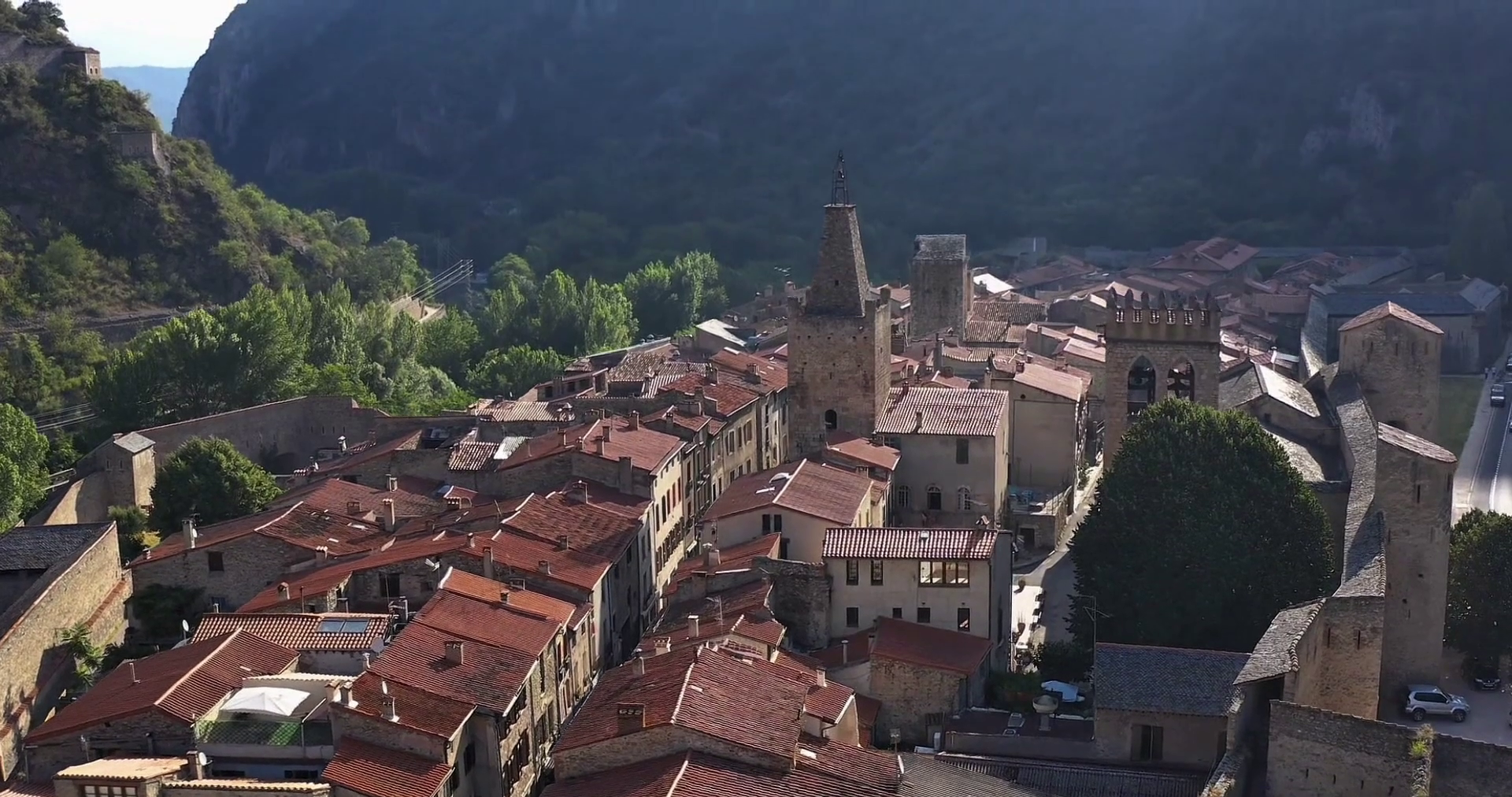
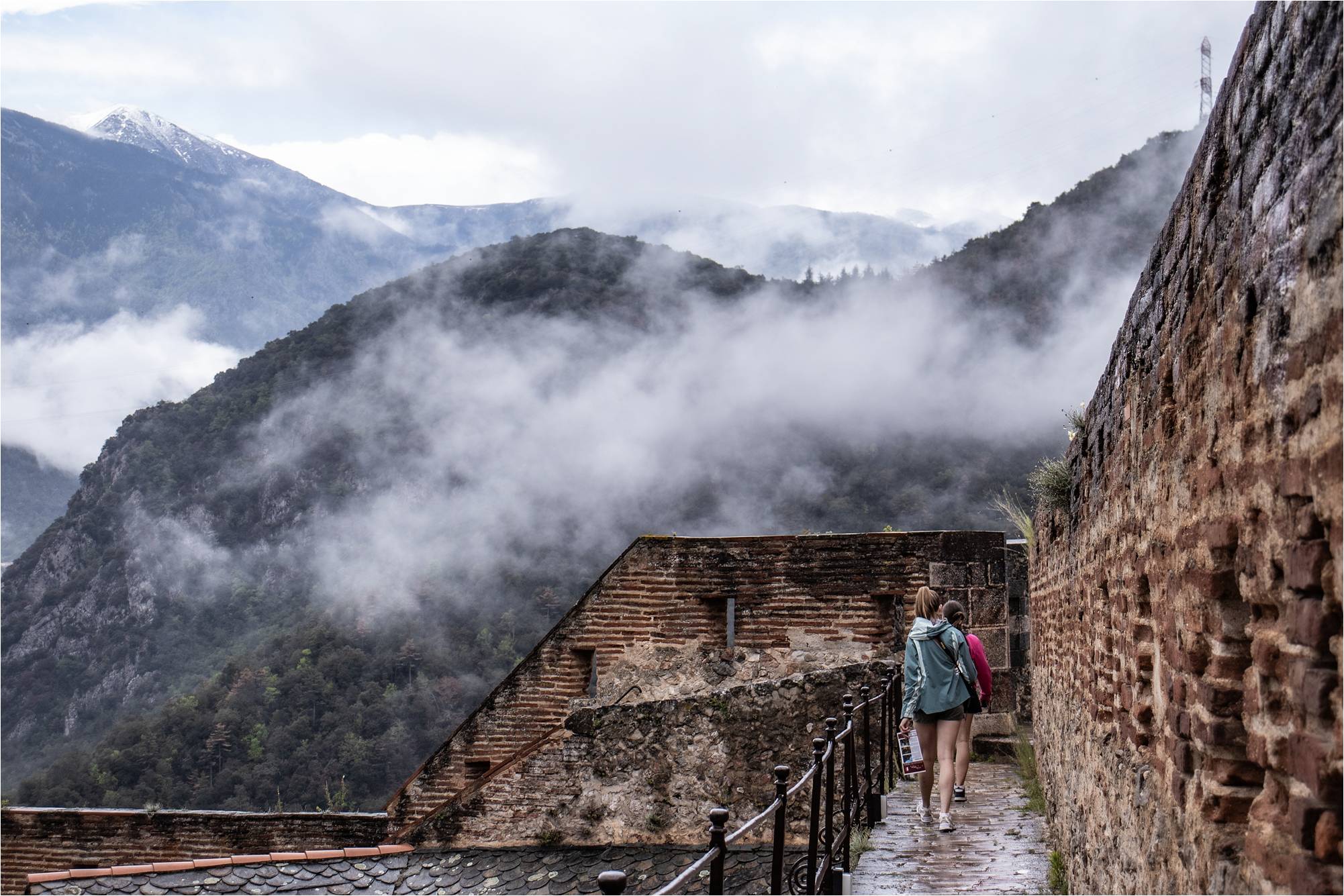
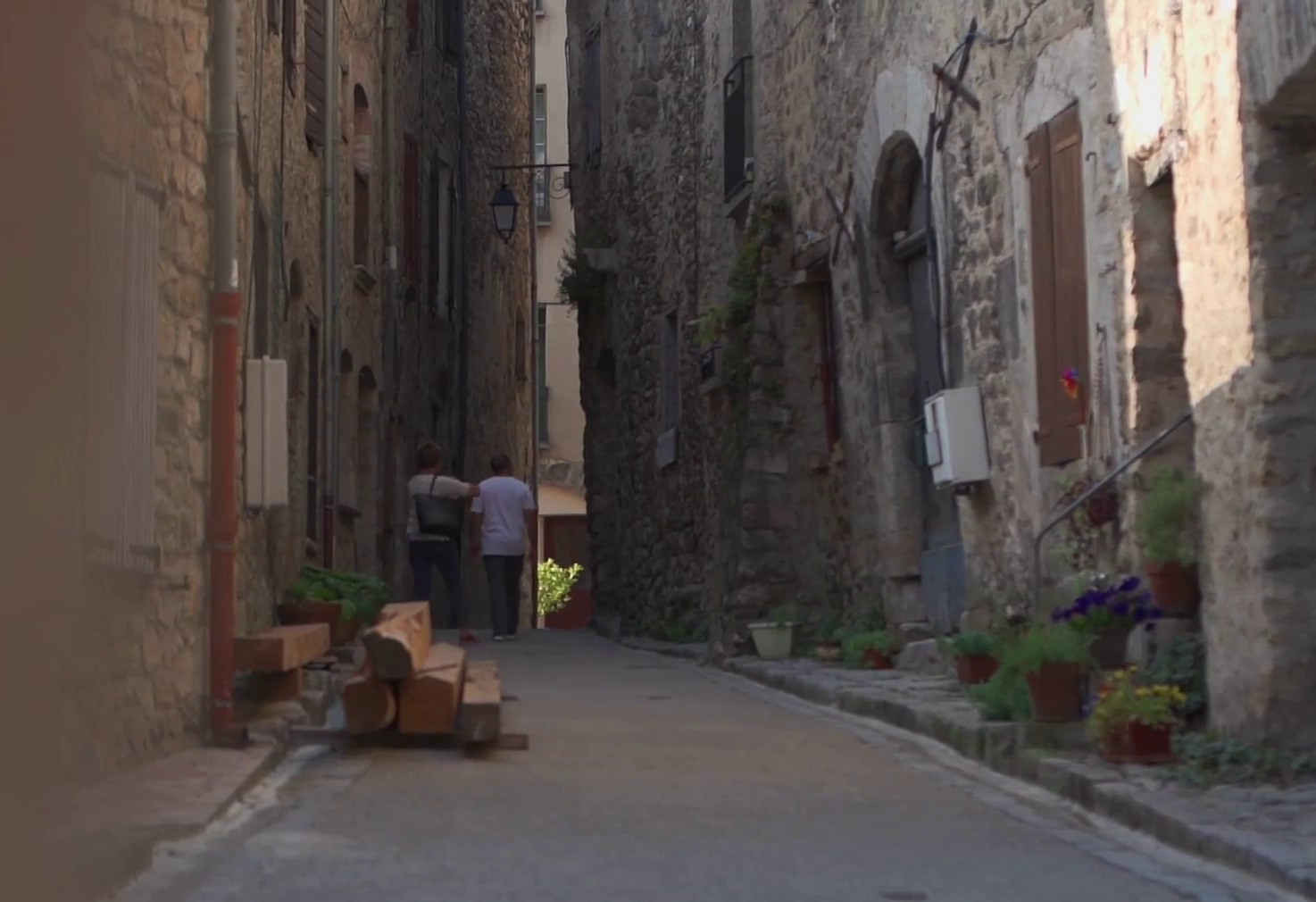
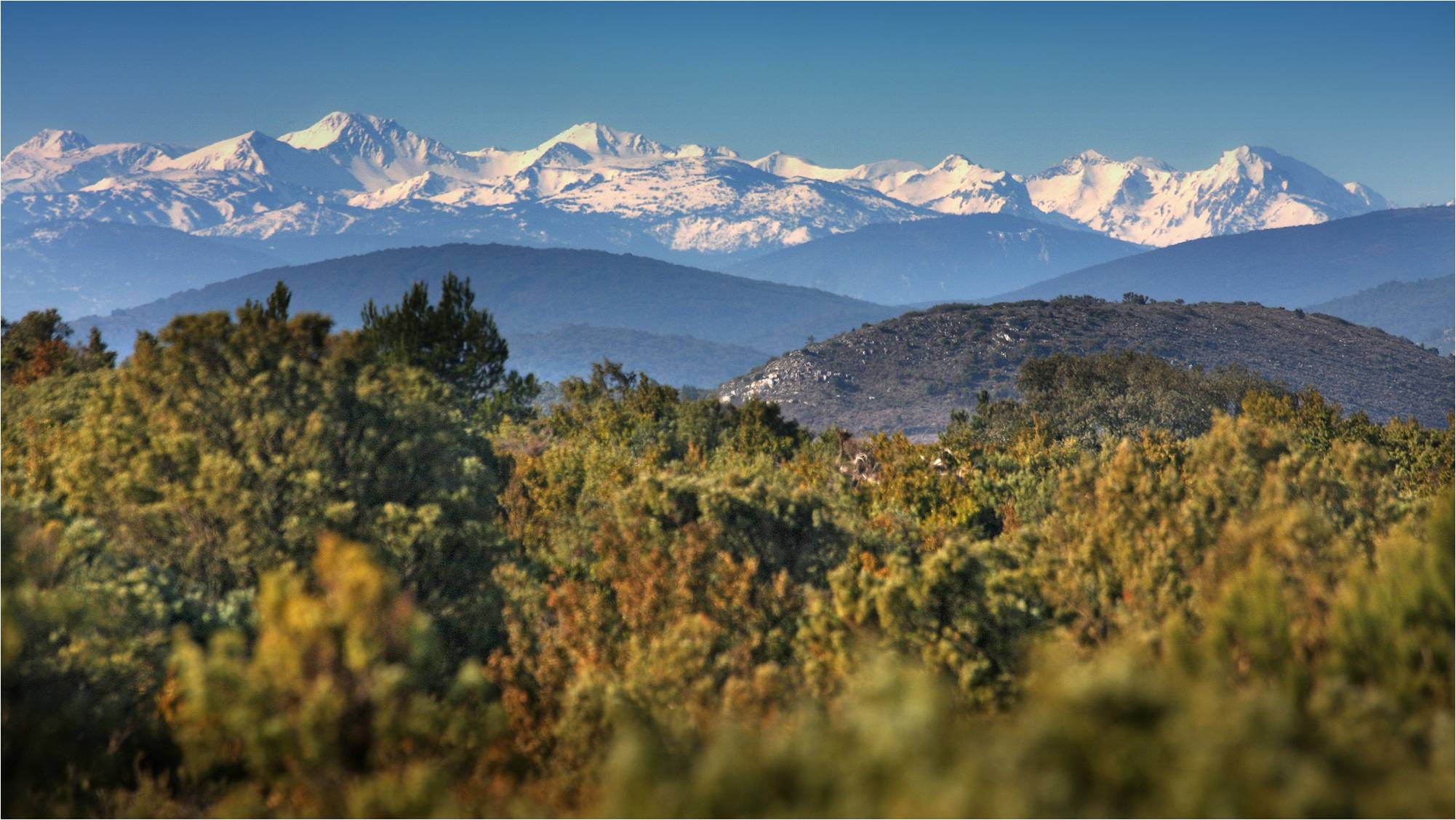
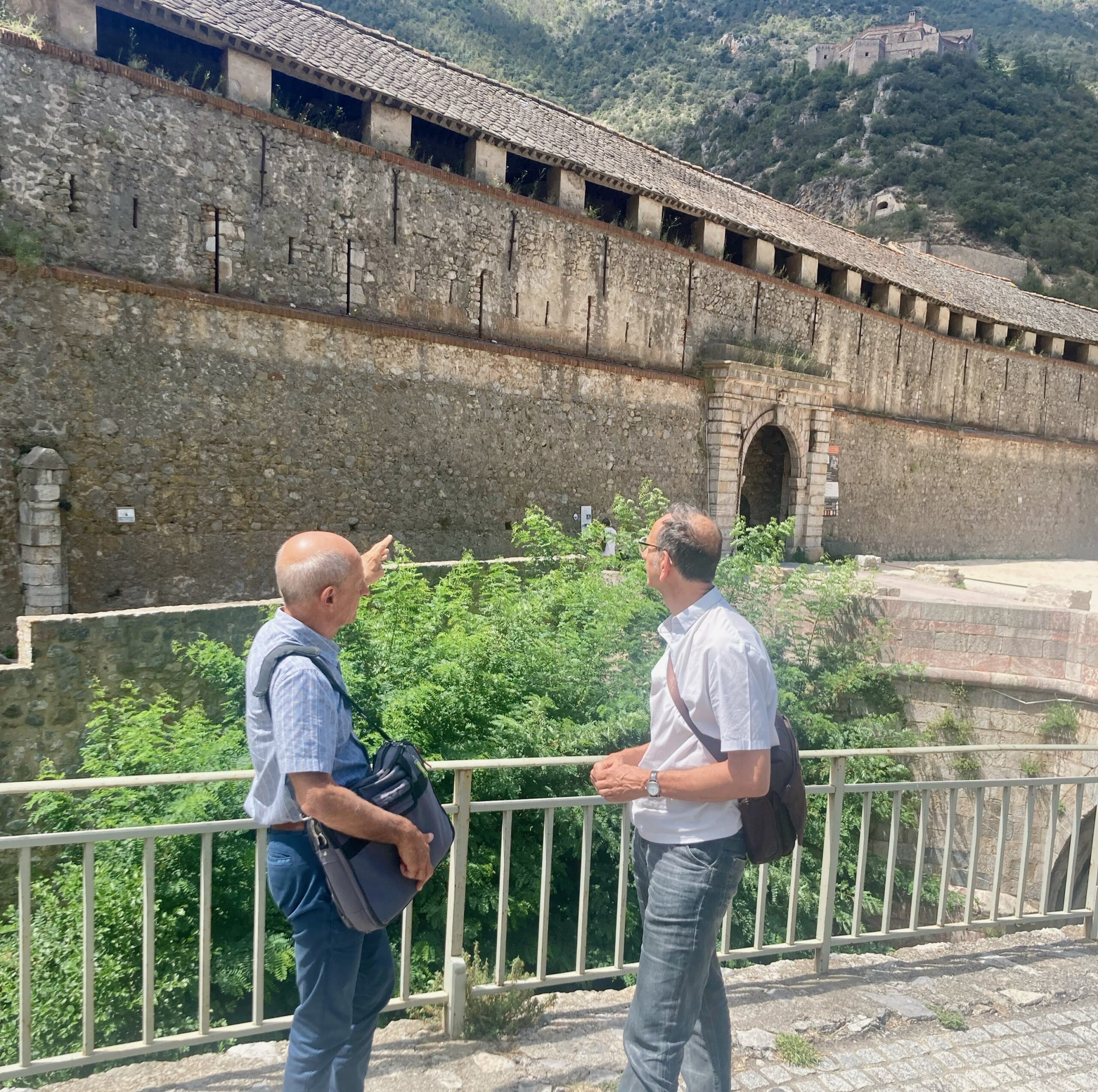
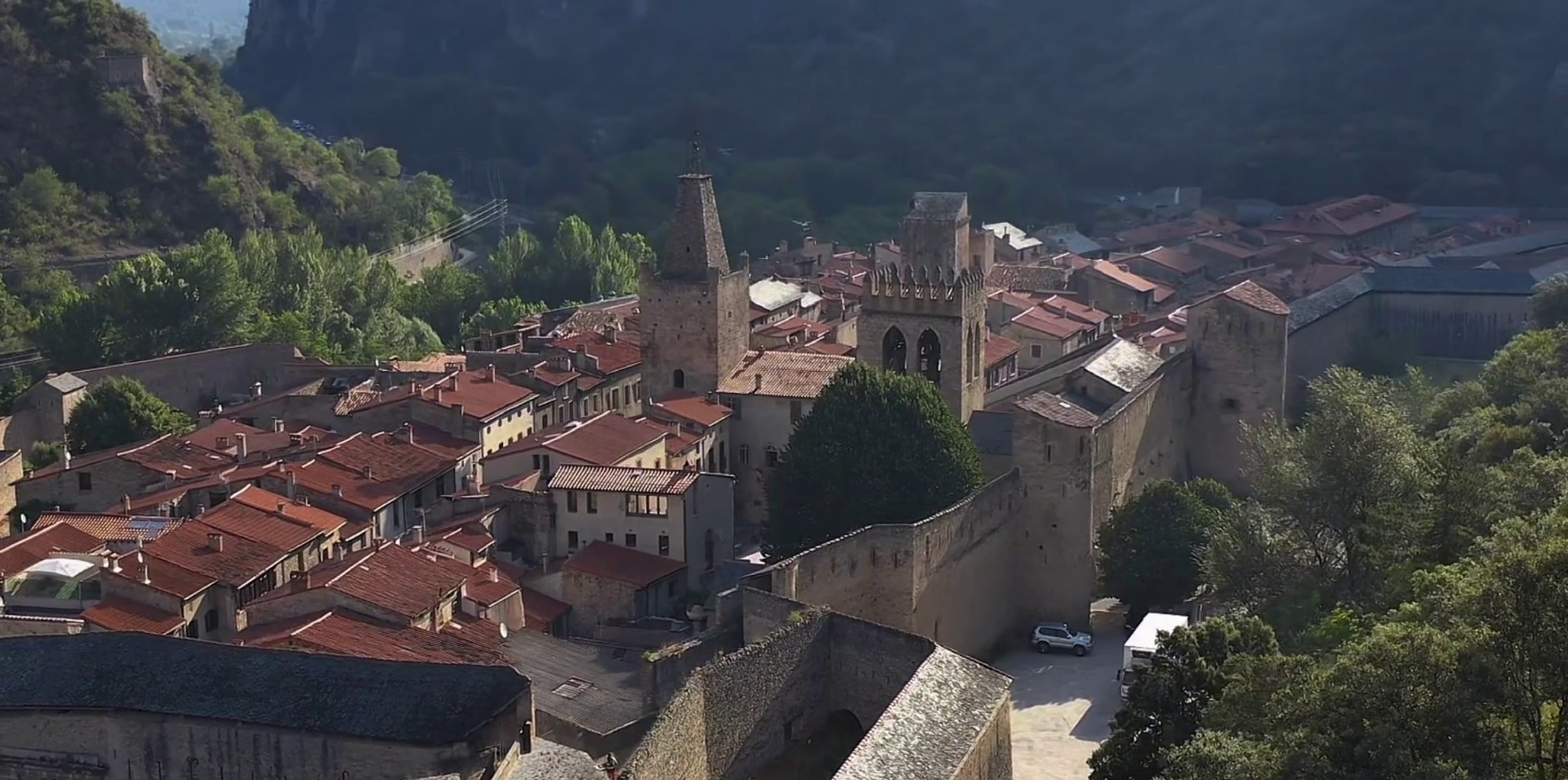
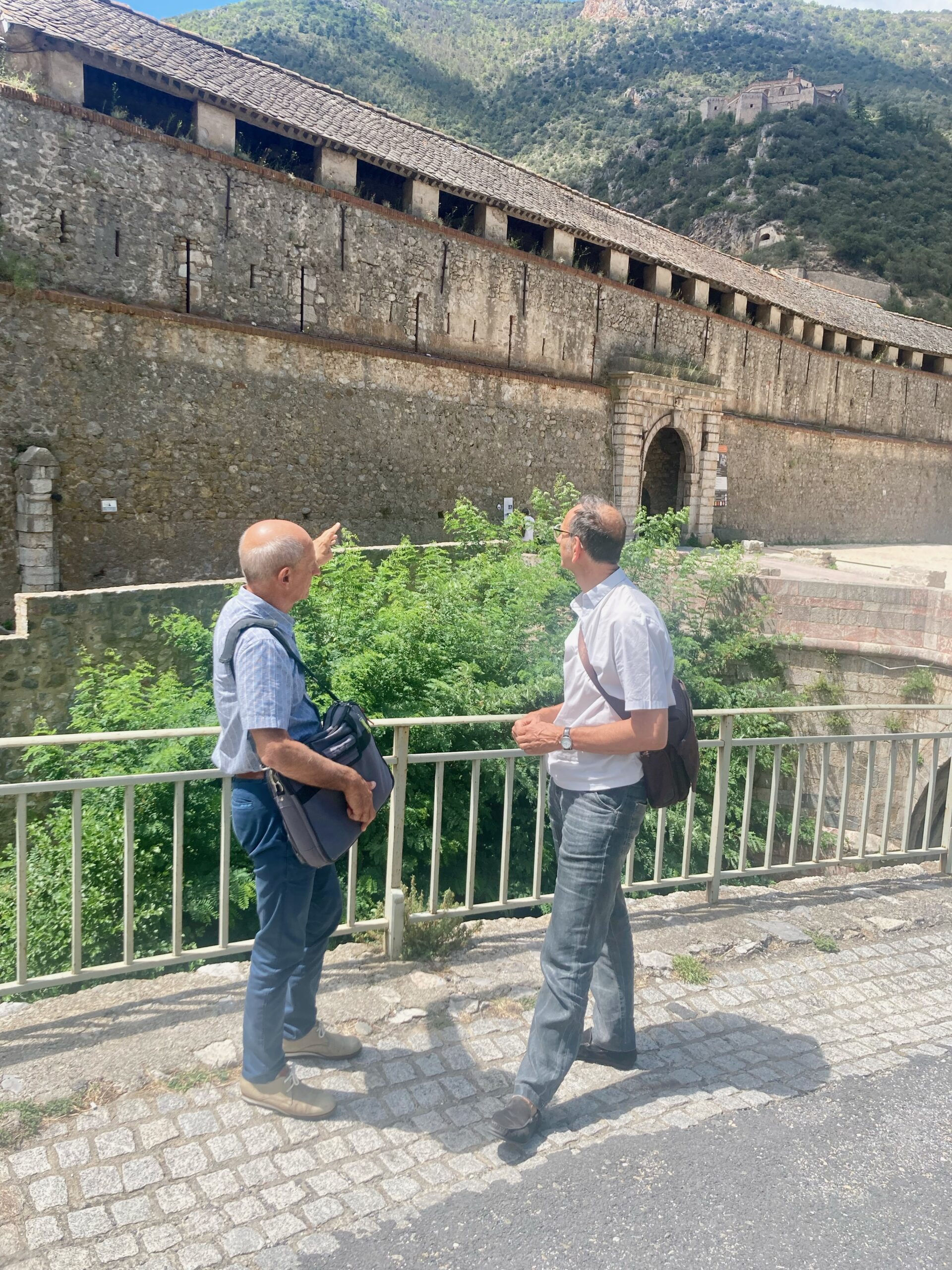
Villefranche de Conflent is a historic fortified city located in the Pyrenees Mountains at the southern tip of Occitanie. Founded in 1092 to control access to three valleys, the city became part of France in 1659 under the Treaty of the Pyrenees. Built in the 12th century and later remodeled by the renowned architect Vauban during the reign of Louis XIV, Villefranche’s ramparts are a remarkable example of military architecture. Today, these fortifications, along with twelve other Vauban sites, are recognized as a UNESCO World Heritage Site. Despite its small population of just over 200 residents, Villefranche de Conflent welcomes hundreds of thousands of visitors each year, drawn by its rich history, stunning mountain setting, and cultural heritage. The city is part of the Canigo Grand Site, thanks to which it is connected to an important sustainability, tourism and local development project.
Local Challenges
- Tourism Flow Management: Limited data on visitor numbers and patterns, combined with high visitor volumes, creates risks of over-tourism, posing pressure on cultural and natural heritage
- Infrastructure and Accessibility: Its mountainous location creates mobility and transport challenges
- Water Resource Management: Water scarcity, intensified by climate change and increasing visitor demand, puts pressure on local ecosystems and challenges the sustainability of tourism.
- Climate Risks: Increasing exposure to climate change, combined with limited risk assessment and awareness, constrains effective adaptation and integration into tourism management and local adaptation efforts.
Objectives of Experimentation
- Understanding Tourism Flows: Measure and analyse visitor numbers by using and developing existing tools, while building on studies from key regional stakeholders.
- Assessing Climate Risks: Identify vulnerabilities and potential risks related to climate change, with particular attention to water resource challenges, by leveraging ongoing initiatives and available tools.
- Strengthening Coordination and Impact: Align and support existing and emerging initiatives to accelerate results at the pilot site and facilitate the transfer of knowledge and practices to other regions.
The HERIT ADAPT Sustainable
Tourism Model
Data-Driven Diagnosis and Understanding
The pilot supports the HERIT ADAPT sustainable tourism model by providing a practical, data-driven approach to guide action. Through observation, analysis, and collaboration, the project helps better understand tourism dynamics and address climate-related challenges in Villefranche de Conflent and the wider Canigó Grand Site. All collected data are consolidated in OTO (Observation Tourisme Occitanie), allowing stakeholders to monitor visitor flows, assess vulnerabilities, and support sustainable planning.
Technological & Data Collection workflow includes:
- Tool Deployment: Use of OTO (Observation Tourisme Occitanie) to integrate and manage all tourism and climate-related data.
- Flux Vision Orange: Mobile phone data for visitor flows, origins, and socio-demographics.
- City Profile Data: GPS-based human traces mapping activity density, key locations, visitor origins, transport modes, and temporal patterns.
- Ecocounters: Installed at three main entry points, tracking monthly visitor flows (Aug 2025–Aug 2026), managed by Syndicat Mixte Canigó Grand Site.
Multi-Stakeholder Collaboration via Territorial Working Groups
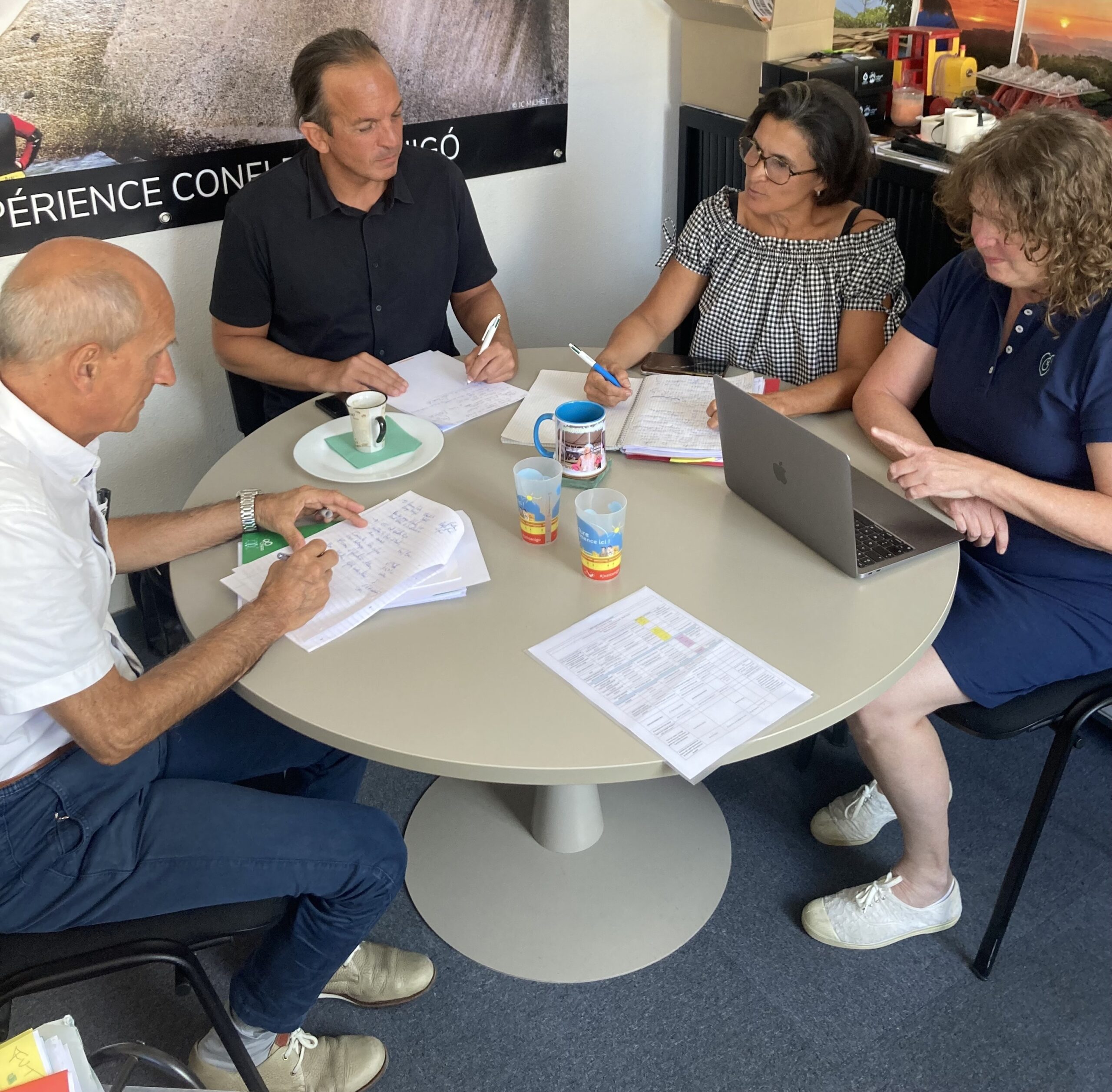
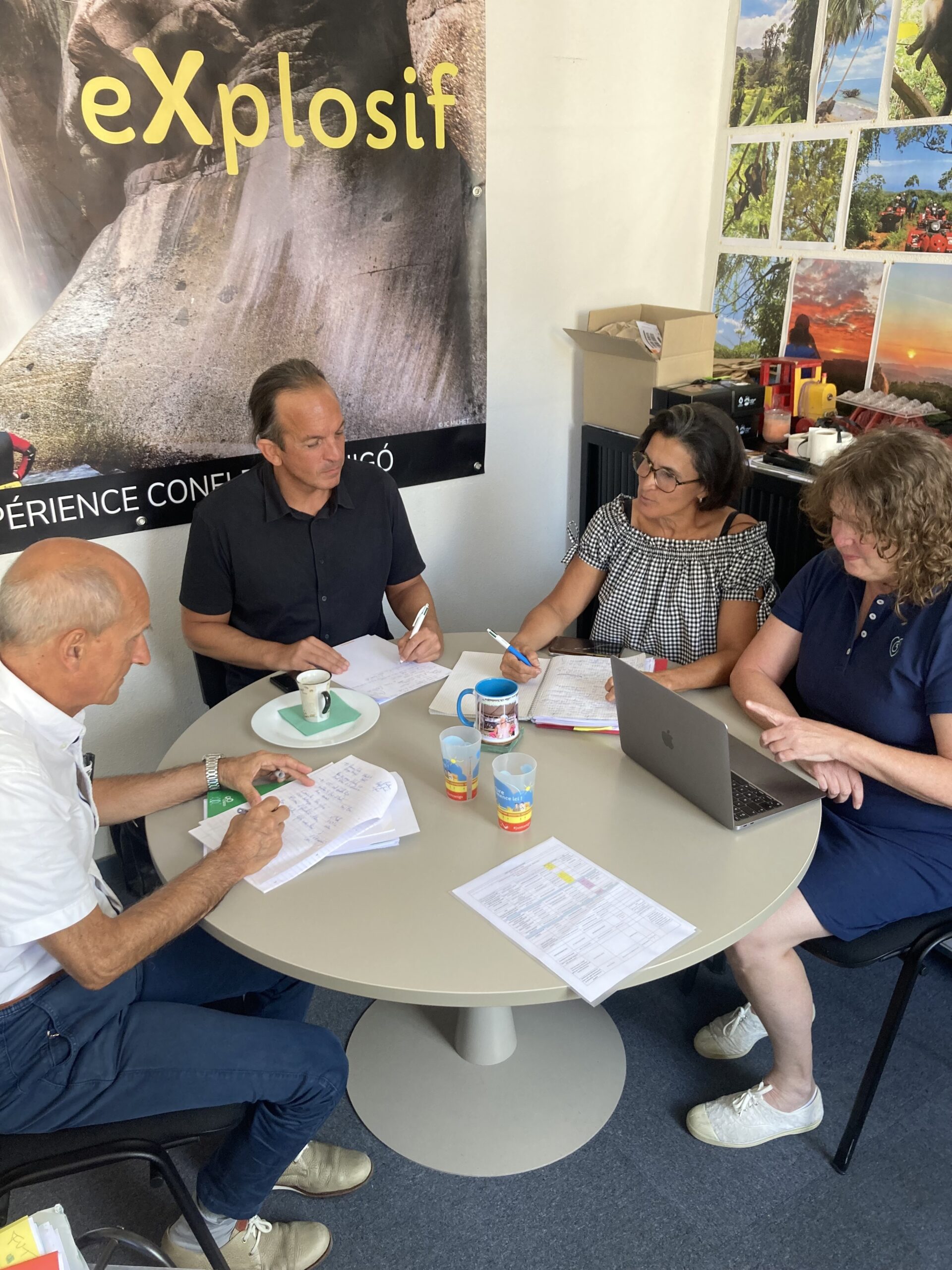
The pilot is coordinated by a Territorial Working Group (TWG), bringing together local, departmental, and regional stakeholders, including public and private actors, the Region Occitanie, and universities, with the list of participants still growing to focus on specific issues such as tourism flows and climate change diagnosis. Stakeholders have been involved throughout the entire process of assessing vulnerabilities and climate-related risks.
Implementation of Adaptive and Integrated Strategies
The pilot aims to reposition the temple as a resilient and integrated node in the regional tourism ecosystem:
- Enhancing digital and physical accessibility
- Promoting off-season visitation and experiential tourism
- Integrating with neighboring municipalities to encourage longer stays and stronger local engagement
- Supporting sustainable economic growth, entrepreneurship, and community development


Expected outcomes
- Improved Accessibility: Mitigation of climate-related risks to the main road and exploration of alternative access options
- Improved Understanding of Tourism Flows: Clear insights into visitor numbers, origins, behavior, and seasonal patterns.
- Diversified and more balanced tourism: adapting to seasonal variations and attracting tourists even during off-peak periods.
- Stakeholder Collaboration: Strengthened cooperation among local, departmental, and regional actors for coordinated decision-making.
- Capacity Building & Awareness: Strengthen stakeholders’ and citizens’ knowledge and skills to analyze vulnerabilities, implement positive solutions, and support proactive, sustainable tourism actions.
Overall, HERIT ADAPT contributes to making it a more sustainable and resilient destination through data-based solutions and strengthening local governance.
gallery

Partners involved:
About the Pilot Site
Villefranche de Conflent is a historic fortified city located in the Pyrenees Mountains at the southern tip of Occitanie. Founded in 1092 to control access to three valleys, the city became part of France in 1659 under the Treaty of the Pyrenees. Built in the 12th century and later remodeled by the renowned architect Vauban during the reign of Louis XIV, Villefranche’s ramparts are a remarkable example of military architecture. Today, these fortifications, along with twelve other Vauban sites, are recognized as a UNESCO World Heritage Site. Despite its small population of just over 200 residents, Villefranche de Conflent welcomes hundreds of thousands of visitors each year, drawn by its rich history, stunning mountain setting, and cultural heritage. The city is part of the Canigo Grand Site, thanks to which it is connected to an important sustainability, tourism and local development project.
Local Challenges
- Tourism Flow Management: Limited data on visitor numbers and patterns, combined with high visitor volumes, creates risks of over-tourism, posing pressure on cultural and natural heritage
- Infrastructure and Accessibility: Its mountainous location creates mobility and transport challenges
- Water Resource Management: Water scarcity, intensified by climate change and increasing visitor demand, puts pressure on local ecosystems and challenges the sustainability of tourism.
- Climate Risks: Increasing exposure to climate change, combined with limited risk assessment and awareness, constrains effective adaptation and integration into tourism management and local adaptation efforts.
Objectives of Experimentation
- Understanding Tourism Flows: Measure and analyse visitor numbers by using and developing existing tools, while building on studies from key regional stakeholders.
- Assessing Climate Risks: Identify vulnerabilities and potential risks related to climate change, with particular attention to water resource challenges, by leveraging ongoing initiatives and available tools.
- Strengthening Coordination and Impact: Align and support existing and emerging initiatives to accelerate results at the pilot site and facilitate the transfer of knowledge and practices to other regions.
The HERIT ADAPT Sustainable
Tourism Model
Data-Driven Diagnosis and Understanding
The pilot supports the HERIT ADAPT sustainable tourism model by providing a practical, data-driven approach to guide action. Through observation, analysis, and collaboration, the project helps better understand tourism dynamics and address climate-related challenges in Villefranche de Conflent and the wider Canigó Grand Site. All collected data are consolidated in OTO (Observation Tourisme Occitanie), allowing stakeholders to monitor visitor flows, assess vulnerabilities, and support sustainable planning.
Technological & Data Collection workflow includes:
- Tool Deployment: Use of OTO (Observation Tourisme Occitanie) to integrate and manage all tourism and climate-related data.
- Flux Vision Orange: Mobile phone data for visitor flows, origins, and socio-demographics.
- City Profile Data: GPS-based human traces mapping activity density, key locations, visitor origins, transport modes, and temporal patterns.
- Ecocounters: Installed at three main entry points, tracking monthly visitor flows (Aug 2025–Aug 2026), managed by Syndicat Mixte Canigó Grand Site.
Multi-Stakeholder Collaboration via Territorial Working Groups
The pilot is coordinated by a Territorial Working Group (TWG), bringing together local, departmental, and regional stakeholders, including public and private actors, the Region Occitanie, and universities, with the list of participants still growing to focus on specific issues such as tourism flows and climate change diagnosis. Stakeholders have been involved throughout the entire process of assessing vulnerabilities and climate-related risks.
Implementation of Adaptive and Integrated Strategies
The pilot aims to reposition the temple as a resilient and integrated node in the regional tourism ecosystem:
- Enhancing digital and physical accessibility
- Promoting off-season visitation and experiential tourism
- Integrating with neighboring municipalities to encourage longer stays and stronger local engagement
- Supporting sustainable economic growth, entrepreneurship, and community development
Expected outcomes
- Improved Accessibility: Mitigation of climate-related risks to the main road and exploration of alternative access options
- Improved Understanding of Tourism Flows: Clear insights into visitor numbers, origins, behavior, and seasonal patterns.
- Diversified and more balanced tourism: adapting to seasonal variations and attracting tourists even during off-peak periods.
- Stakeholder Collaboration: Strengthened cooperation among local, departmental, and regional actors for coordinated decision-making.
- Capacity Building & Awareness: Strengthen stakeholders’ and citizens’ knowledge and skills to analyze vulnerabilities, implement positive solutions, and support proactive, sustainable tourism actions.
Overall, HERIT ADAPT contributes to making it a more sustainable and resilient destination through data-based solutions and strengthening local governance.
gallery
Partners involved: