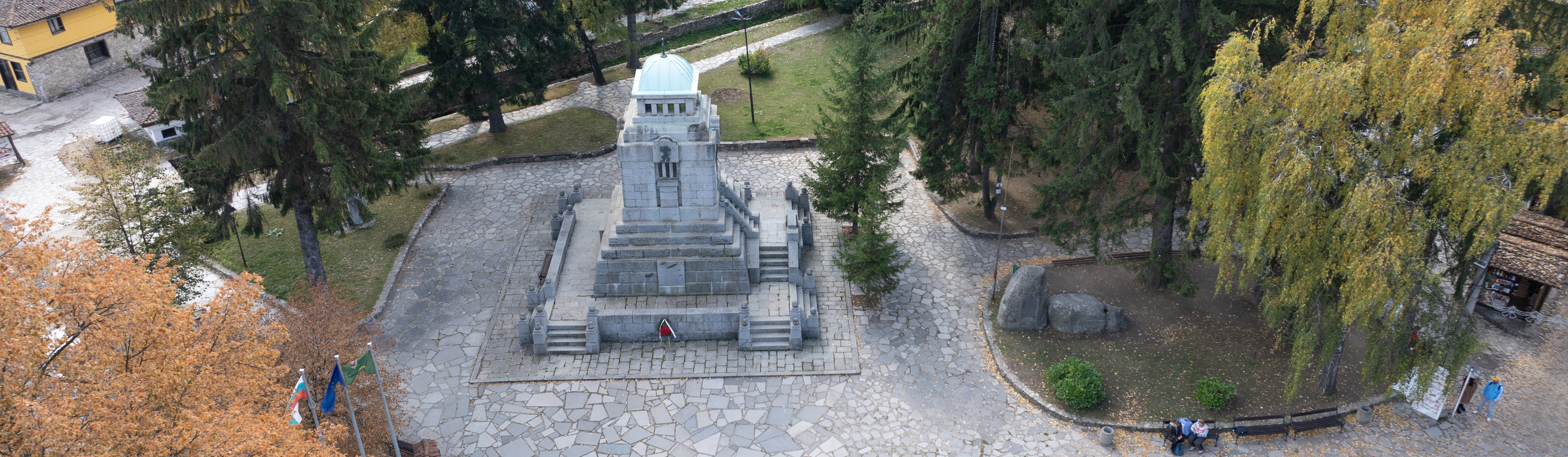
Mausoleum-Ossuary

Koprivshtitsa, Bulgaria
USE CASES:
· Digital Twin & 3D Modeling
· Big Data & IoT Integration
About the Pilot Site
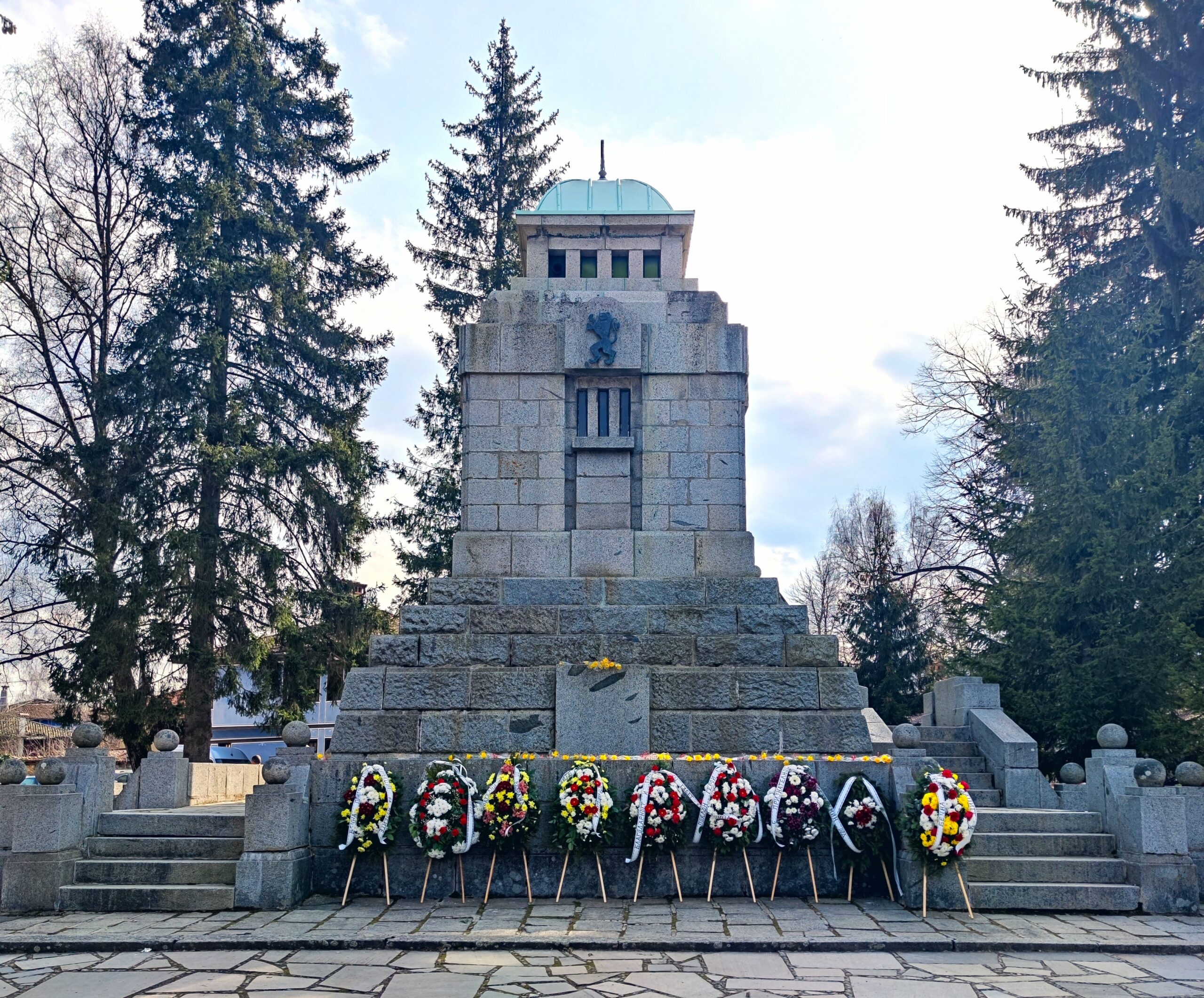
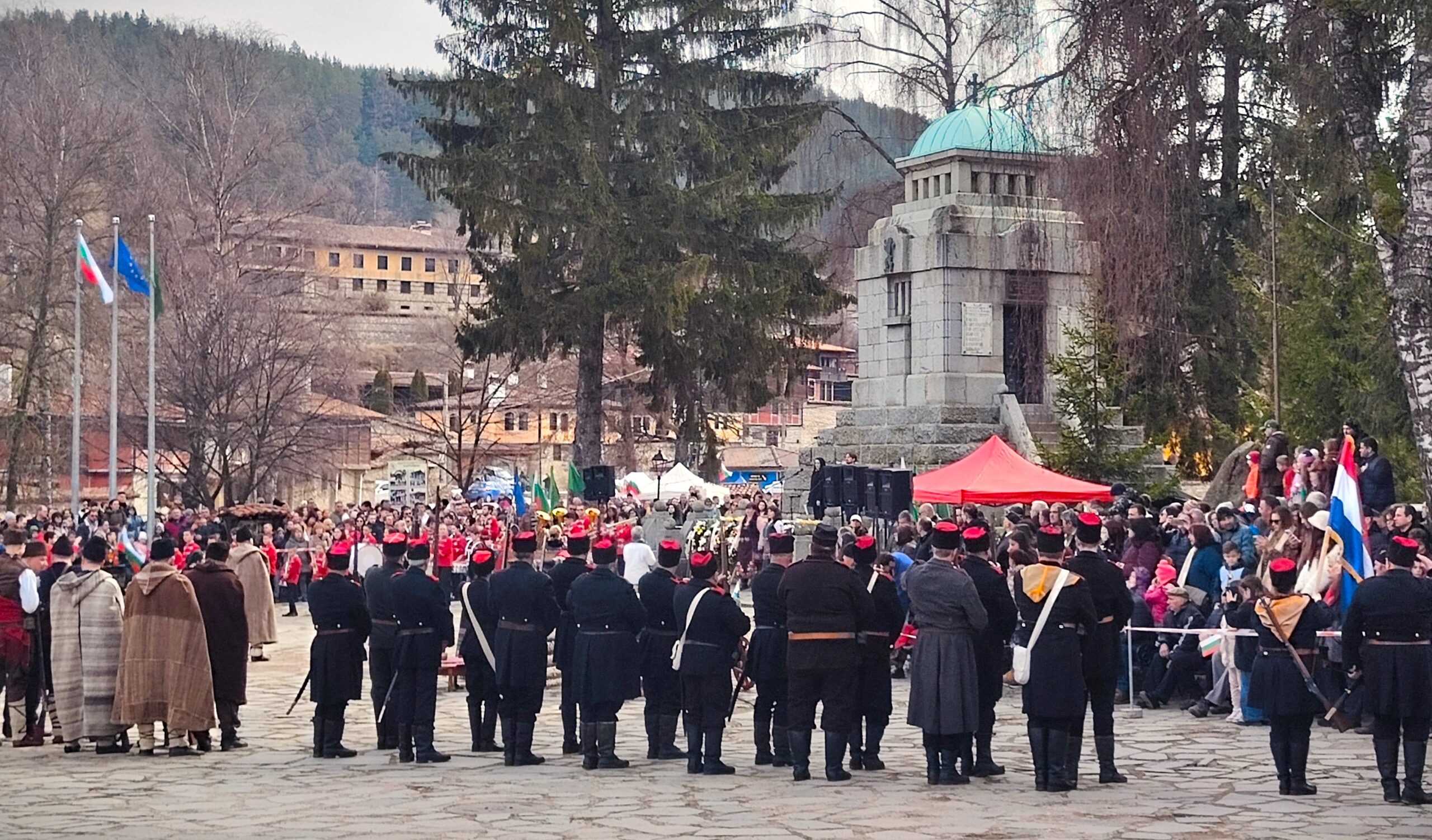
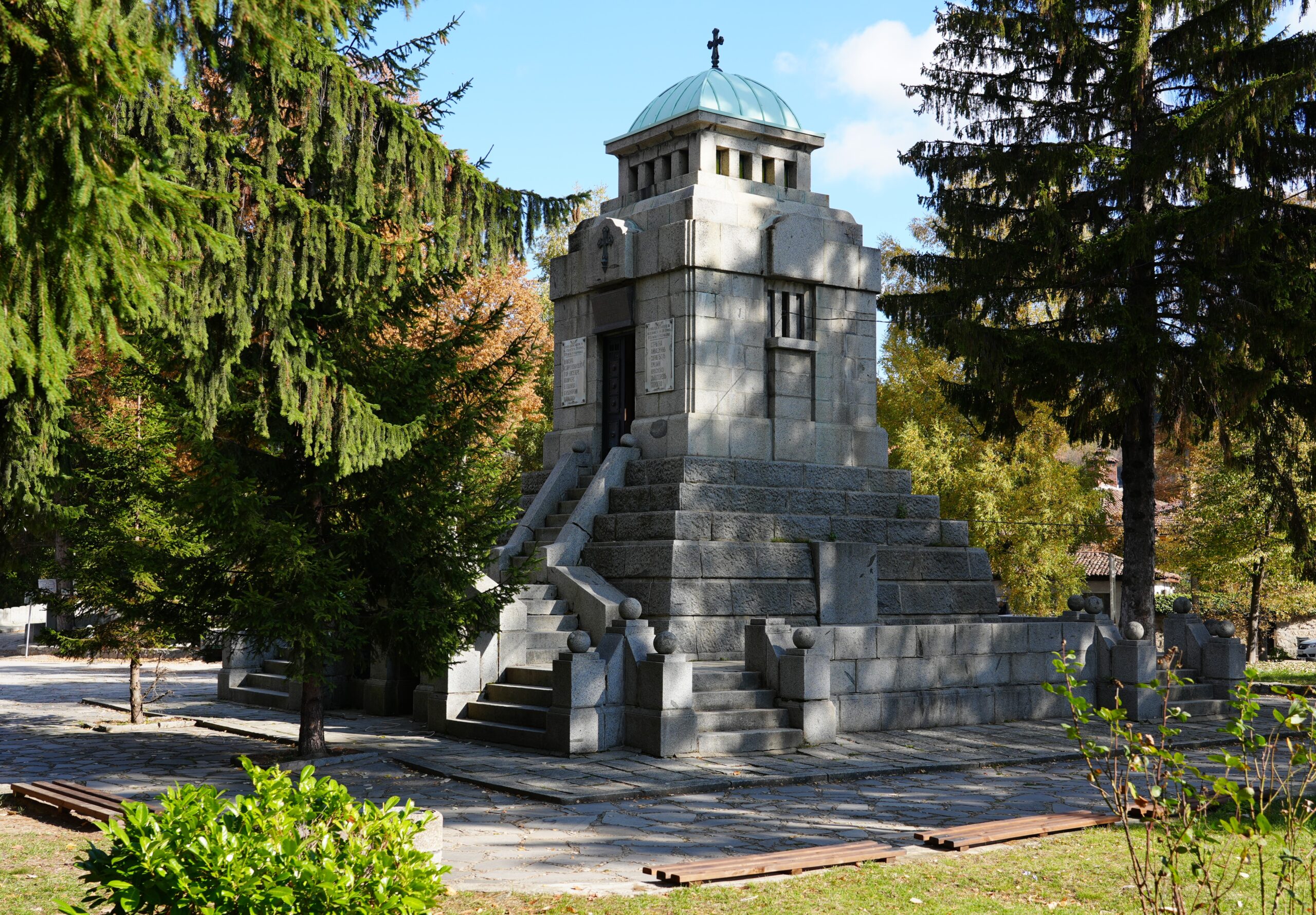
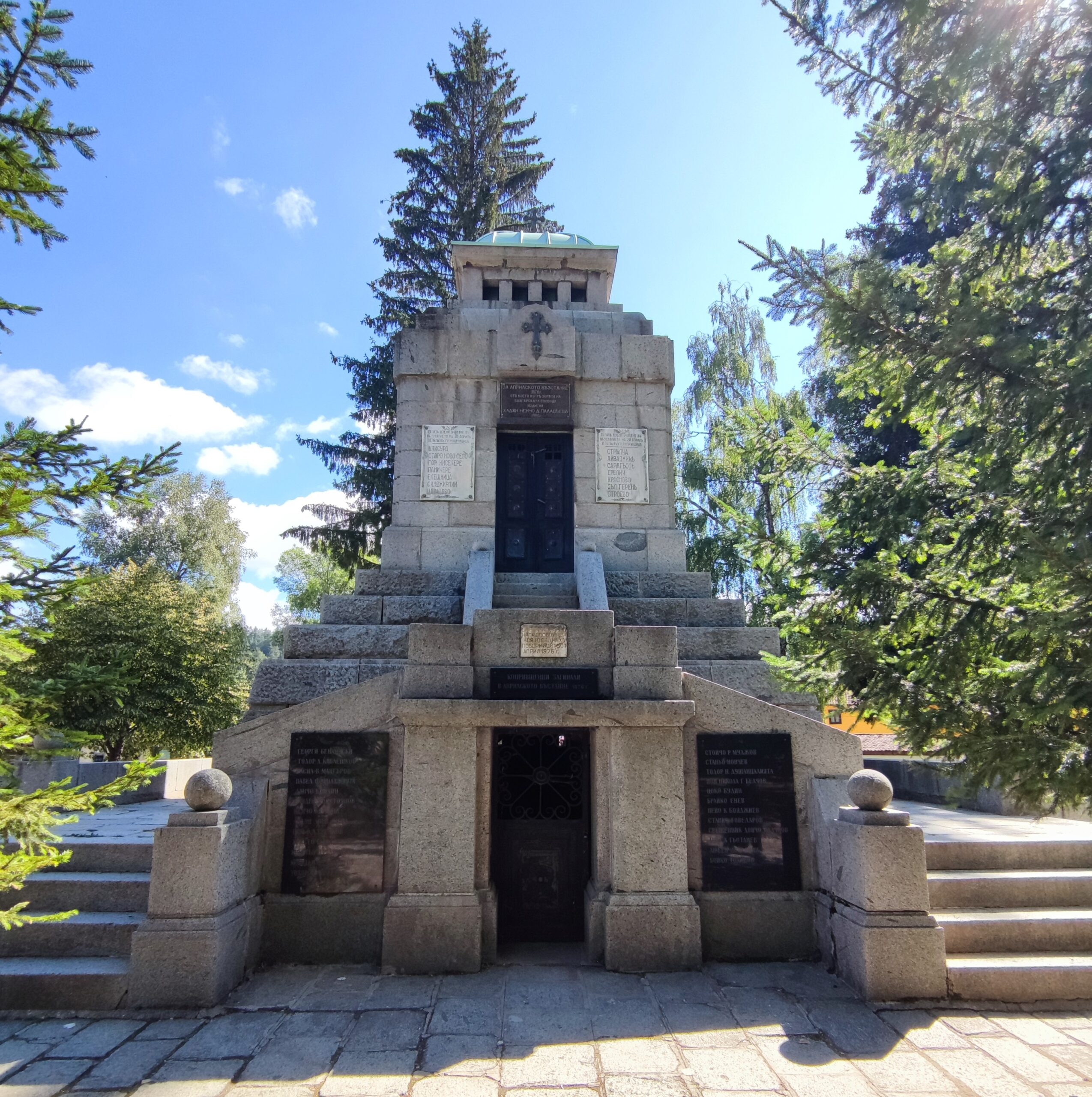
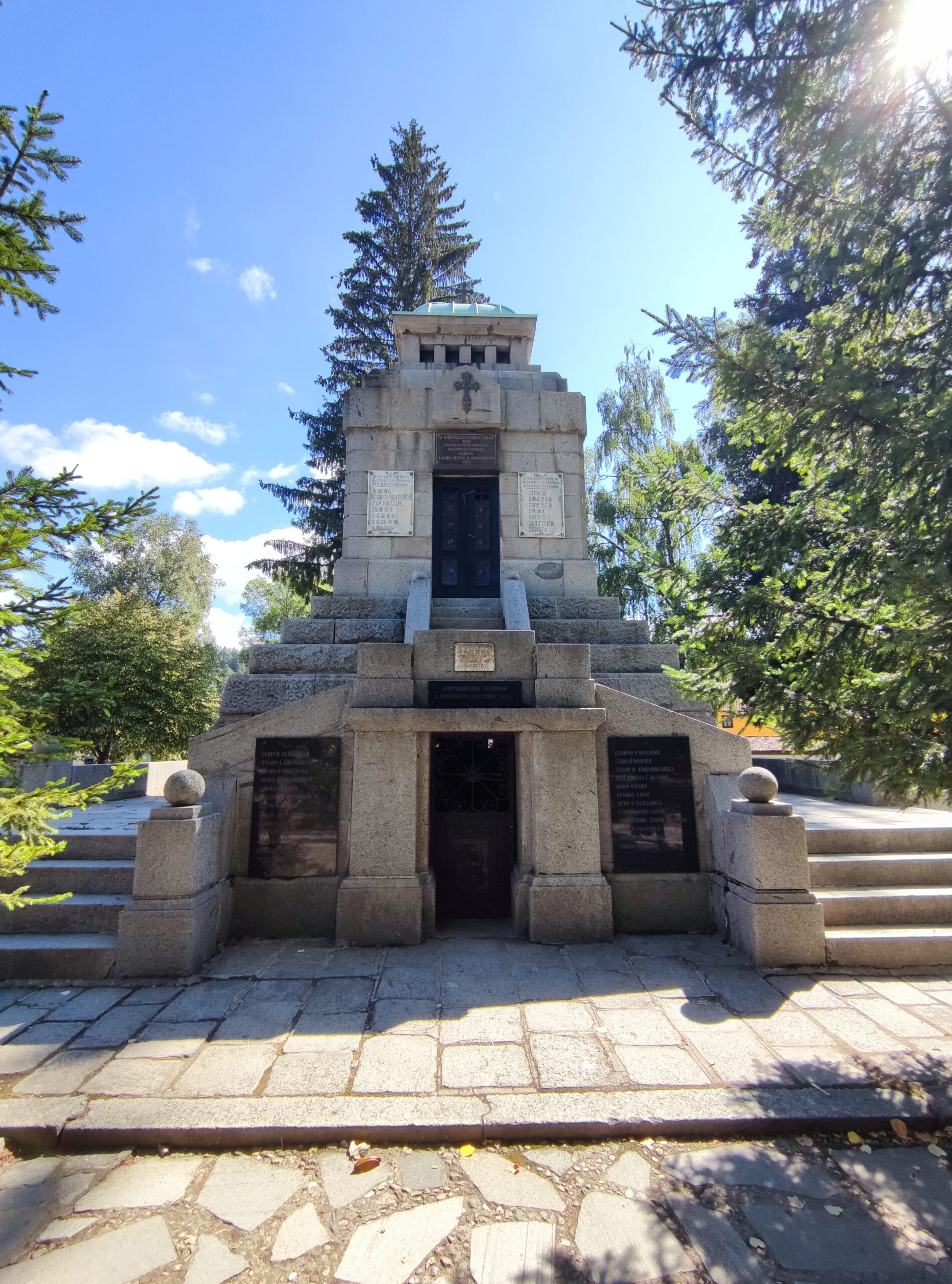
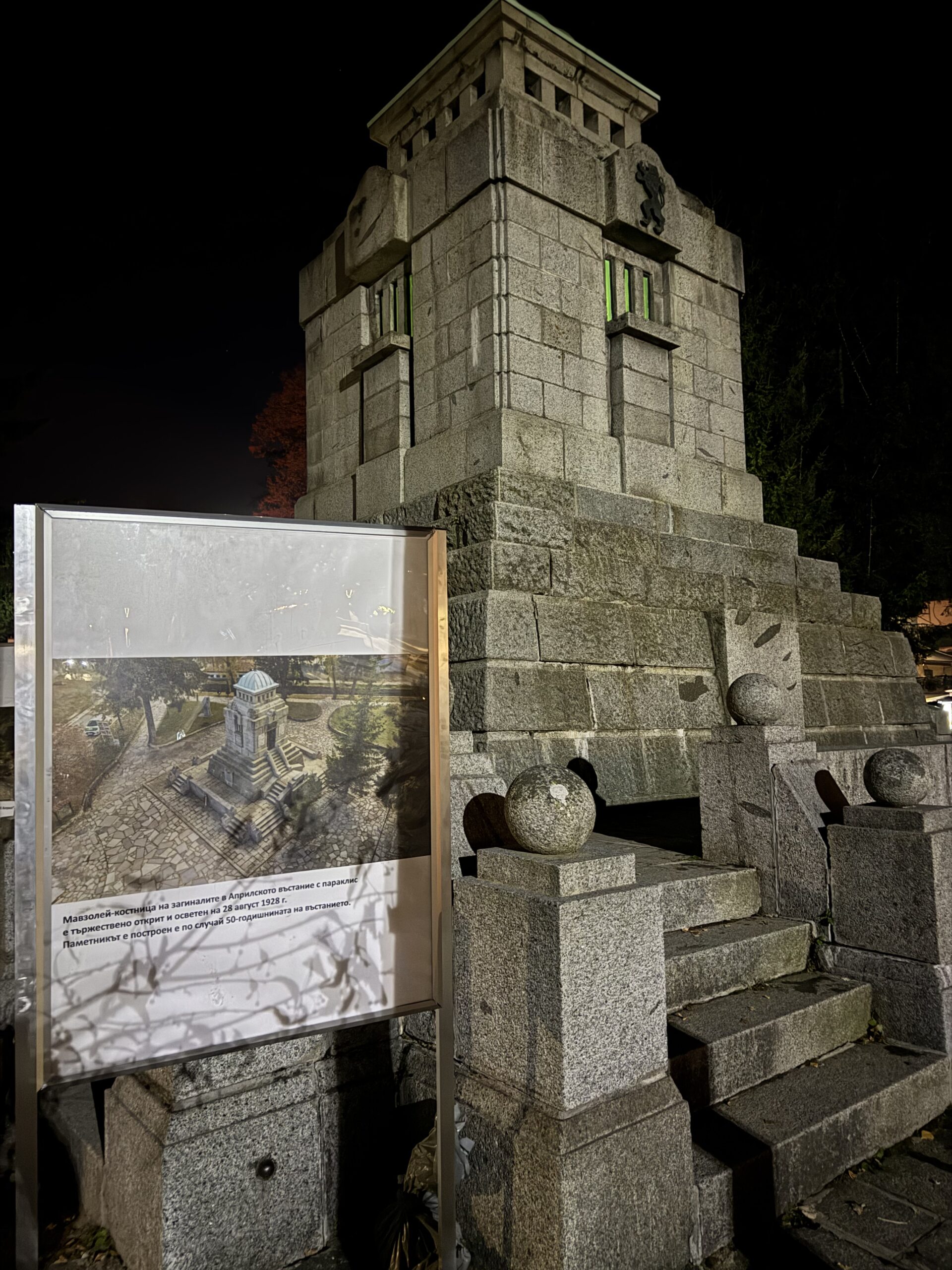
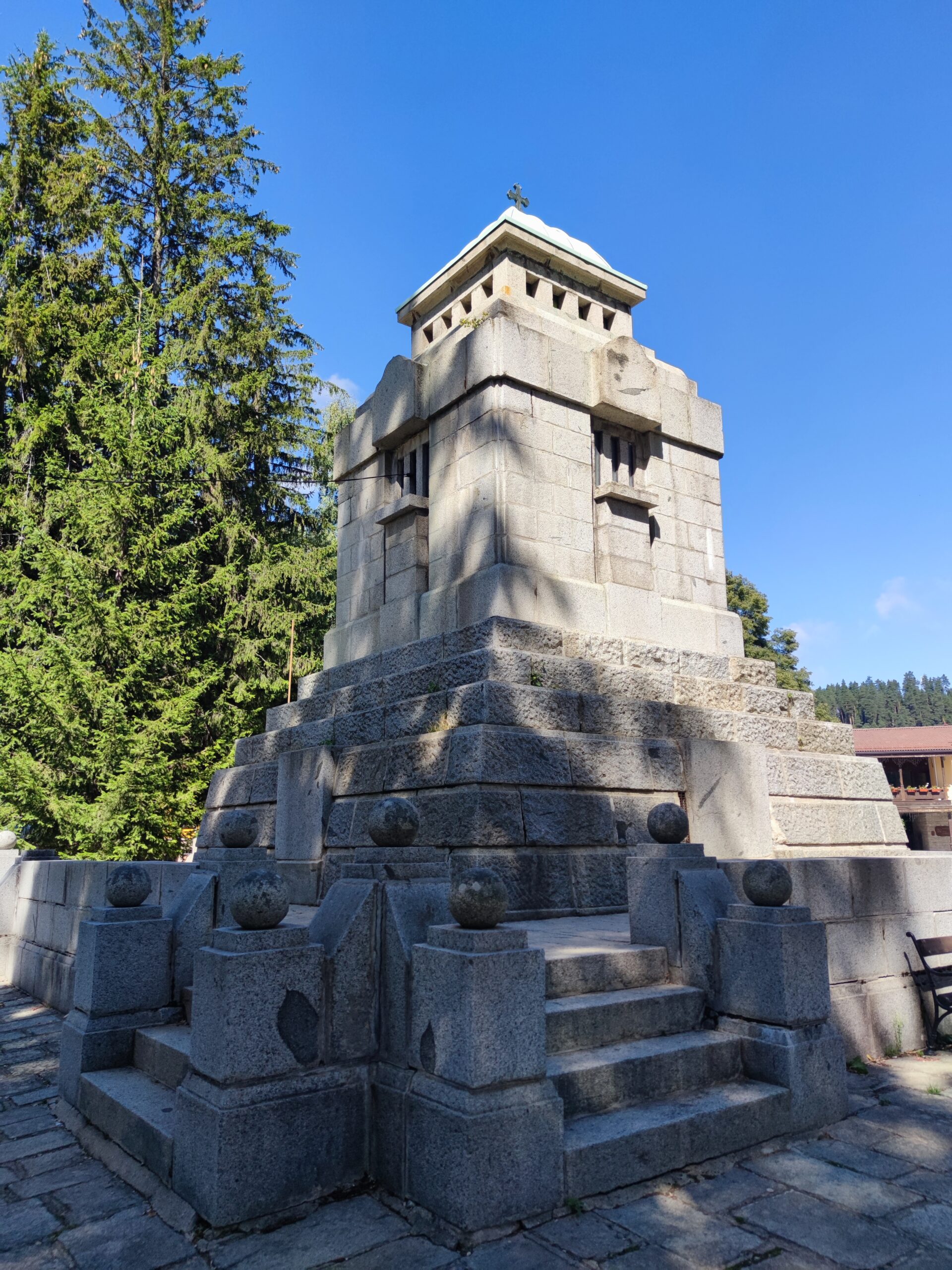
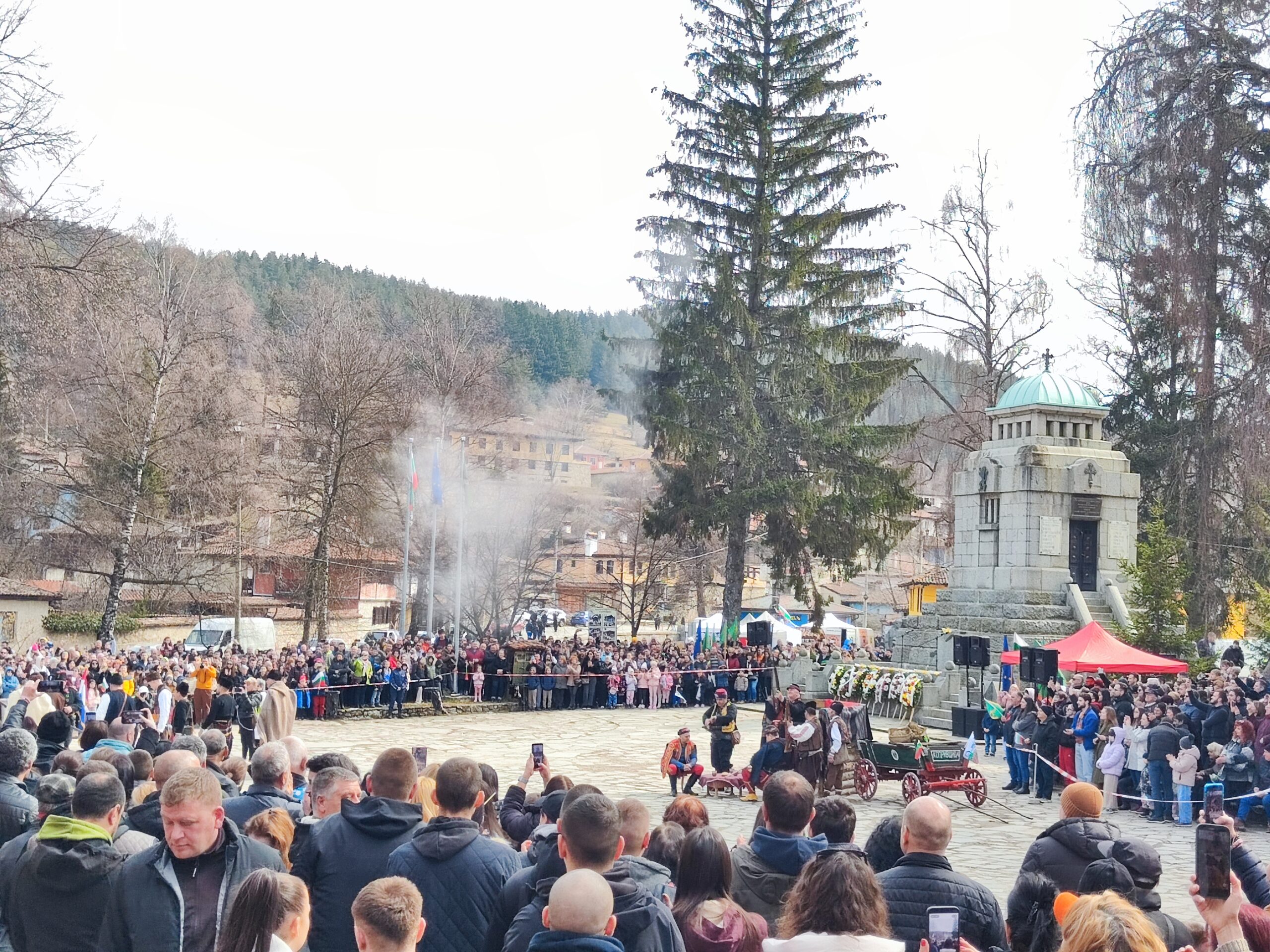
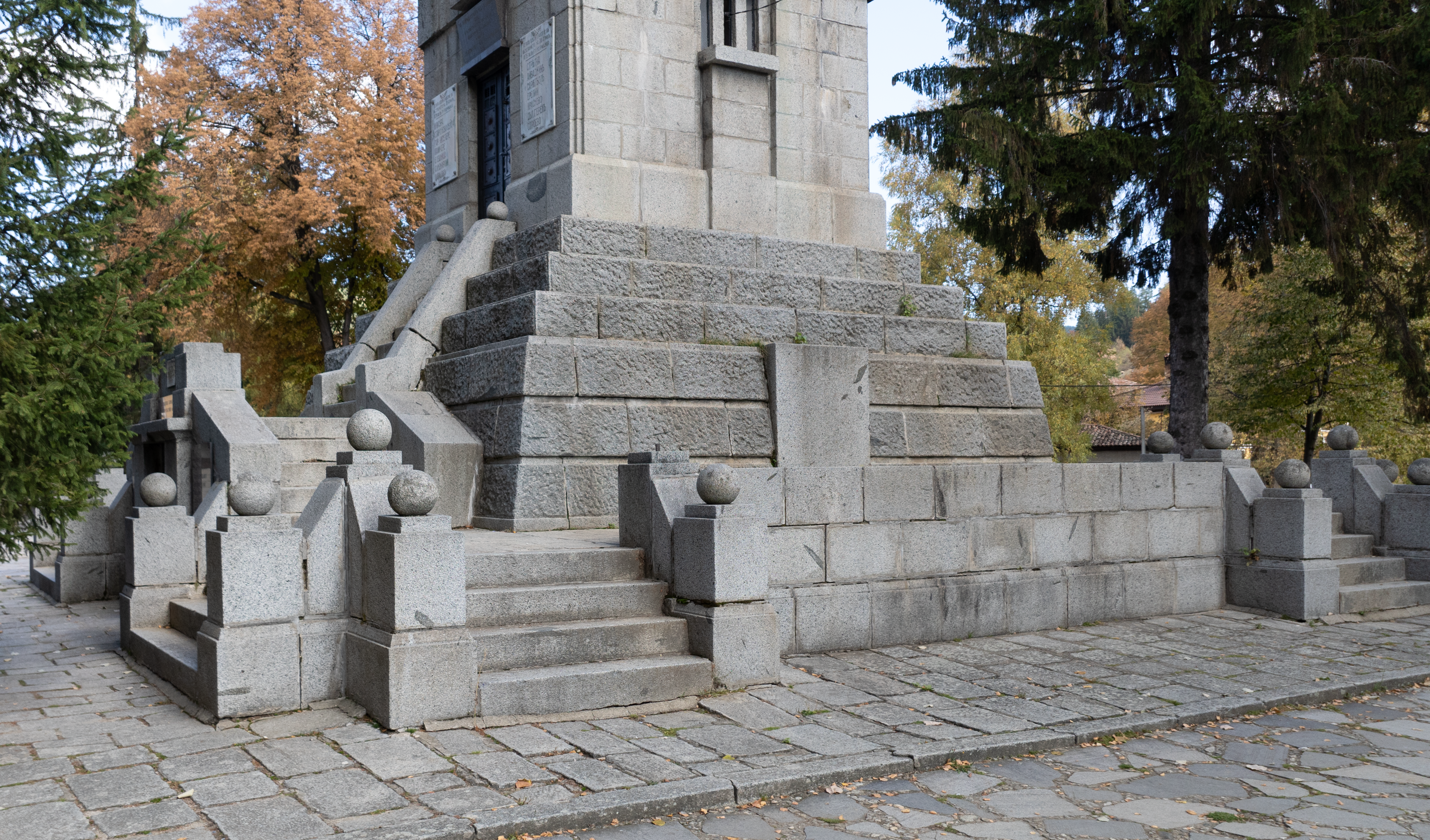
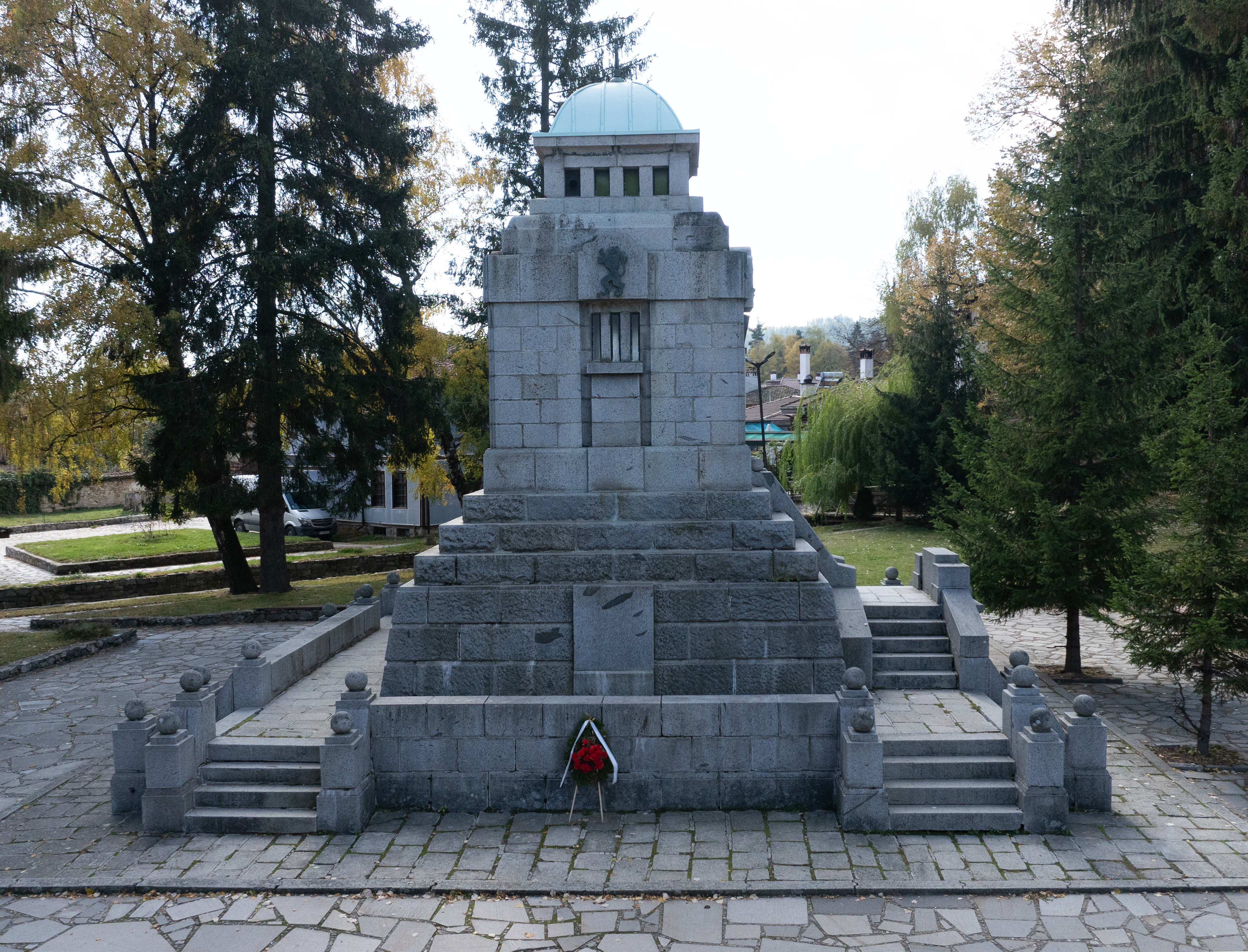
The Mausoleum-Ossuary in Koprivshtitsa is a commemorative monument dedicated to the participants who fell during the April Uprising of 1876, a defining event in Bulgaria’s national revival and struggle for liberation. The site forms part of a wider historic urban environment characterized by preserved National Revival architecture and a strong tradition of cultural tourism. Designed by architect Panteley Tsvetkov, construction began in 1926 and was carried out by local stonemasons using funds provided by the prominent local benefactor Nencho Palaveev. Although the mausoleum was officially opened in 1928, the monument was fully completed in 1930, standing today as a central symbol of the town’s revolutionary spirit.
Local Challenges
- Environmental: Climate factors such as rain, wind, extreme temperatures, humidity and drought drive erosion and long-term deterioration, while poor waste management further impacts the site and its surroundings.
- Accessibility: Unrestricted access, high foot traffic, uneven visitor distribution, and seasonality, increase tourism pressure and the risk of physical damage.
- Socio-economic: Limited regulations, insufficient conservation resources, low public awareness, and fragmented stakeholder coordination hinder effective protection and management of the site.
Objectives of Experimentation
- Visitor Management: Improve understanding and management of visitor flows to balance tourism and preservation
- Conservation & Climate Resilience: Strengthen climate resilience and preventive conservation to protect the monument.
- Digital Interpretation & Experience: Enhance interpretation and visitor experience through digital tools such as a 3D model and a 360° virtual tour.
- Local Development & Community Engagement: Support sustainable local development by integrating heritage into the economy while strengthening stakeholder collaboration and local ownership.
The HERIT ADAPT Sustainable
Tourism Model
Data-Driven Diagnosis and Understanding
The Mausoleum-Ossuary pilot demonstrates a promising approach to sustainable heritage management in an urban setting. Digital tools are central to the pilot, including a detailed 3D model of the mausoleum and a 360-degree virtual tour, showcasing advanced digital heritage practices and enhancing the visitor experience.
While the pilot emphasizes climate resilience and preventive conservation, active environmental monitoring is limited, resulting in a moderate rating for heritage and environmental risk management. Governance and stakeholder engagement show potential, with collaboration between local authorities, national agencies, and the Koprivshtitsa community. Tourism flow and sustainability have been conceptually addressed, but the absence of clear visitor management strategies remains a challenge.
Overall, the pilot builds strong foundations in governance, technology, and digital heritage, with opportunities to strengthen real-time monitoring, improve visitor management, and deepen local community engagement to ensure the site’s long-term sustainability and resilience.
Technological & Data Collection workflow includes:
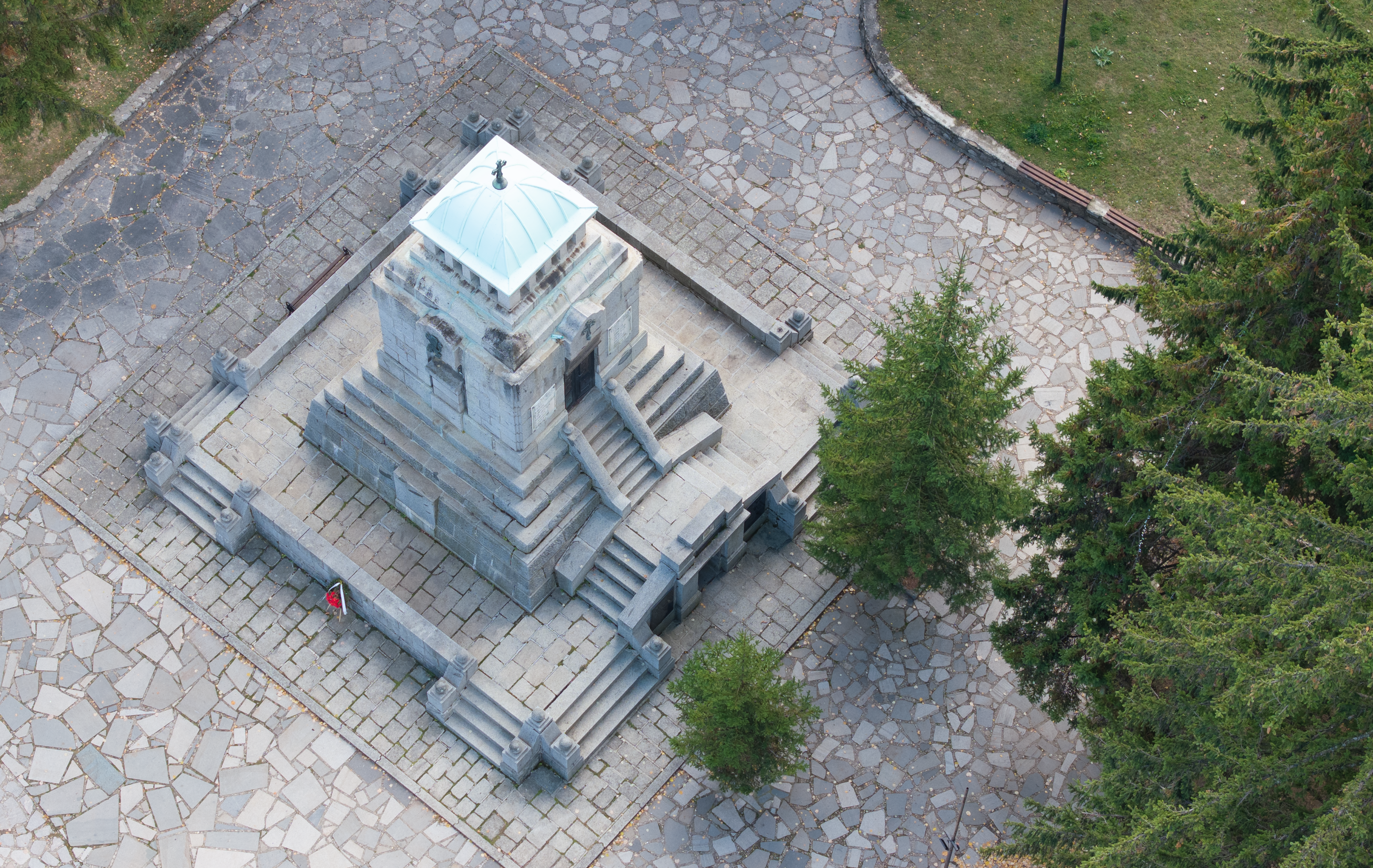
- Drone-based 3D modeling: High-resolution drone images were processed with photogrammetry software to create a detailed 3D model of the mausoleum. The resulting point cloud was converted into a textured 3D mesh, forming a realistic digital twin optimized for online and mobile access.
- 360-degree virtual tour: The virtual tour provides immersive, interactive panoramas of the interior and exterior highlighting historical and architectural features.
- Integration of Technologies: The 360-degree virtual tour complements the drone-generated 3D model, allowing users to switch between an interactive, walkable experience and a detailed 3D view, from different angles.
- Environmental Monitoring: Humidity and temperature sensors track real-time conditions, helping identify risks, guide preventive conservation, and maintain the mausoleum’s structural integrity. Visitor flow data is collected from official sources to further support management and preservation efforts.
Multi-Stakeholder Collaboration via Territorial Working Groups
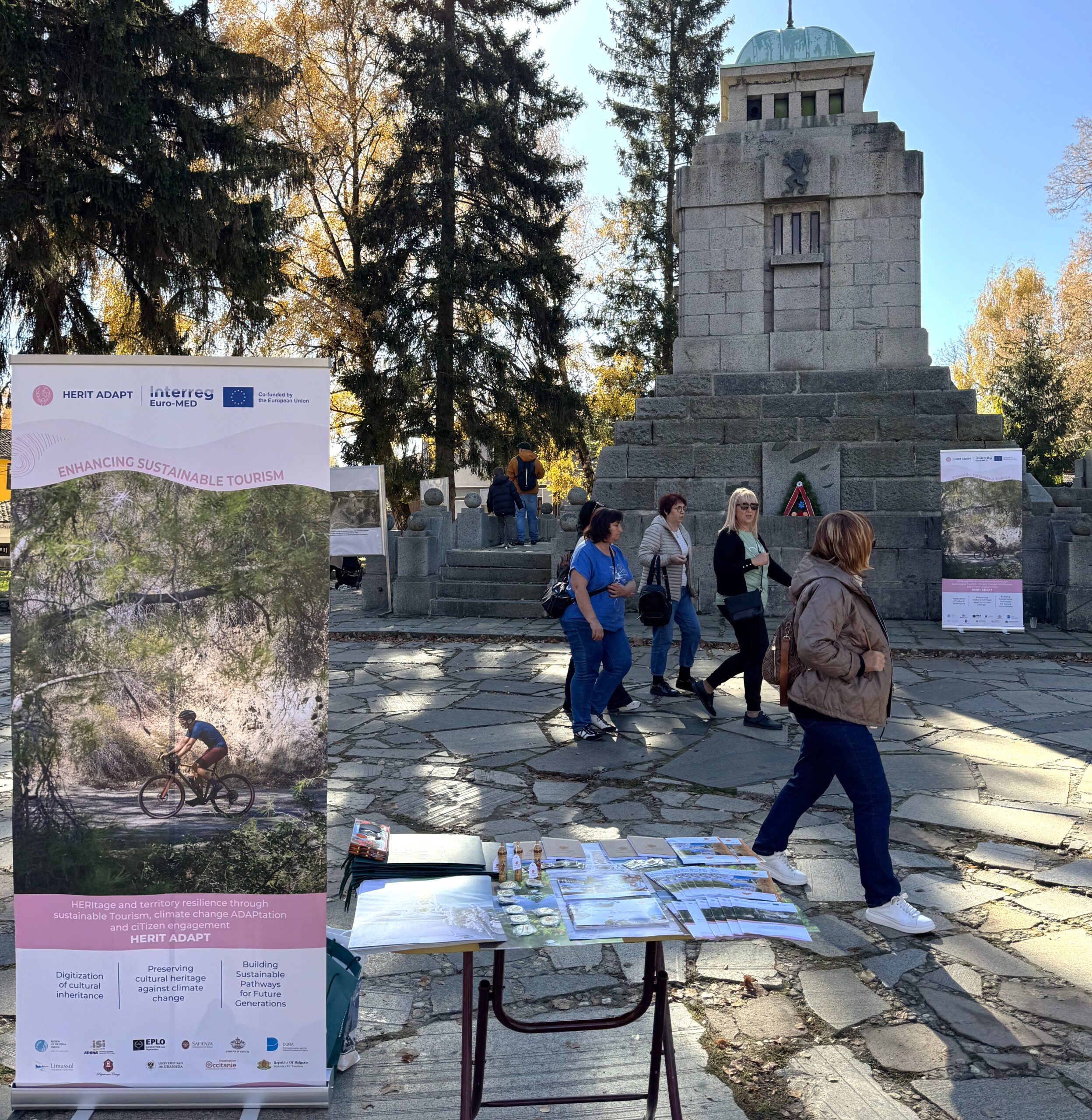
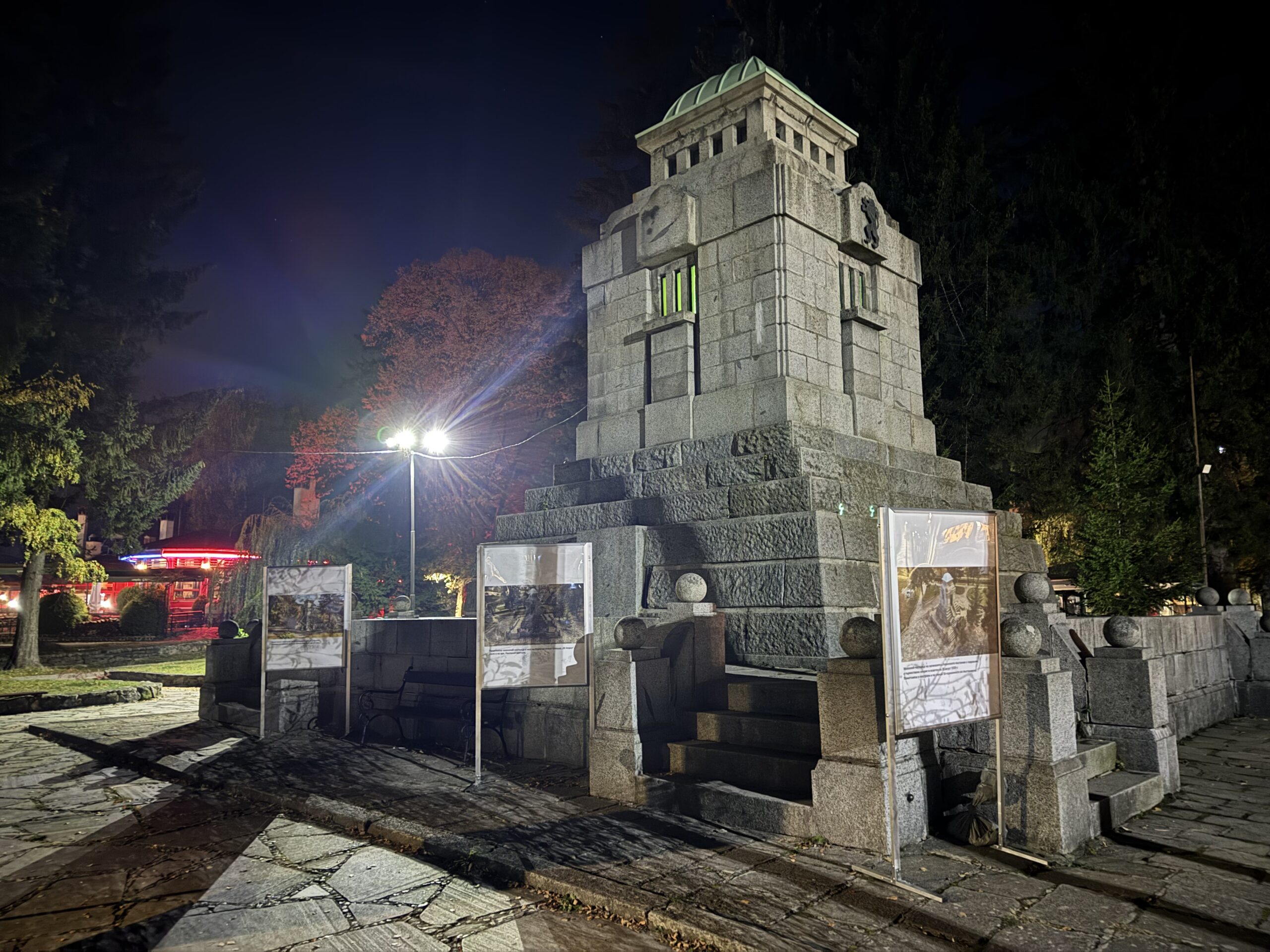
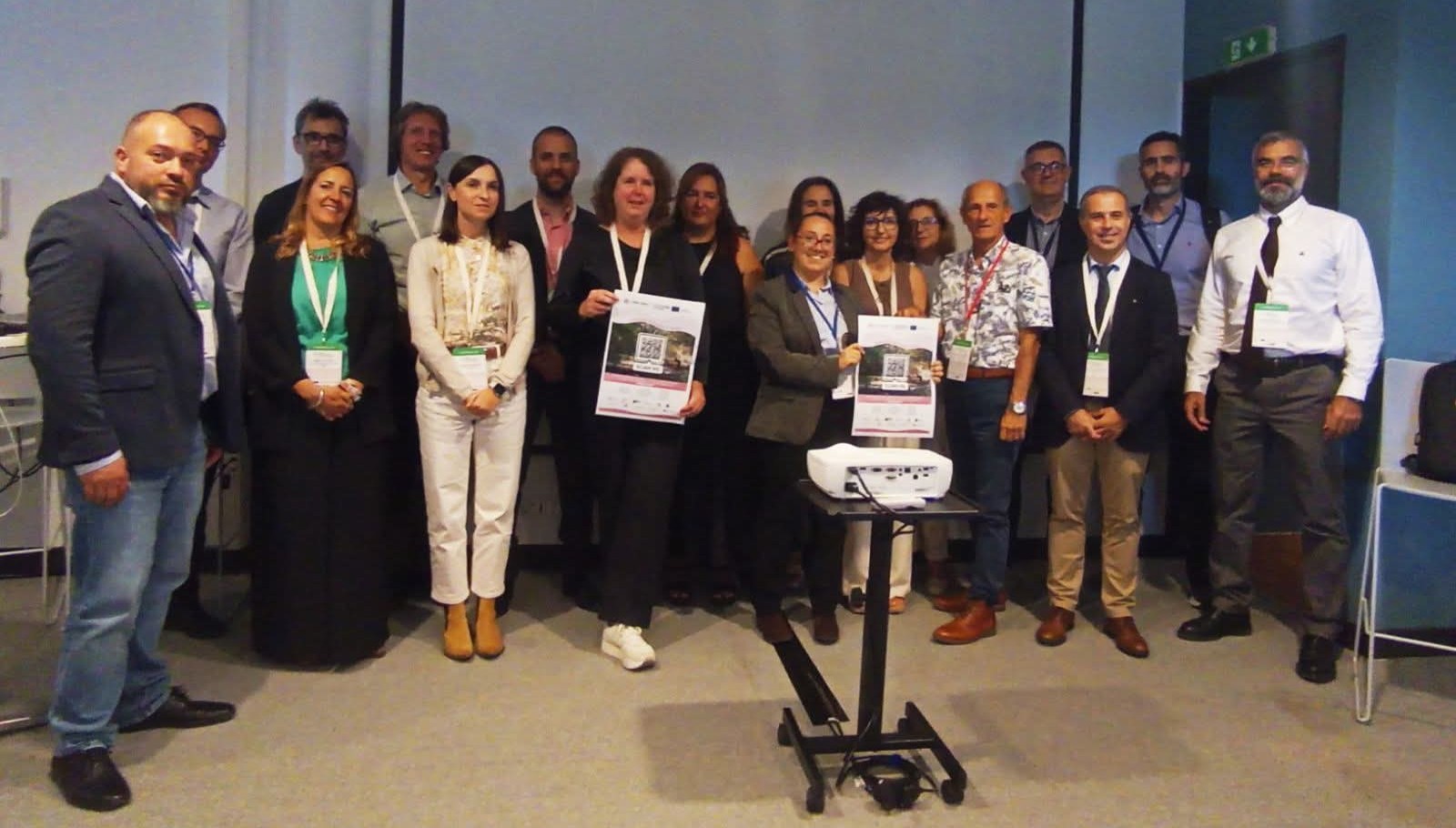
The pilot is coordinated by a Territorial Working Group (TWG) through regular meetings, complemented by broader stakeholder gatherings that bring together municipal authorities, museums, cultural institutions, schools, tourism operators, and community representatives. These meetings provide an opportunity to discuss key issues, including site preservation, promotion, and integration into educational and tourism programs. By fostering open communication and collaboration, the TWG ensures a unified approach to safeguard the Mausoleum–Ossuary while identifying opportunities for sustainable local development. Ongoing discussions enhance the site’s visibility, promote responsible tourism, and help ensure that its cultural and economic benefits are shared across the entire community.
Implementation of Adaptive and Integrated Strategies
The pilot demonstrates how integrated digital and data-driven approaches can support sustainable heritage management by
- Creating a digital archive of the Mausoleum–Ossuary
- Supporting precise monitoring and preventive conservation
- Expanding public access and enhancing visitor engagement
- Establishing strategic planning frameworks that link cultural heritage protection with sustainable tourism
Expected outcomes
- Improved interpretation and awareness through digital exhibits and innovative approaches that enrich the visitor experience, increase understanding, and inspire responsible behavior toward cultural and natural heritage.
- More balanced tourism flows through data-driven management that optimizes visitor routes, manages demand, and minimizes overcrowding, supporting sustainable tourism while preserving the site.
- Enhanced local capacity through skill development, strategic planning, and stakeholder collaboration, promoting inclusive and effective heritage management.
Overall, HERIT ADAPT contributes to making the Mausoleum-Ossuary a more sustainable and resilient destination by introducing innovative, data-based solutions and strengthening local governance.
gallery
Partners involved:

About the Pilot Site
The Mausoleum-Ossuary in Koprivshtitsa is a commemorative monument dedicated to the participants who fell during the April Uprising of 1876, a defining event in Bulgaria’s national revival and struggle for liberation. The site forms part of a wider historic urban environment characterized by preserved National Revival architecture and a strong tradition of cultural tourism. Designed by architect Panteley Tsvetkov, construction began in 1926 and was carried out by local stonemasons using funds provided by the prominent local benefactor Nencho Palaveev. Although the mausoleum was officially opened in 1928, the monument was fully completed in 1930, standing today as a central symbol of the town’s revolutionary spirit.
Local Challenges
- Environmental: Climate factors such as rain, wind, extreme temperatures, humidity and drought drive erosion and long-term deterioration, while poor waste management further impacts the site and its surroundings.
- Accessibility: Unrestricted access, high foot traffic, uneven visitor distribution, and seasonality, increase tourism pressure and the risk of physical damage.
- Socio-economic: Limited regulations, insufficient conservation resources, low public awareness, and fragmented stakeholder coordination hinder effective protection and management of the site.
Objectives of Experimentation
- Visitor Management: Improve understanding and management of visitor flows to balance tourism and preservation
- Conservation & Climate Resilience: Strengthen climate resilience and preventive conservation to protect the monument.
- Digital Interpretation & Experience: Enhance interpretation and visitor experience through digital tools such as a 3D model and a 360° virtual tour.
- Local Development & Community Engagement: Support sustainable local development by integrating heritage into the economy while strengthening stakeholder collaboration and local ownership.
The HERIT ADAPT Sustainable
Tourism Model
Data-Driven Diagnosis and Understanding
The Mausoleum-Ossuary pilot demonstrates a promising approach to sustainable heritage management in an urban setting. Digital tools are central to the pilot, including a detailed 3D model of the mausoleum and a 360-degree virtual tour, showcasing advanced digital heritage practices and enhancing the visitor experience.
While the pilot emphasizes climate resilience and preventive conservation, active environmental monitoring is limited, resulting in a moderate rating for heritage and environmental risk management. Governance and stakeholder engagement show potential, with collaboration between local authorities, national agencies, and the Koprivshtitsa community. Tourism flow and sustainability have been conceptually addressed, but the absence of clear visitor management strategies remains a challenge.
Overall, the pilot builds strong foundations in governance, technology, and digital heritage, with opportunities to strengthen real-time monitoring, improve visitor management, and deepen local community engagement to ensure the site’s long-term sustainability and resilience.
Technological & Data Collection workflow includes:
- Drone-based 3D modeling: High-resolution drone images were processed with photogrammetry software to create a detailed 3D model of the mausoleum. The resulting point cloud was converted into a textured 3D mesh, forming a realistic digital twin optimized for online and mobile access.
- 360-degree virtual tour: The virtual tour provides immersive, interactive panoramas of the interior and exterior highlighting historical and architectural features.
- Integration of Technologies: The 360-degree virtual tour complements the drone-generated 3D model, allowing users to switch between an interactive, walkable experience and a detailed 3D view, from different angles.
- Environmental Monitoring: Humidity and temperature sensors track real-time conditions, helping identify risks, guide preventive conservation, and maintain the mausoleum’s structural integrity. Visitor flow data is collected from official sources to further support management and preservation efforts.
Multi-Stakeholder Collaboration via Territorial Working Groups
The pilot is coordinated by a Territorial Working Group (TWG) through regular meetings, complemented by broader stakeholder gatherings that bring together municipal authorities, museums, cultural institutions, schools, tourism operators, and community representatives. These meetings provide an opportunity to discuss key issues, including site preservation, promotion, and integration into educational and tourism programs. By fostering open communication and collaboration, the TWG ensures a unified approach to safeguard the Mausoleum–Ossuary while identifying opportunities for sustainable local development. Ongoing discussions enhance the site’s visibility, promote responsible tourism, and help ensure that its cultural and economic benefits are shared across the entire community.
Implementation of Adaptive and Integrated Strategies
The pilot demonstrates how integrated digital and data-driven approaches can support sustainable heritage management by
- Creating a digital archive of the Mausoleum–Ossuary
- Supporting precise monitoring and preventive conservation
- Expanding public access and enhancing visitor engagement
- Establishing strategic planning frameworks that link cultural heritage protection with sustainable tourism
Expected outcomes
- Improved interpretation and awareness through digital exhibits and innovative approaches that enrich the visitor experience, increase understanding, and inspire responsible behavior toward cultural and natural heritage.
- More balanced tourism flows through data-driven management that optimizes visitor routes, manages demand, and minimizes overcrowding, supporting sustainable tourism while preserving the site.
- Enhanced local capacity through skill development, strategic planning, and stakeholder collaboration, promoting inclusive and effective heritage management.
Overall, HERIT ADAPT contributes to making the Mausoleum-Ossuary a more sustainable and resilient destination by introducing innovative, data-based solutions and strengthening local governance.
gallery
Partners involved: