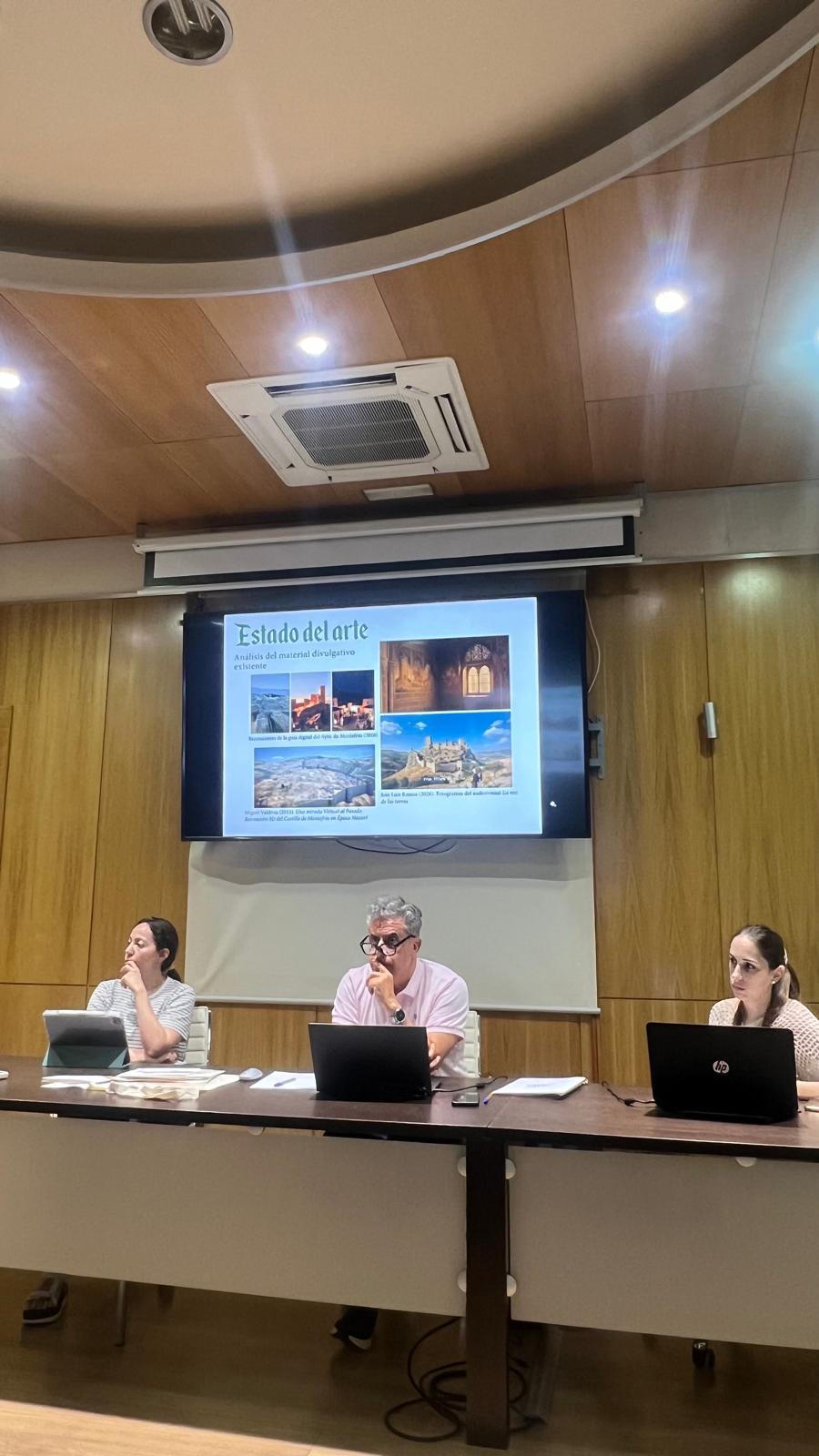
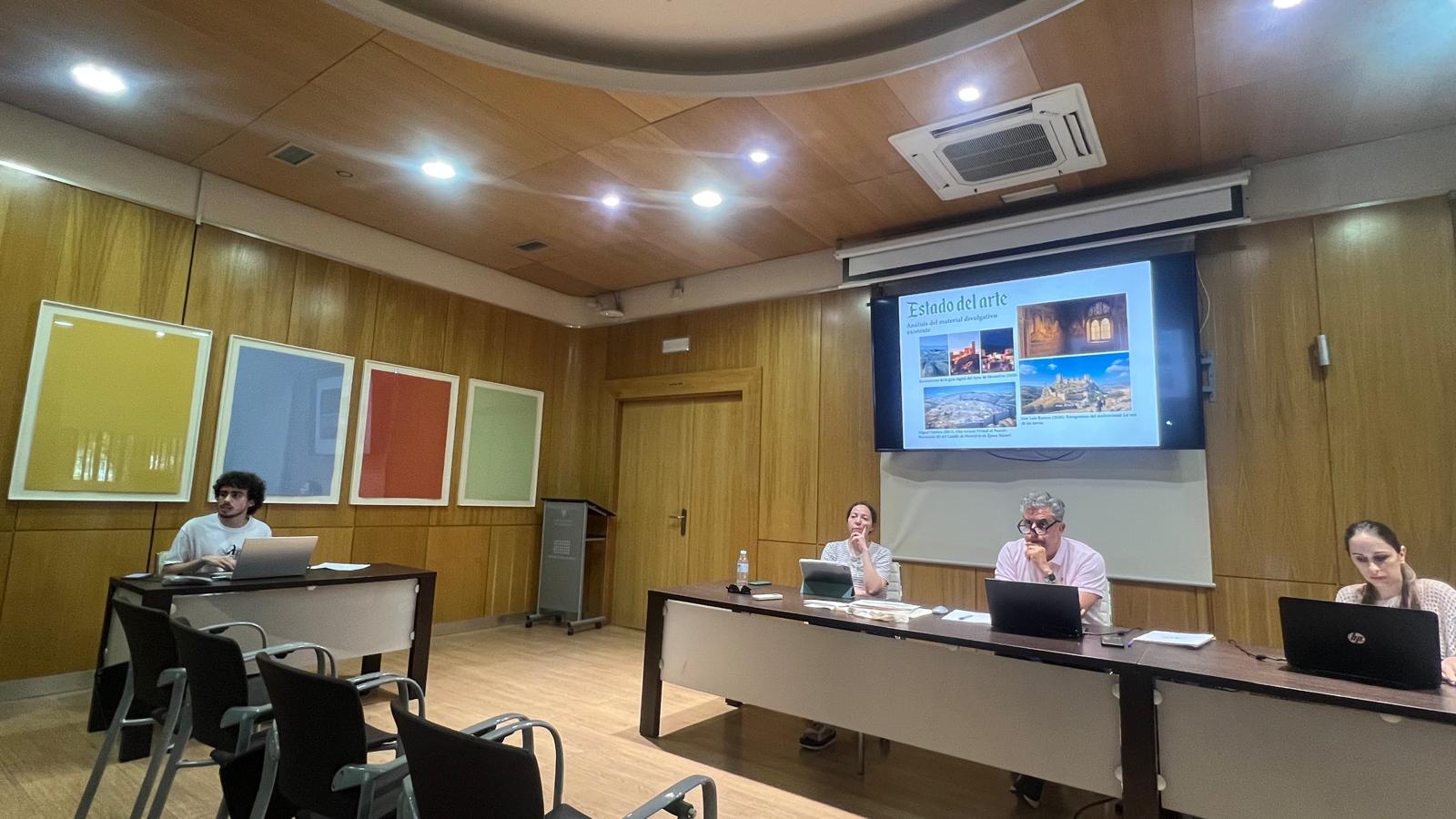
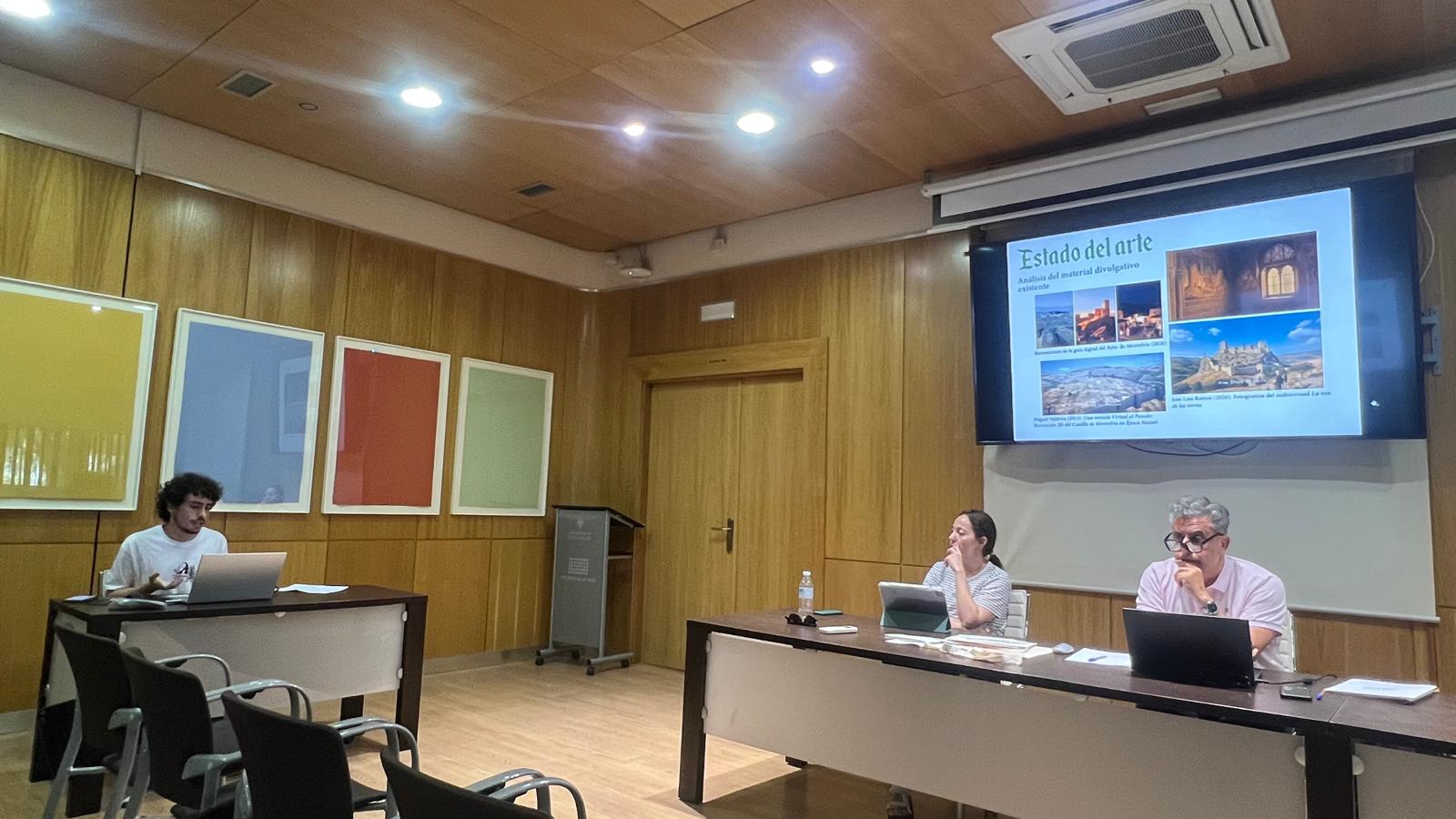
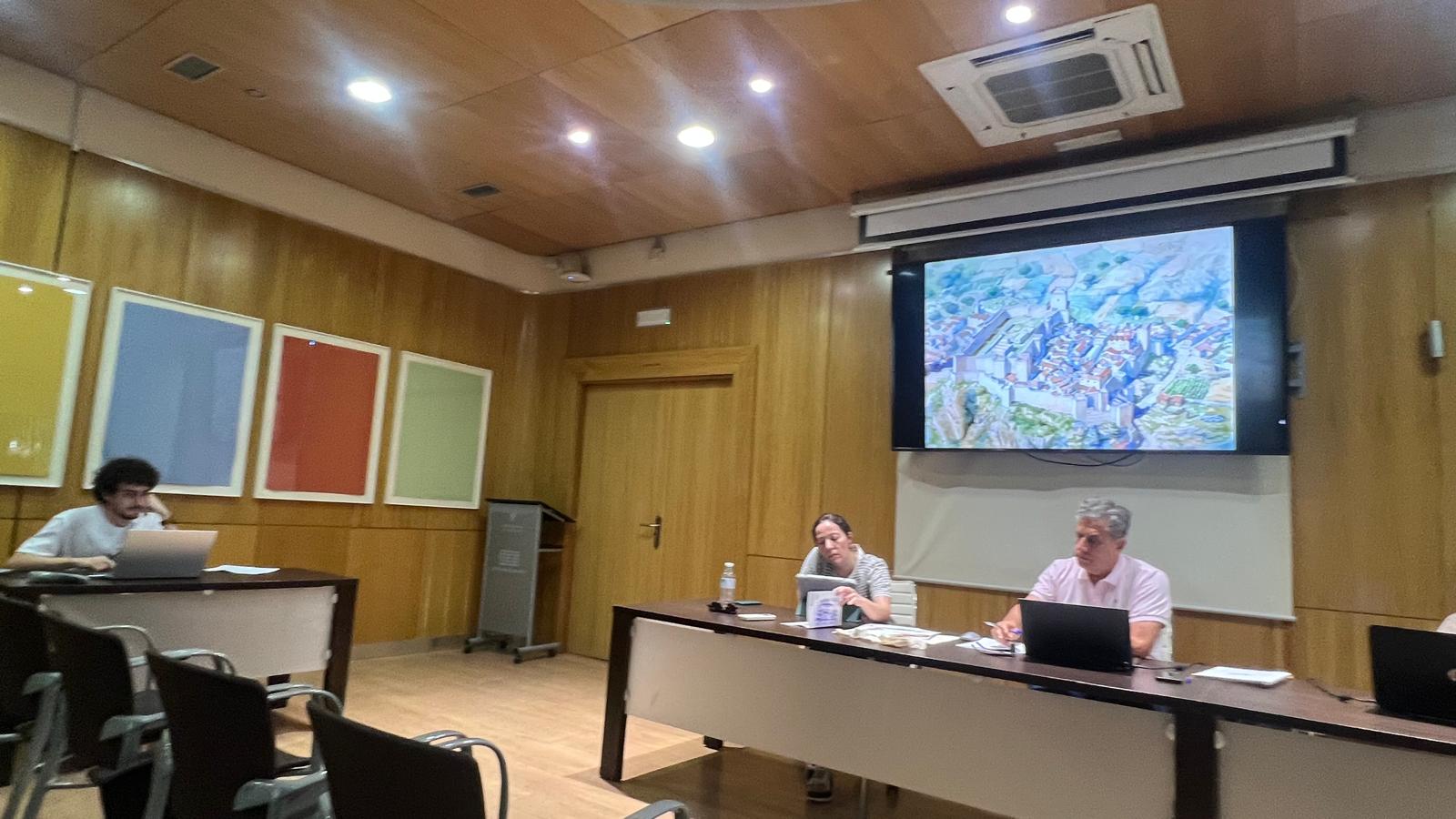
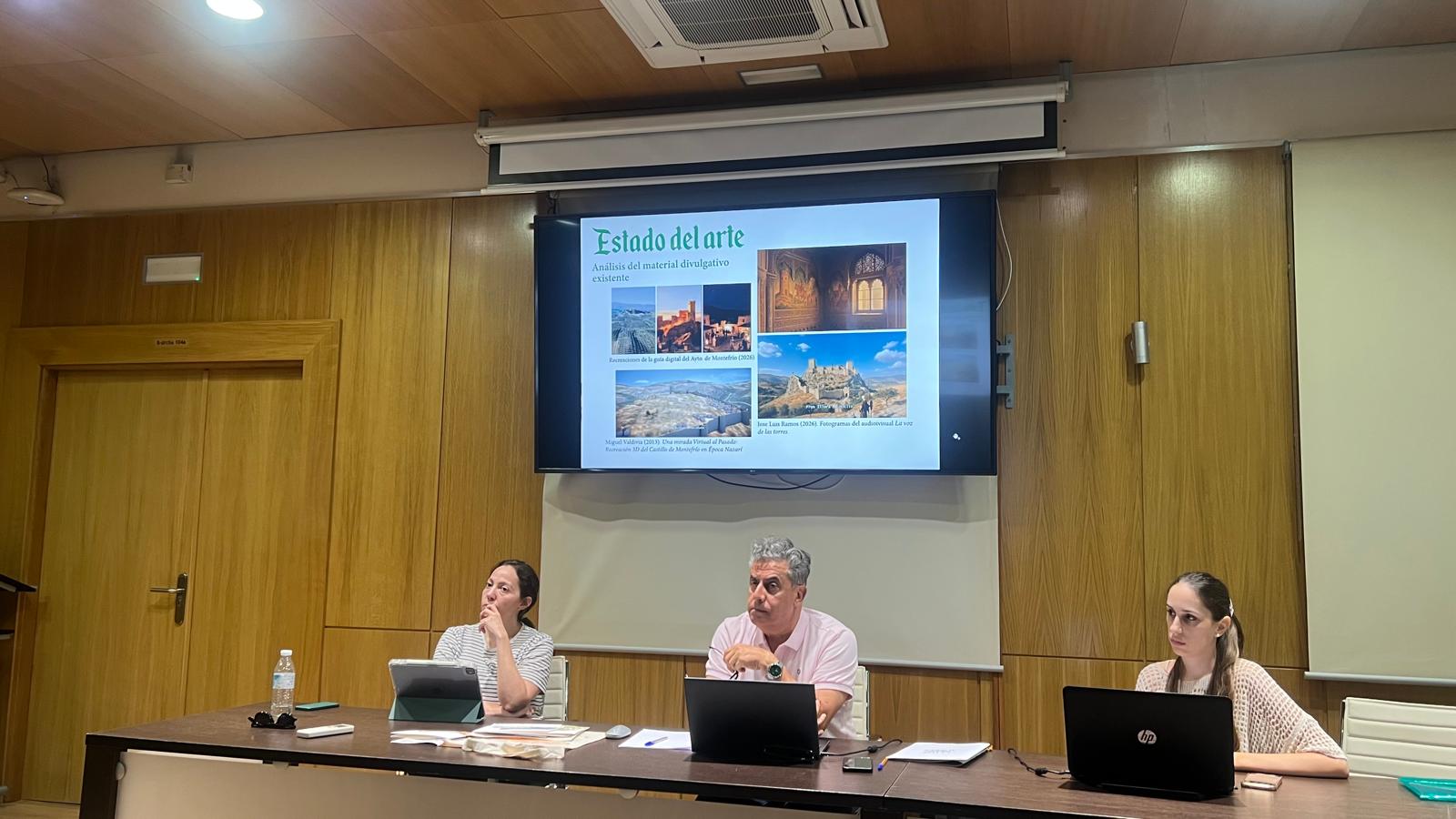
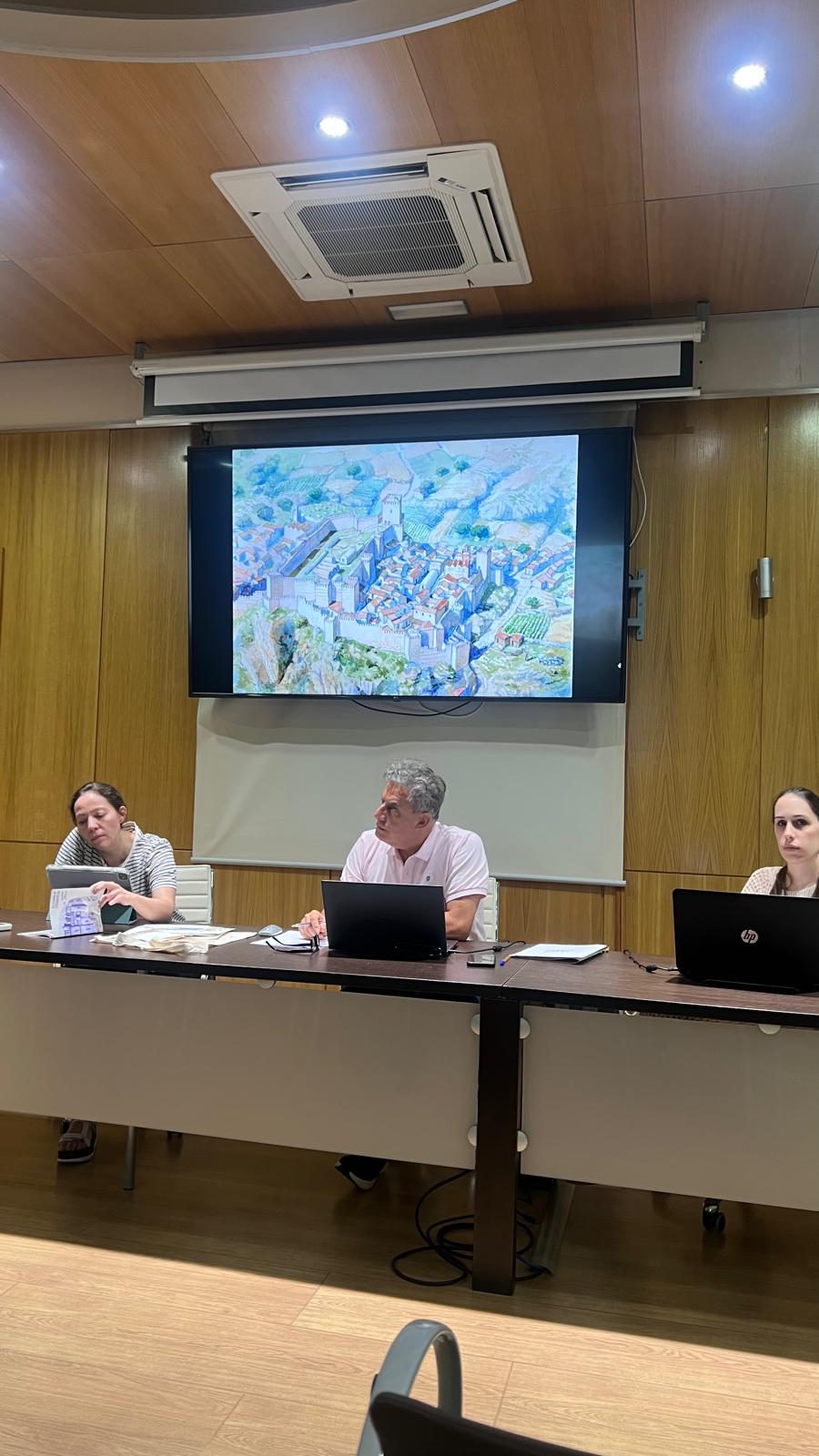
Manuel González de Molina Calderón has successfully defended his Master’s Thesis, entitled “The Frontier of Western Granada: Enhancing the Defensive Heritage of the Western Highlands through Drawing”, as part of the Master’s Degree in Drawing: Illustration, Comics and Audiovisual Creation at the University of Granada, under the supervision of Dr Ana García López.
The thesis was developed within the framework of HERIT ADAPT, specifically as part of the La Voz de las Torres initiative. It contributes to the project’s knowledge transfer activities, which aim to promote the valorisation of cultural heritage and support more sustainable tourism models in the municipalities of Íllora, Moclín, and Montefrío.
The research presents an innovative approach to the interpretation and dissemination of the Nasrid defensive heritage of Western Granada by using drawing as a tool for artistic research and heritage communication. Combining historical and archaeological rigour with contemporary graphic practice, the project develops visual hypotheses of the original appearance of castles and watchtowers, an illustrated territorial map, and a series of graphic and editorial outputs designed to make this heritage more accessible to both visitors and local communities.
Among its main objectives, the thesis focuses on enhancing the Andalusian defensive heritage of the Western Granada Highlands, exploring drawing as a medium for heritage interpretation and communication, producing high-quality visual resources to enrich the cultural tourism offer, and strengthening local identity and citizens’ sense of belonging to their historical heritage.
The work also reflects on the role of drawing in a context increasingly shaped by digitalisation, artificial intelligence, and three-dimensional heritage reconstructions. Rather than positioning traditional drawing techniques and digital technologies as opposing approaches, the research demonstrates how drawing can offer a distinctive visual language that complements digital reconstructions through a personal, rigorous, and highly communicative artistic interpretation.
Through this Master’s Thesis, HERIT ADAPT continues to strengthen the links between research, artistic creation, and innovation, promoting new approaches to cultural heritage interpretation while contributing to its conservation, dissemination, and the sustainable development of the territories involved in the project.