Temple of Apollo Hylates

Limassol, Cyprus
About the Pilot Site
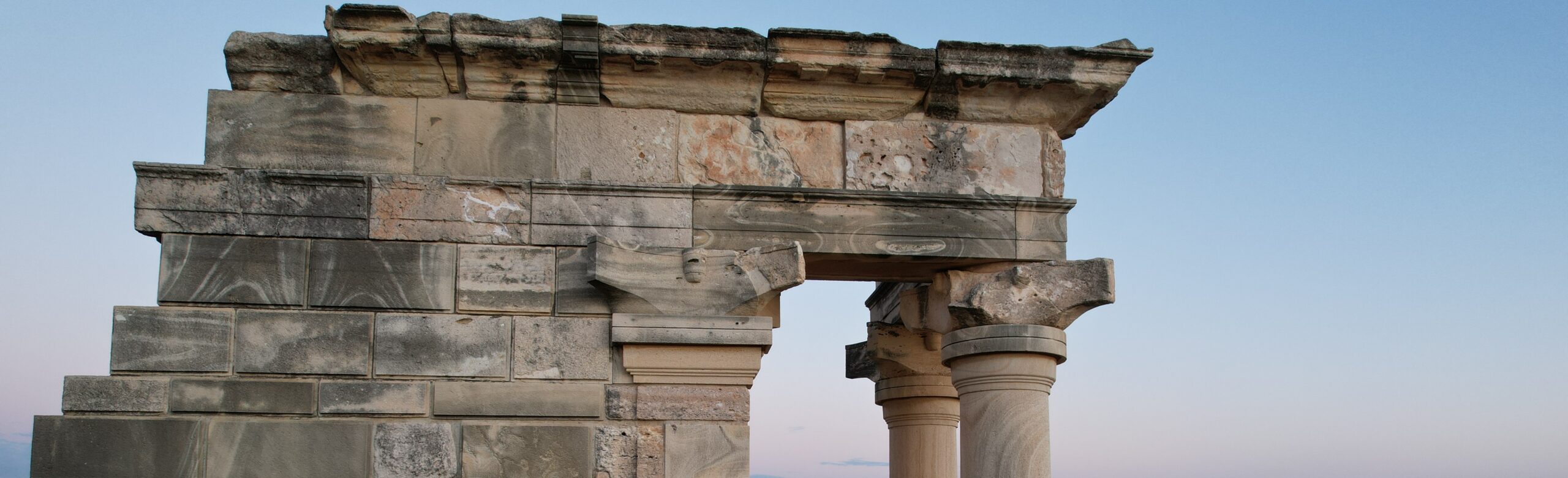
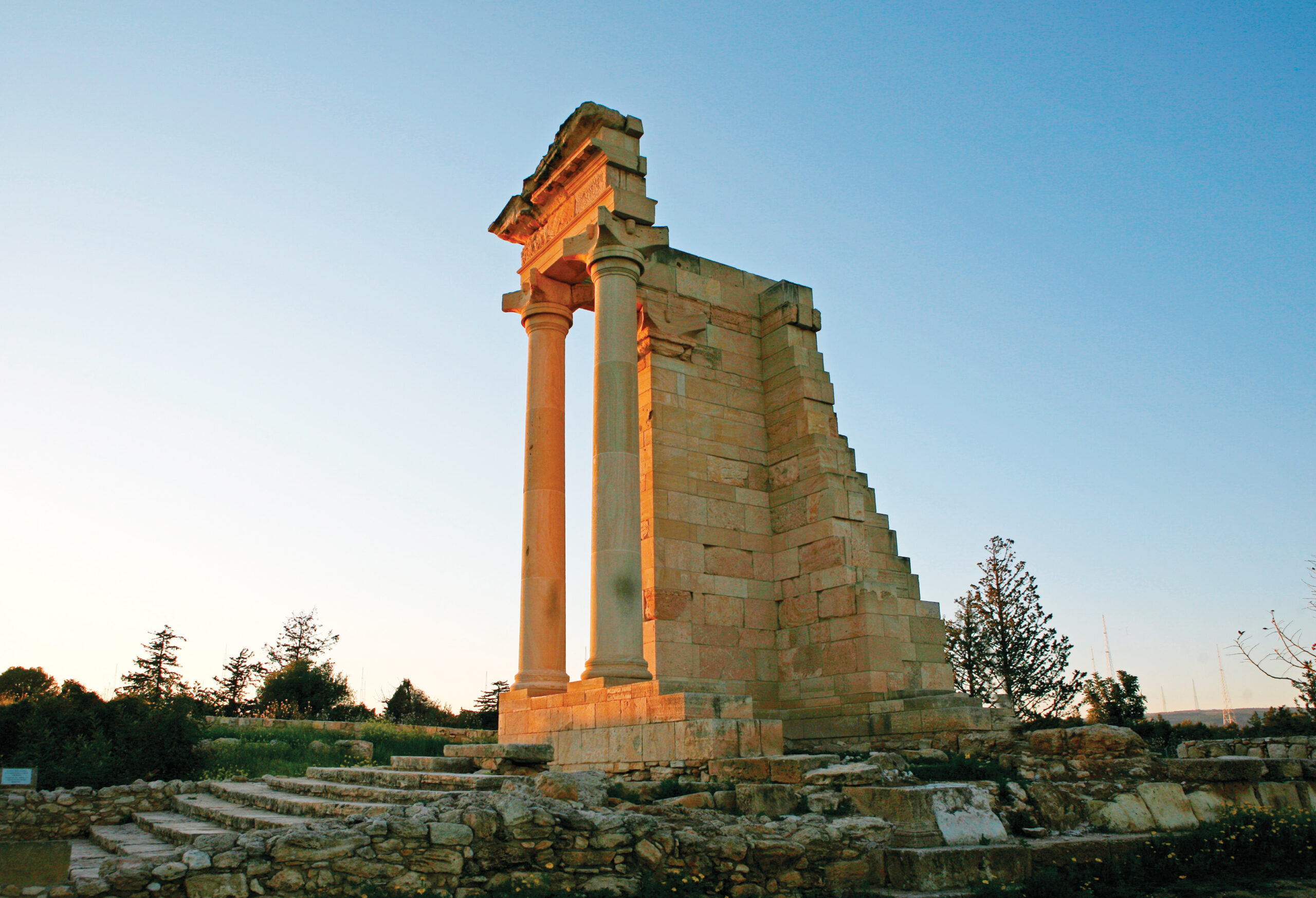
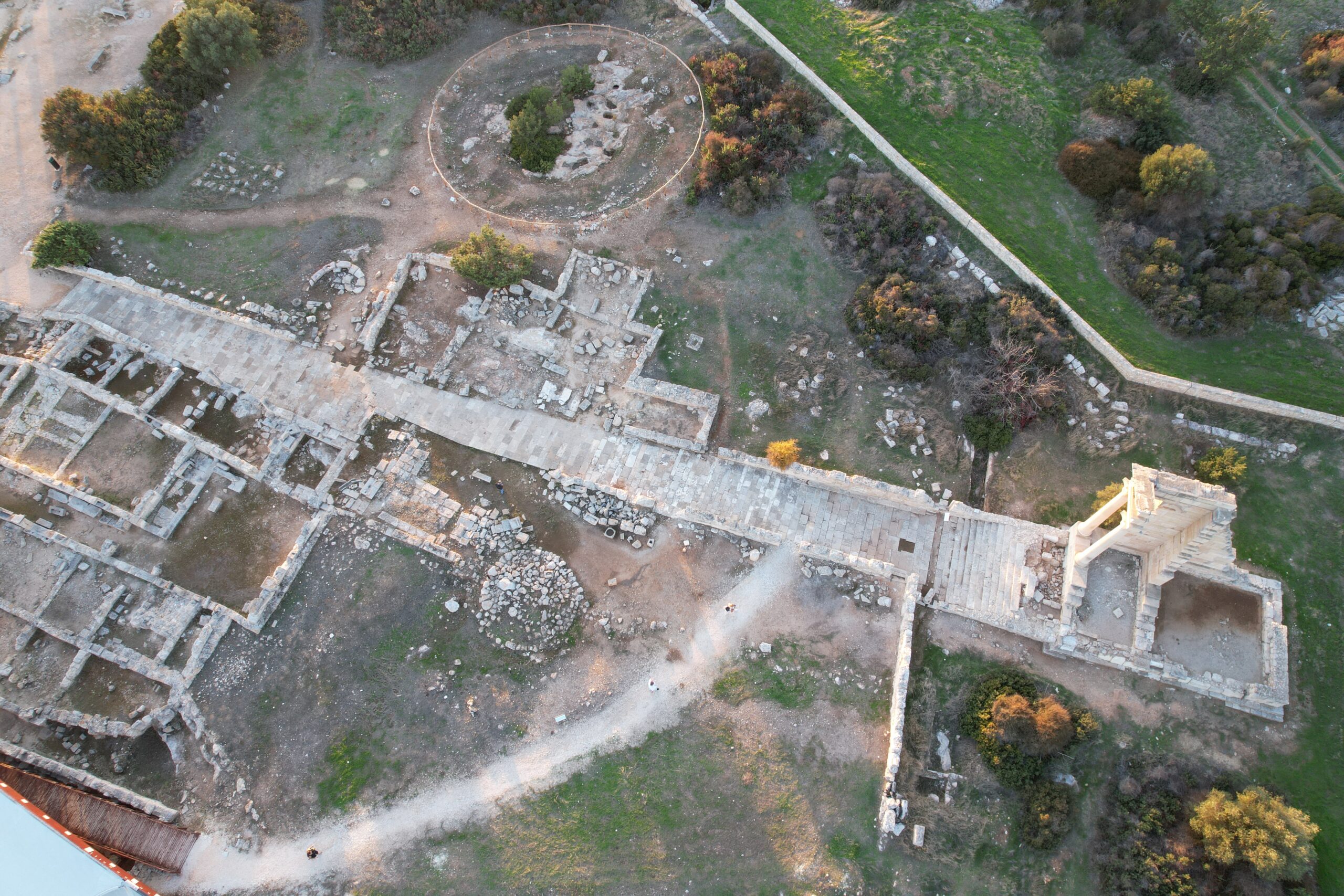
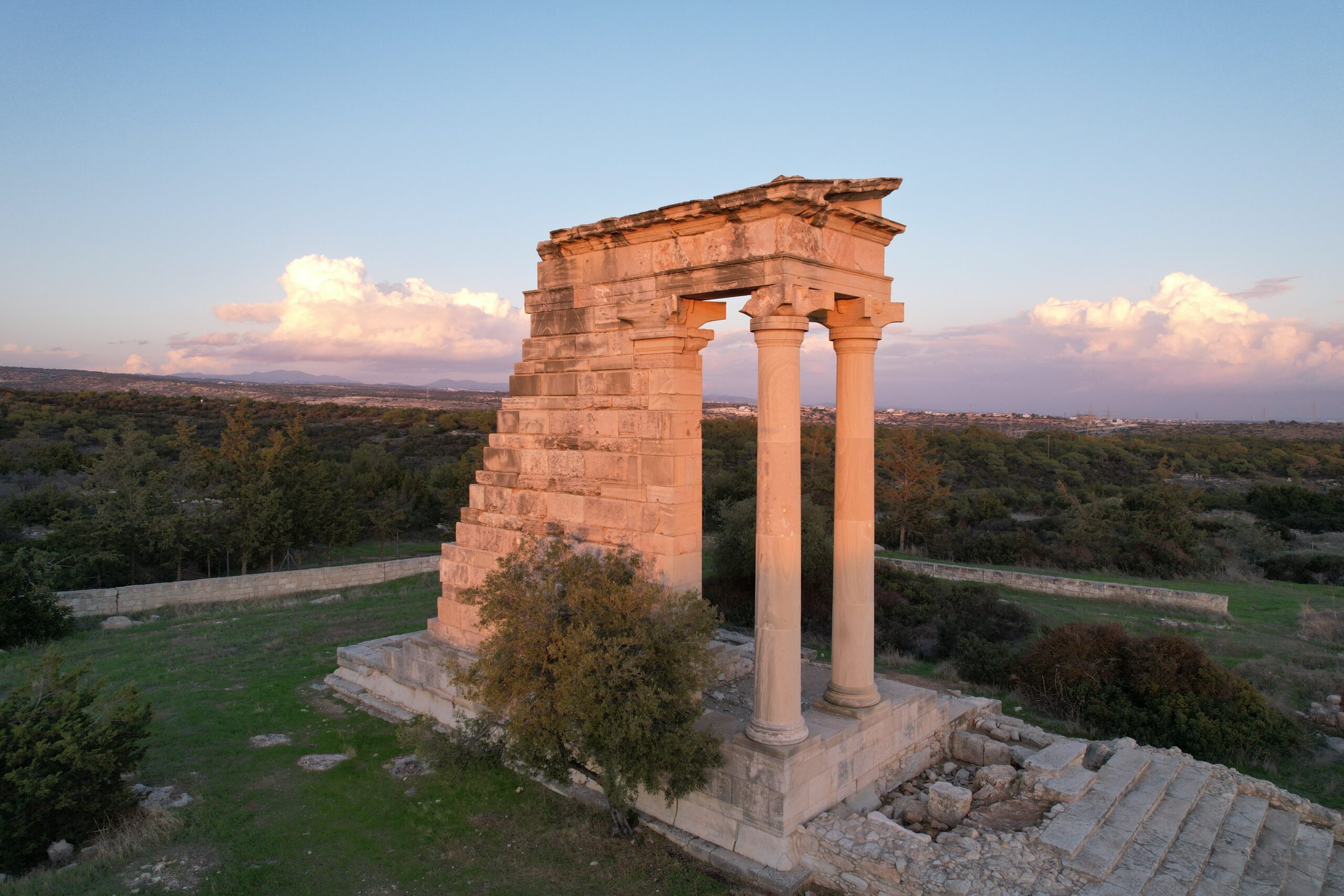
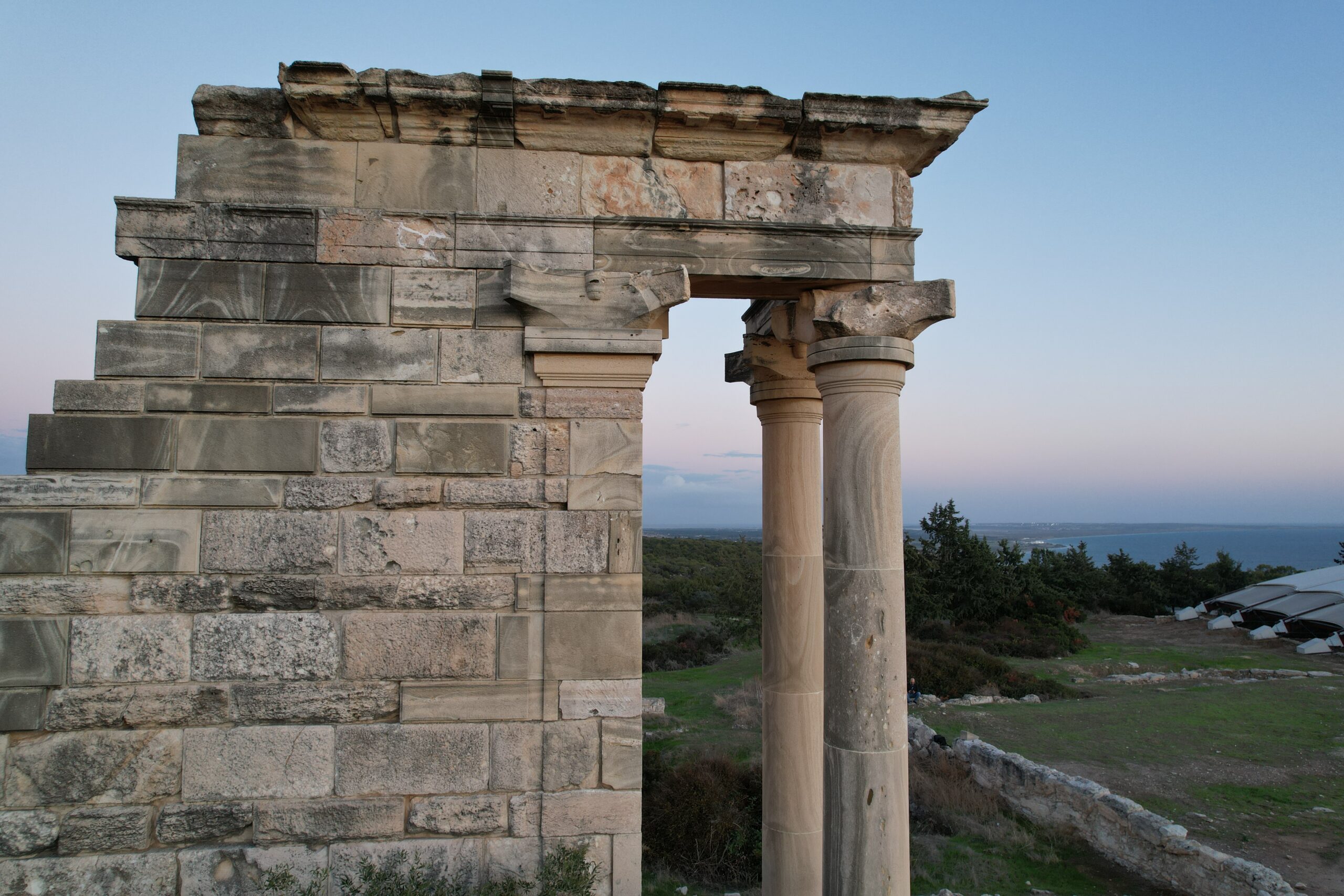
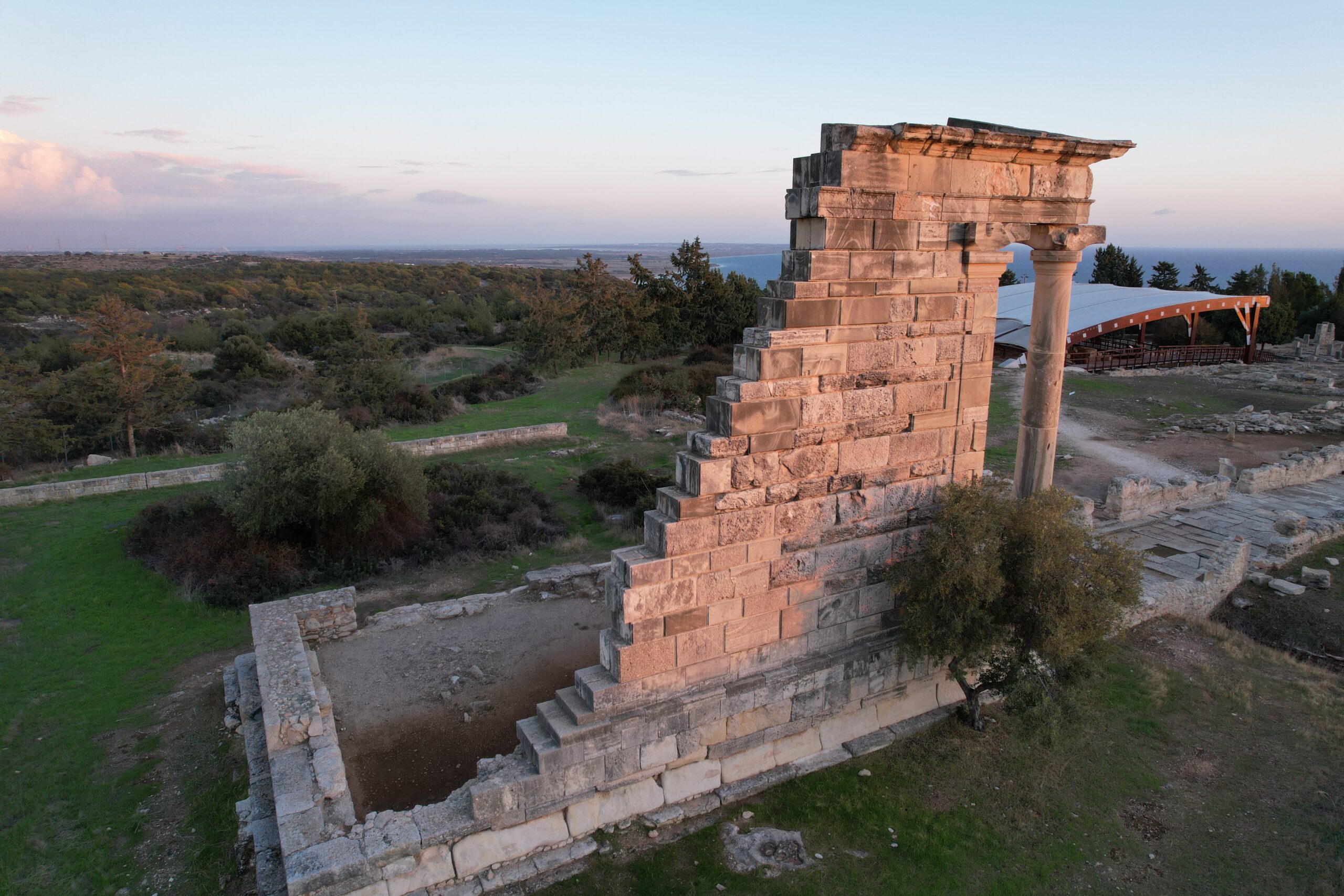
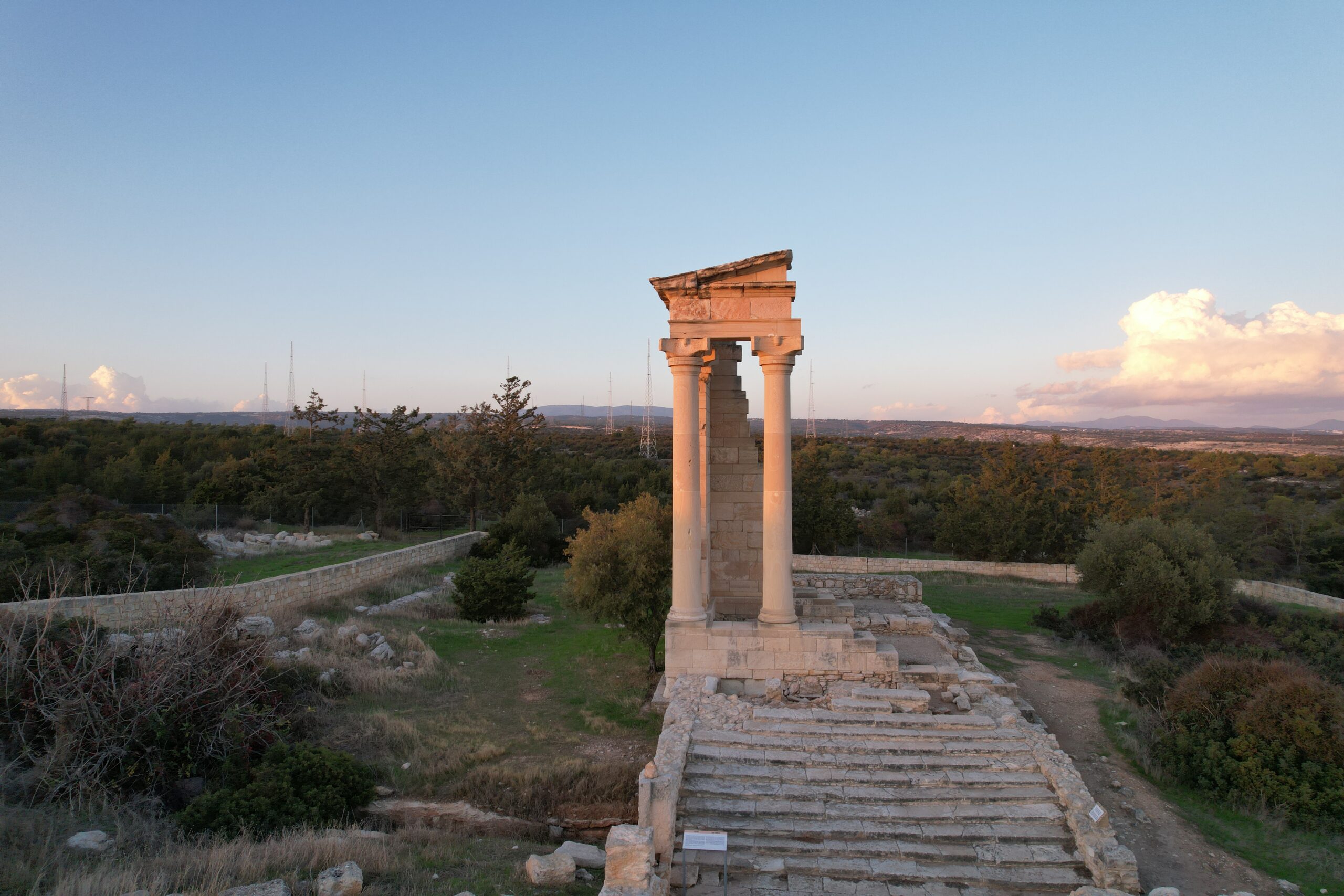
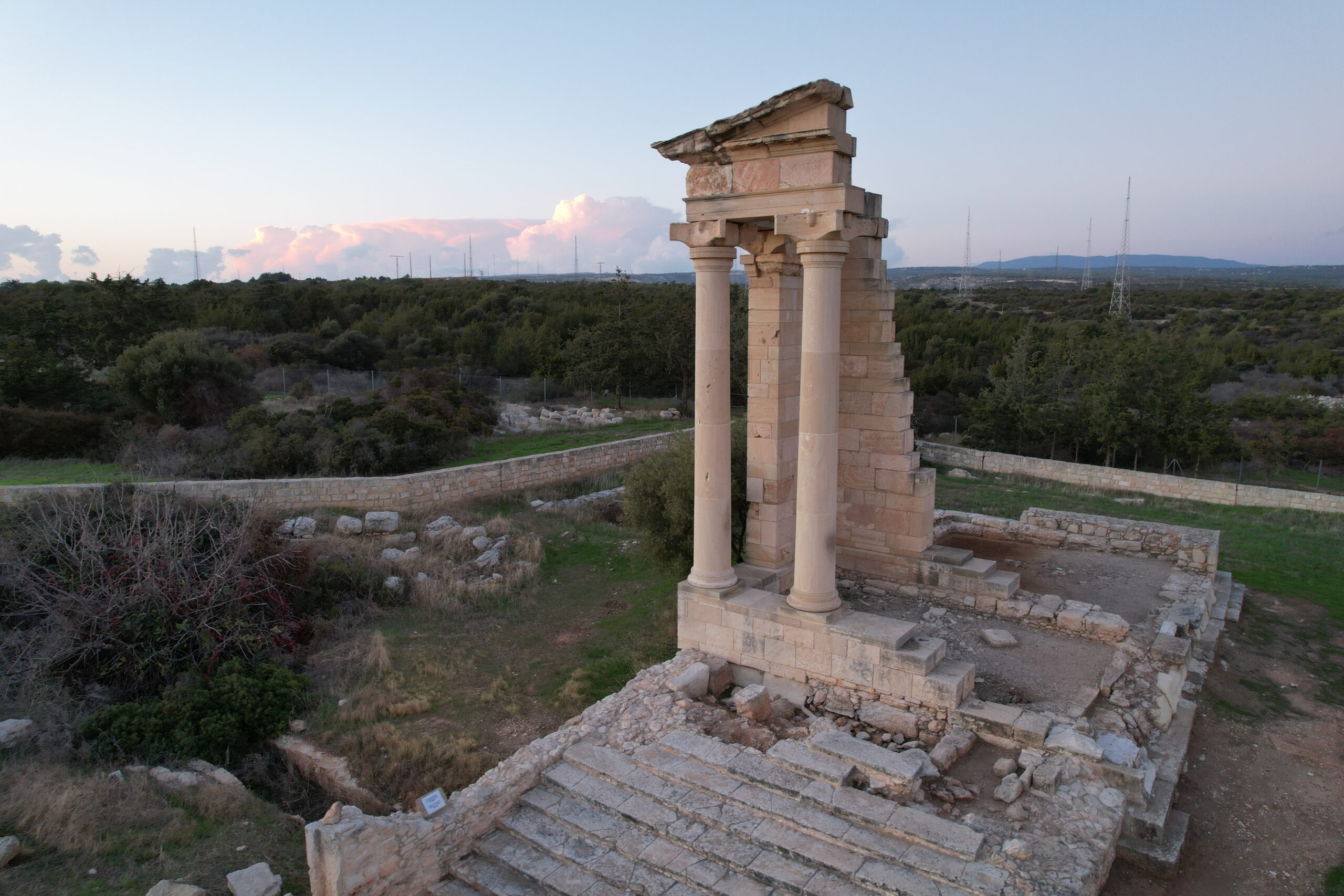
Apollon Hylates, a sanctuary, was an important religious centre. Originally, the site consisted of a temple, a circular monument, and a formalized Archaic Altar and Precinct. During the Roman period the site was extended with the addition of the south and north buildings, which may have been used for the display of votives or the accommodation of visitors. Most of the monuments belong to the site’s 1st century AD restorations and consist of Apollo’s temple (which has been partly restored), pilgrim halls, the ‘palaistra’ (where athletes exercised and played games), a bath complex, and a holy precinct.
Local Challenges
The Temple of Apollo Hylates faces a range of interconnected challenges:
- Location & Heritage Preservation: As a coastal site near Kourion, the temple is exposed to climate change, environmental factors like rain, wind, heat, and humidity, as well as potential damage from tourist foot traffic and human activity.
- Visitor Access & Management: Limited pedestrian-friendly infrastructure, especially for visitors with disabilities, and insufficient public transport restrict access and circulation.
- Protection & Sustainability: Lack of regulations and strategies to manage high visitor numbers, mitigate climate-related risks, and promote sustainable tourism practices.
- Environmental Awareness & Waste Management: Inadequate waste management can harm the environment and contribute to site degradation.
Objectives of Experimentation
- Scientific & Restoration: Develop a highly accurate 3D model to support conservation, restoration planning, and scientific study.
- Visitor Engagement & Accessibility: Develop digital tools and interpretive materials to enhance engagement, accessibility, and understanding of the site’s cultural and natural values. Supports innovation and digital transition by creating meaningful, educational, and sustainable visitor experiences.
- Environmental Sustainability: Implement eco-efficient practices to minimize resource use and pollution, promoting responsible, low-impact tourism.
- Visitor Flows & Year-Round Tourism: Position the site as an alternative to mass-tourism destinations to balance visitor flows, reduce seasonality, and alleviate pressure on overcrowded areas.
- Community Involvement & Local Value Chains: Engage local stakeholders to ensure shared benefits and active stewardship of heritage assets and strengthens socio-economic sustainability.
The HERIT ADAPT Sustainable
Tourism Model
Data-Driven Diagnosis and Understanding
Digital innovation is at the heart of the Limassol pilot at the Temple of Apollo Hylates, enhancing both visitor engagement and heritage preservation. A high-resolution 3D model captures the temple’s geometry, surface textures, carvings, cracks, and structural details, providing a critical tool for conservation, restoration planning, and scientific study. Complementing this, a low-resolution 3D model has been created for virtual tours, online exhibitions, and educational outreach, making the site’s heritage accessible to a broader audience. The pilot also includes a comprehensive image archive of high-resolution aerial and terrestrial photographs, along with 360° HDR photospheres, supporting research, long-term documentation, and future digital reinterpretation of the site.
Technological & Data Collection workflow includes:
- 3D Documentation: Terrestrial laser scanning and drone photogrammetry capturing intricate architectural details with sub-centimetre precision.
- Integrated Data Collection: Laser and drone datasets are cross-checked to ensure completeness and create a robust foundation for reconstruction.
- Advanced Data Capture: Drones with GPS, laser scanning with accuracy, and 360° imaging provide precise, multidimensional documentation.
- Data Processing & Reconstruction: Photogrammetry software (Agisoft Metashape, RealityCapture) reconstructs geometries, refined and textured using Blender, MeshLab, or ZBrush.
Multi-Stakeholder Collaboration via Territorial Working Groups
The HERIT ADAPT pilot at the Sanctuary of Apollo Hylates is grounded in multistakeholder collaboration through the Limassol Territorial Working Group (TWG), which brings together public institutions, academia, private entities, NGOs, and local communities to co-design sustainable management strategies. Workshops and training sessions equip local guides and businesses to use 3D models, virtual materials, and interpretive tools for education and visitor management. Participatory decision-making ensures interventions align with cultural preservation and climate resilience, while digital technologies and inclusive governance position citizens as active contributors to the site’s long-term sustainability.
Implementation of Adaptive and Integrated Strategies
Serving as a living laboratory, the pilot applies the HERIT ADAPT model, providing measurable evidence of how integrated, participatory, and technology-supported approaches can make heritage sites more resilient and sustainable. The pilot tests and demonstrates innovative, sustainable practices which:
- Enhance digital and physical accessibility
- Balance heritage conservation with visitor satisfaction and local development
- Expand public access and enhancing visitor engagement
- Guide adaptive management and policy decisions and ensuring replicability potential across other pilot sites.
Expected outcomes:
- Increased visitor engagement & understanding through the 3D model
- Improved destination stewardship through strengthened collaboration and training activities
- consistent sustainable tourism model that continues beyond the project period and
- reinforces community and heritage value.
- Improved accessibility through inclusive pathways
- More balanced tourism to reduce peak-season pressure and spread economic benefits.
Overall, HERIT ADAPT contributes to making the Temple of Apollo Hylates a more sustainable and resilient destination by introducing innovative, data-based solutions and strengthening local governance.
Partners involved: