Temple of Apollo Epicurius
Bassae of Phigaleia, Greece
About the Pilot Site
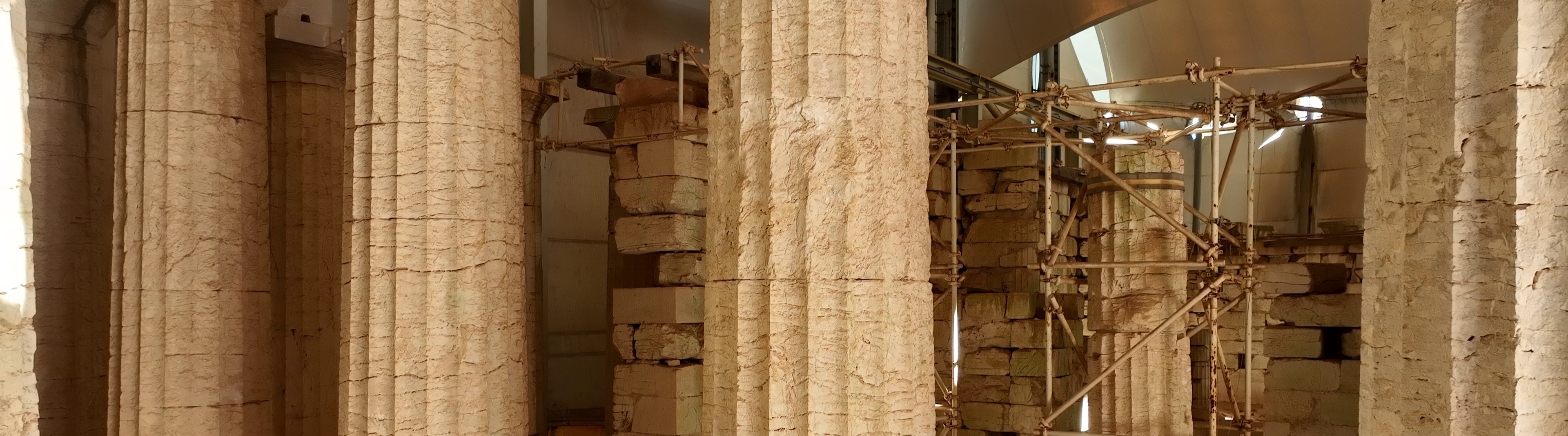
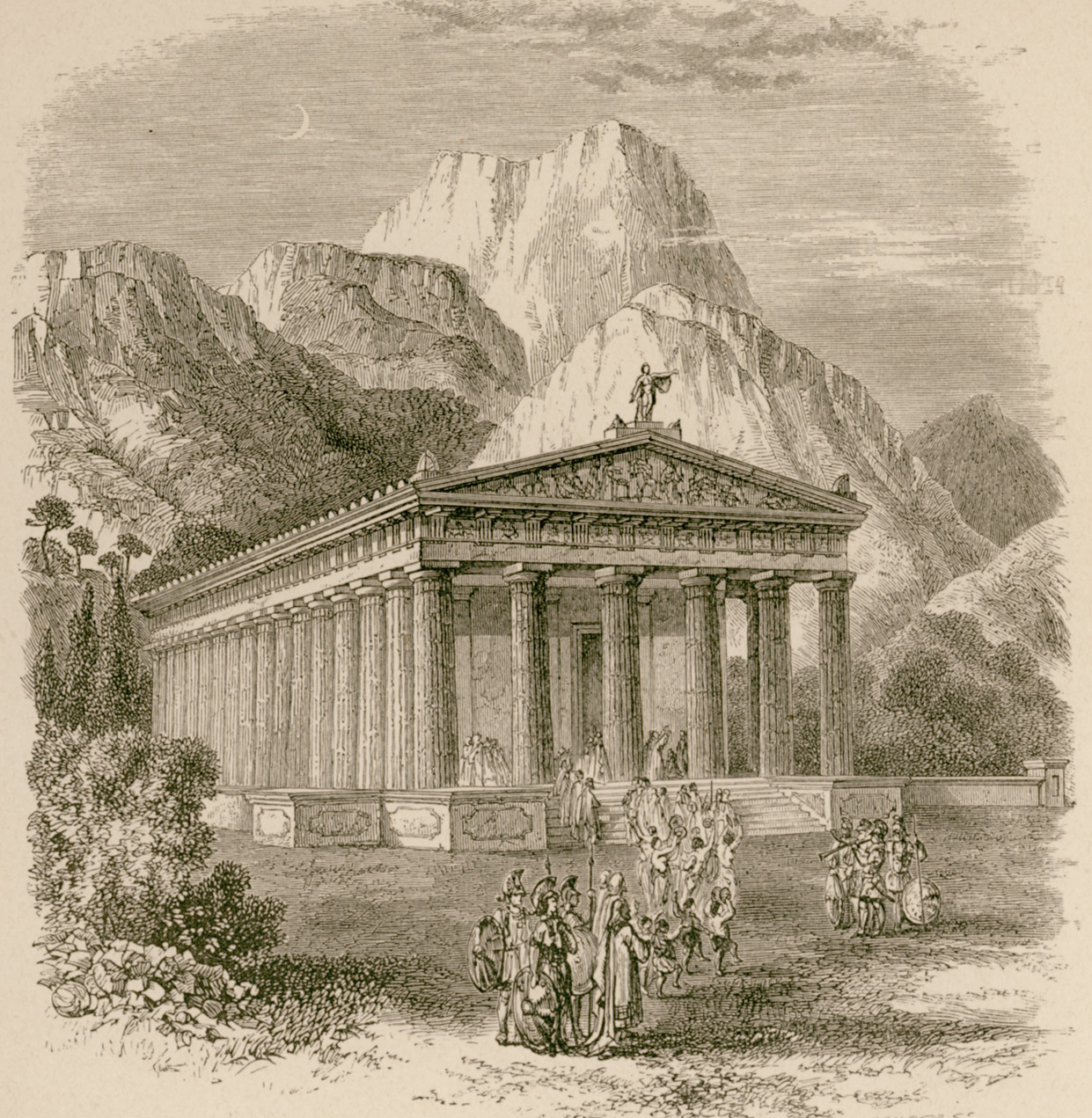
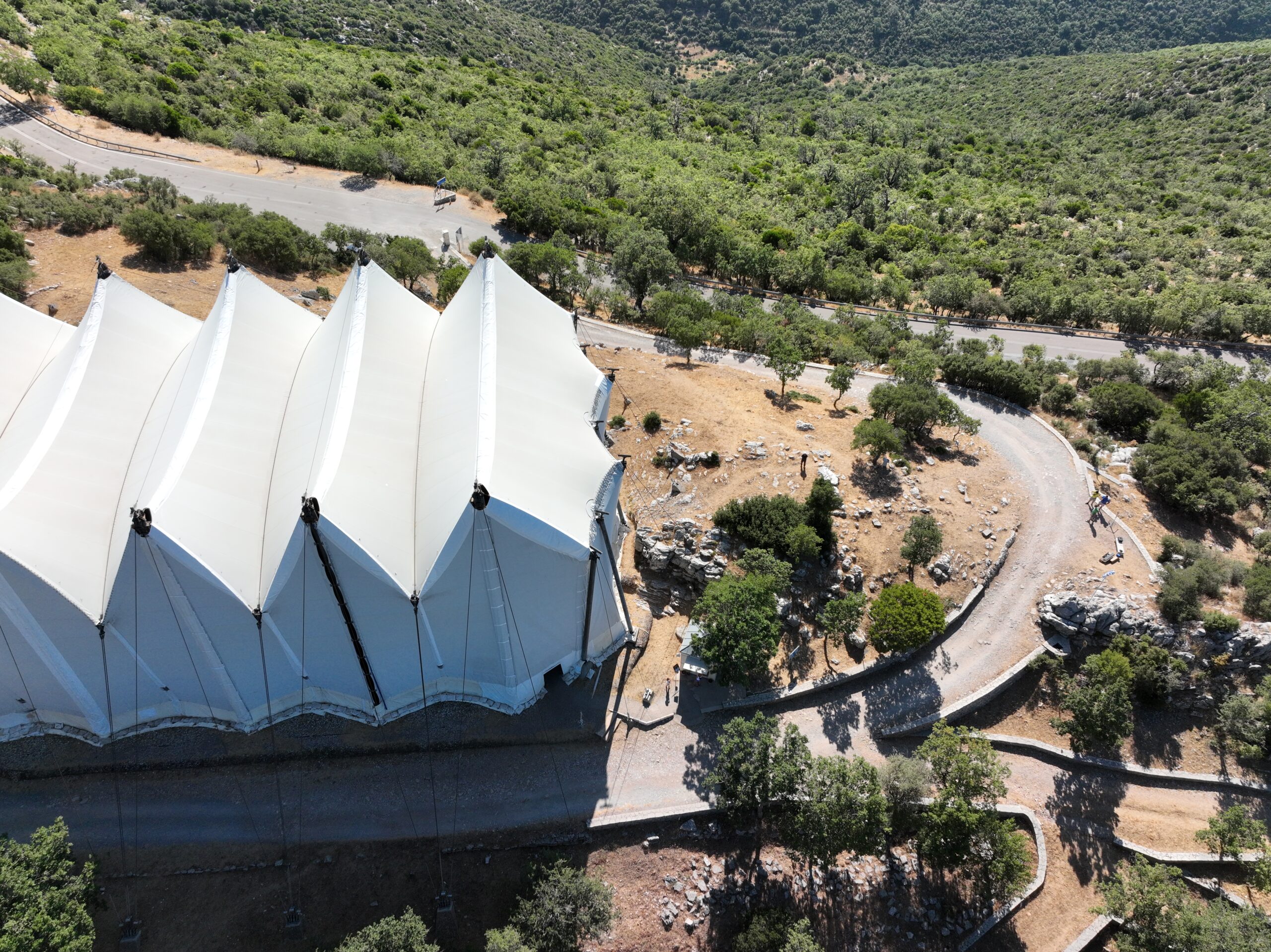
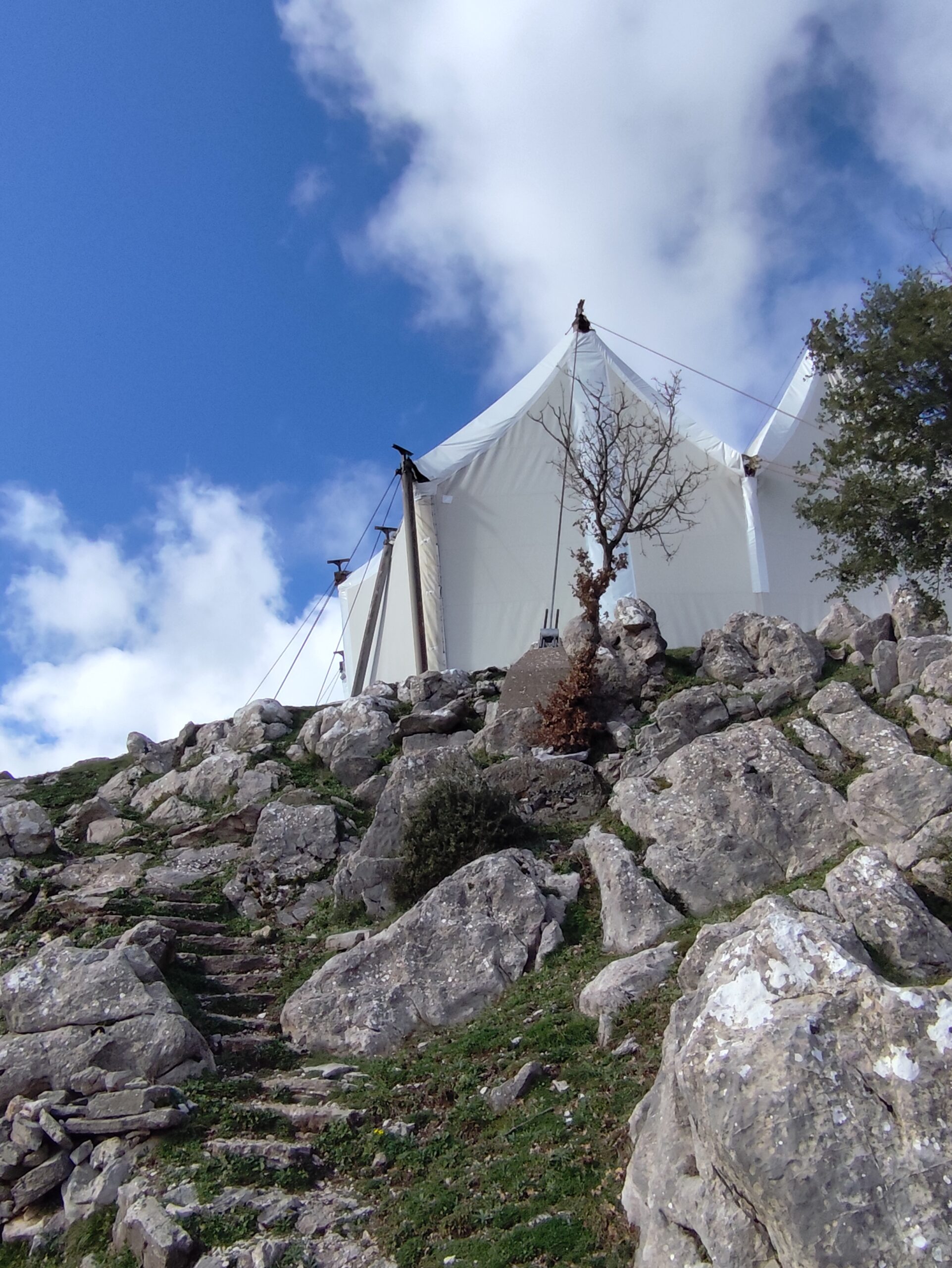
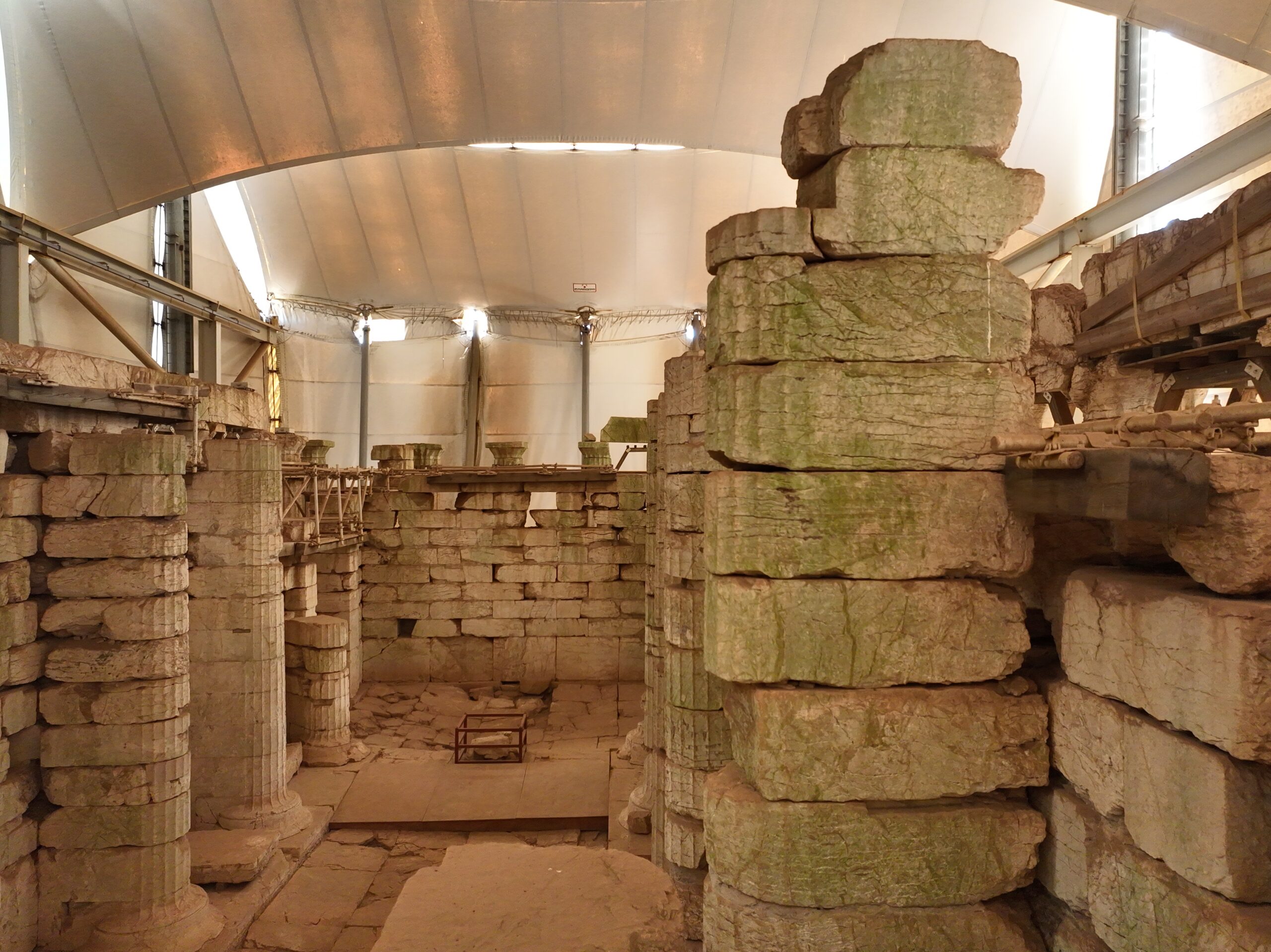
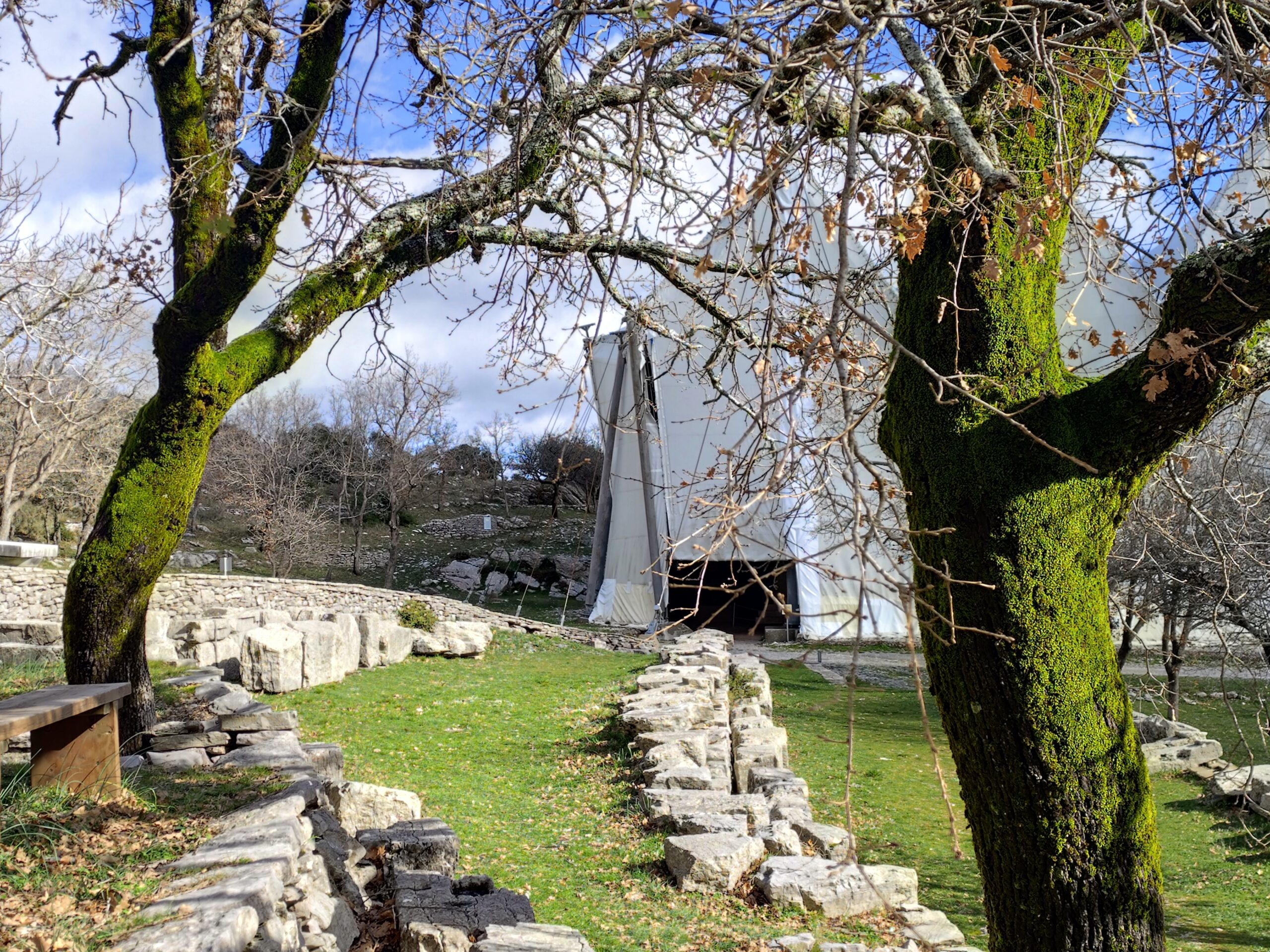
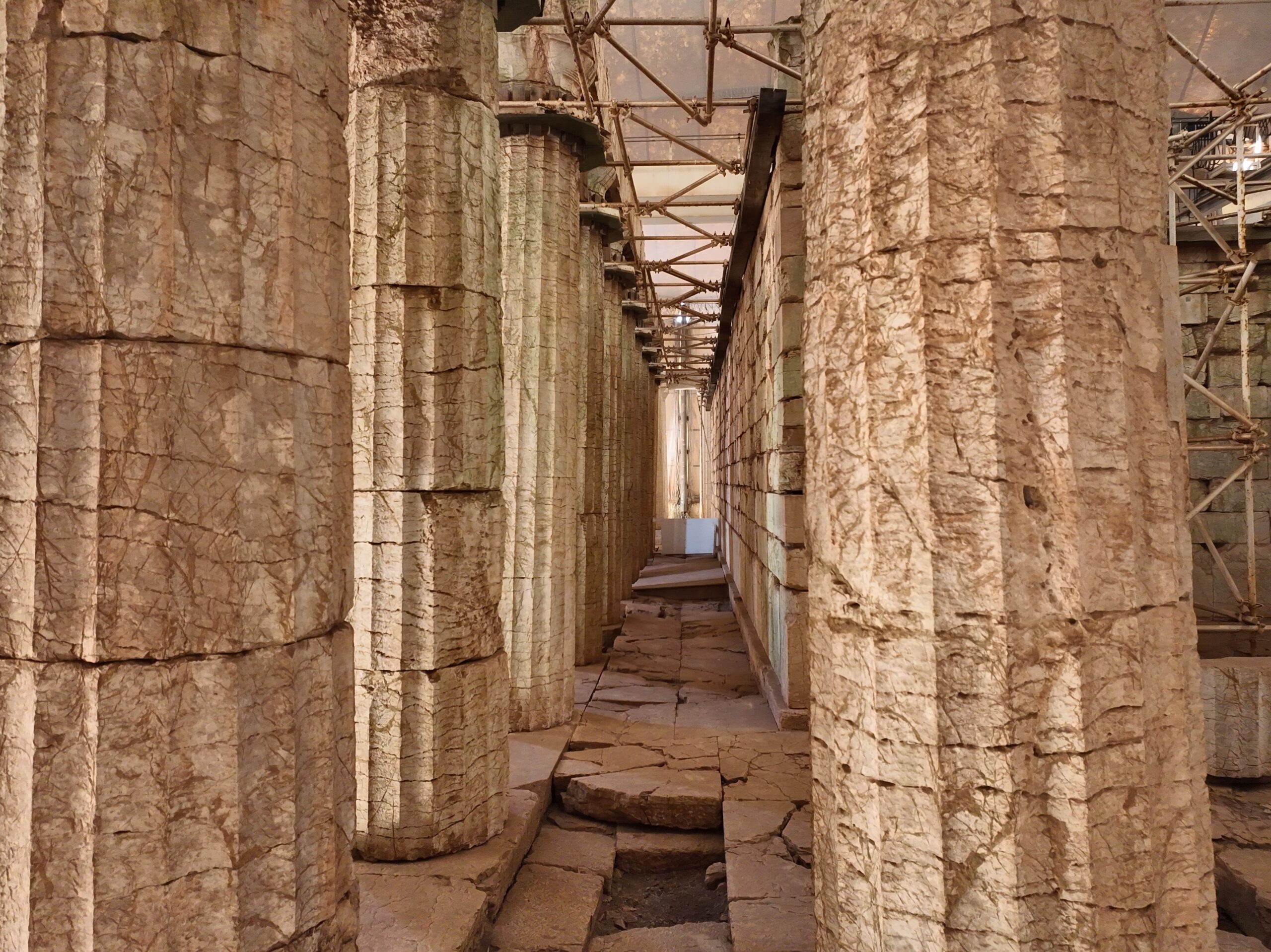
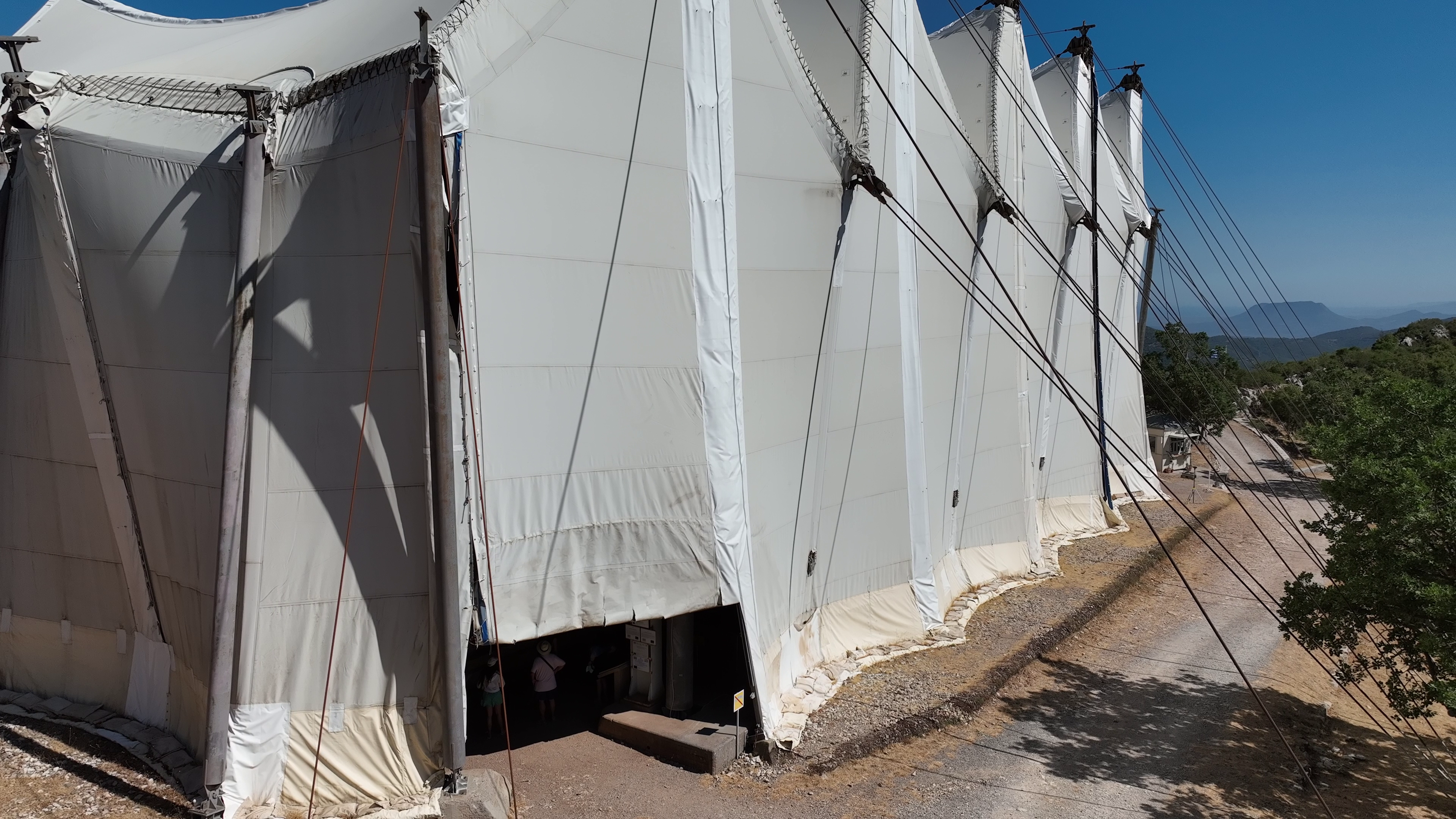
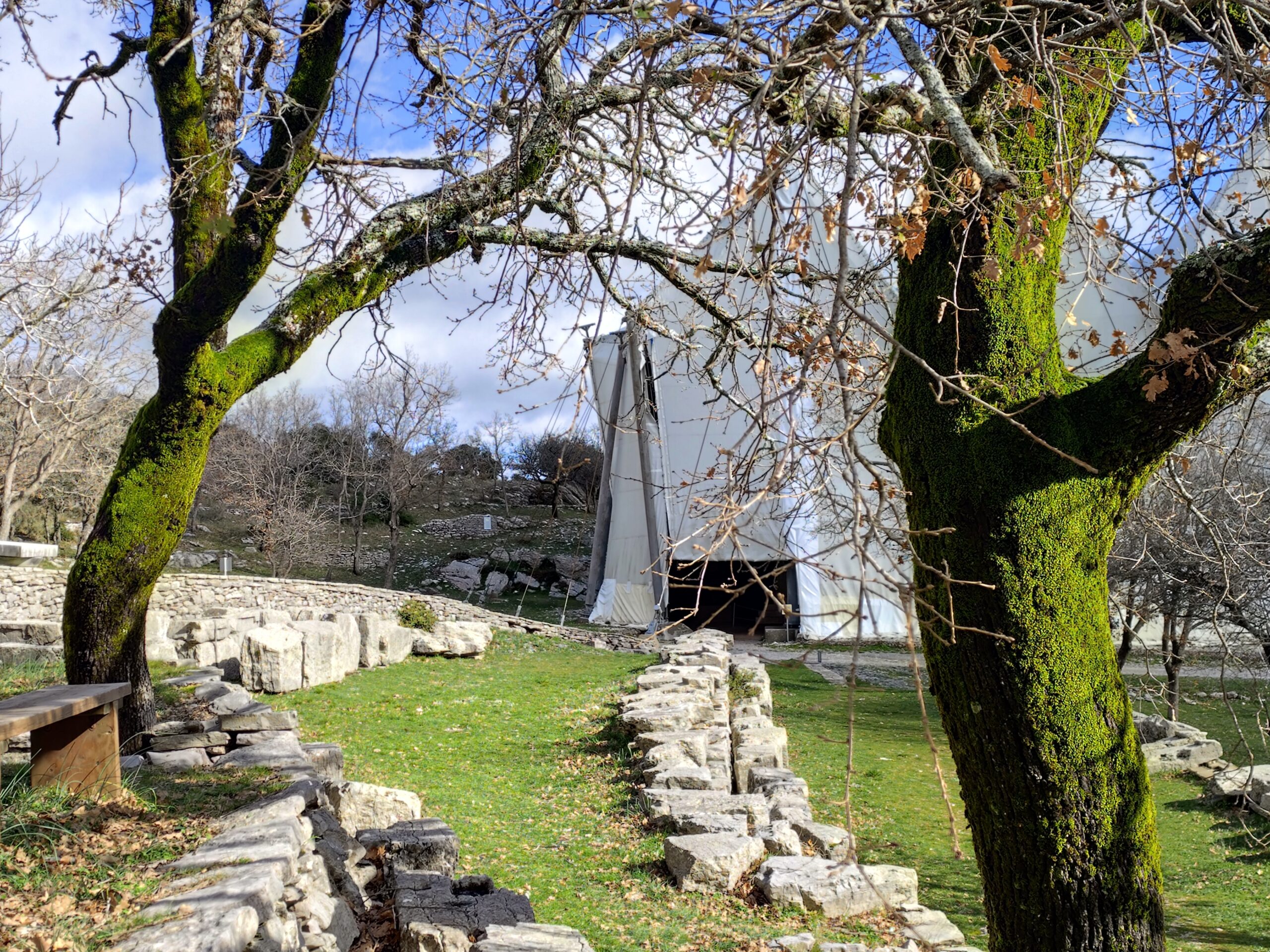
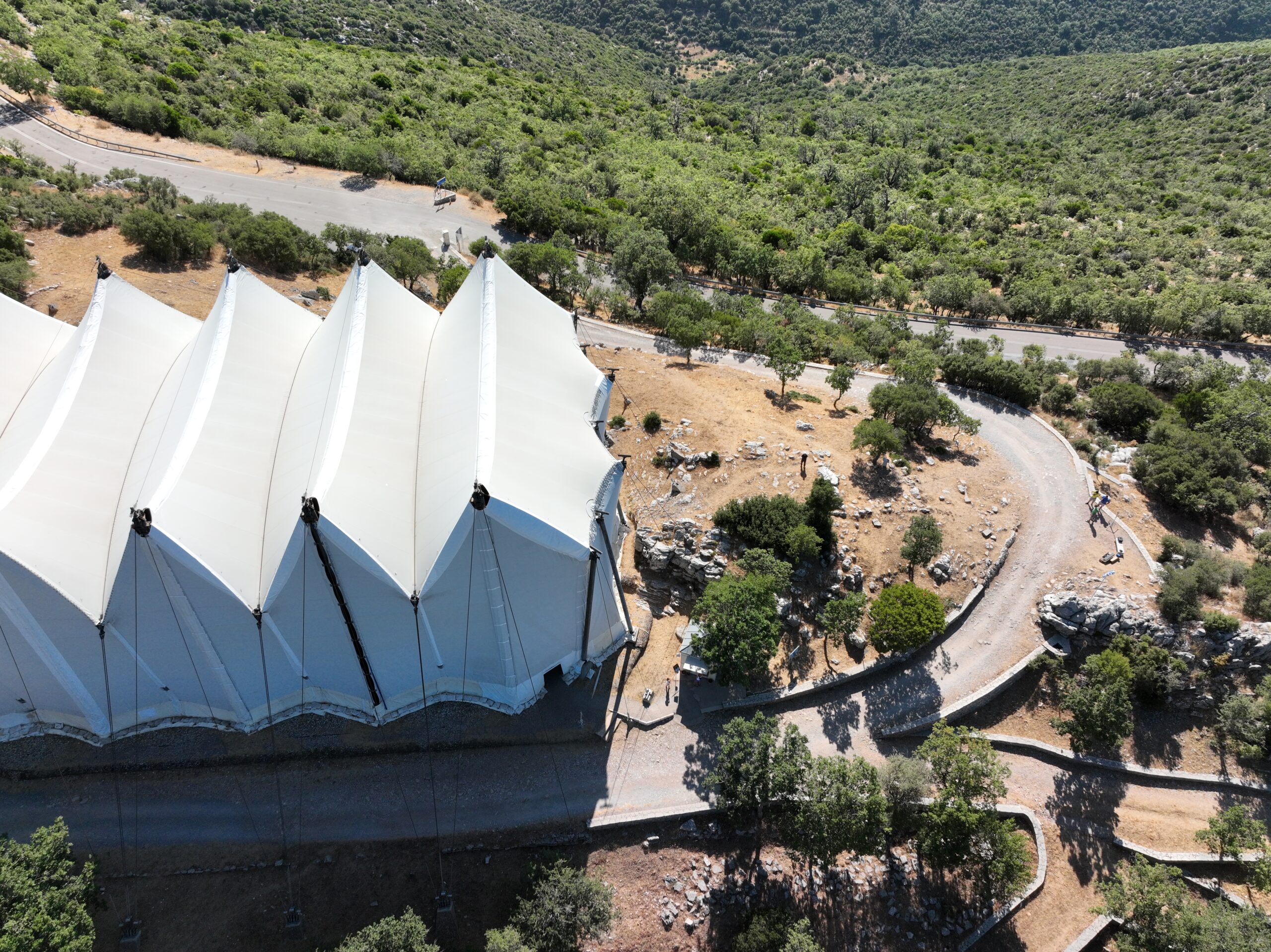
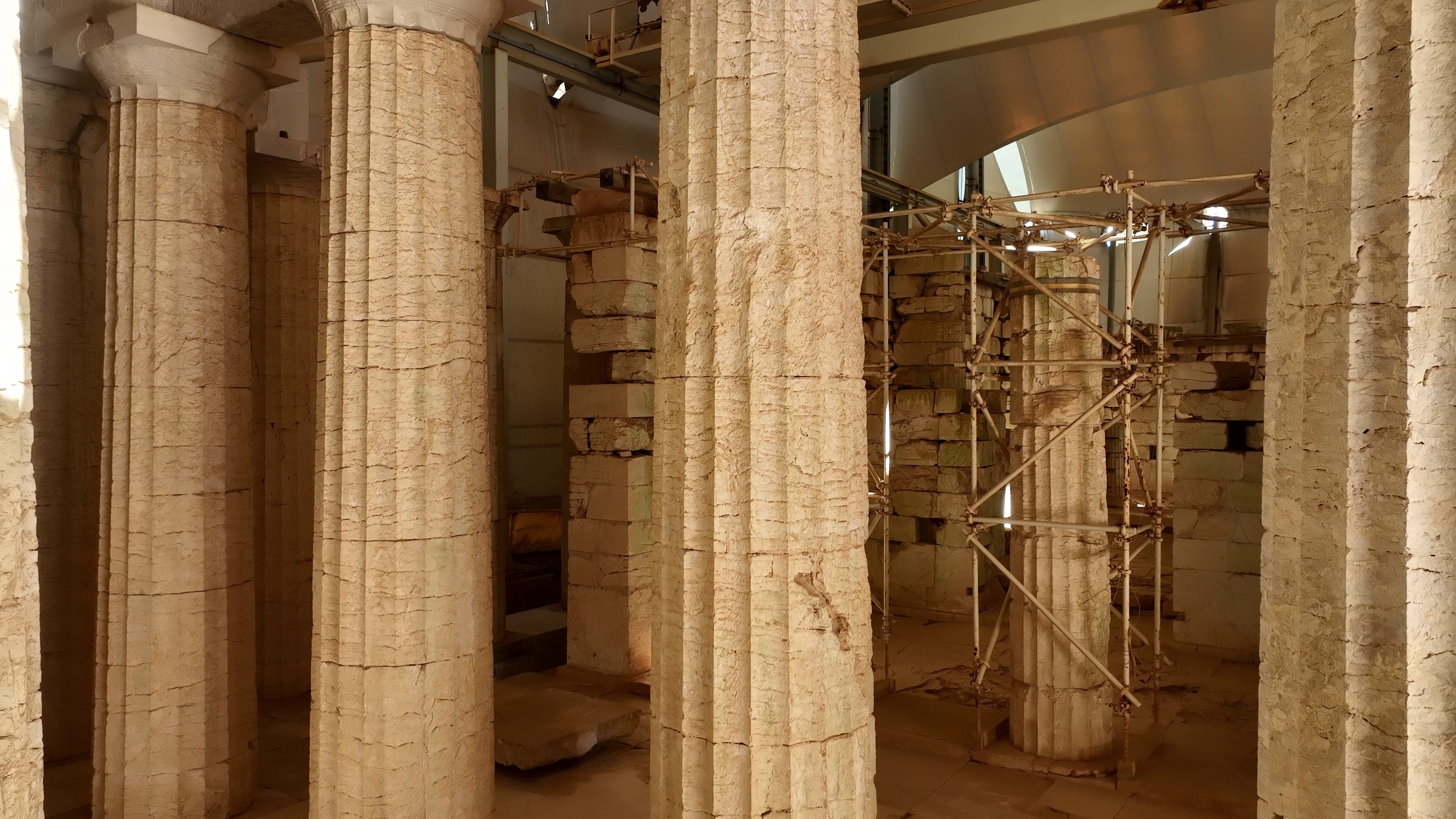
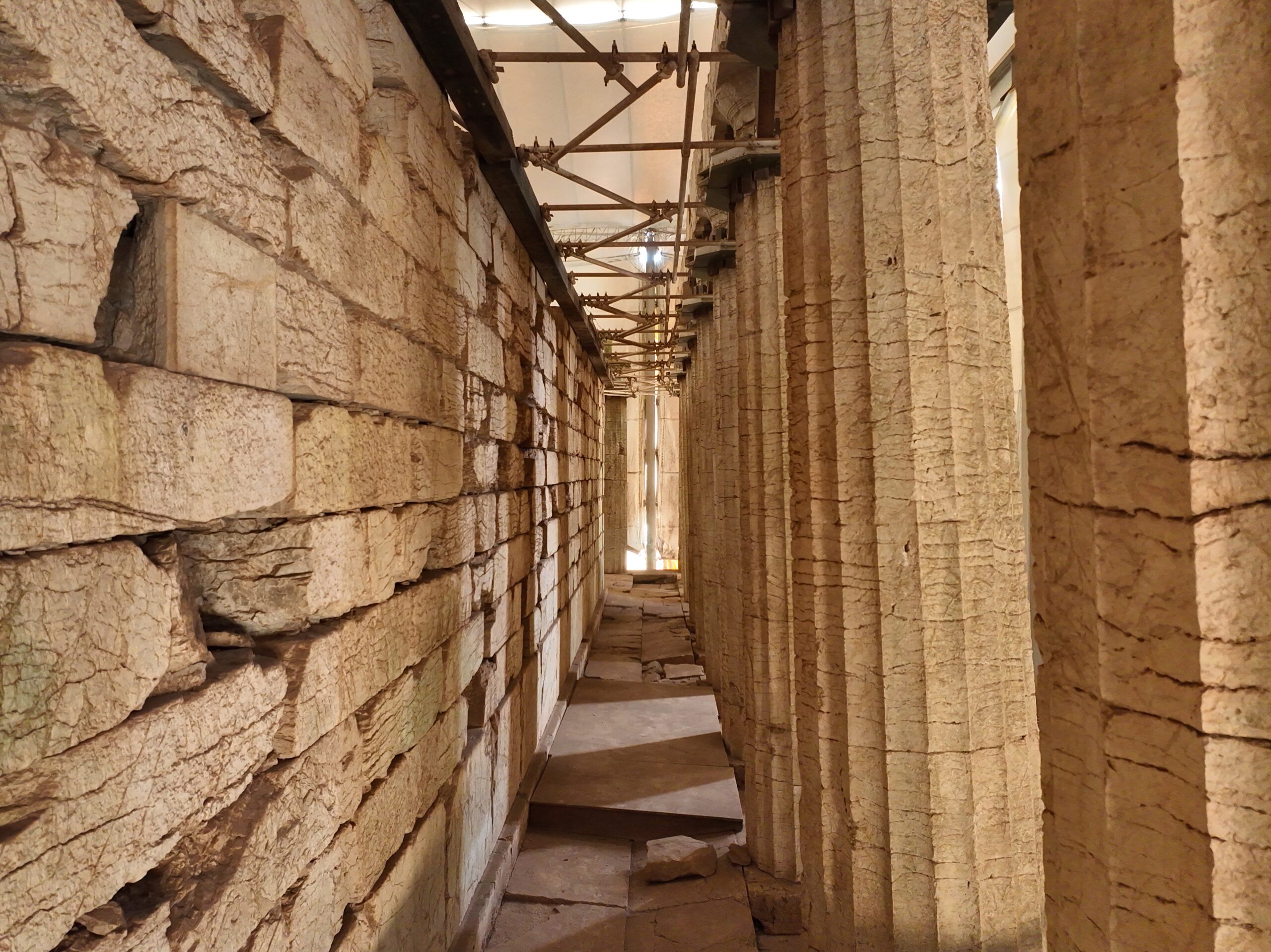
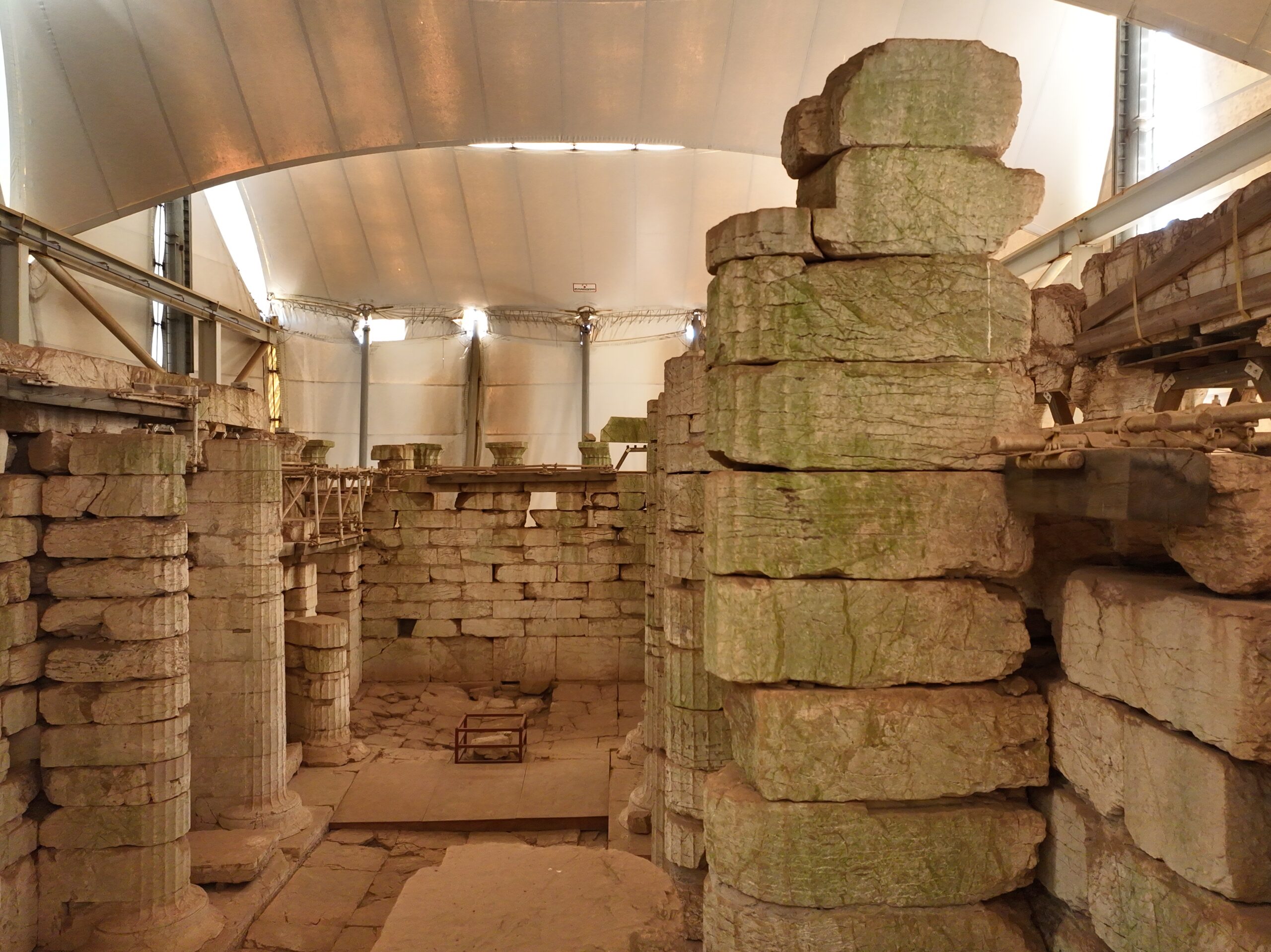
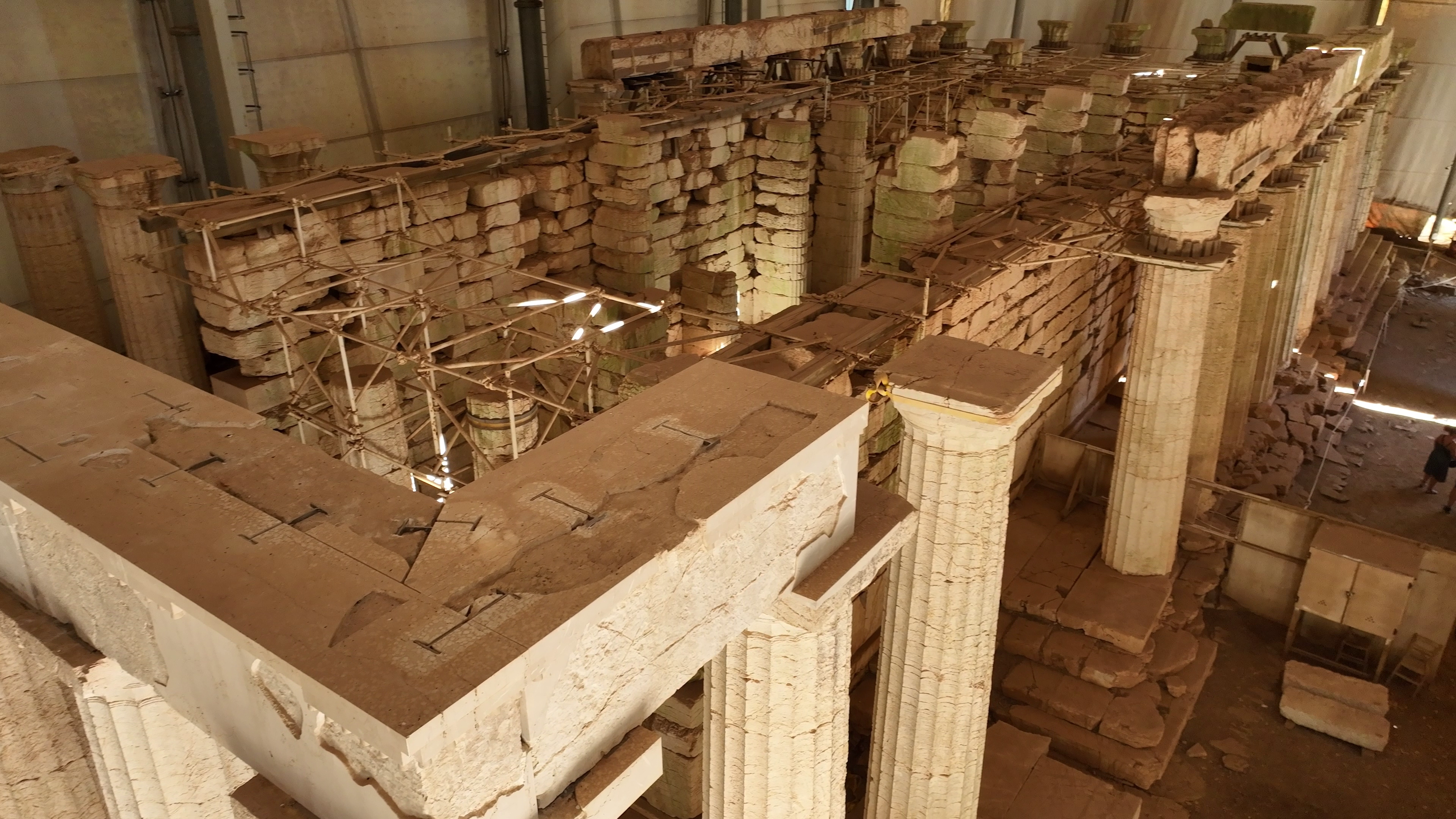
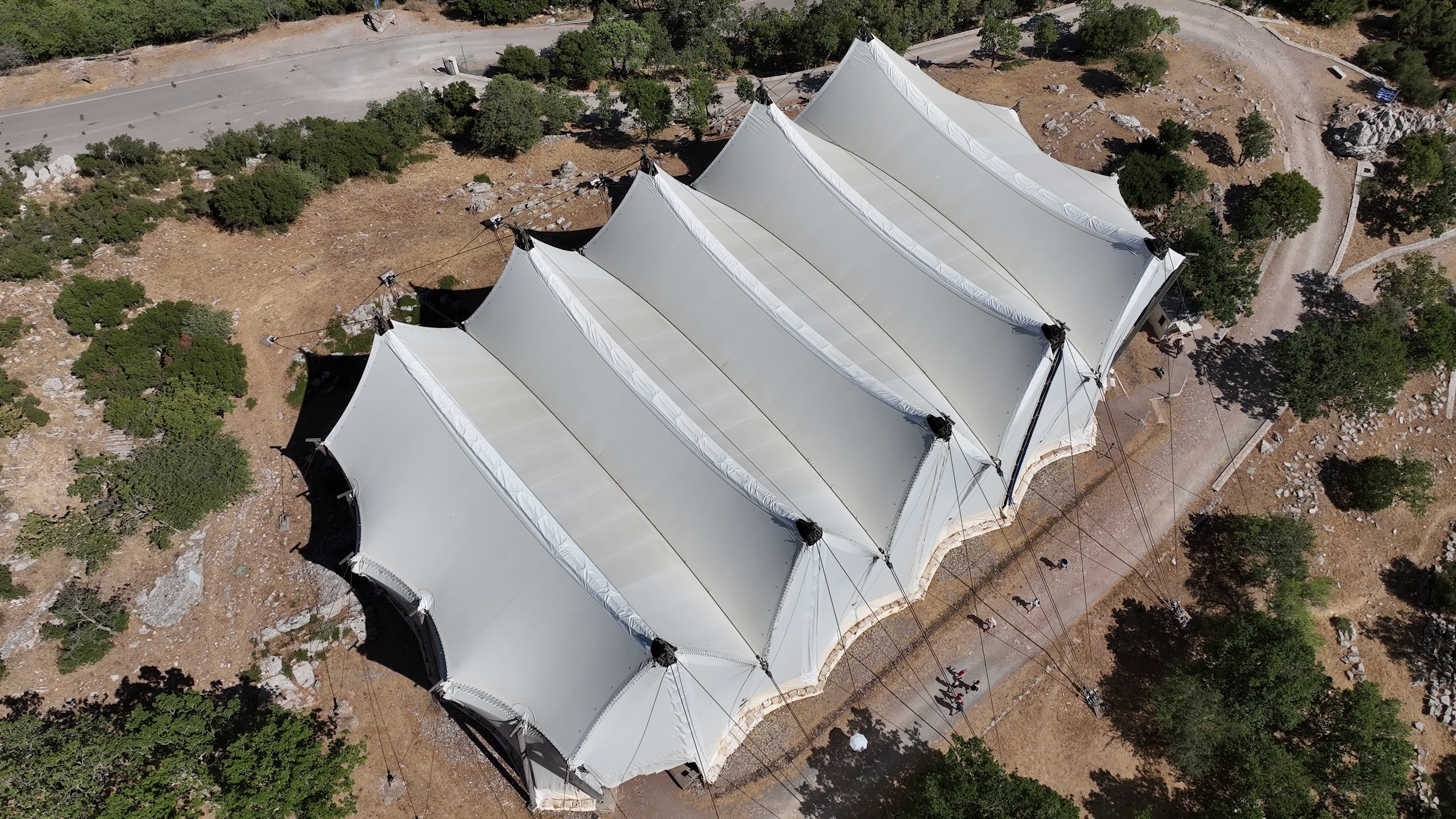
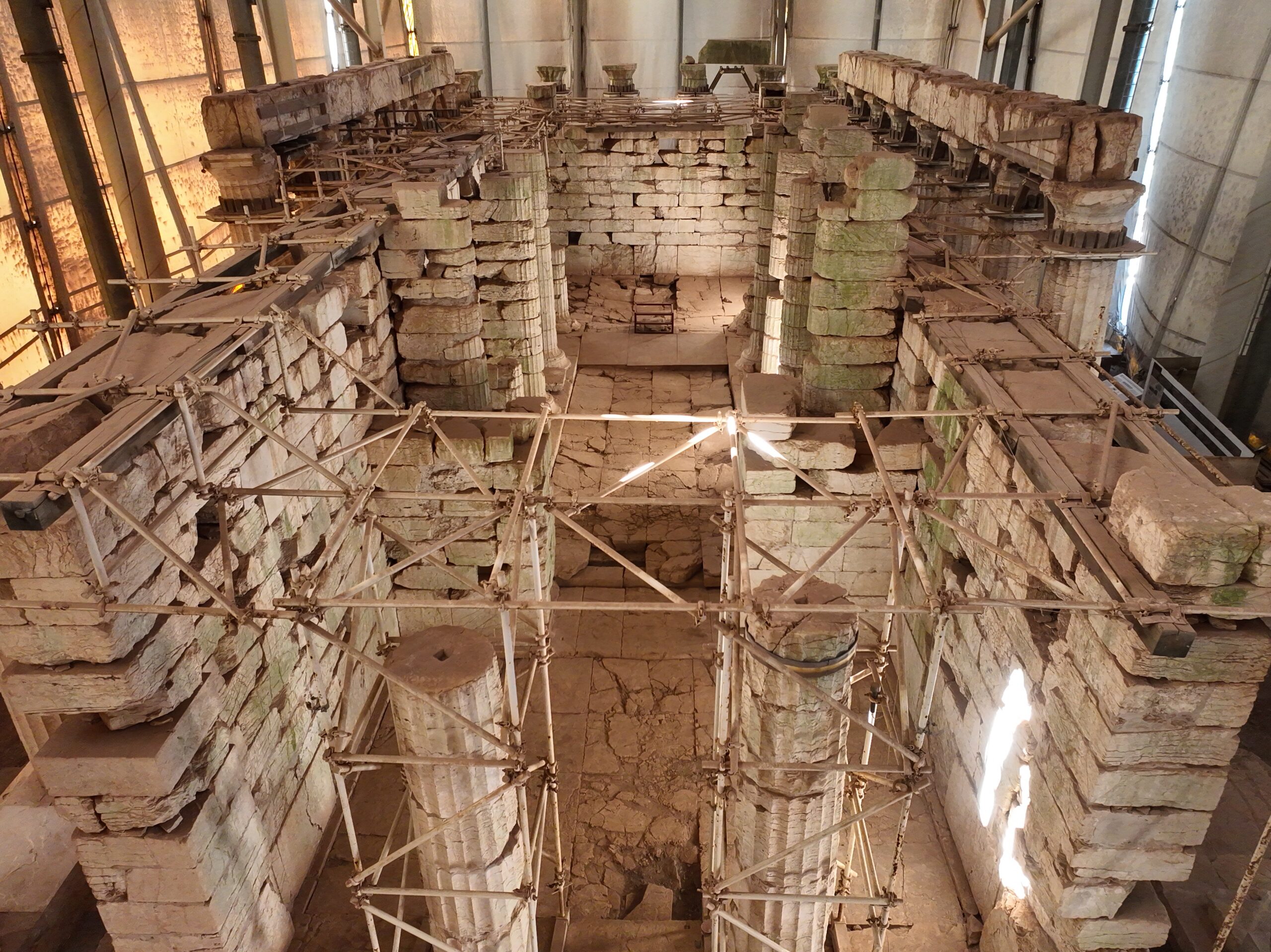
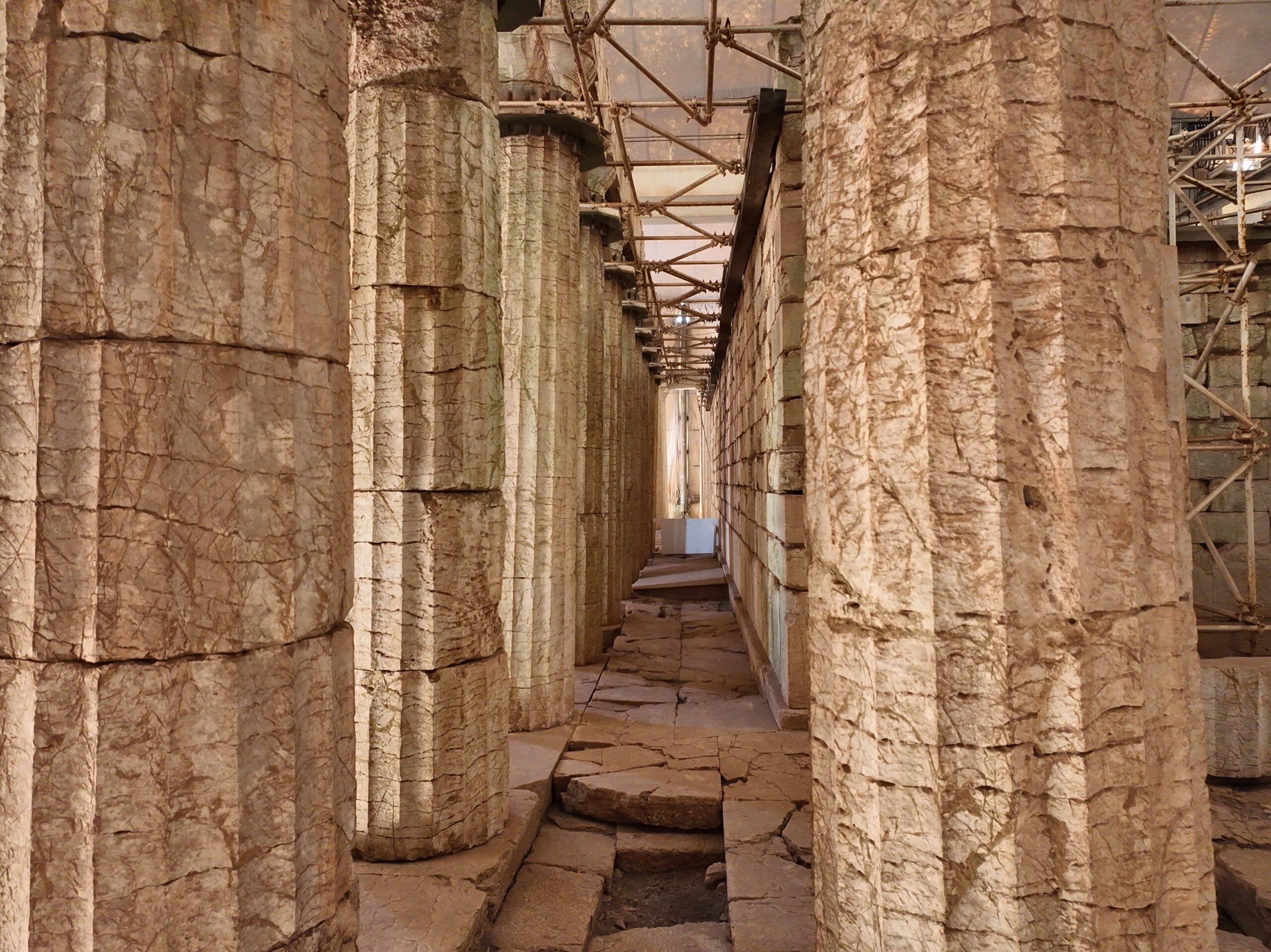
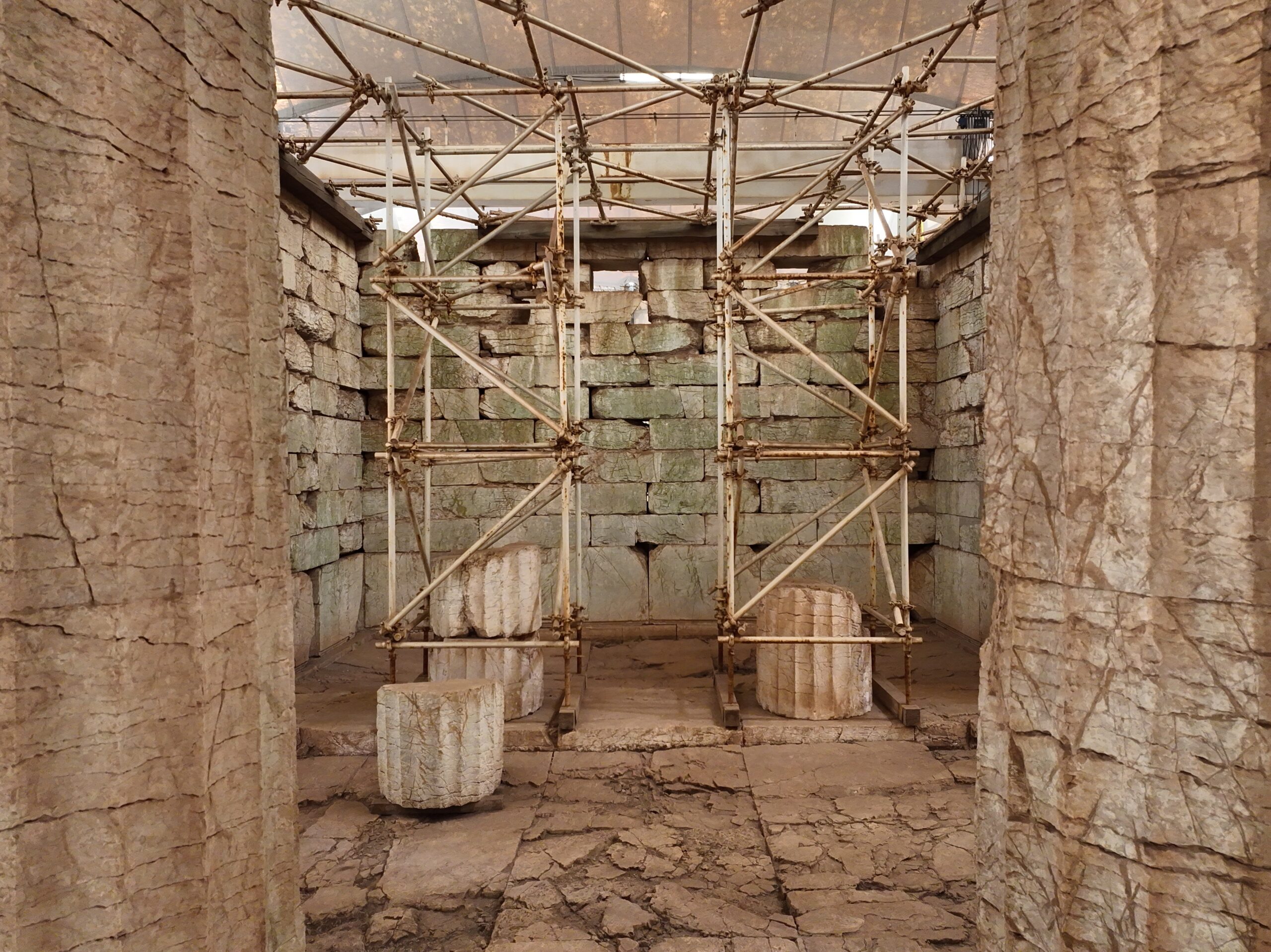
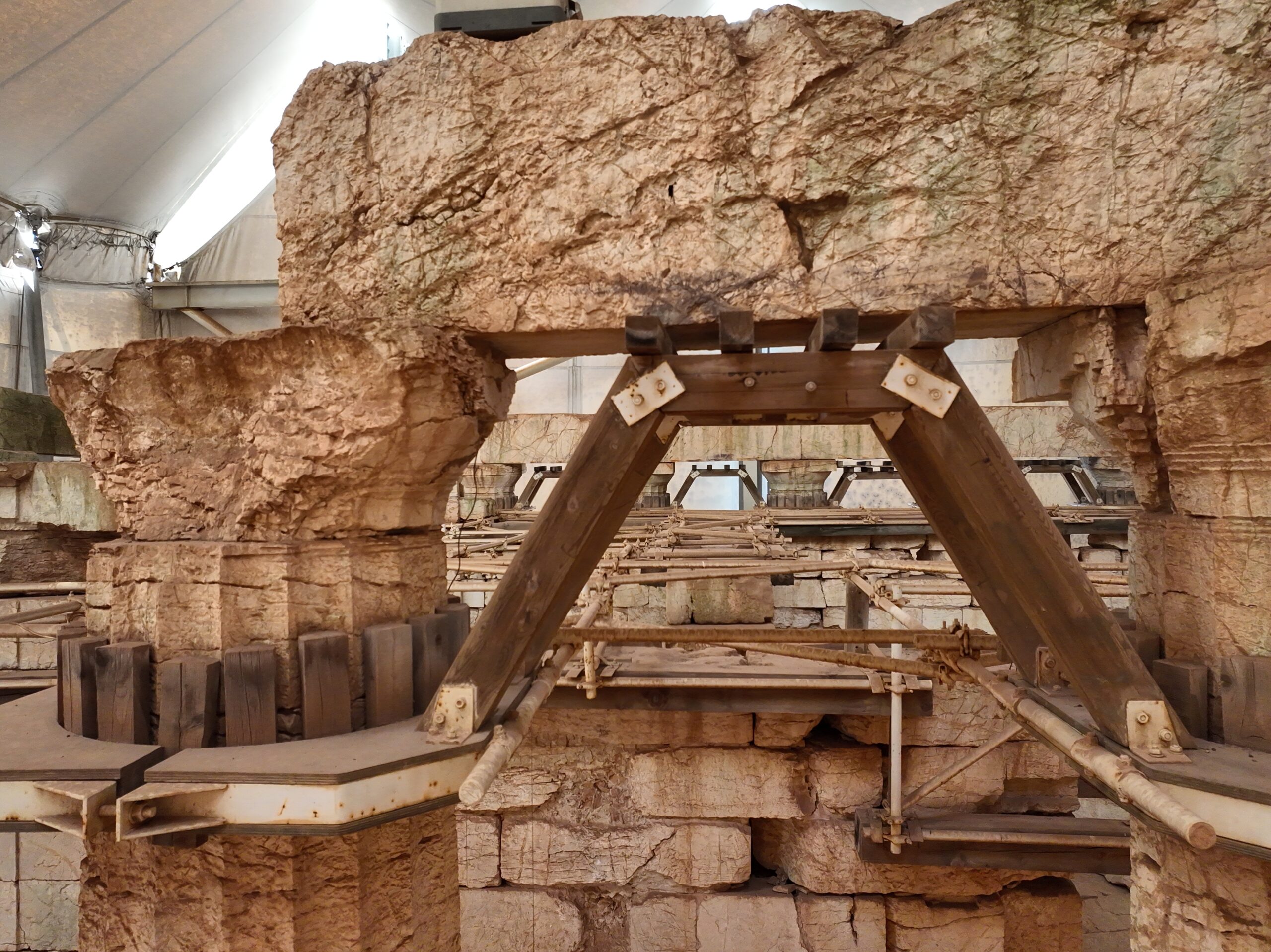
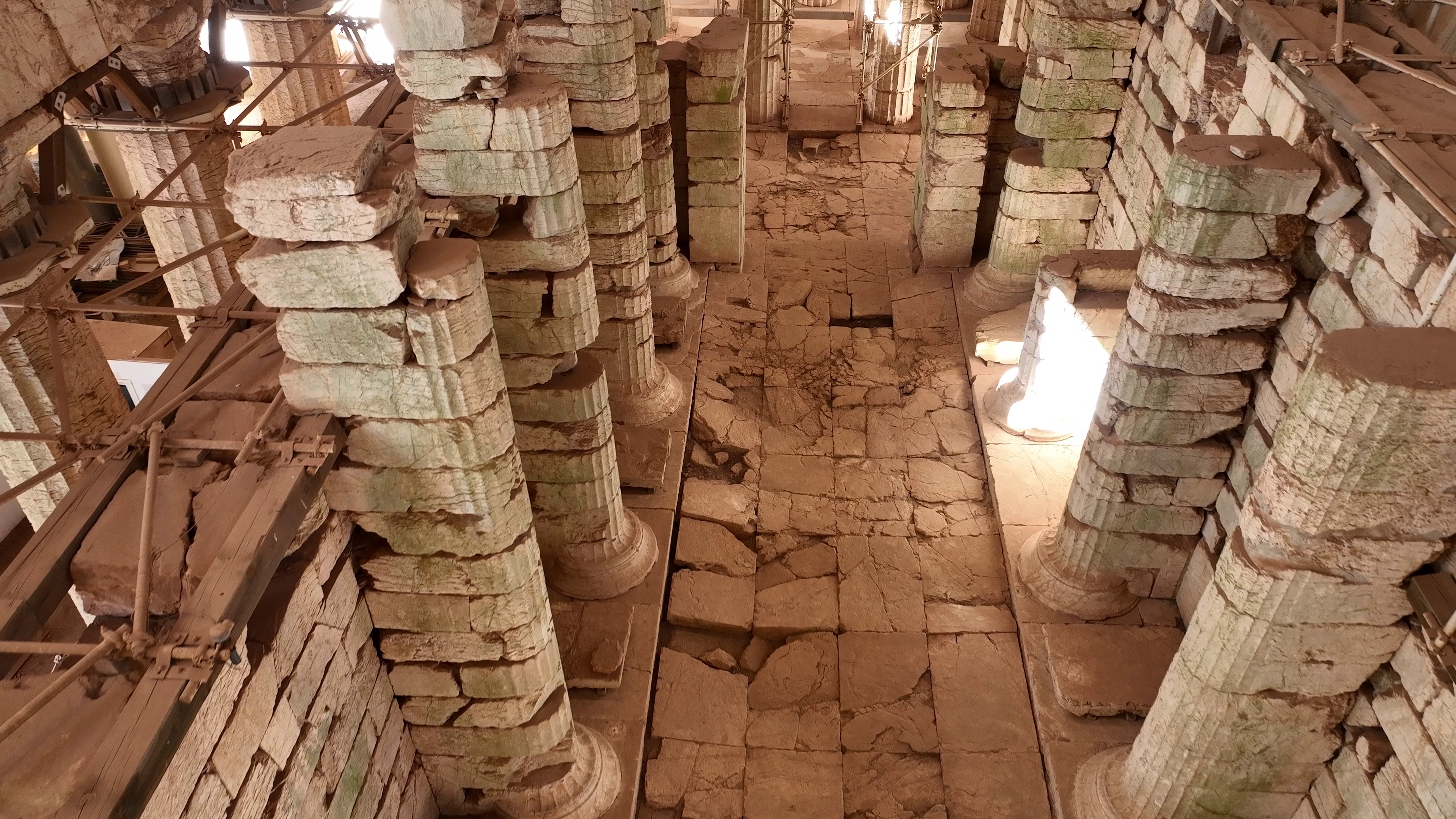
A UNESCO World Heritage site, the Temple of Apollo Epicurius in Bassae at 1,131 meters above sea level stands hidden in the mountains of the Peloponnese as one of ancient Greece’s most remarkable and unexpected masterpieces. Built between 420–400 BC and attributed to Iktinos, one of the two architects of the Parthenon, the temple is celebrated for its unique design, blending architectural ideas and styles. Its remote location has helped to preserve the temple through the centuries, granting it a unique sense of isolation and authenticity. However, the harsh climate of the area has meant that since 1987 a tent was needed to safeguard the monument from the elements. At the same time, significant restoration efforts have been carried out, helping to preserve and restore its unique architectural parts for future generations. Today, the temple continues telling a story of ingenuity, resilience, and enduring cultural values. As part of the HERIT ADAPT pilot, it is not only a testament to ancient craftsmanship, but also a living heritage site adapting to modern challenges, demonstrating how digital innovation and sustainable tourism can ensure the survival and vitality of remote cultural landmarks.
Local Challenges
The Temple of Apollo Epicurius faces multiple, intertwined challenges:
- Environmental: Harsh weather, material degradation, wildfire risk, and ongoing restoration activities highlight the site’s vulnerability.
- Accessibility: Its remote mountainous location, limited infrastructure, seasonal visitor flows, and low visibility reduce engagement and integration into regional tourism.
- Socio-Economic: Limited awareness and lack of integration with local economies restrict the benefits of tourism, making sustainable management and stronger regional links essential for the site’s future.
Objectives of Experimentation
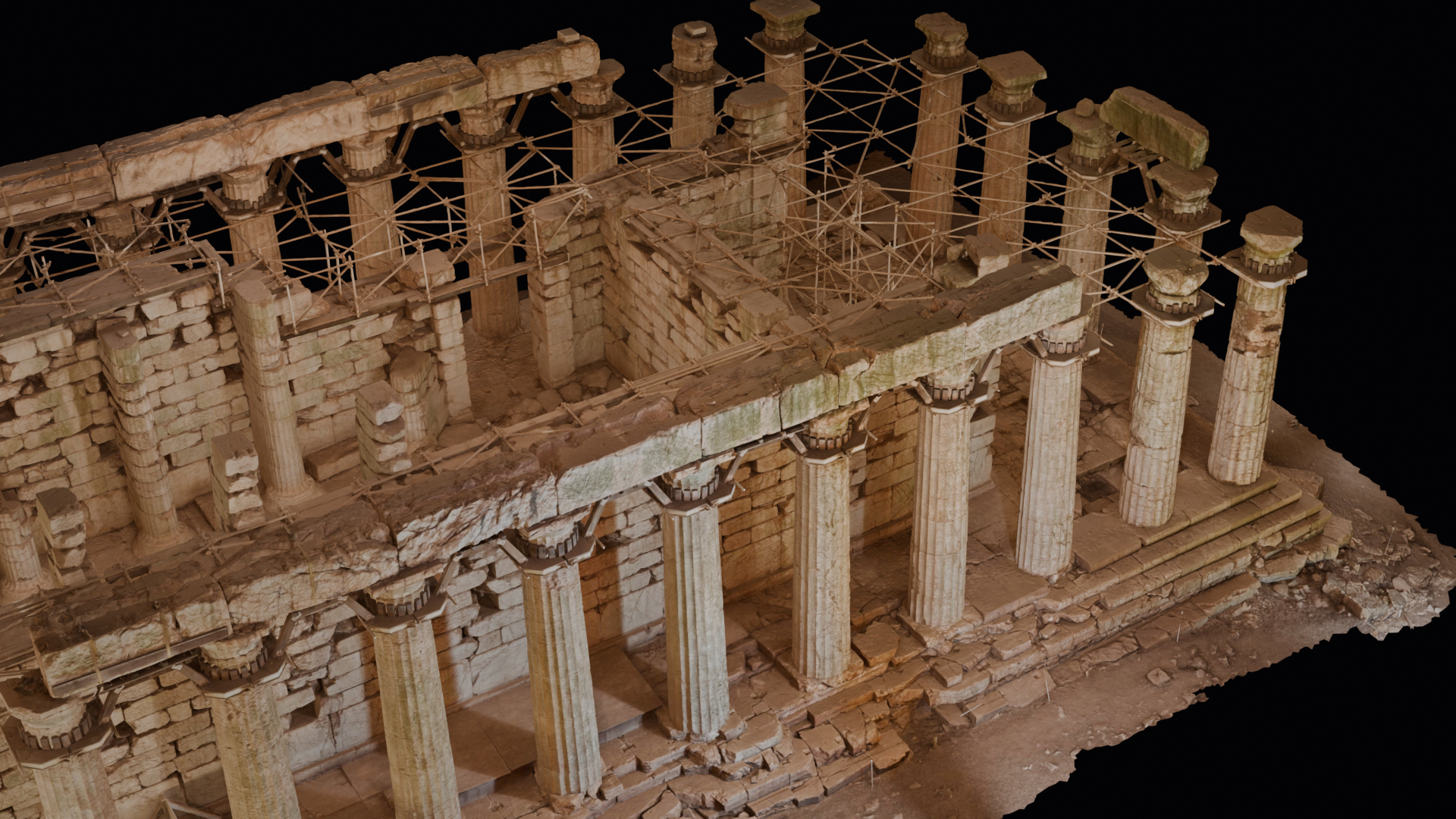
- Scientific & Restoration: Develop a highly accurate 3D model progressing toward a “digital twin,” enabling detailed documentation, analysis, and informed restoration to support long-term conservation and research.
- Public Engagement & Visibility: Enhance access and awareness through 3D models and digital applications, allowing on-site and remote visitors to explore the temple, while engaging local communities through citizen science initiatives.
- Environmental & Sustainability: Use the digital model for climate monitoring and sustainable visitor management, balancing tourism flows and supporting economic activity in nearby communities.
- Methodology: Establish a replicable best-practice approach for digitizing and managing cultural heritage in complex and protected environments.
The HERIT ADAPT Sustainable
Tourism Model
Data-Driven Diagnosis and Understanding
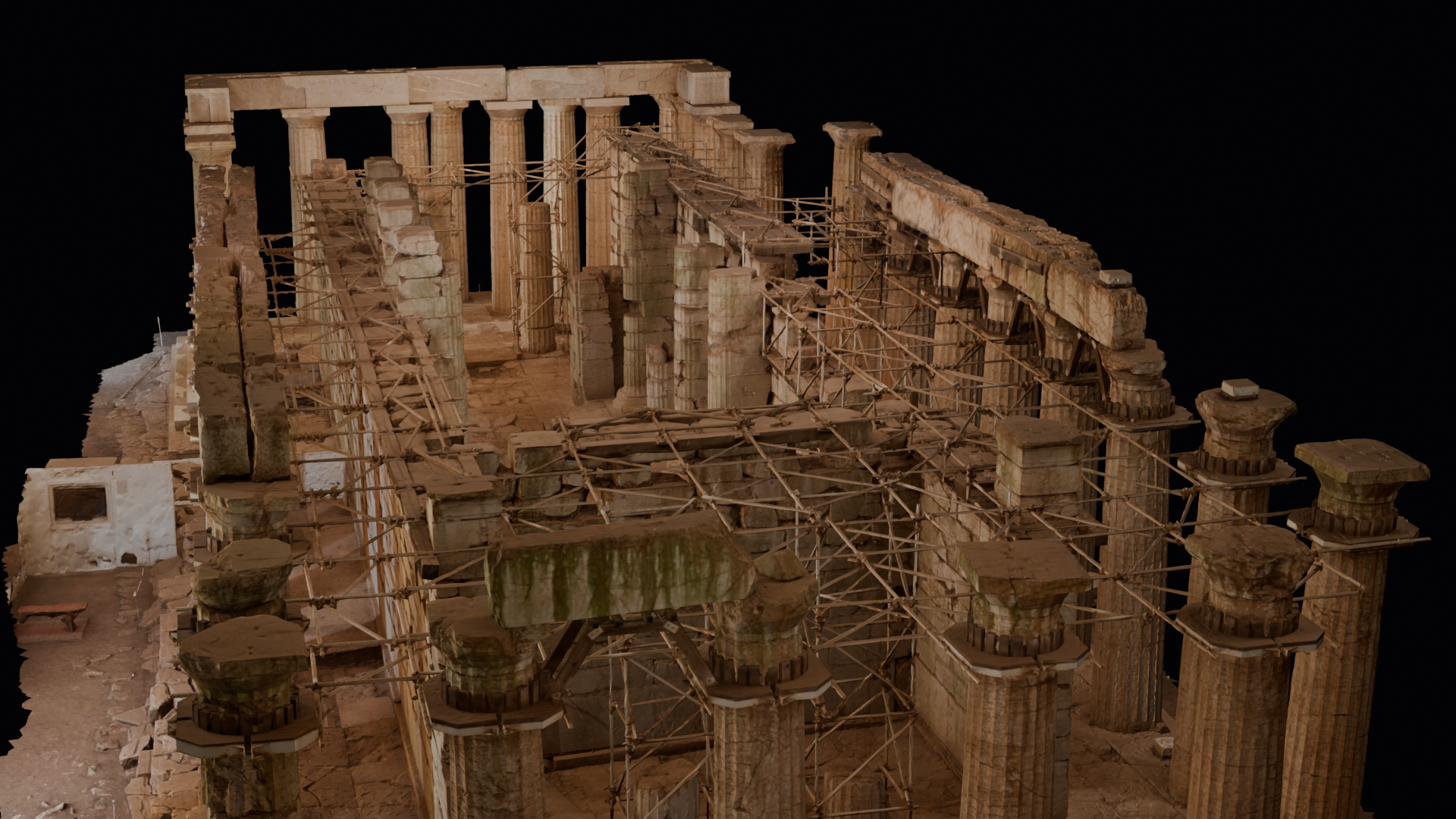
The Apollo Epicurius pilot showcases how HERIT ADAPT revitalizes a remote and under-visited heritage site through sustainability and digital innovation. To overcome seclusion and low visibility within mainstream tourism circuits, the pilot applies advanced digital tools such as high-resolution 3D documentation, drone-based photogrammetry, and AI-powered analysis for conservation, restoration planning, and structural monitoring. These digital assets create a permanent record for future generations, while also enabling virtual access and immersive educational experiences. They help redirect tourist flows from crowded hubs like Ancient Olympia, bringing economic and cultural benefits to the surrounding municipalities. Digital content also strengthens regional development, providing opportunities for guides, artisans, and hospitality services. The digitization of the site serves as a tool for climate-resilient preservation, detailed risk assessment, and community engagement, connecting people to the temple’s heritage story.
Technological & Data Collection workflow includes:
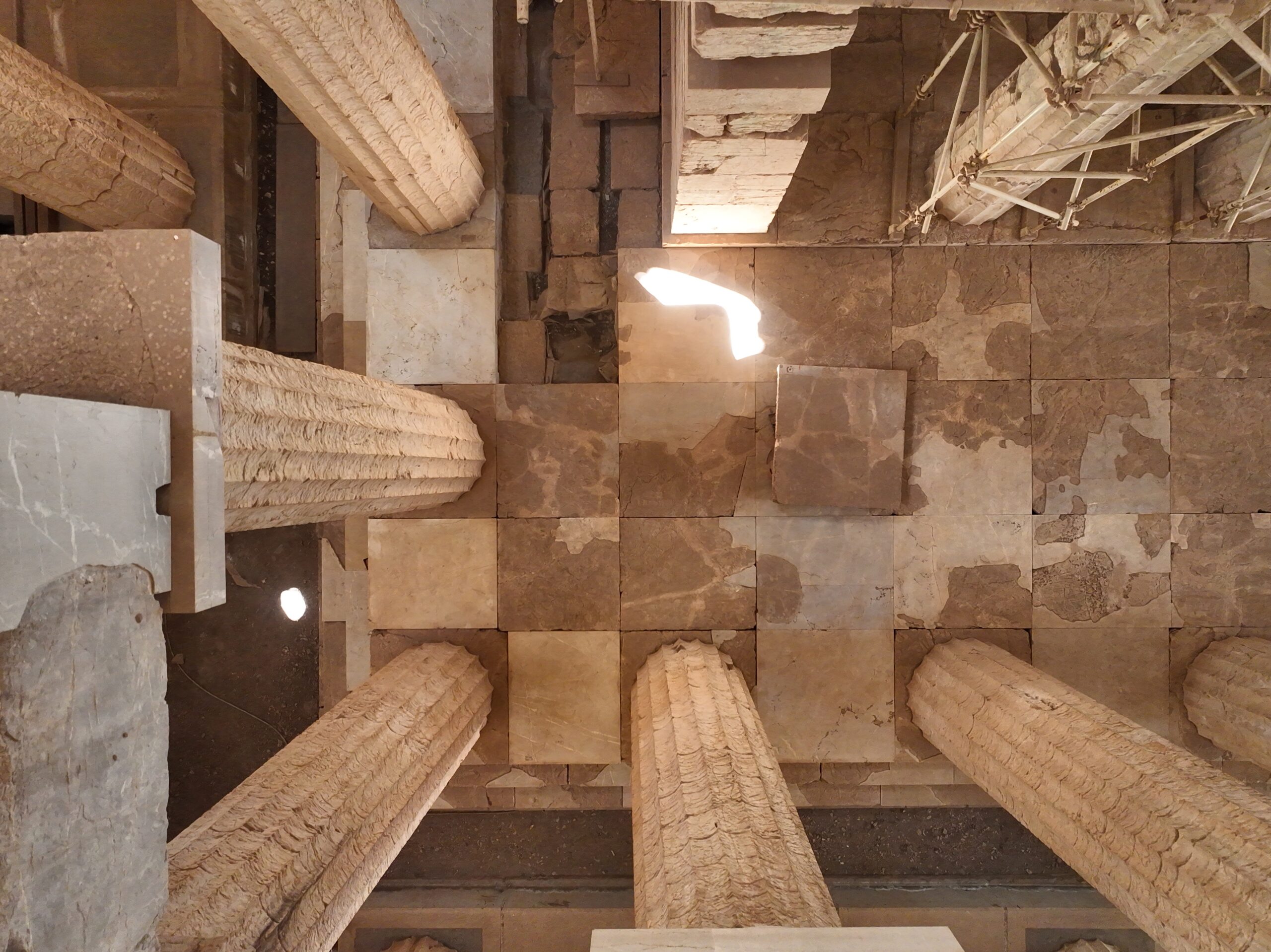
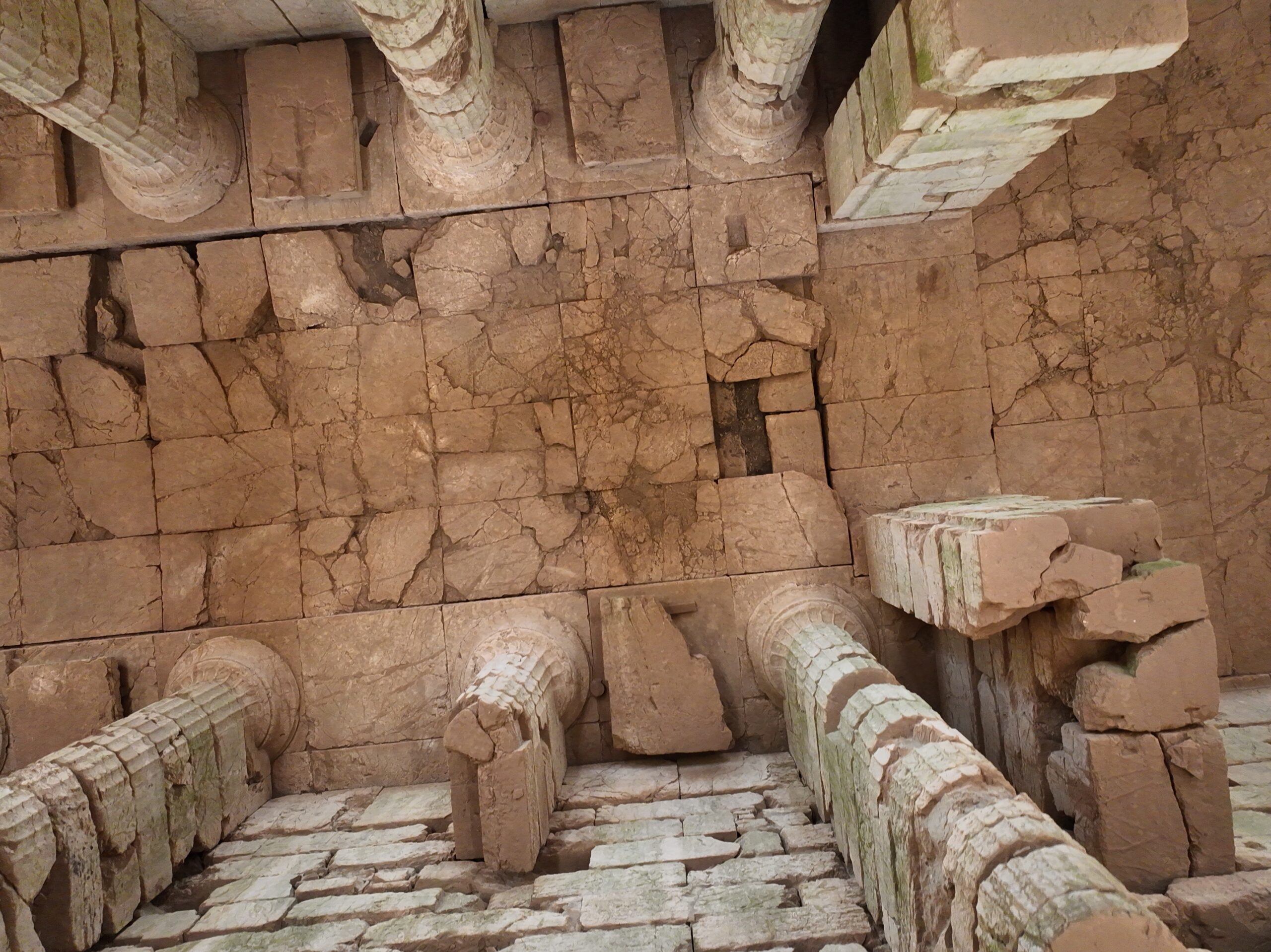
- Data Acquisition: 11,000+ high-resolution images of the temple and 2,000+ images of the frieze replica at Andritsaina Library, capturing textures, carvings, and erosion.
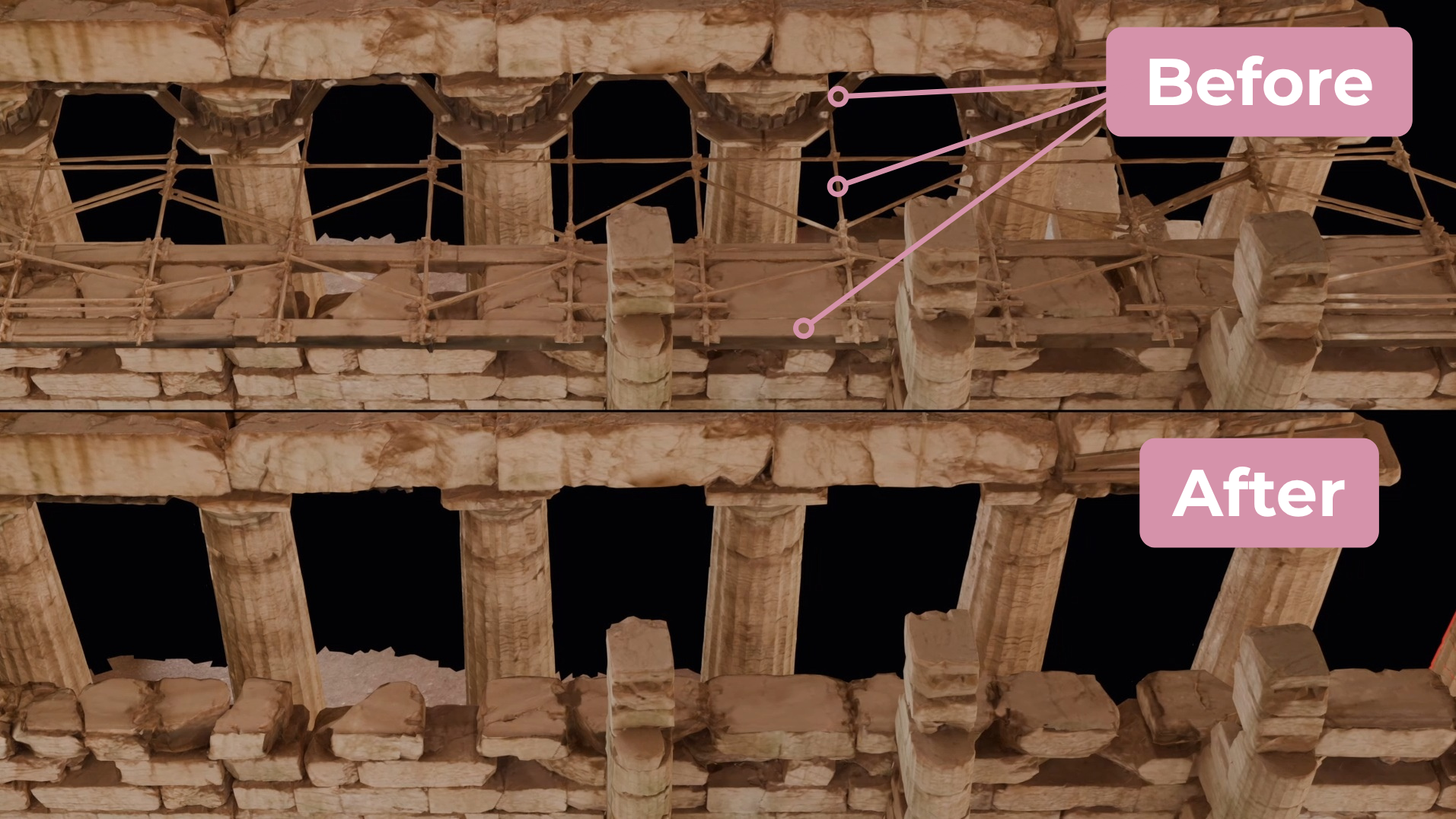
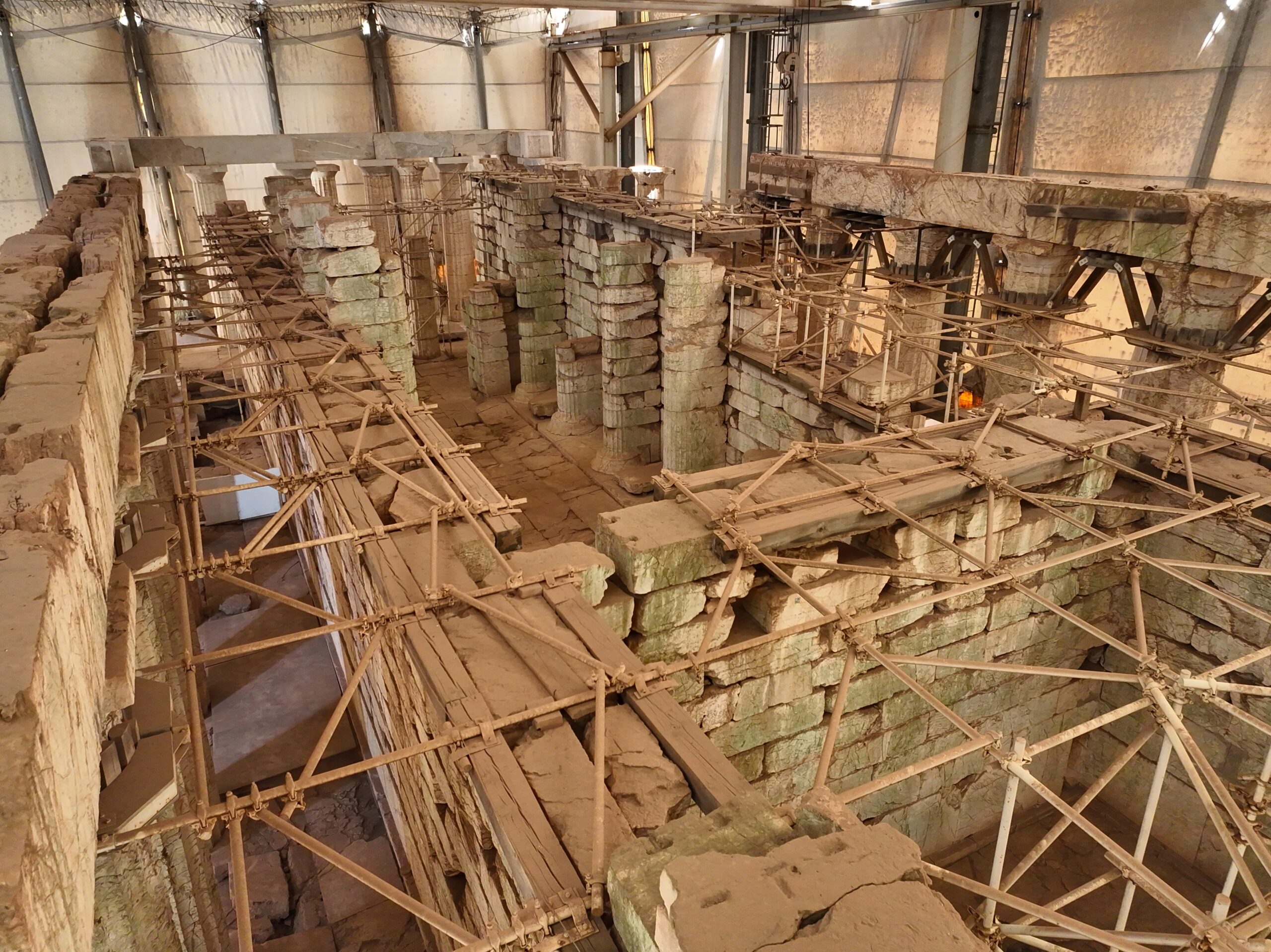
- 3D Model Processing: Semantic segmentation and image inpainting remove scaffolding, producing clean visuals for accurate 3D reconstruction.
- Advanced 3D Reconstruction: Structure-from-Motion, Multi-View Stereo, and 3D Gaussian Splatting produce high-resolution texture meshes and photorealistic volumetric models for research, immersive VR/AR experiences, and educational applications.
Multi-Stakeholder Collaboration via Territorial Working Groups
The pilot is coordinated by a Territorial Working Group (TWG), formed by the Region of Western Greece, ATHENA Research Center, and the Ephorate of Antiquities of Ilia, engaged in a series of meetings to define the pilot’s scope, objectives, and methodological framework. EPLO contributes strategic expertise, and the neighboring municipalities of Andritsaina-Krestena and Zacharo bring local governance and community perspectives. Public forums have engaged key policy makers, local authorities, tourism operators, and civil society, raising visibility, including a national TV feature, and a citizen science workshop, involving students in cultural heritage digitization. Looking forward, the Ephorate will use the 3D digital twin for raising awareness regarding the site, as well as for activities related to restoration planning, while ATHENA builds capacity among local stakeholders, ensuring technical success, community ownership, and sustainable socio-economic impact.
Implementation of Adaptive and Integrated Strategies
The pilot aims to reposition the temple as a resilient and integrated node in the regional tourism ecosystem:
- Enhancing digital and physical accessibility
- Promoting off-season visitation and experiential tourism
- Integrating with neighboring municipalities to encourage longer stays and stronger local engagement
- Supporting sustainable economic growth, entrepreneurship, and community development
Expected outcomes:
- Increased visitor flows and global visibility
- Sustainable off-season tourism
- Local economic stimulation and diversification
- Climate-resilient management
- Strengthened institutional and community capacity
By combining digital innovation, experiential tourism, and multi-level stakeholder collaboration, the pilot embeds the Temple of Apollo Epicurius in a resilient and sustainable cultural landscape, ensuring long-term preservation, socio-economic benefits, and educational opportunities.
Partners involved: