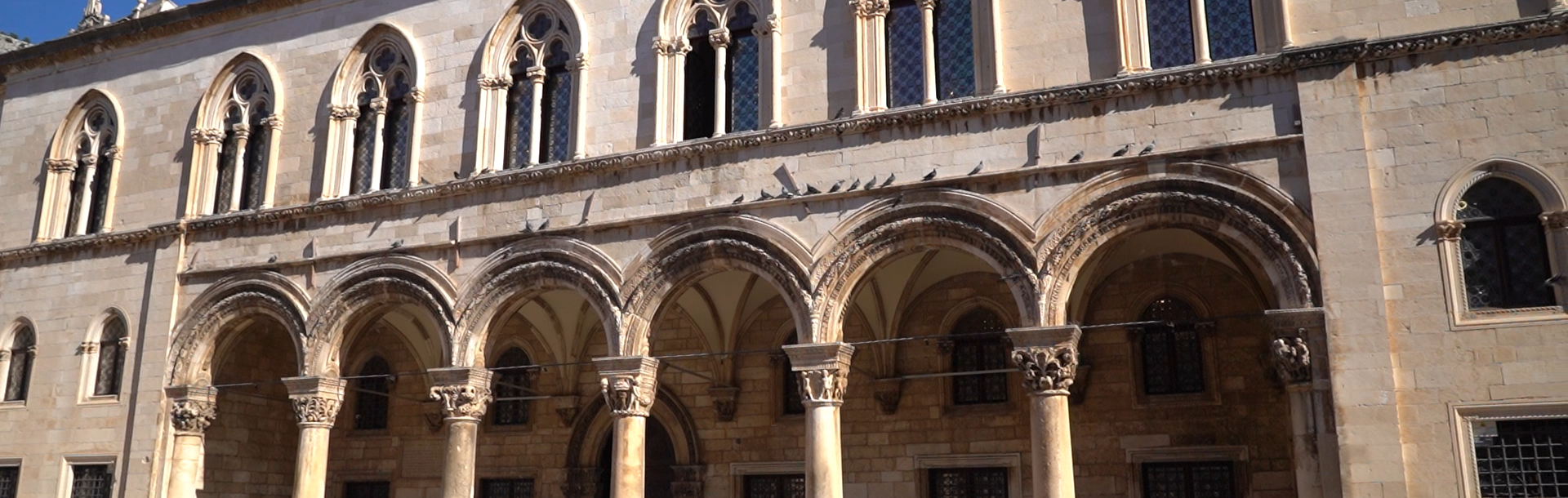
Rector’s Palace

Dubrovnik – Croatia
About the Pilot Site
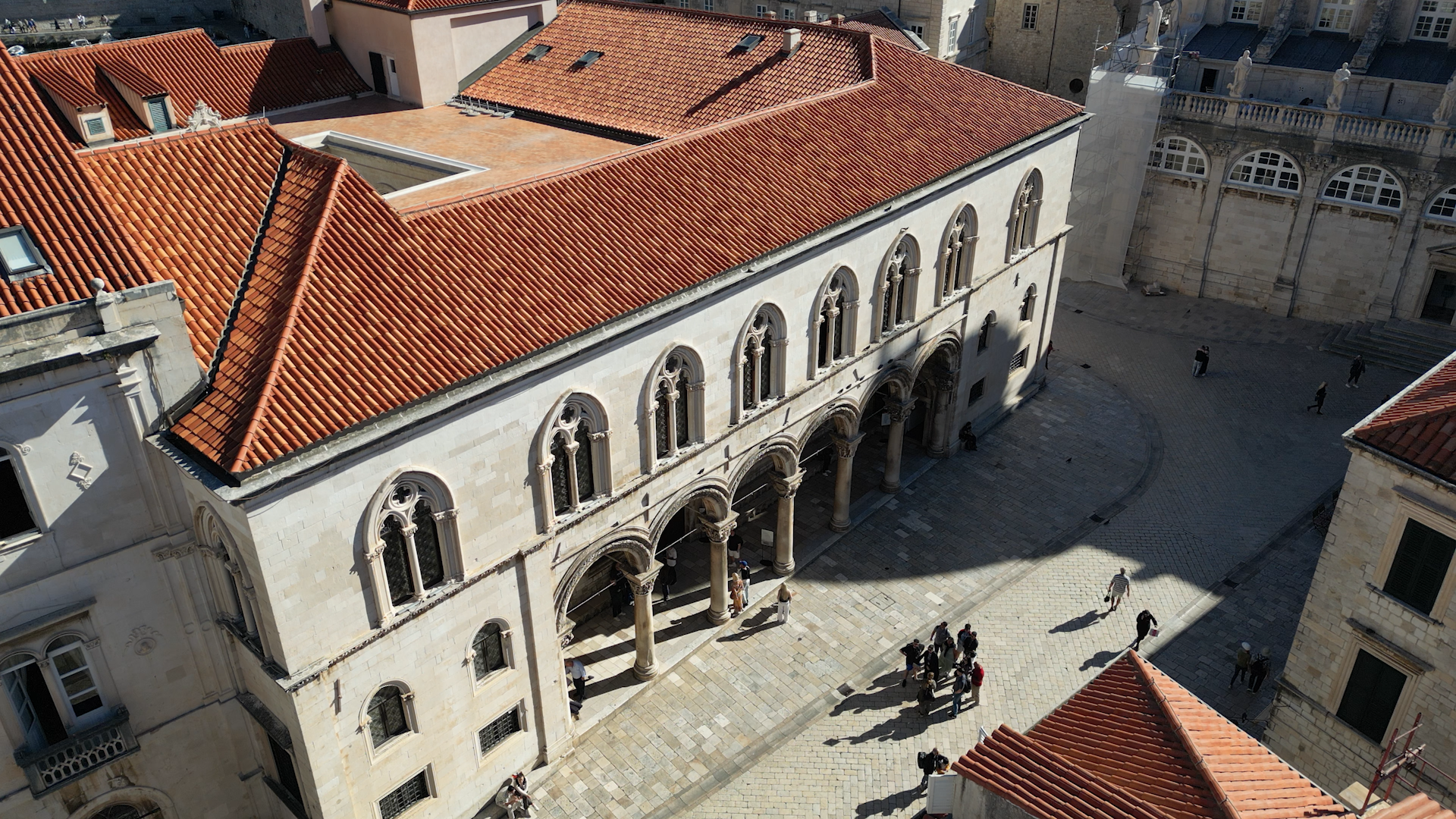
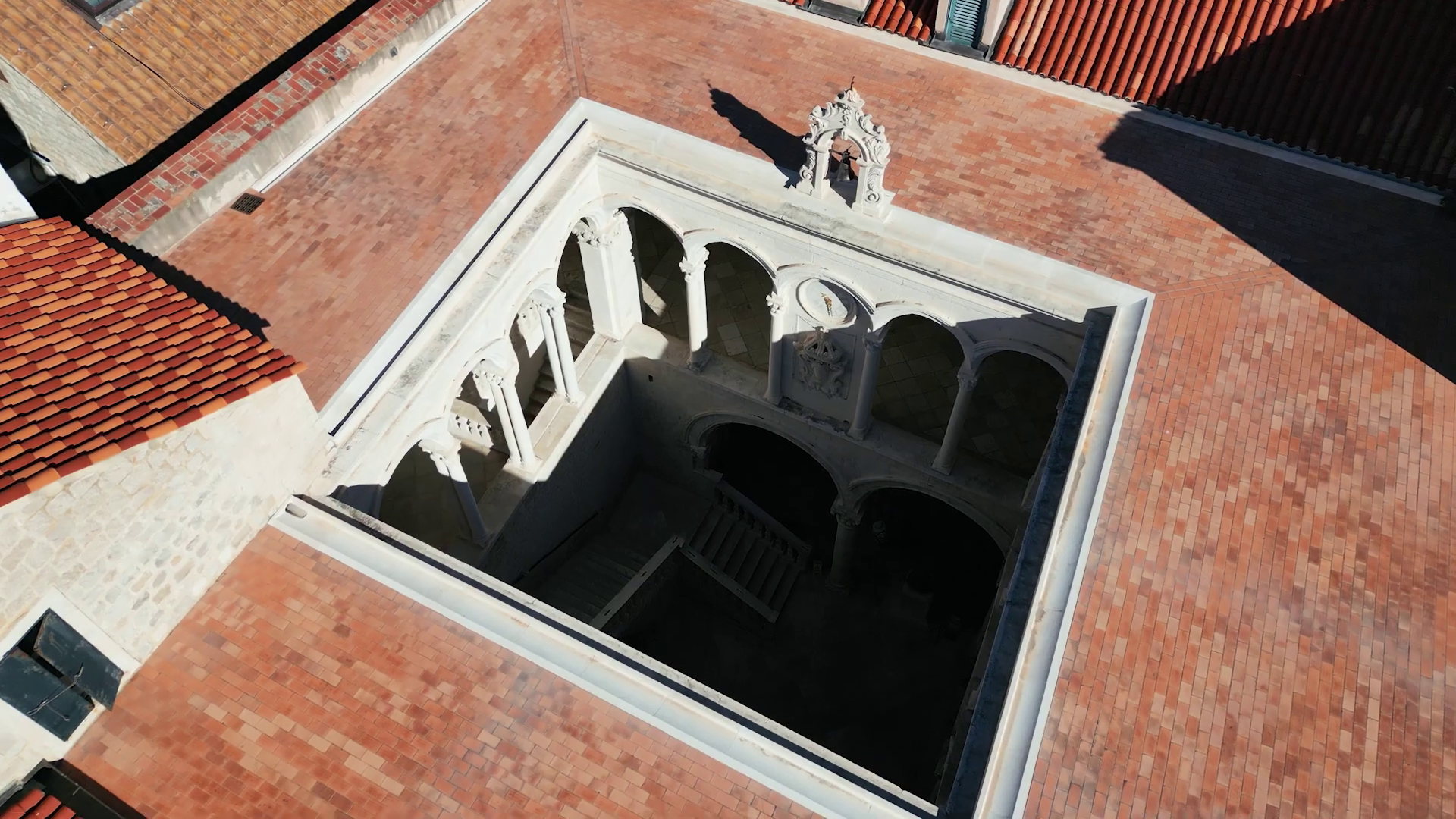
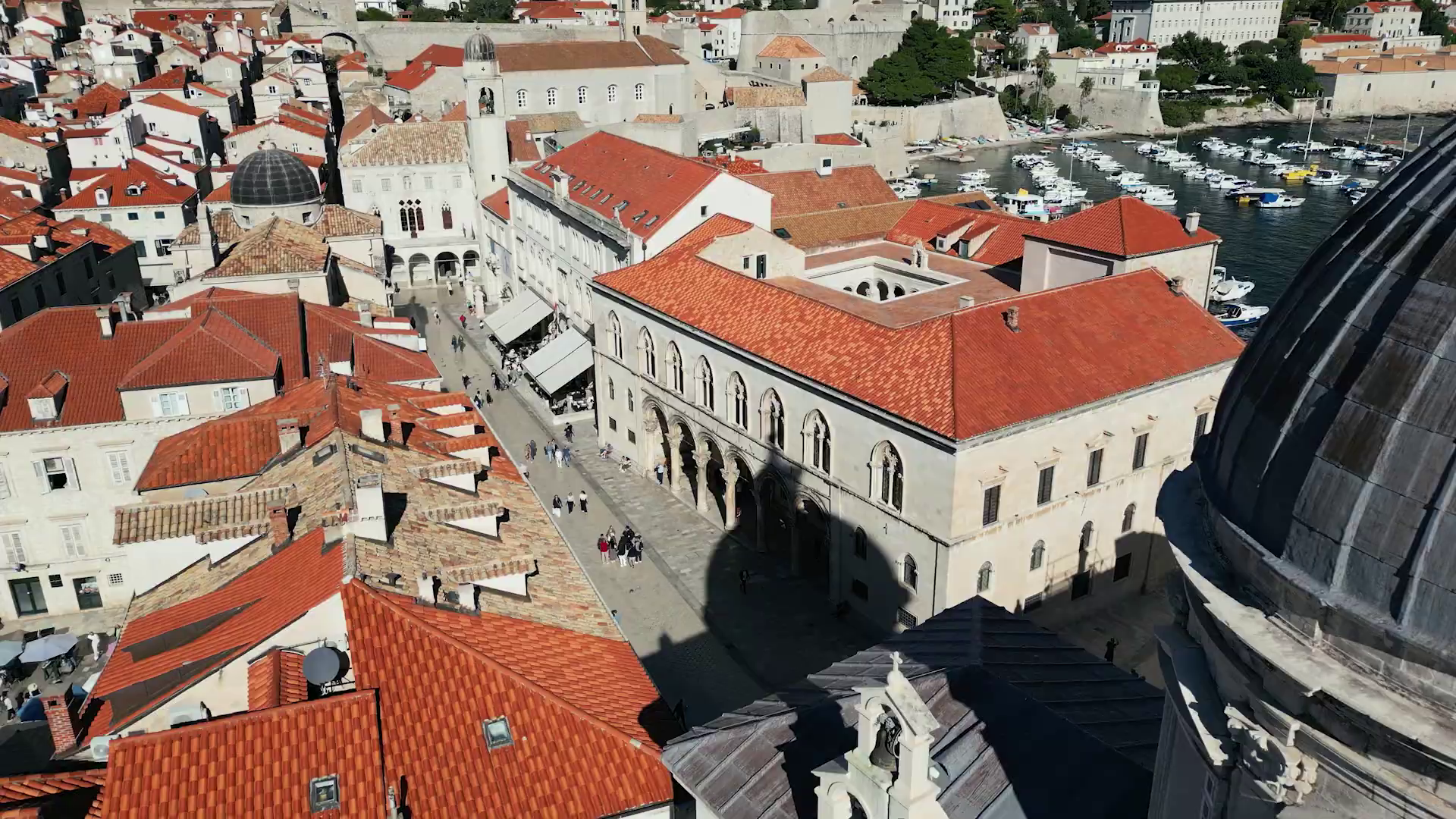
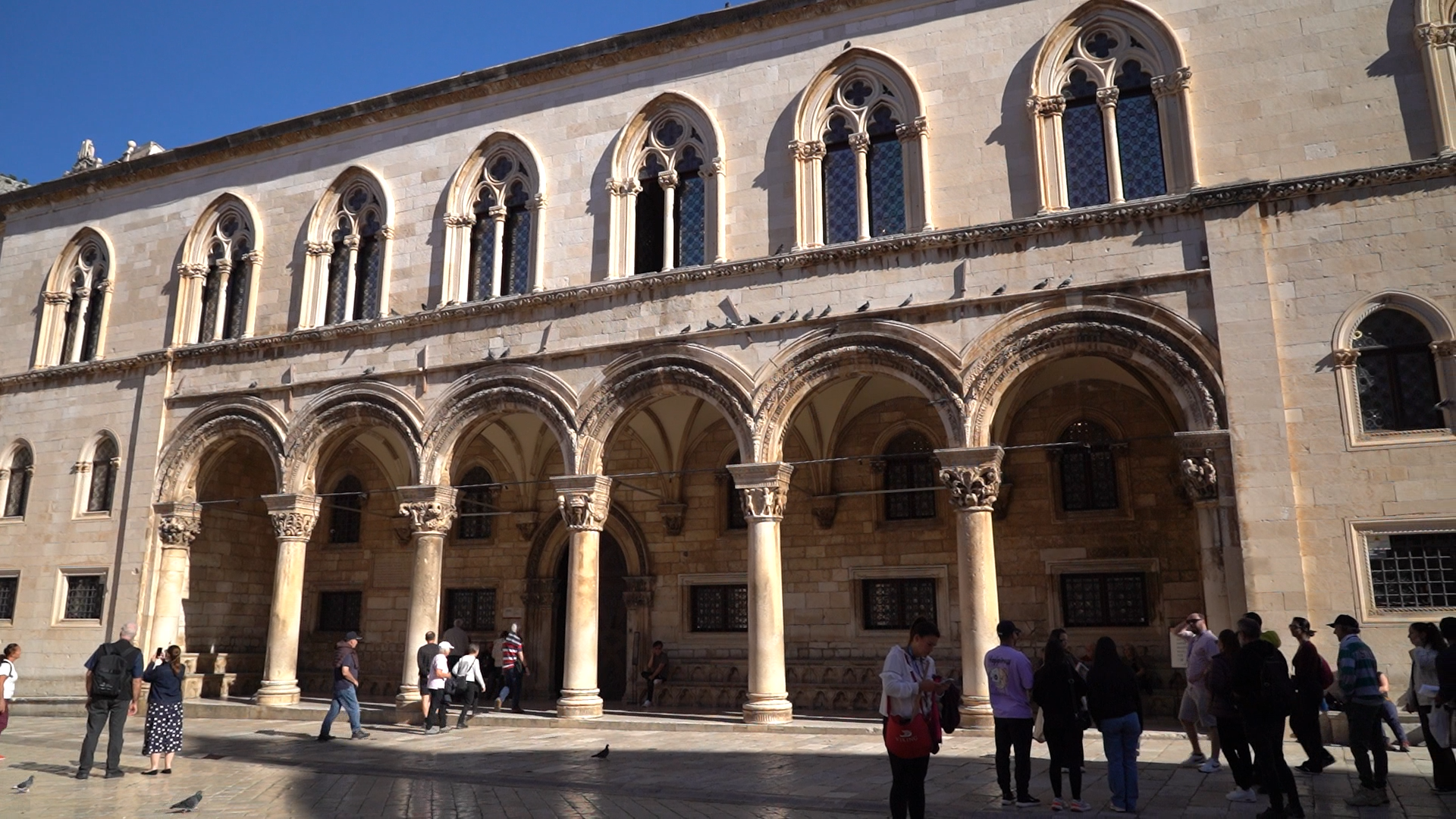
Rector’s Palace in Dubrovnik was built as the seat of government and residence of the rector, the highest political function in the Republic of Dubrovnik. The first mention of the building dates back to the 13th century. The palace houses the halls of the Great and Small Councils, state offices, courtroom, prison, armory, and powder magazine. Today, the Rector’s Palace is a historical museum within the Dubrovnik Museums. It is furnished with period furniture from the 19th century, collected from old Dubrovnik palaces and summer residences.
Local Challenges
Key issues that prompted the pilot interventions included:
- Heritage Conservation: The Rector’s Palace, with its Gothic, Renaissance, and Baroque elements, required careful monitoring due to past earthquake damage and environmental wear.
- Environmental factors: Proximity to the Adriatic Sea caused humidity, salt infiltration, and temperature fluctuations, while microclimatic variations within the palace posed challenges for preventive conservation.
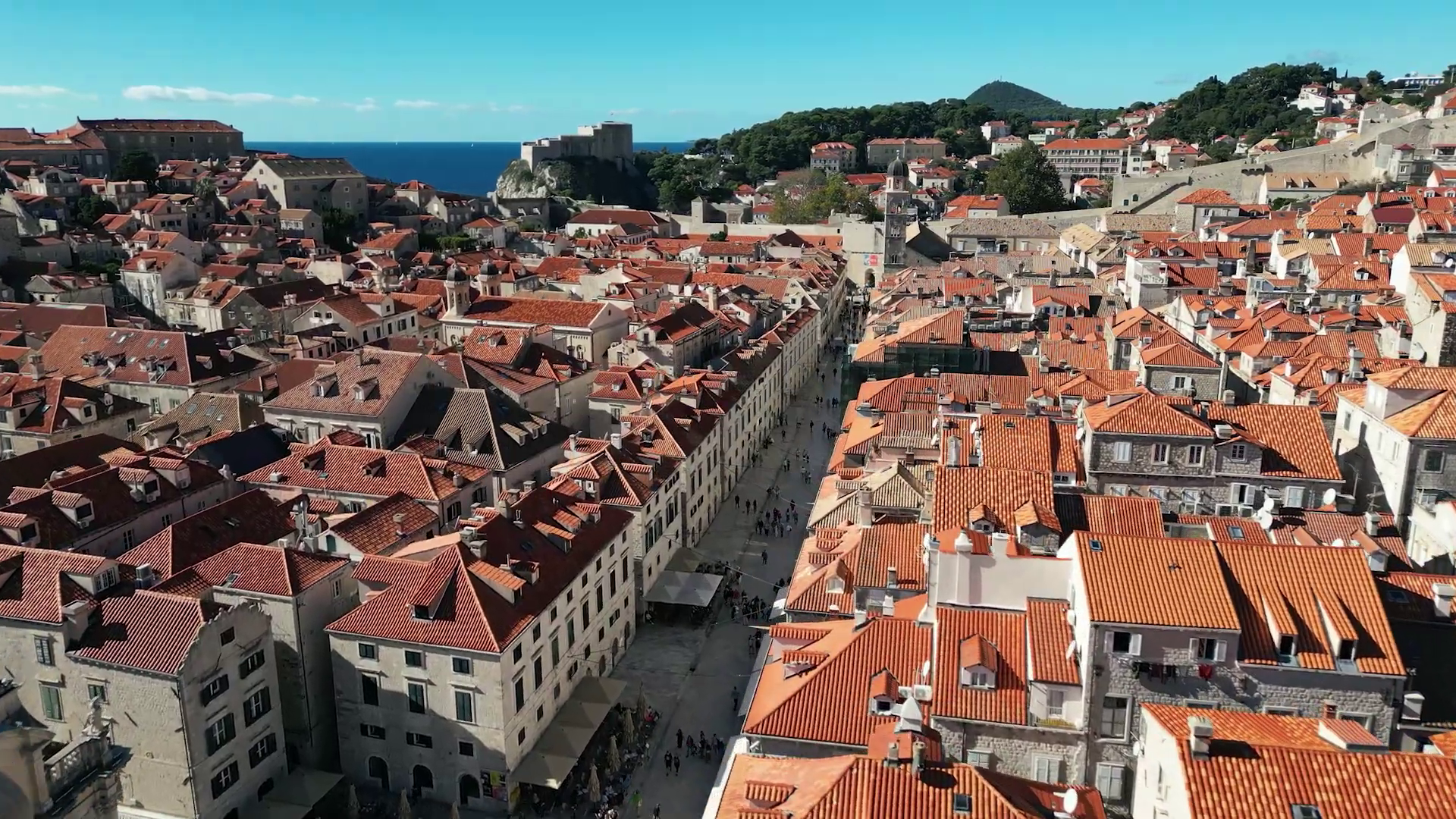
- Visitor Pressure: High annual visitor numbers (over 400,000 in 2023) risked physical wear and overcrowding, highlighting the need for sustainable tourism measures and digital tools to reduce impact.
Objectives of Experimentation
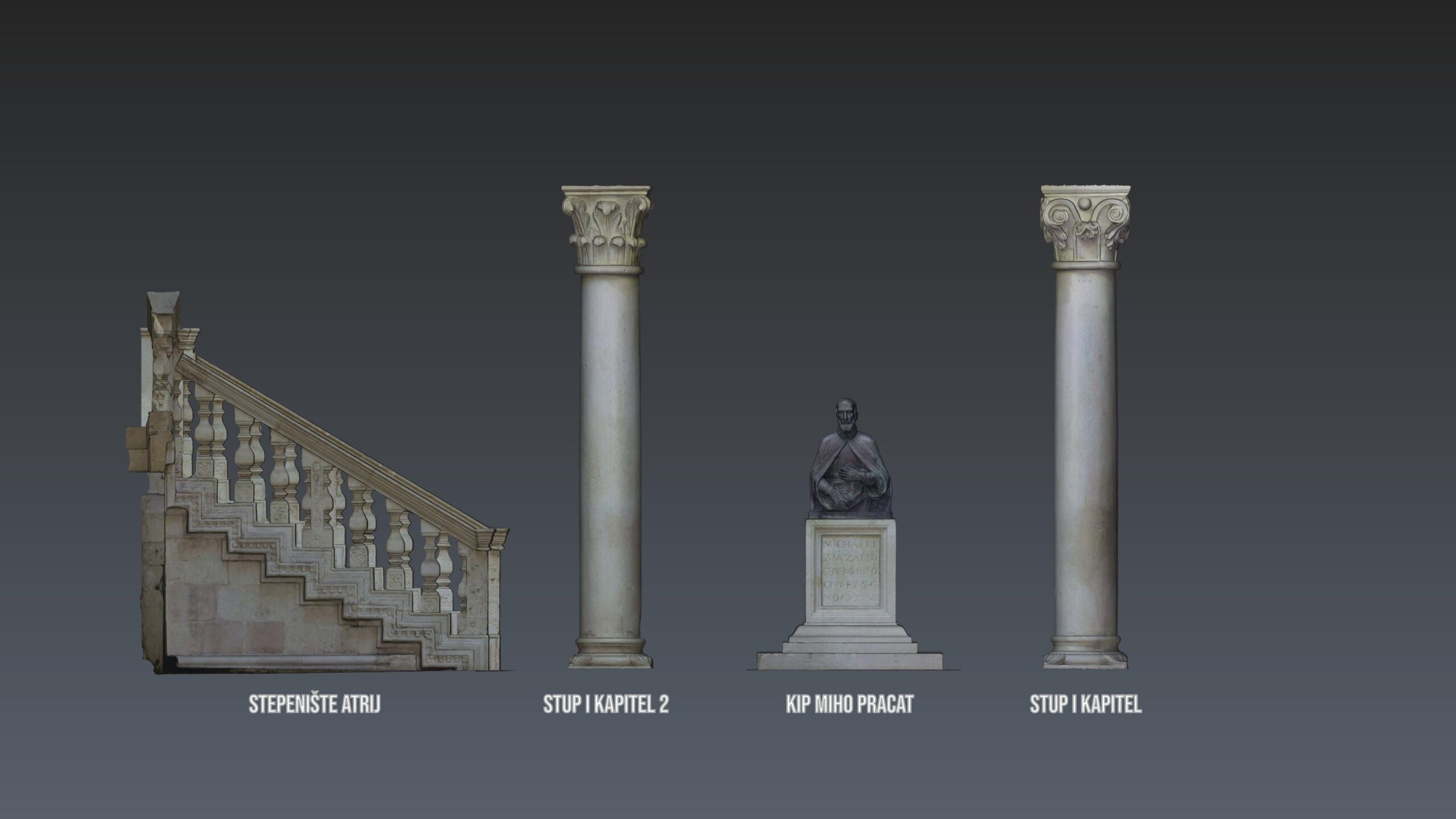
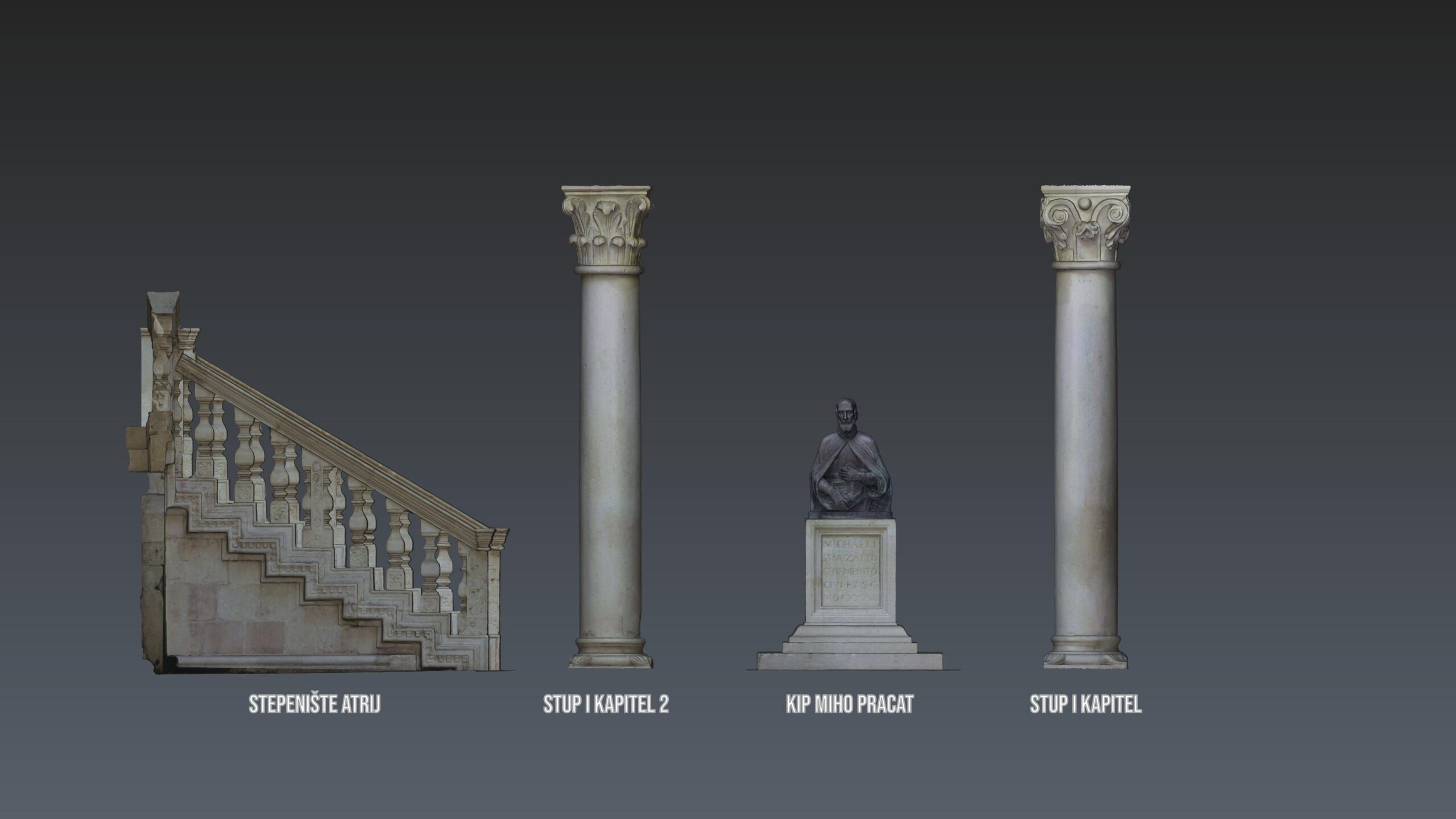
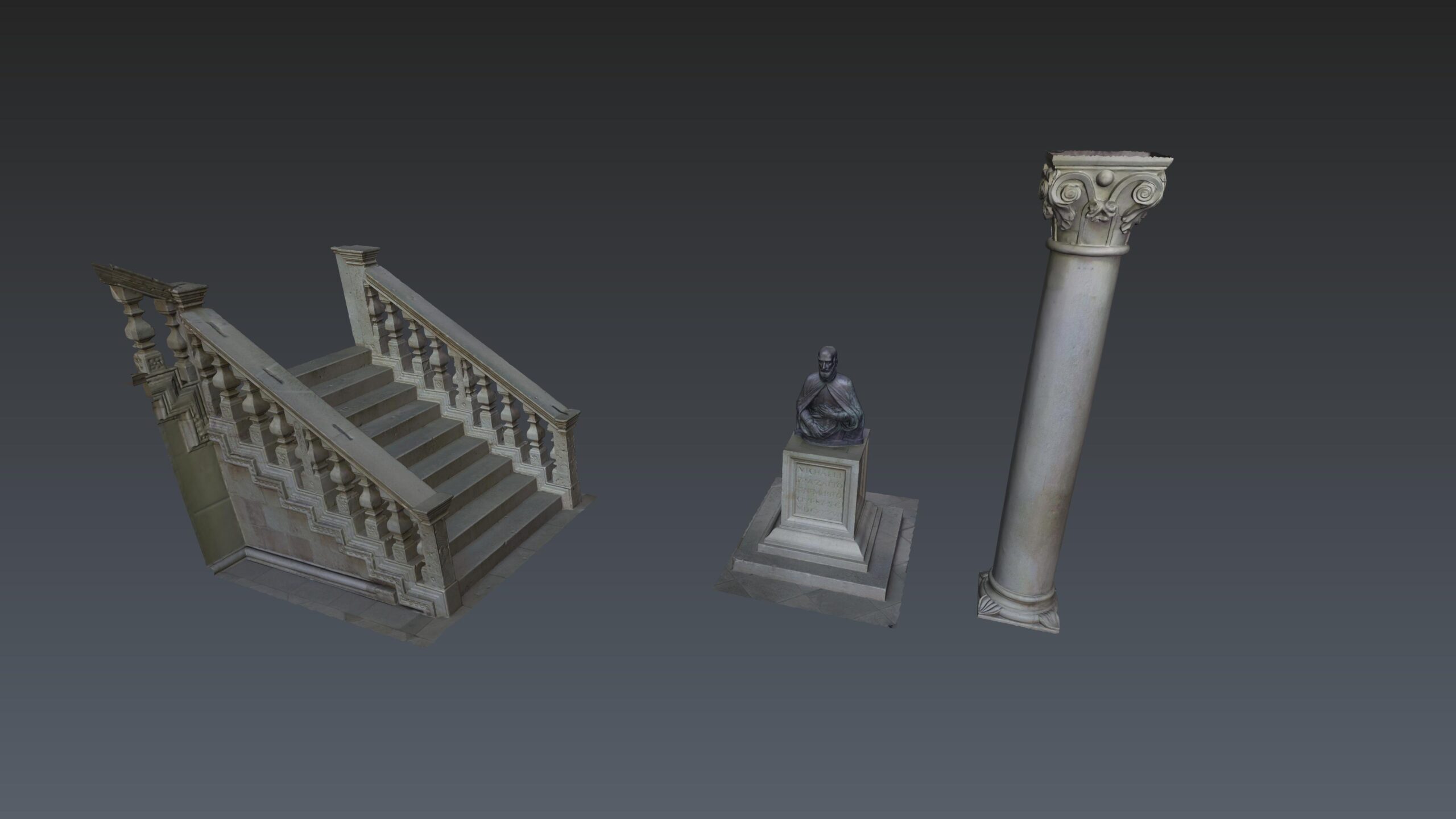
- Digital Preservation: Create high-resolution 3D digital models of selected sections of the Rector’s Palace using photogrammetry to support conservation and restoration planning.
- Environmental Monitoring: Install and operate humidity and temperature sensors enabling continuous monitoring, with data analyzed for predictive, preventive conservation and increased climate resilience.
- Community Engagement and Capacity Building: Strengthen local knowledge and capacity for heritage protection and promote inclusive governance, ensuring sustainability and transferability of the HERIT ADAPT model.
The HERIT ADAPT Sustainable
Tourism Model
Data-Driven Diagnosis and Understanding
The pilot combined innovative technologies with centralized databases and collaborative management practices to demonstrate a data-driven approach to heritage protection and sustainable tourism. Existing humidity and temperature sensors, integrated with the palace’s digital network, fed Machine Learning models to predict environmental risks, such as humidity fluctuations and salt infiltration, without requiring new physical installations. This non-intrusive approach preserved heritage standards, reduced costs, and demonstrated the potential of technology-supported conservation. Secure data management allowed historical trend analysis and controlled sharing with stakeholders. Coordination among multiple actors ensured alignment on technical, educational, and participatory activities, enabling evidence-based decision-making for sustainable tourism and proactive site management.
Technological & Data Collection workflow includes:
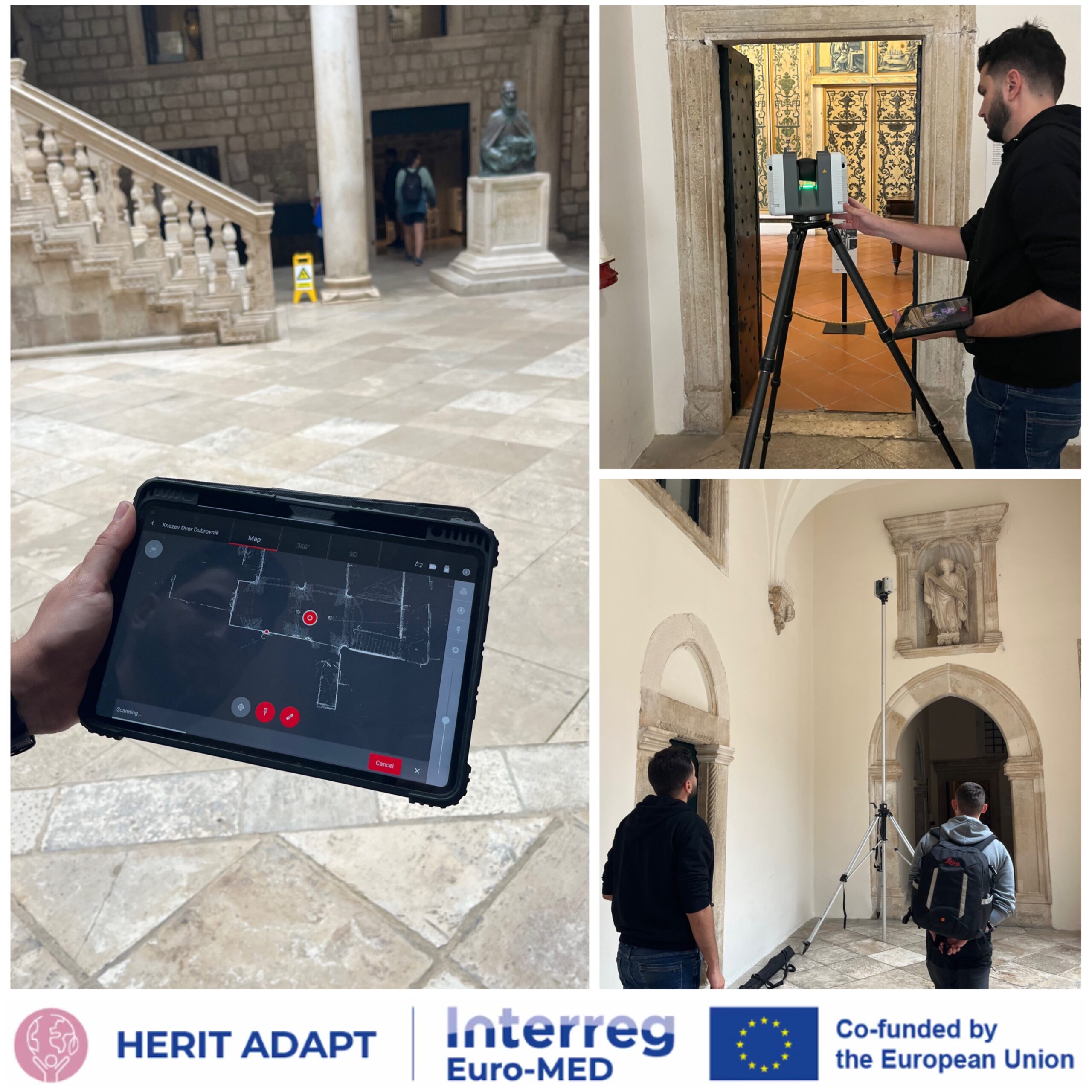
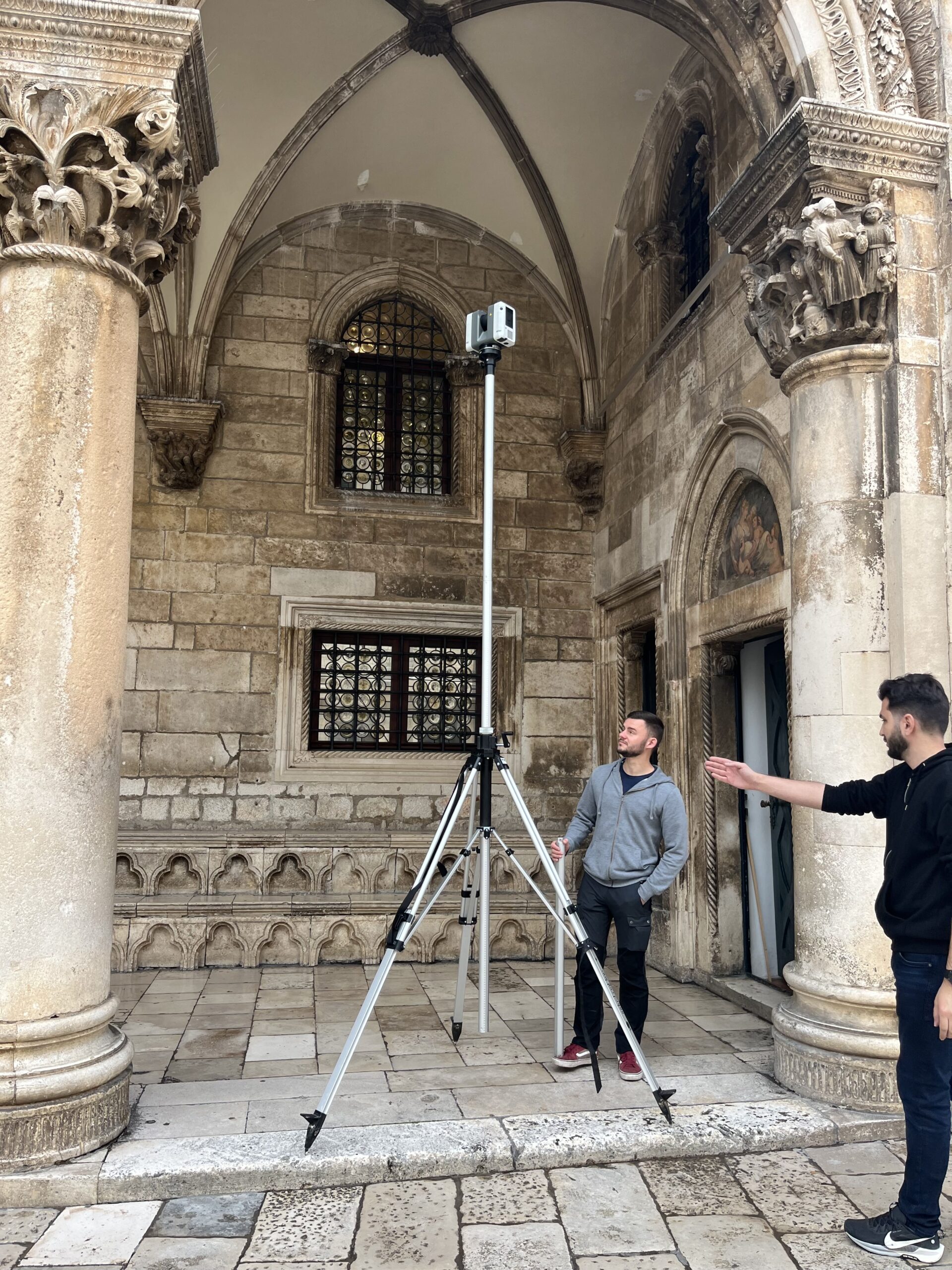
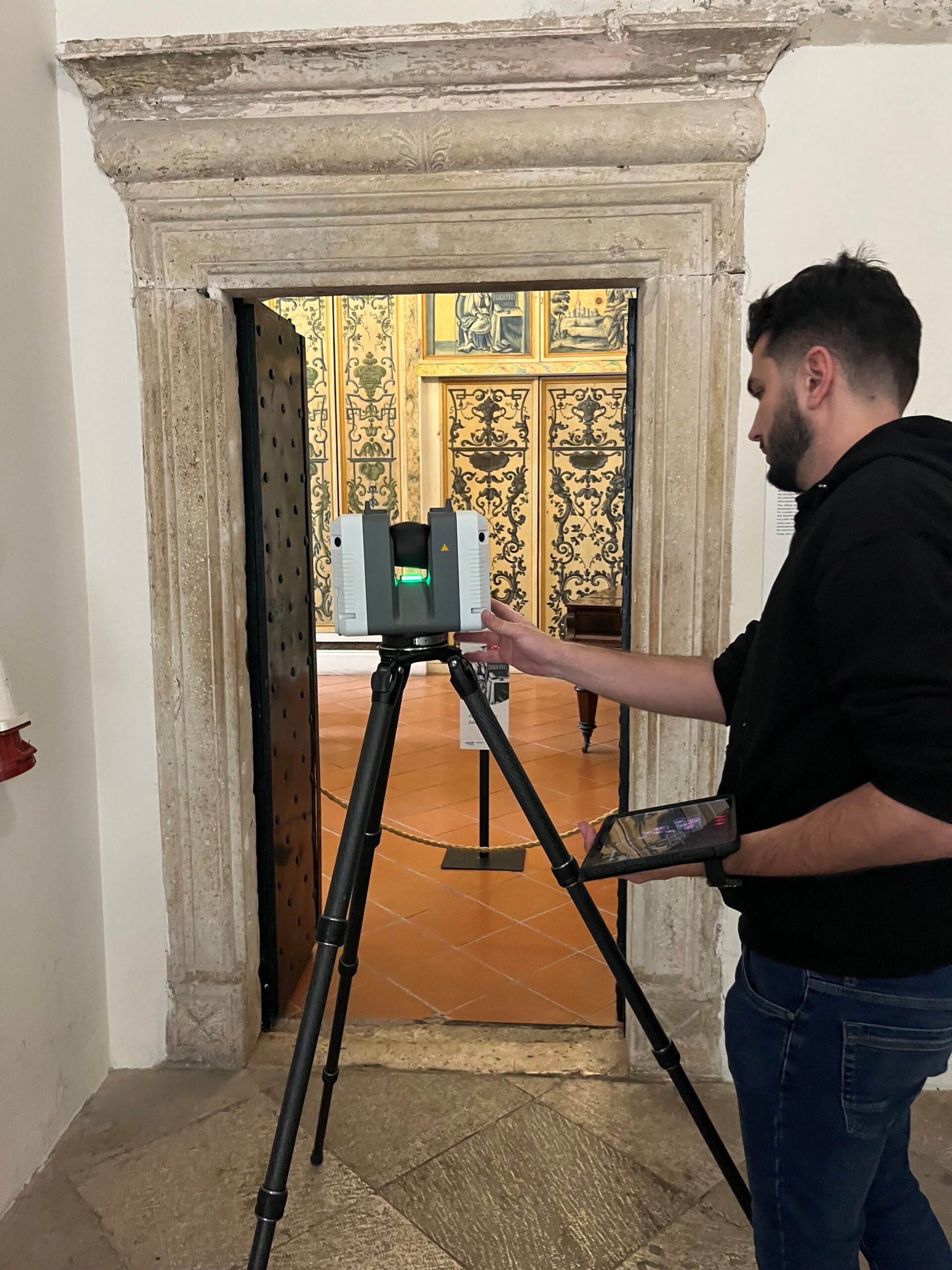
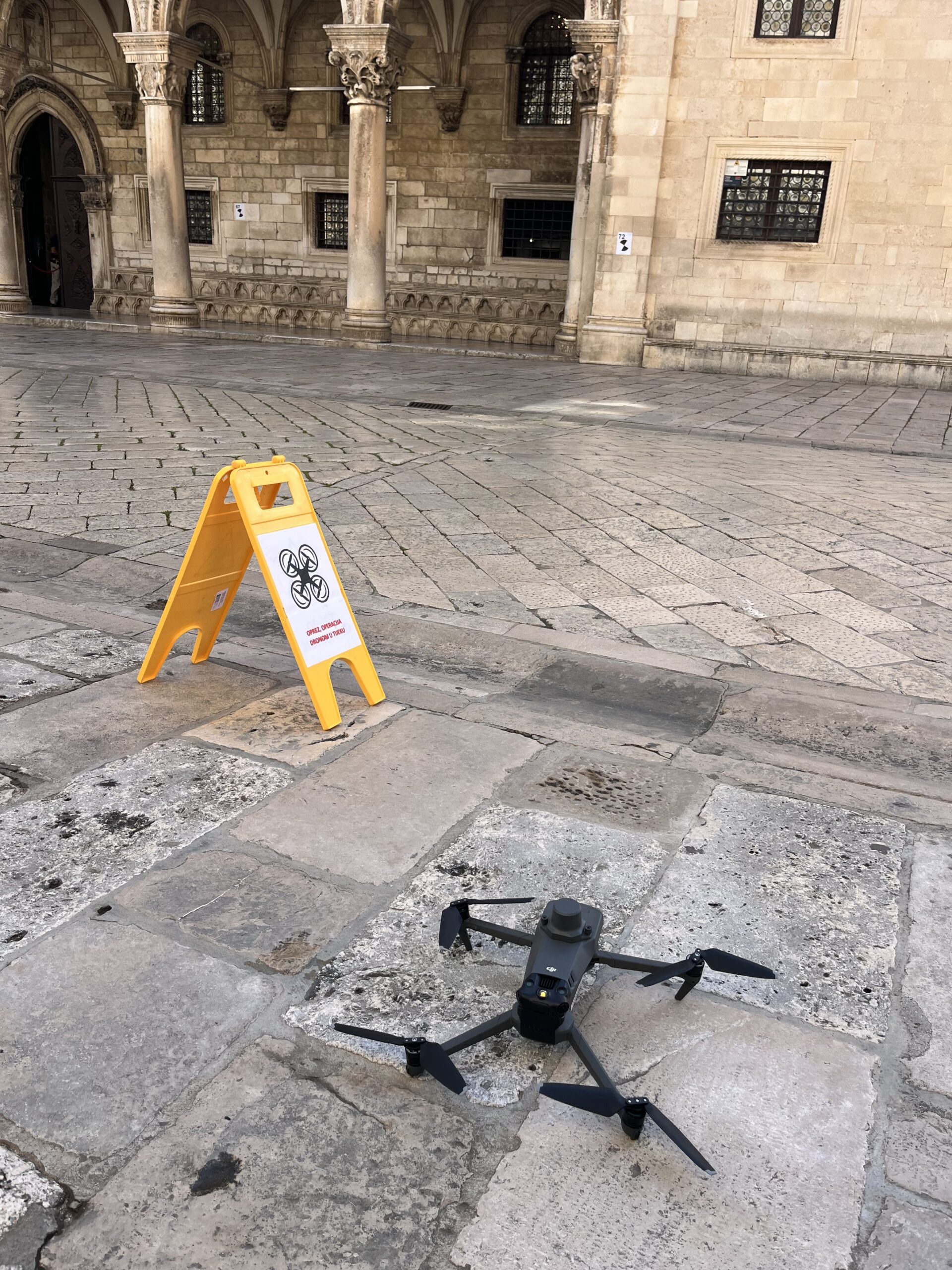
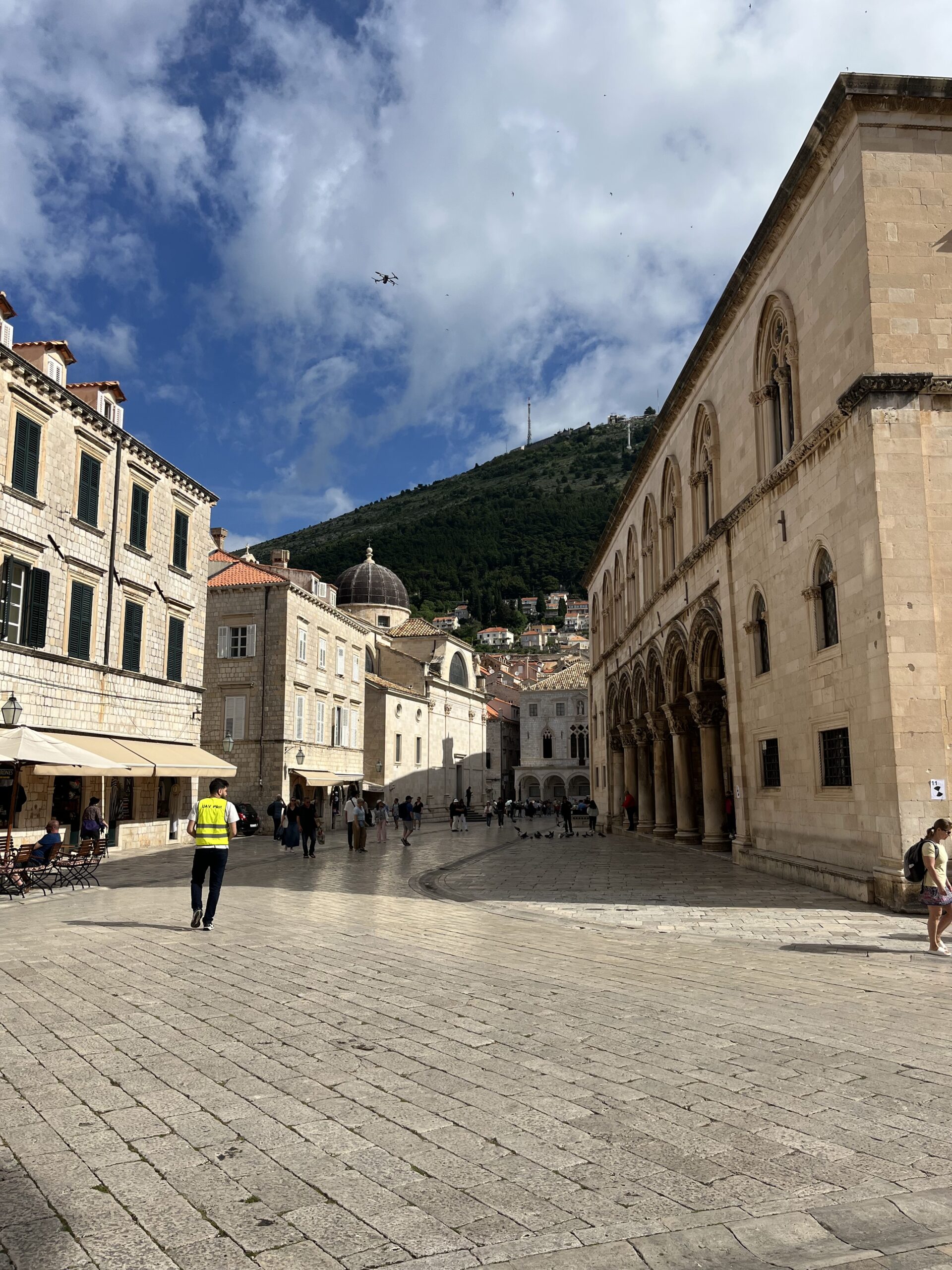
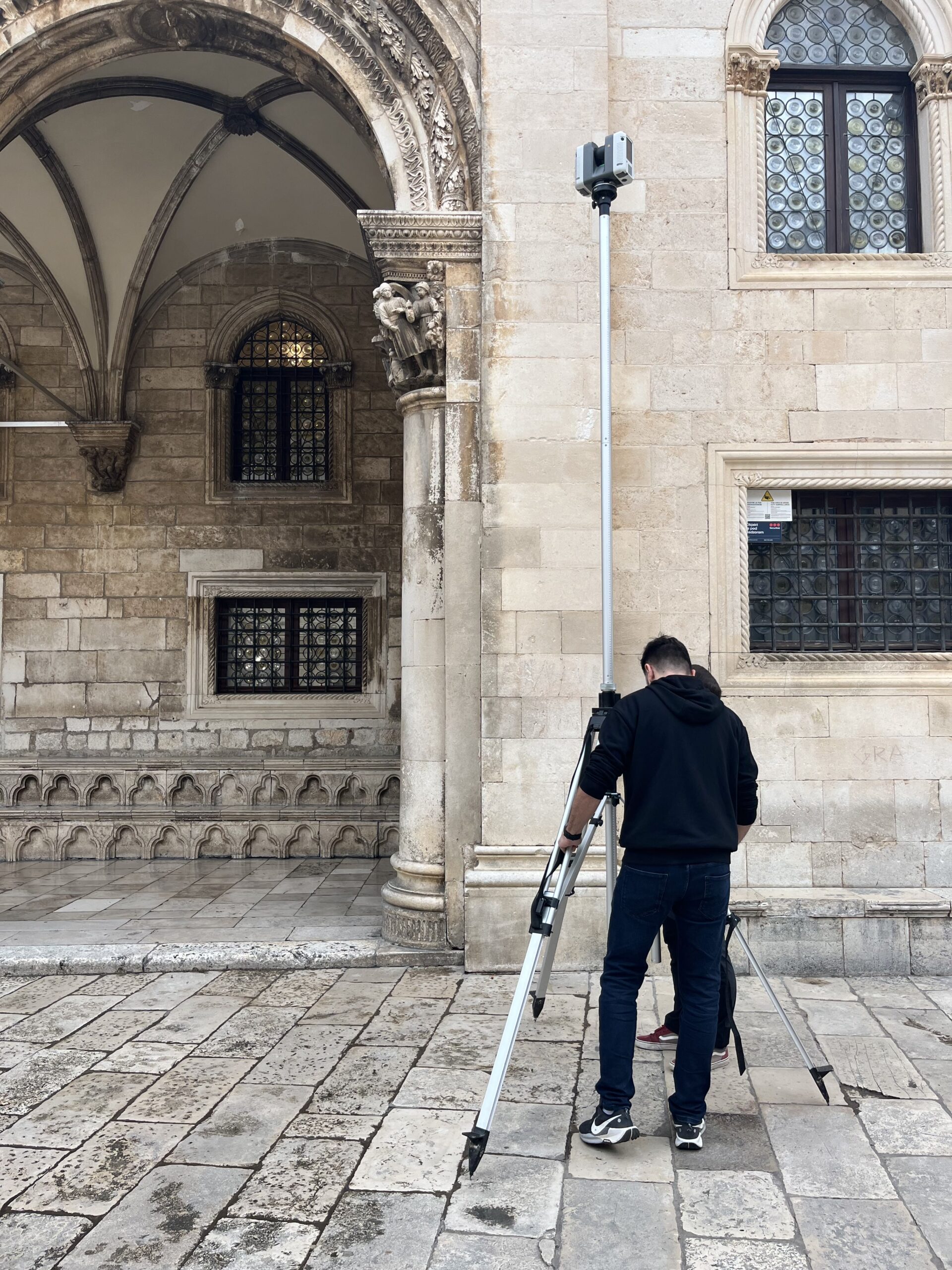
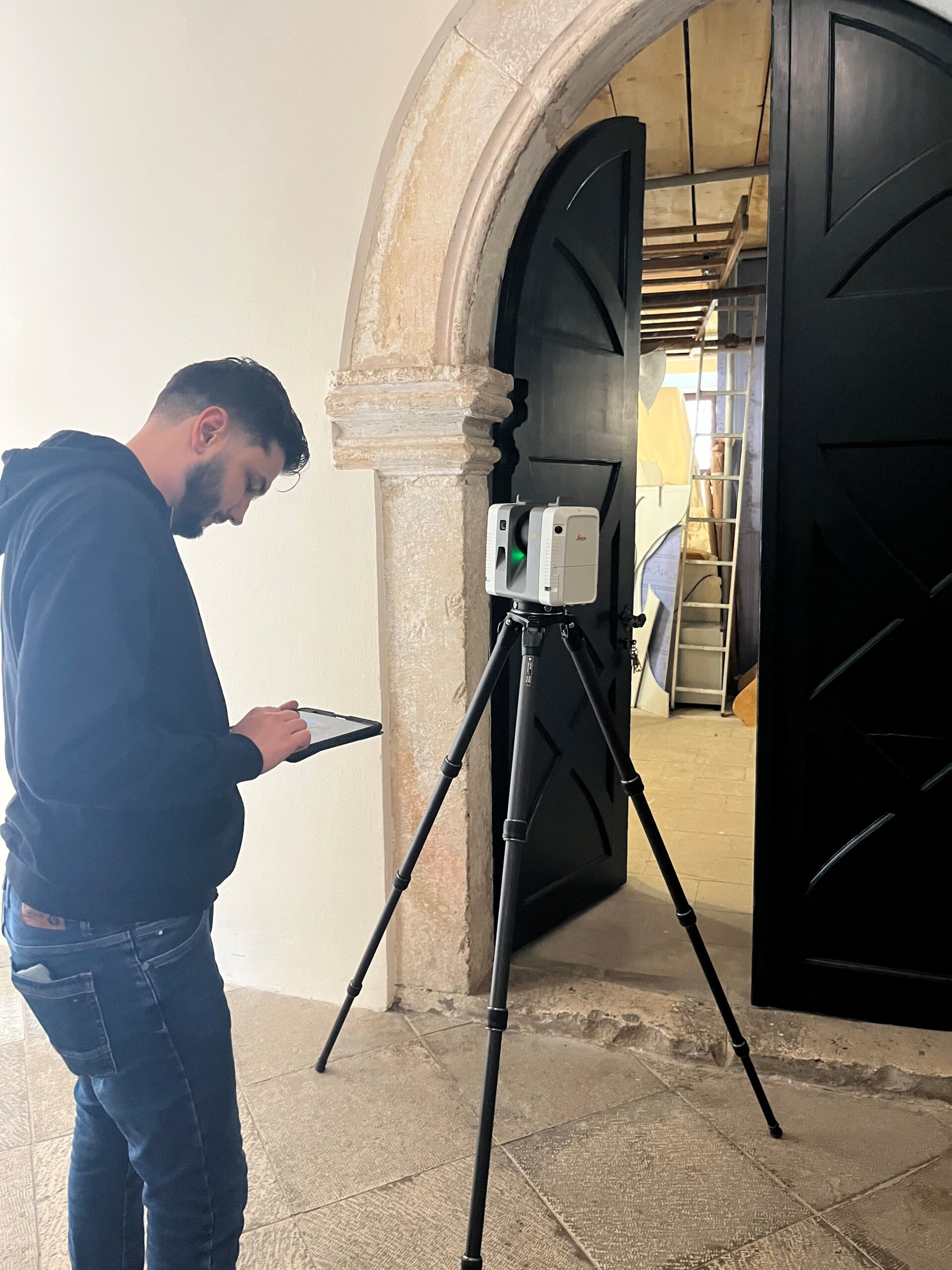
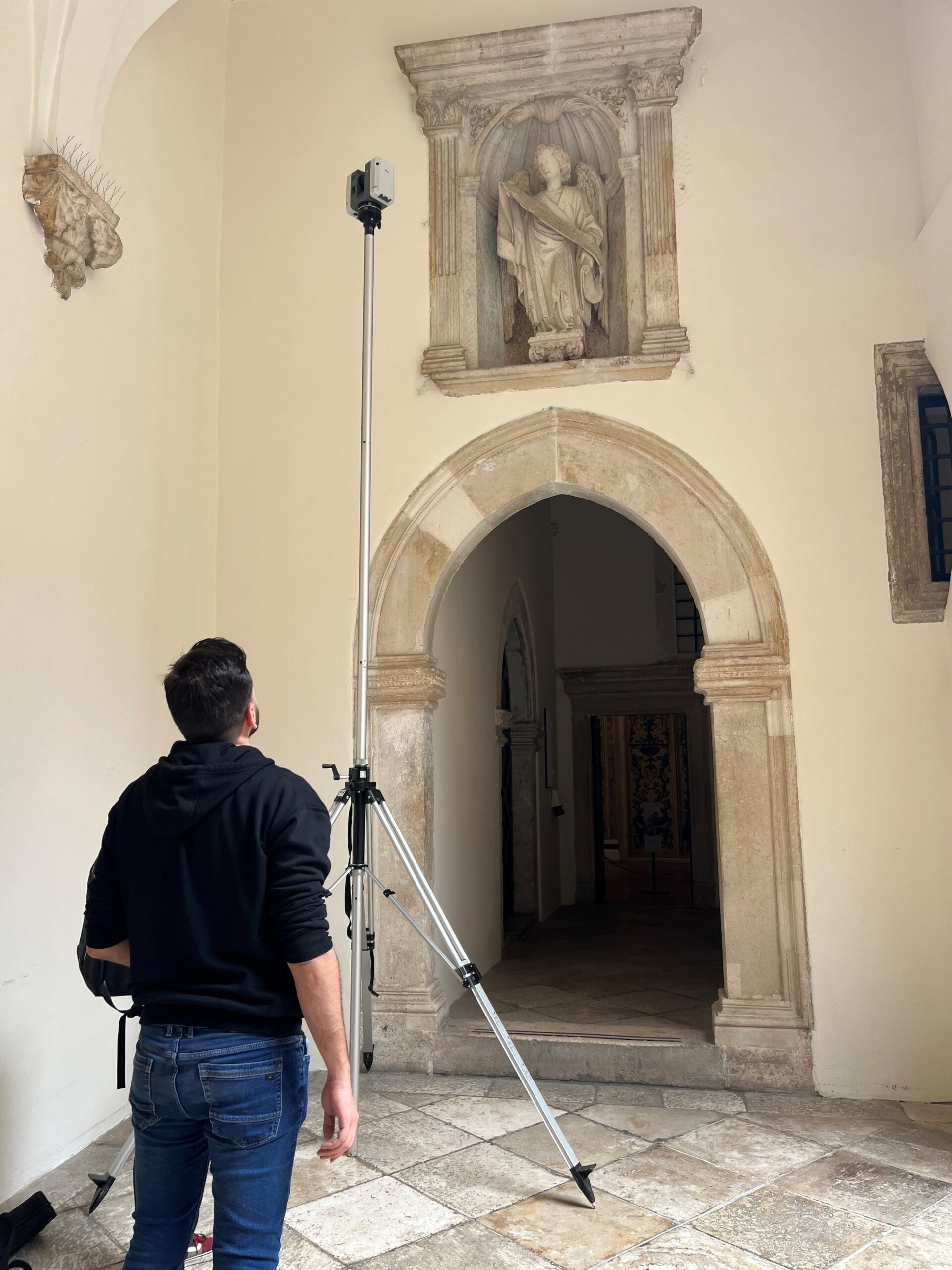
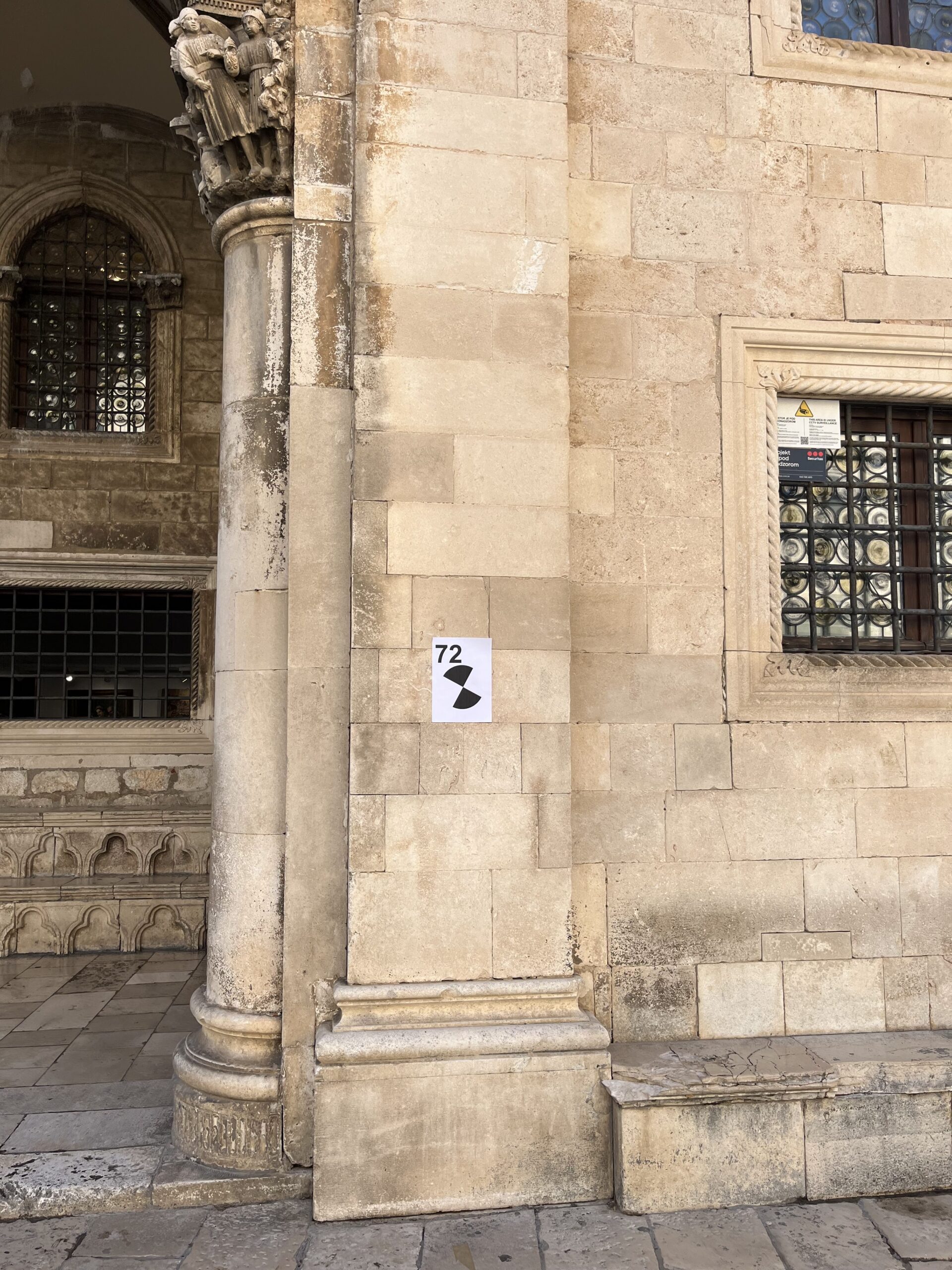
- Photogrammetry and 3D Modelling: High-resolution images captured from multiple angles, complemented by LIDAR scans and drone imagery, to create detailed digital models of the palace’s interior and exterior.
- Machine Learning and Environmental Monitoring: Predictive models analyzed humidity and temperature data from sensors to forecast risks, enabling proactive maintenance and conservation through a custom predictive tool.
- Data Integration: Sensor and 3D data were stored in centralized databases for visualization, analysis, and stakeholder sharing, supporting restoration planning, visitor management, and sustainable tourism strategies.
Multi-Stakeholder Collaboration via Territorial Working Groups
The pilot was coordinated by Territorial Working Groups (TWG) led by Dubrovnik Development Agency, through which relevant stakeholders actively contribute to developing the pilot concept, helping in identifying the needs, share the knowledge and building local capacity in a meaningful way. Dubrovnik Museums, the City of Dubrovnik, the Institute for the Restoration of Dubrovnik, schools, universities, and community groups were actively engaged through meetings, workshops and educational activities. TWG participation enabled collaborative planning for heritage protection, sustainable tourism, and climate adaptation. The pilot was coordinated through Territorial Working Groups (TWGs) led by the Dubrovnik Development Agency, enabling relevant stakeholders to actively contribute to the development of the pilot concept, identify needs, share knowledge, and build local capacity. Dubrovnik Museums, the City of Dubrovnik, the Institute for the Restoration of Dubrovnik, as well as schools, universities, and community groups, were engaged through meetings, workshops, and educational activities. Citizens contributed feedback and interacted with 3D models, environmental sensors, and dashboards, fostering awareness and responsible tourism. Educational programs and hands-on training strengthened local knowledge and skills, particularly among students, creating a citizen science dimension and fostering community ownership of heritage management outcomes. This collaborative framework supported joint planning for heritage protection, sustainable tourism, and climate adaptation.
Implementation of Adaptive and Integrated Strategies
The pilot applied adaptive strategies to address environmental stress and high visitor pressure. By combining digital monitoring, predictive analysis, and stakeholder engagement, it created a flexible framework for sustainable heritage management, preventive conservation, and resilient tourism. The approach was non-intrusive, building on pre-existing infrastructure to minimize physical interventions, reduce costs, and preserve the site’s integrity. Stakeholders contributed to decision-making via TWGs and training, while citizens engaged with visualized data to increase awareness and promote responsible tourism. The integrated approach provided actionable insights for restoration planning, visitor flow optimization, and climate adaptation, ensuring that the HERIT ADAPT model can be transferred across different types of organisations, cultural institutions, and regions, and replicated at other heritage sites.
The pilot demonstrates approaches that can support sustainable heritage management through:
- 3D Photogrammetry Models for digital documentation and virtual tours.
- Environmental Sensors & Machine Learning Algorithms for microclimate monitoring and predictive conservation.
- Participatory Workshops & TWG Collaboration for stakeholder engagement and decision making.
Expected outcomes:
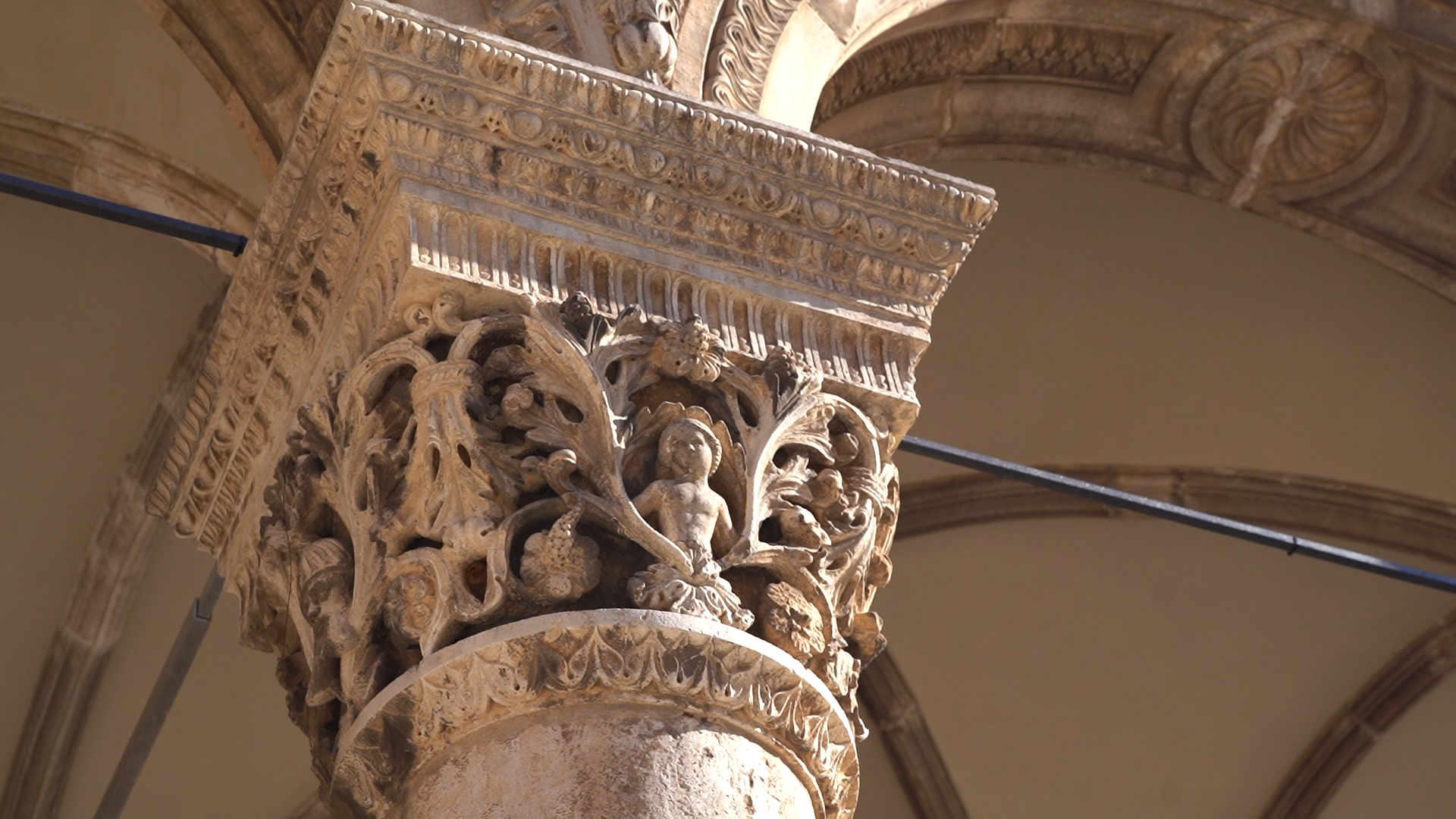
- High-resolution digital replicas enabling restoration planning and virtual visitor experiences.
- Predictive environmental insights supporting preventive conservation.
- Enhanced stakeholder capacity and community awareness.
Overall, the pilot effectively demonstrated how existing technological infrastructure could be optimized for sustainable heritage management and predictive conservation, forming a core component of the HERIT ADAPT sustainable tourism model.
Partners involved: