Chiossone Museum of Oriental Art

Genoa – Italy
About the Pilot Site
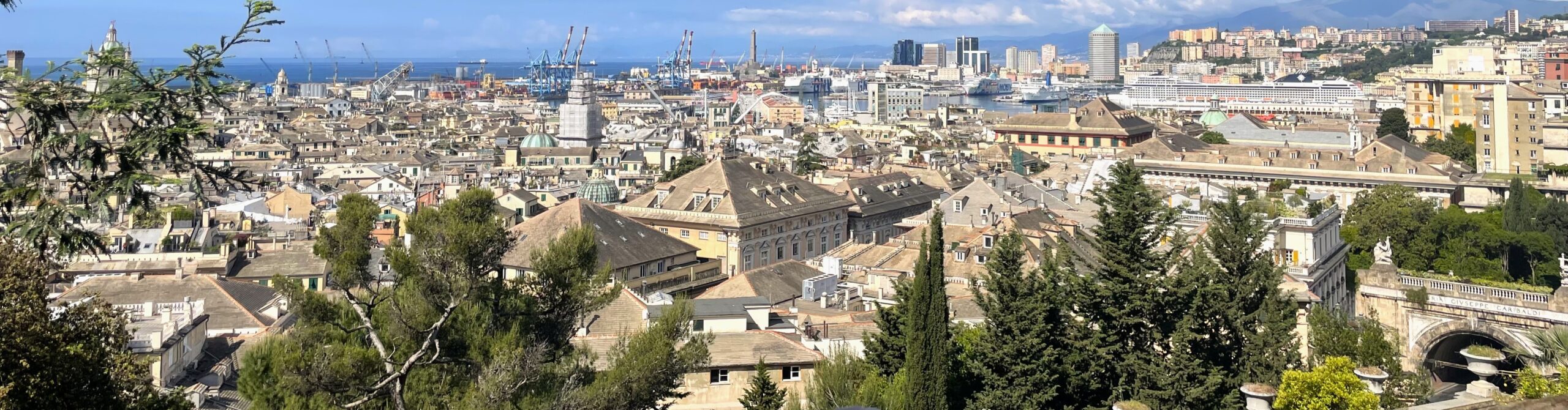
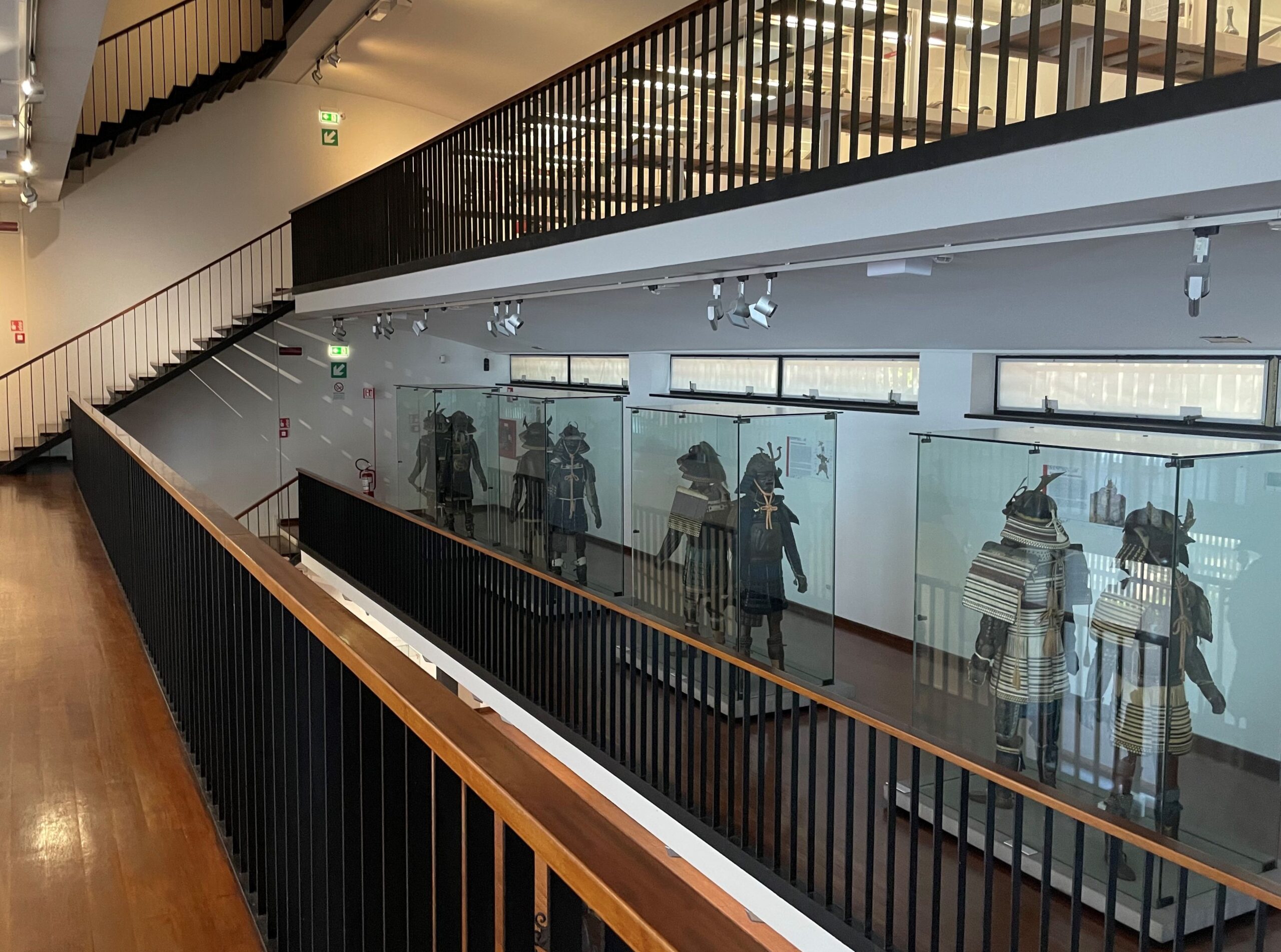
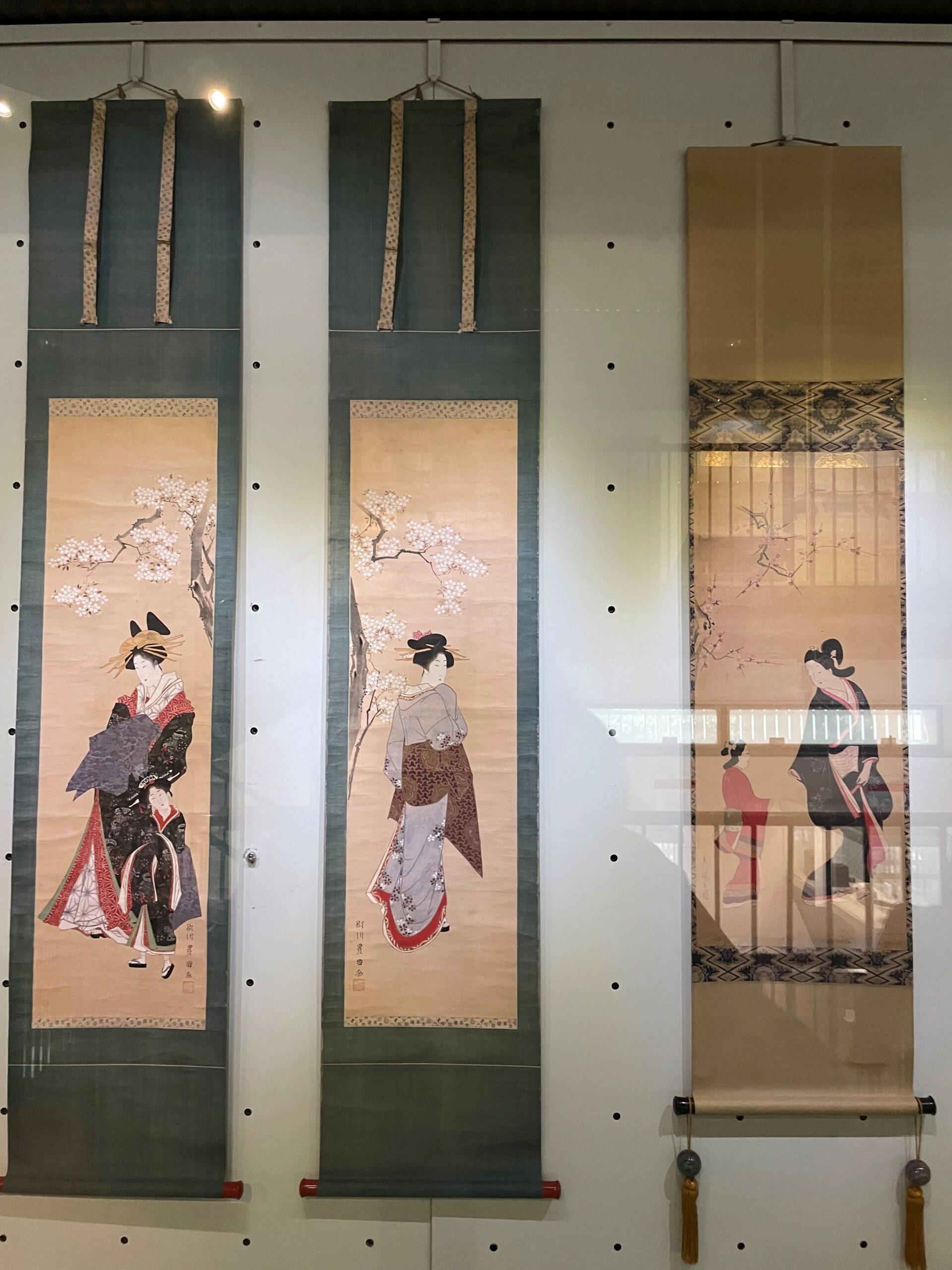
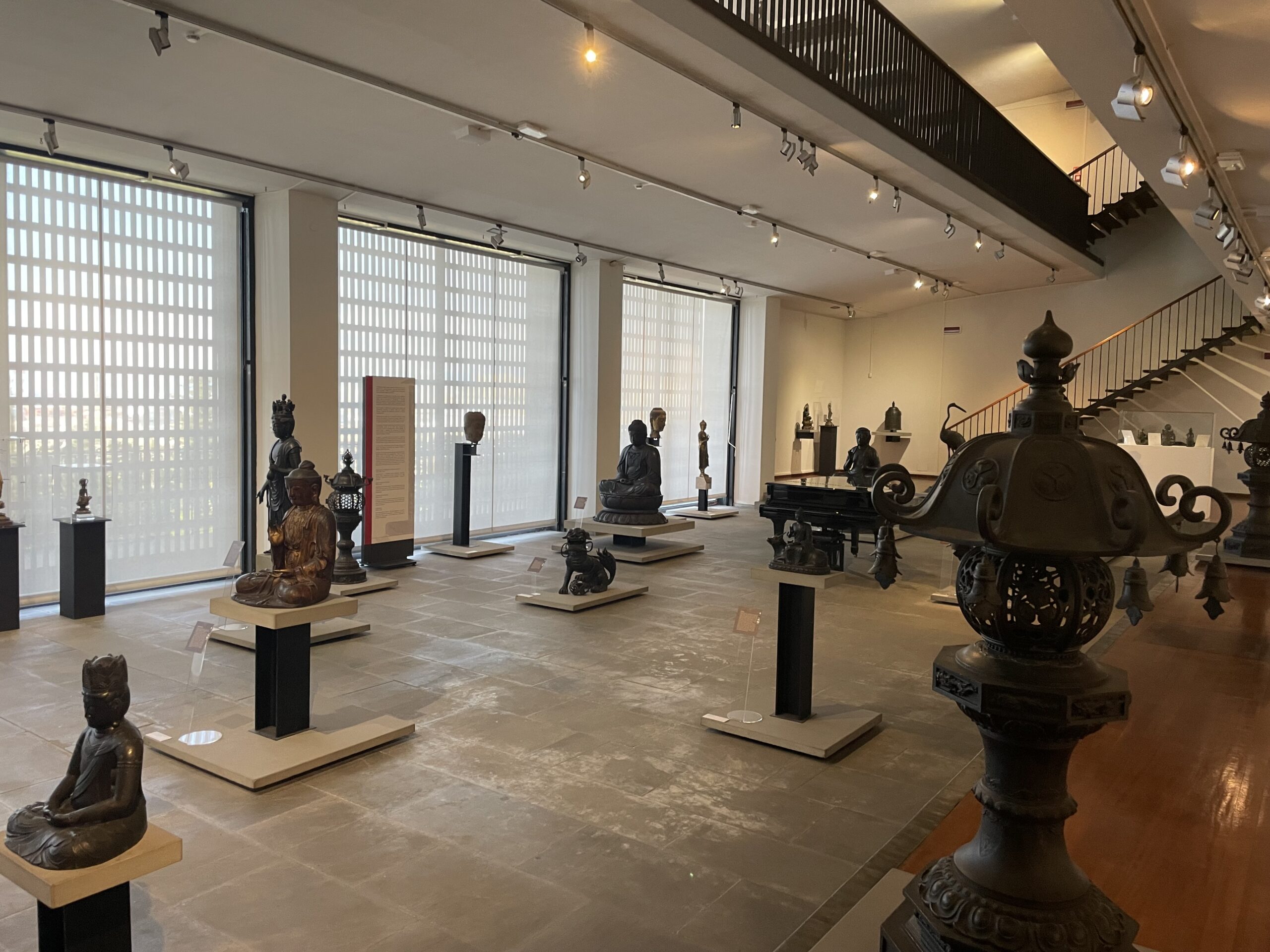
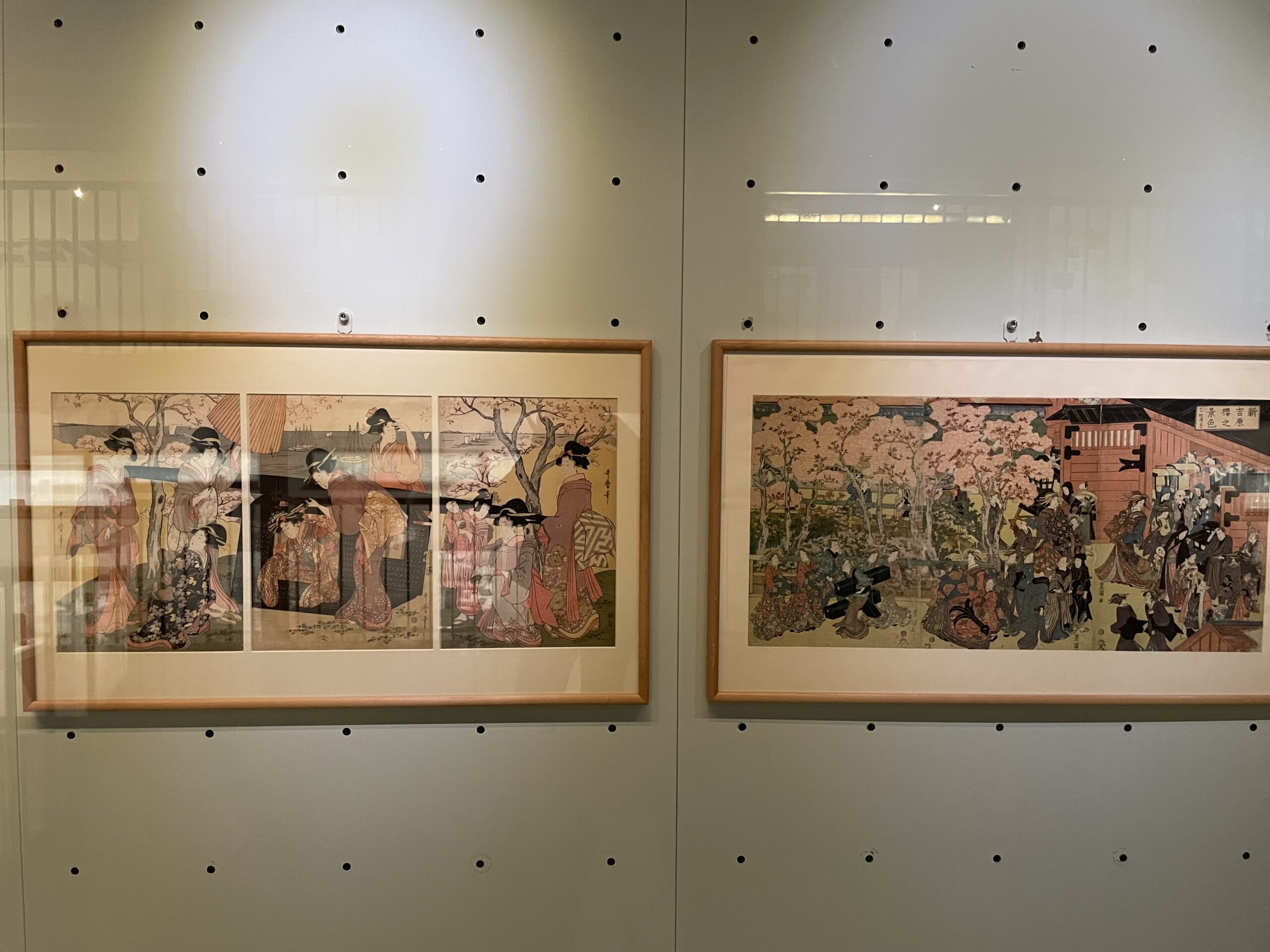
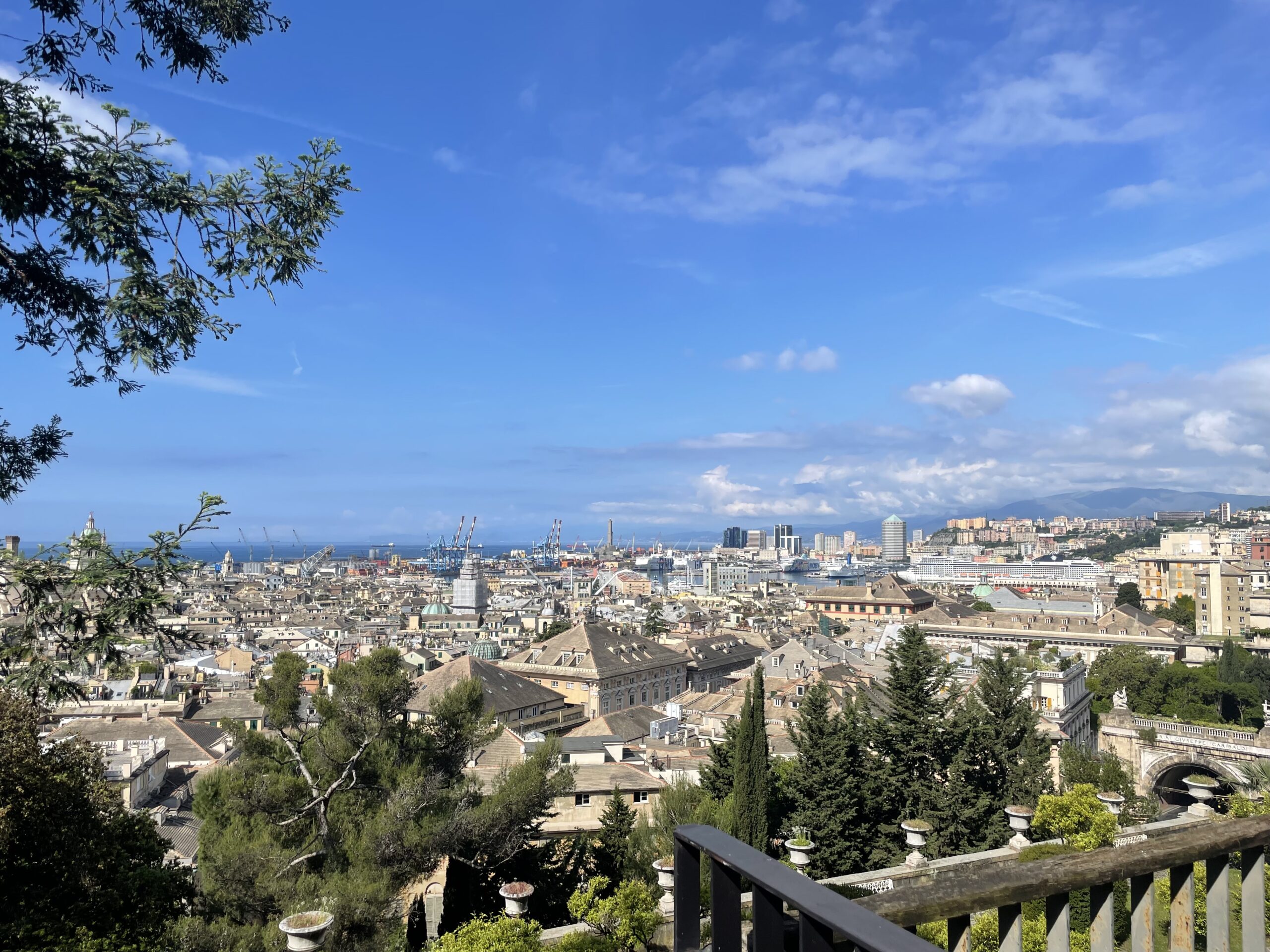
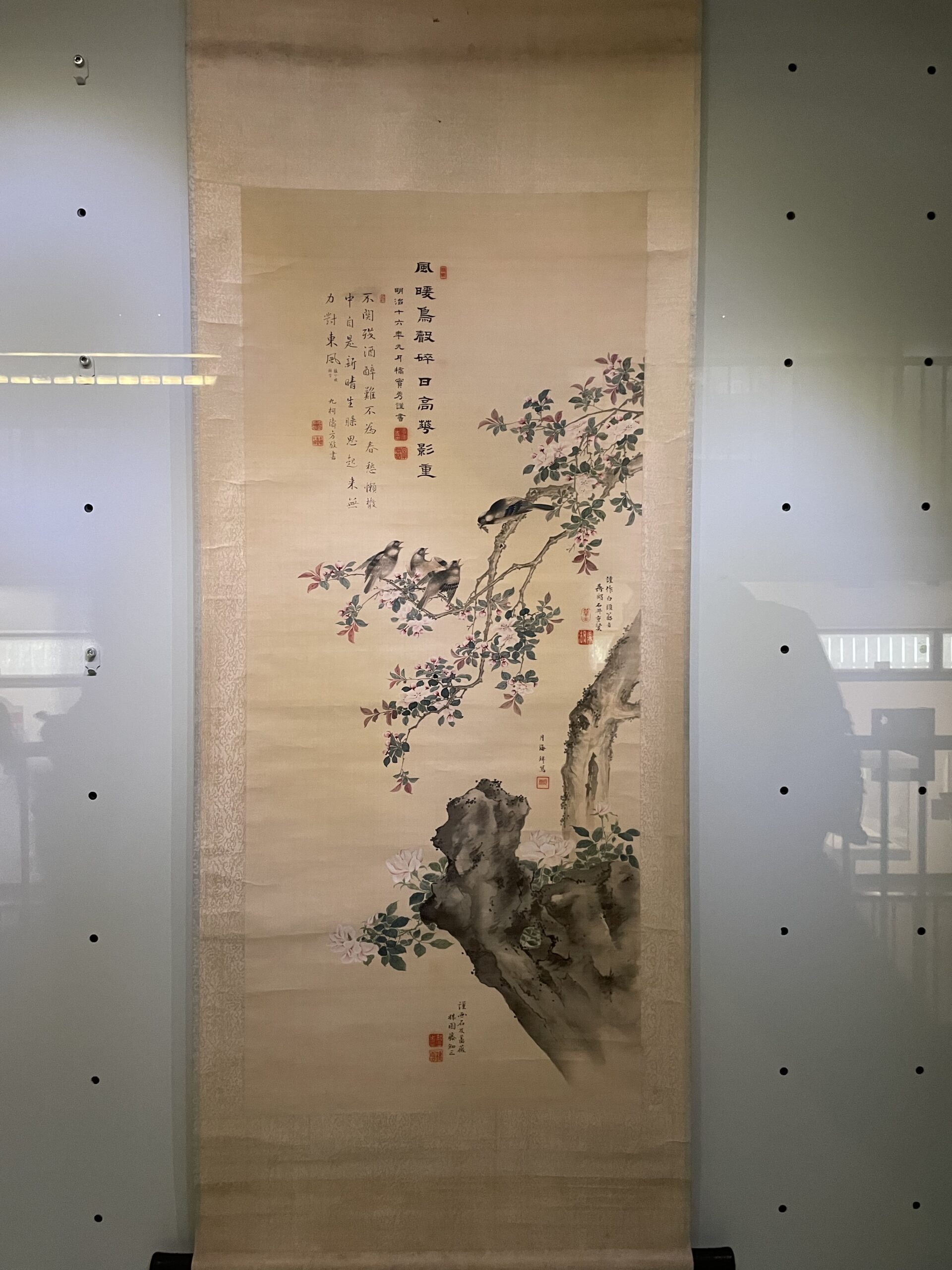
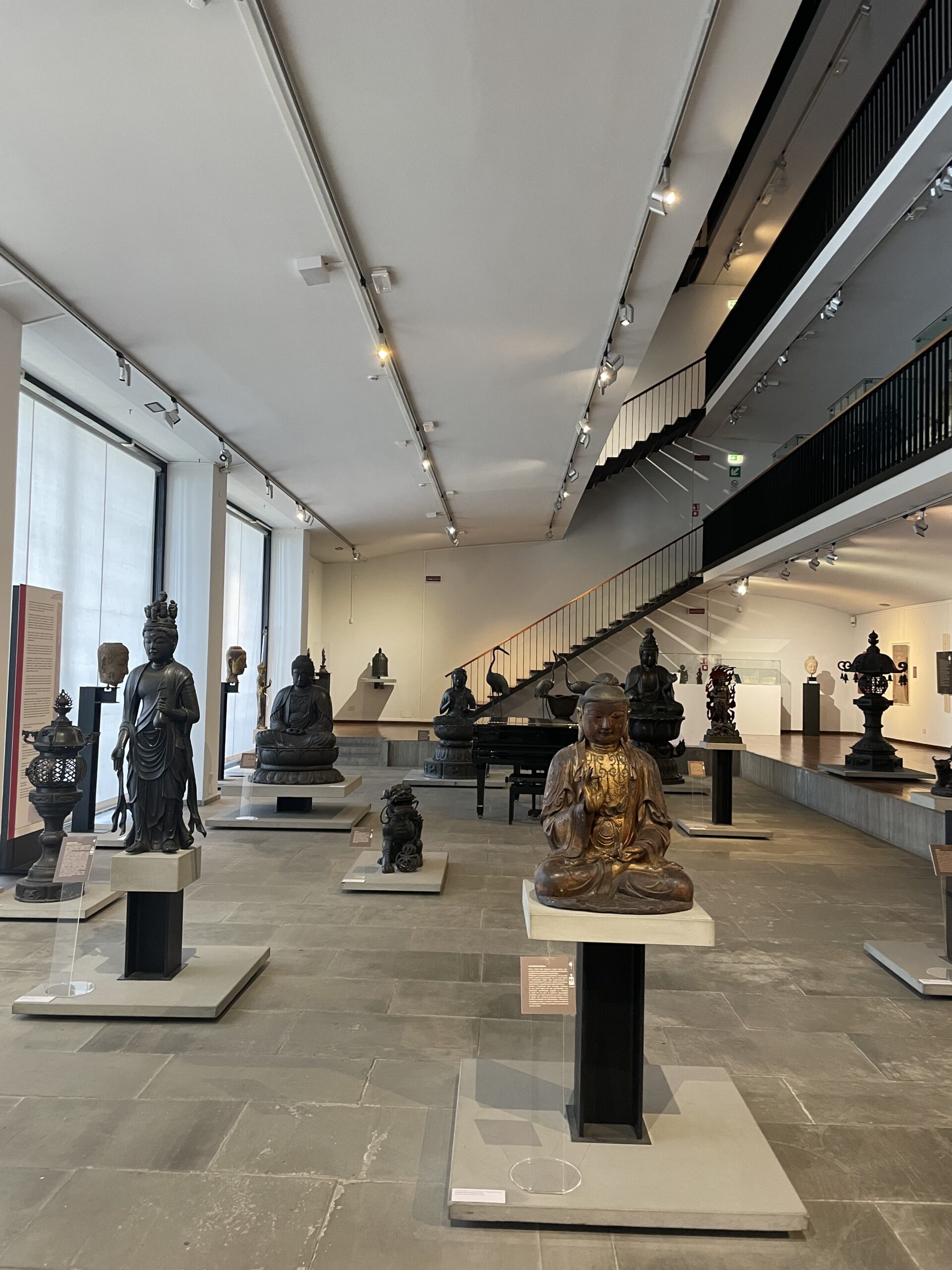
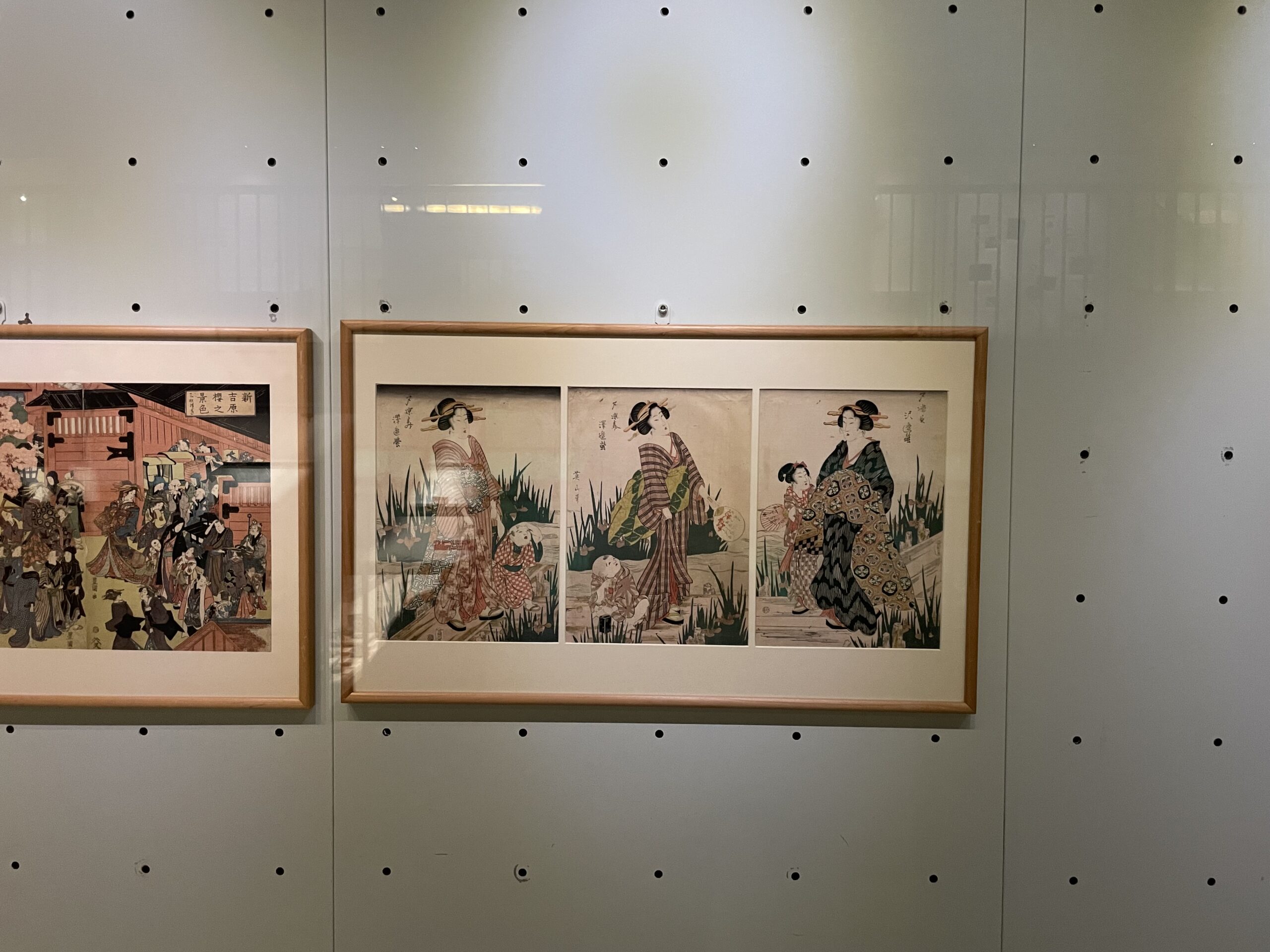
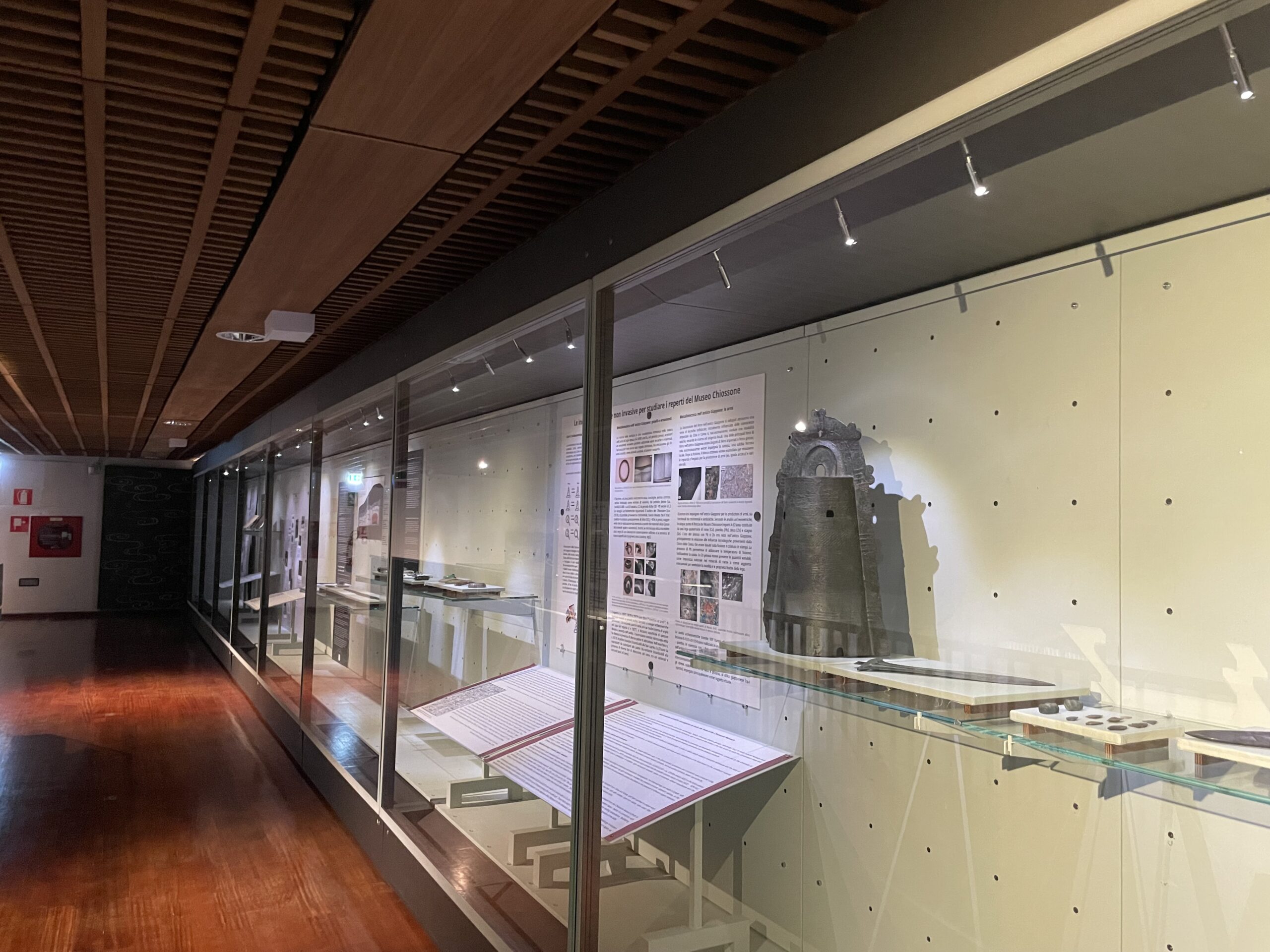
The pilot actions are located within the buffer zone of Genoa’s UNESCO World Heritage site, an area renowned for its rich and diverse cultural heritage. The pilot focuses on enhancing the accessibility, visibility, and sustainability of the Museo d’Arte Orientale “E. Chiossone” and its surrounding Villetta Di Negro Park. The Museo Chiossone houses one of the largest and most significant collections of Japanese art in Italy, and one of the most important in Europe. Founded in 1905, it preserves the extensive collection donated by the Genoese engraver Edoardo Chiossone. The museum is set in a distinctive building designed in rationalist style by architect Mario Labò, located within the historic Villetta di Negro, a 19th-century public park in the heart of Genoa overlooking Piazza Corvetto. The park offers a scenic green setting with pathways and panoramic views over the city, creating a unique combination of cultural and natural heritage.
Local Challenges
Key challenges include:
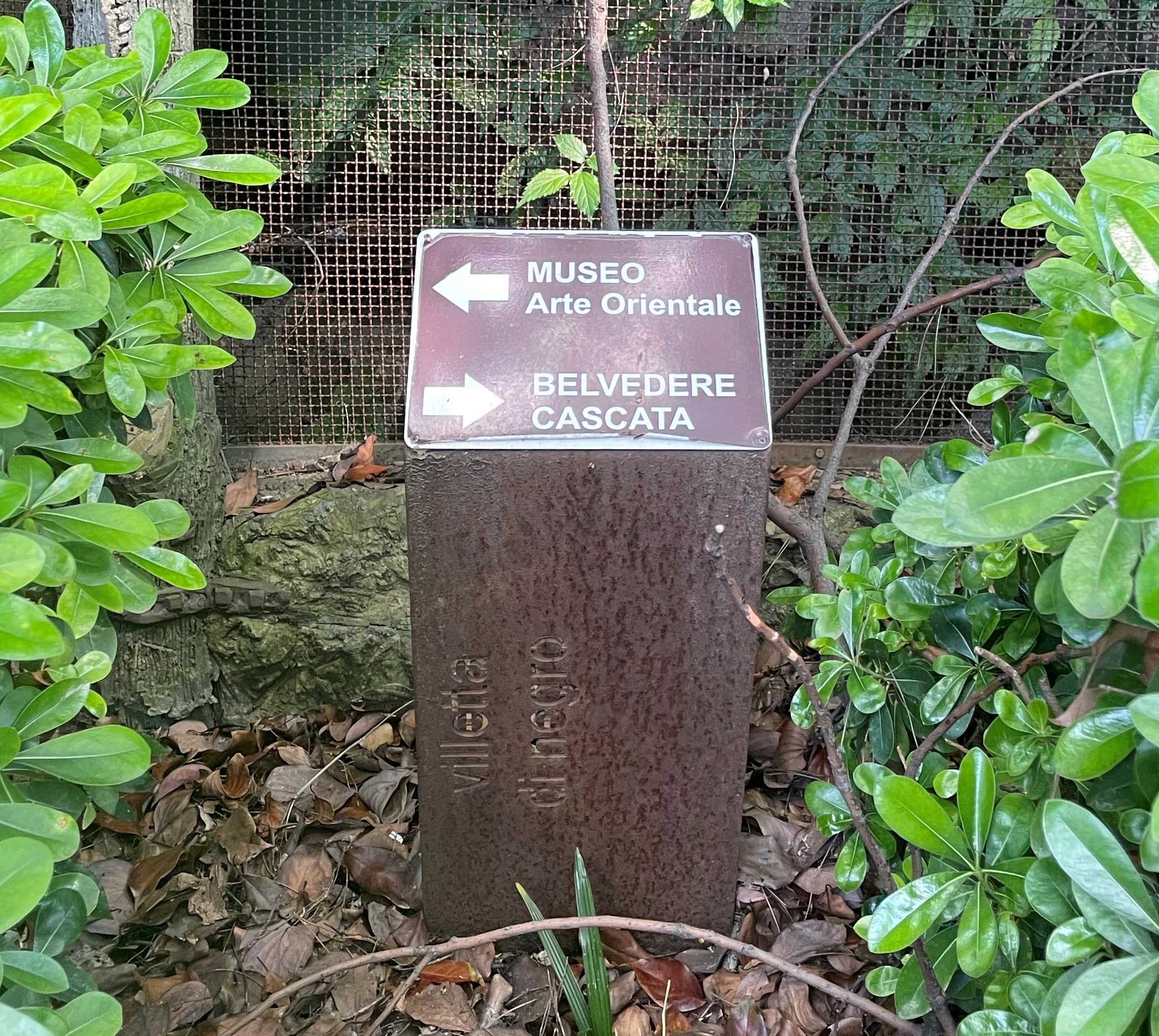
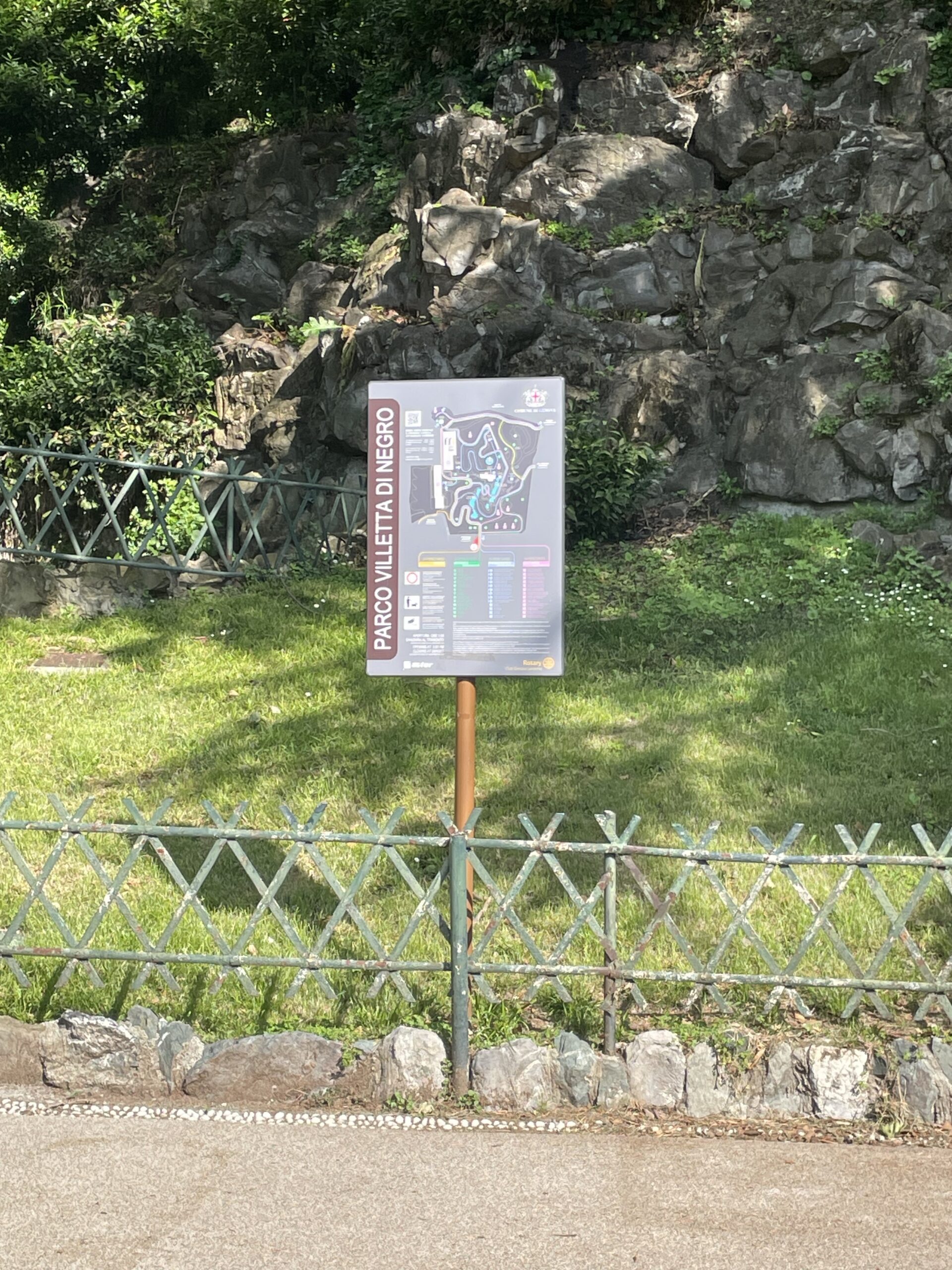
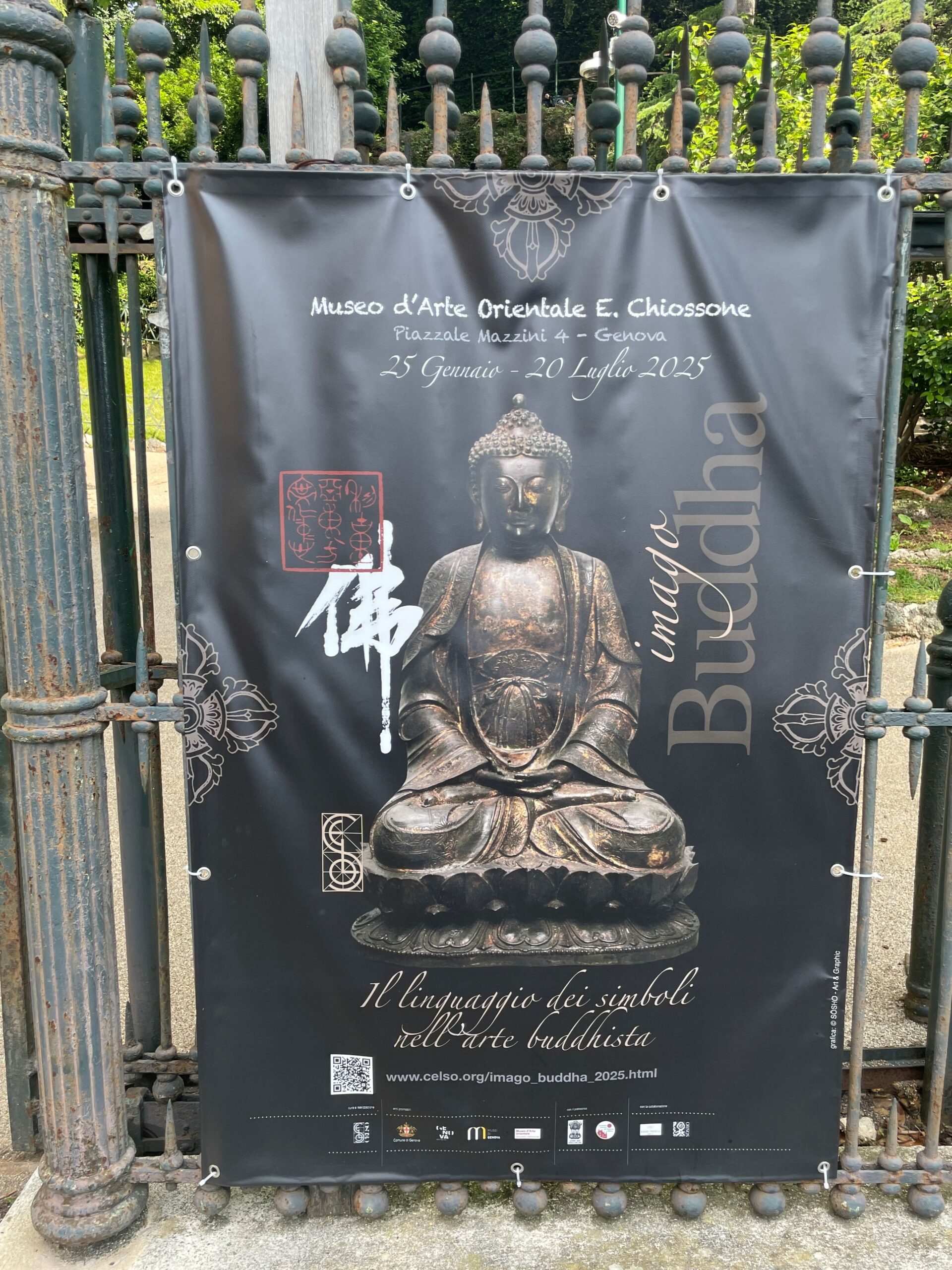
- Visibility & Accessibility: Despite its proximity to Genoa’s UNESCO site, the Chiossone museum has low visibility and insufficient wayfinding and orientation tools.
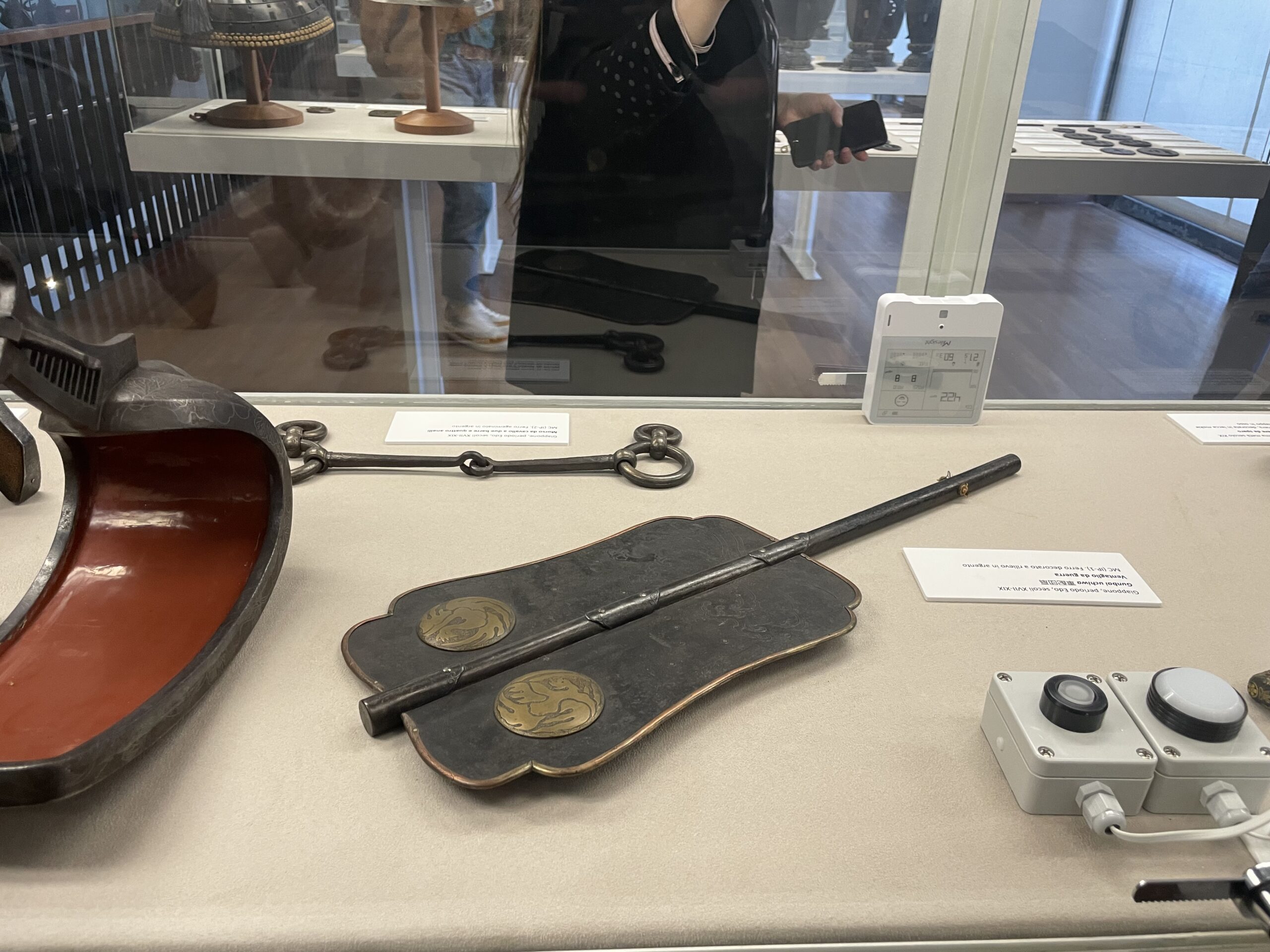
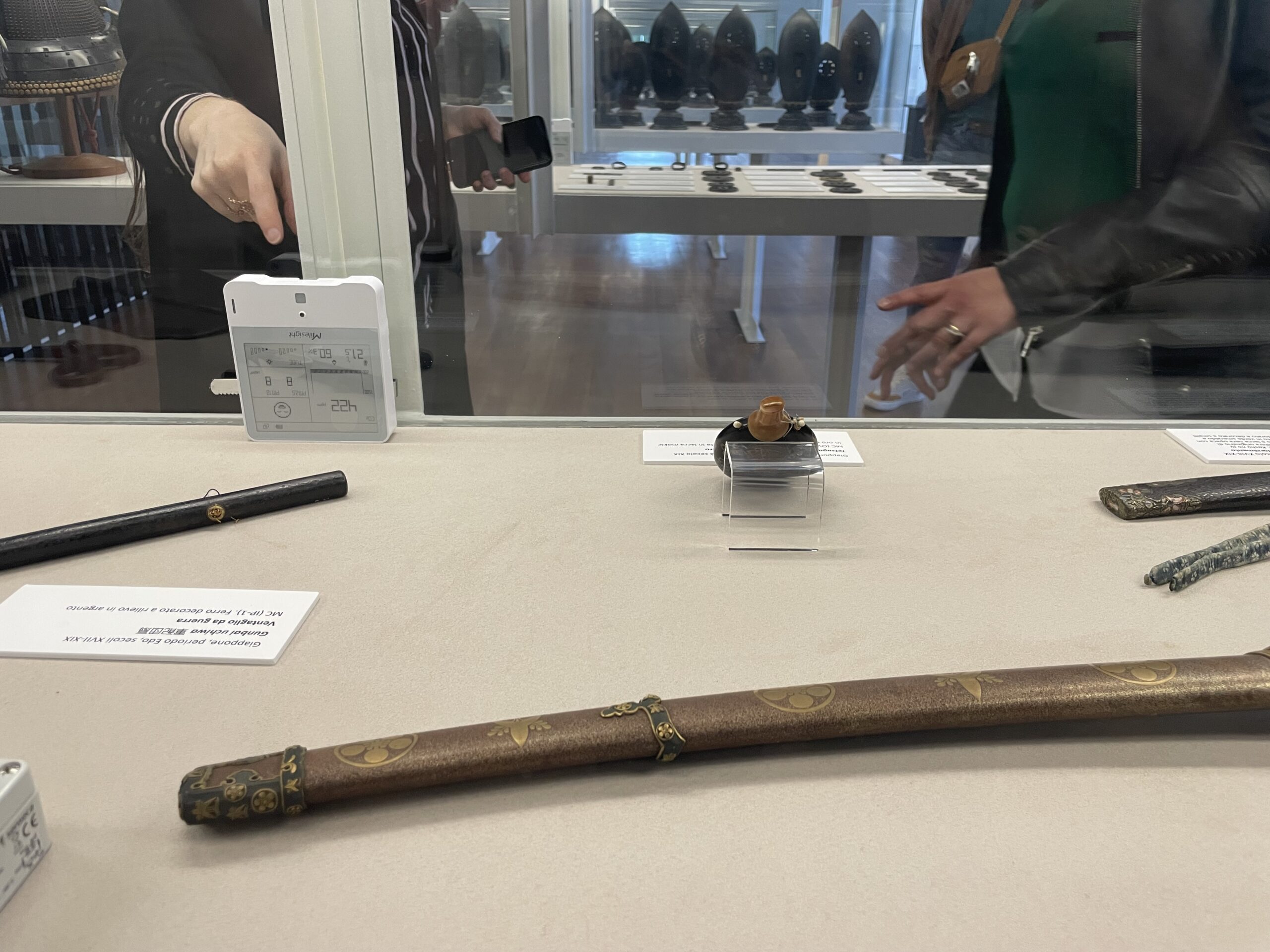
- Environmental & Climate constraints: The fragility of the artworks, combined with the building’s lack of a climatization system, makes the collection vulnerable to high temperatures, leading to seasonal closures. The surrounding park’s climate potential also remains underutilized.
- Socio-economic & Tourism dynamics: Overtourism in the UNESCO core area highlights the need to diversify the tourism offer and redistribute visitor flows toward under-visited sites, strengthening their role in the local economy.
Objectives of Experimentation
- Visibility & Accessibility: Enhance the museum’s accessibility and improve its integration within the surrounding urban and park environment.
- Visitor flow management & Sustainable Tourism: Encourage the redistribution of visitor flows from the UNESCO core area to under-visited cultural sites, including the promotion of cooler routes to address urban heat island effects.
- Digital Tools & 3D Innovation: Implement adaptive communication and monitoring tools, leveraging 3D technologies to support conservation, research, virtual access and education.
The HERIT ADAPT Sustainable
Tourism Model
Data-Driven Diagnosis and Understanding
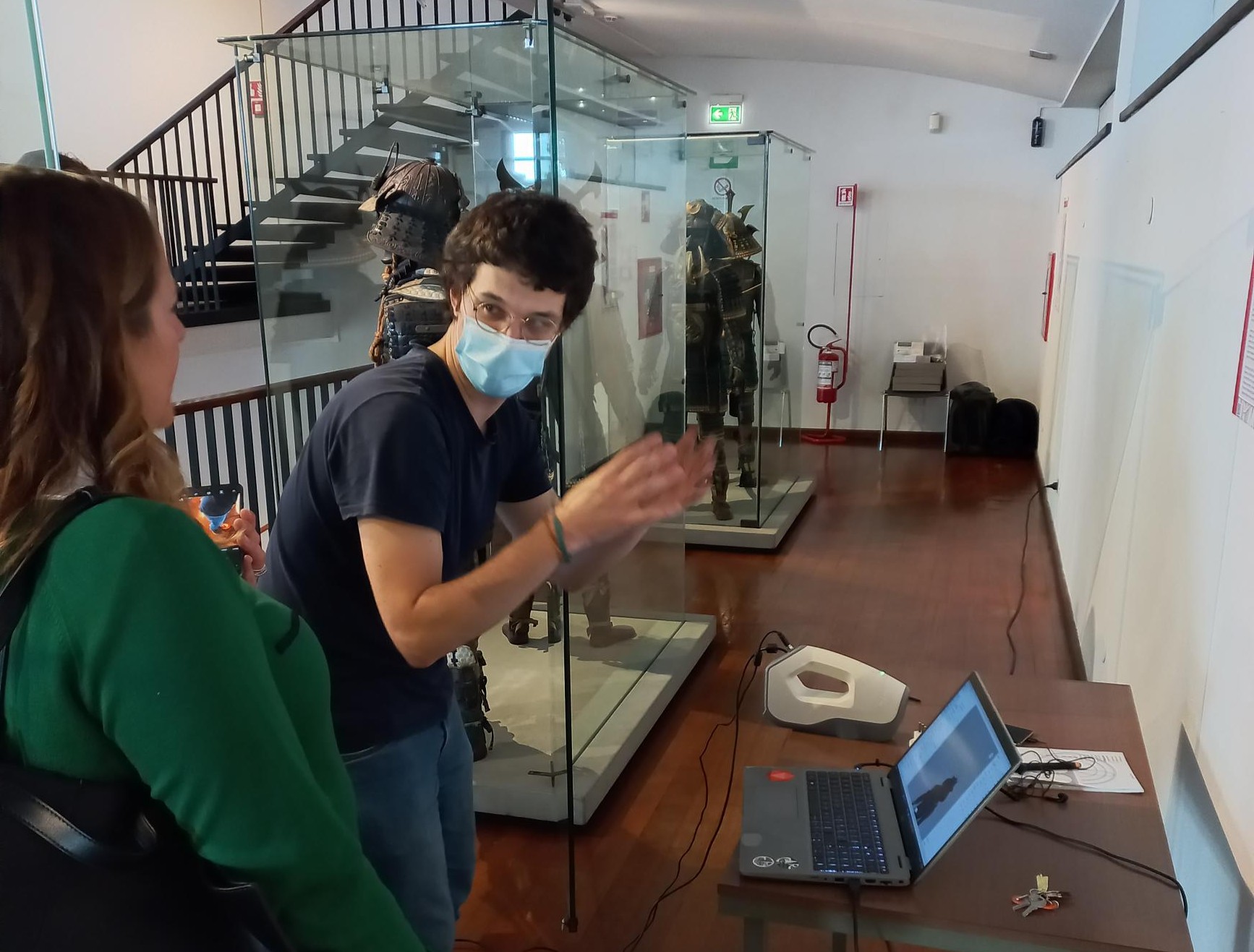
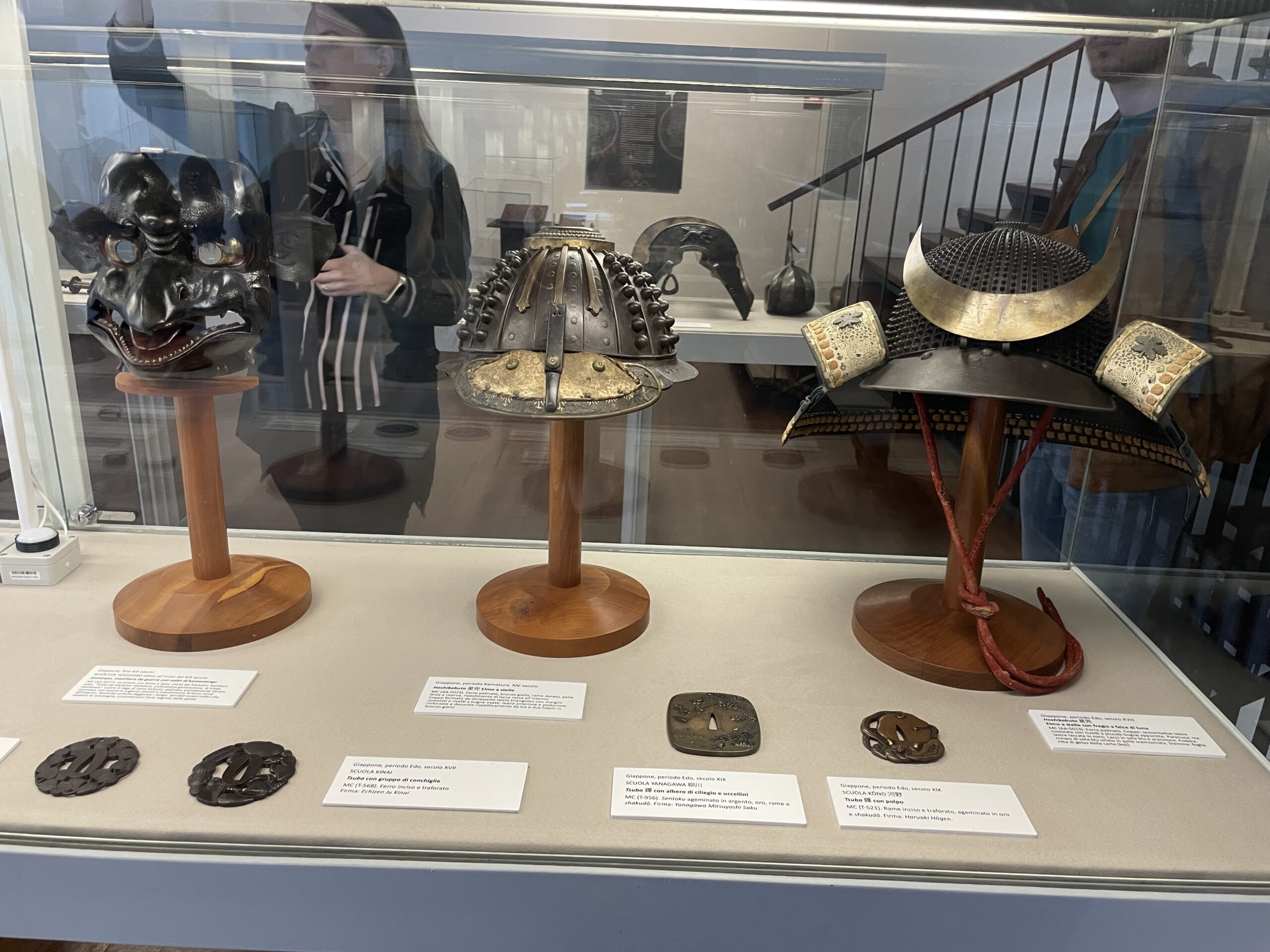
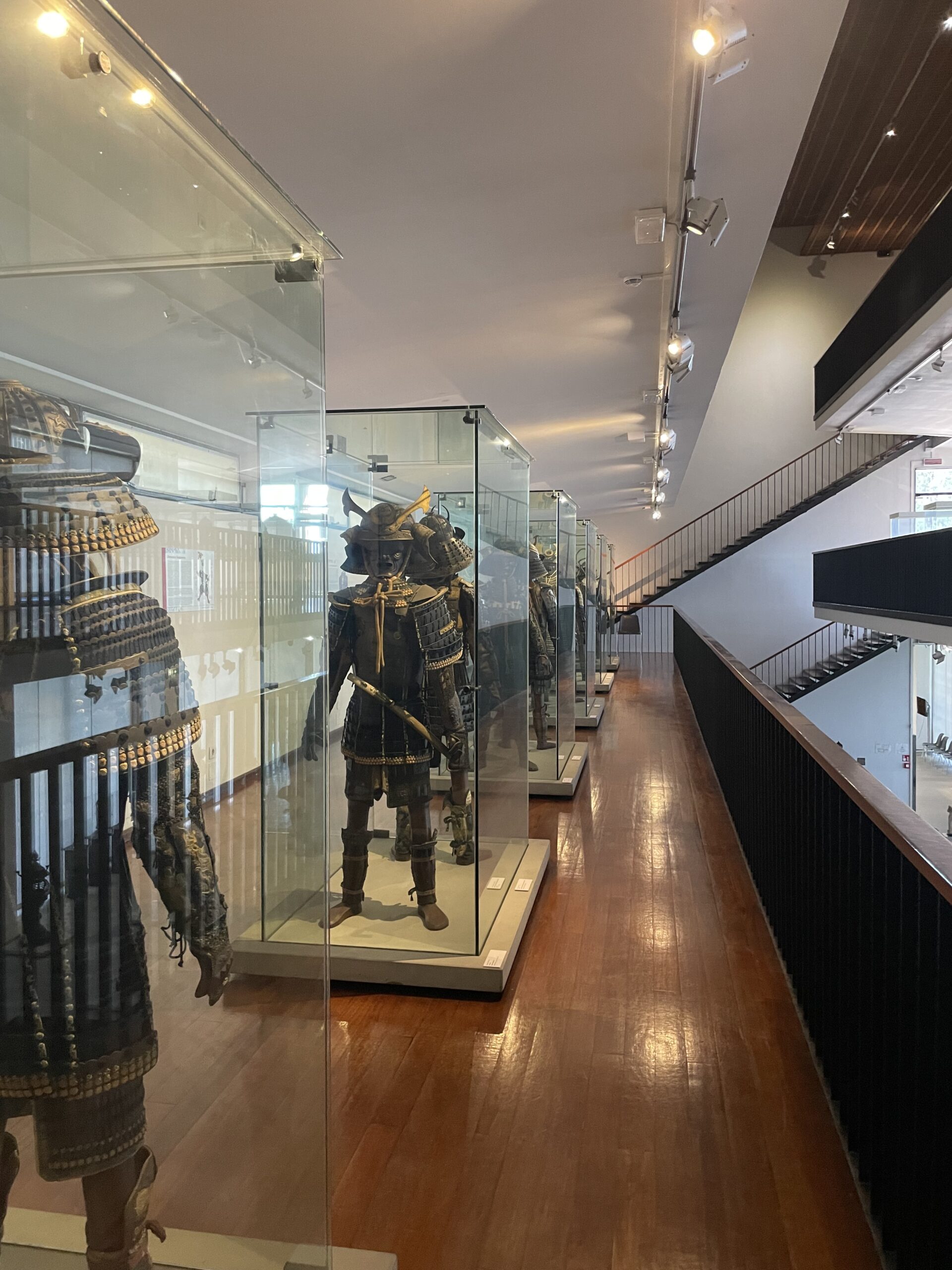
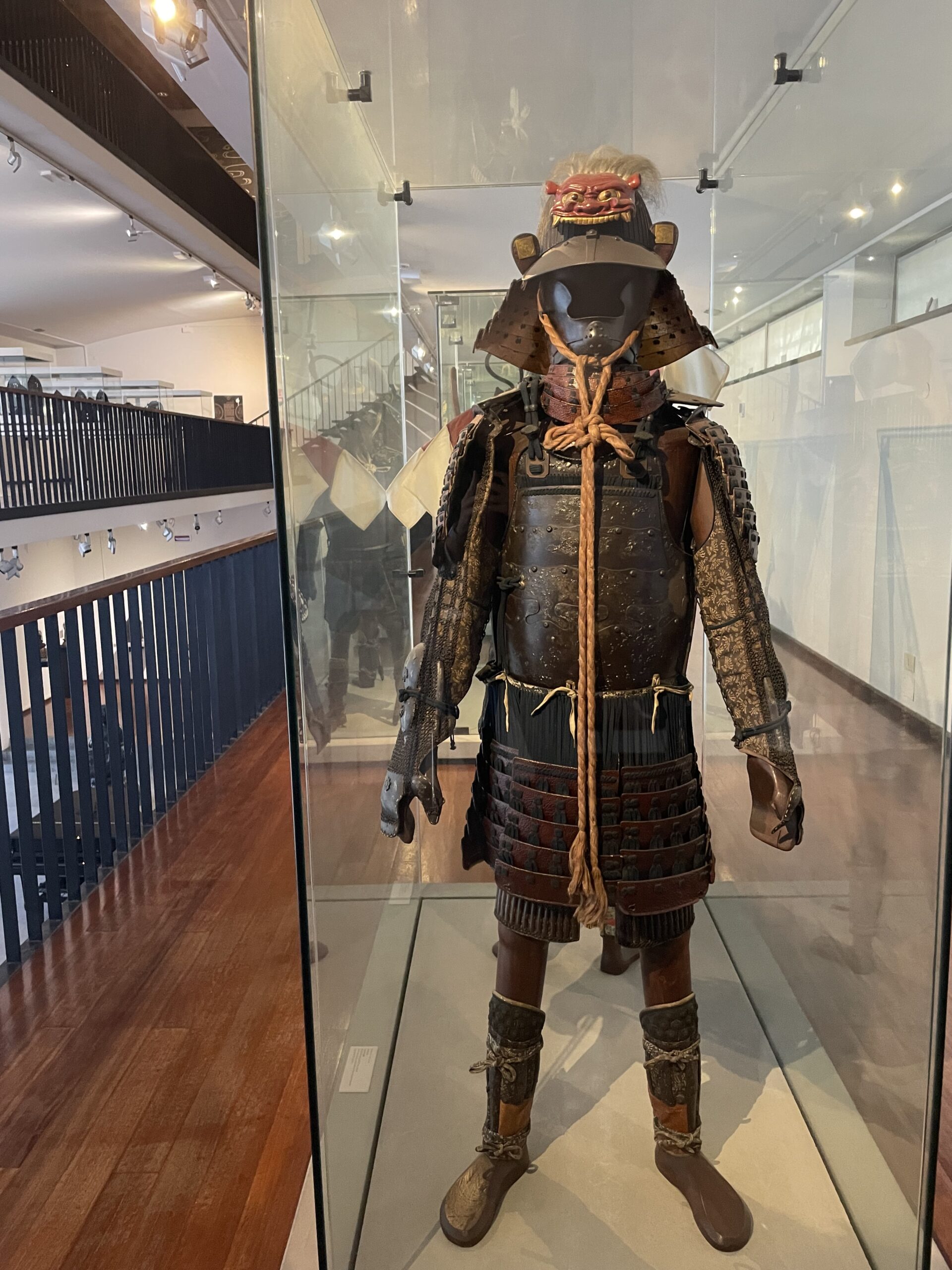
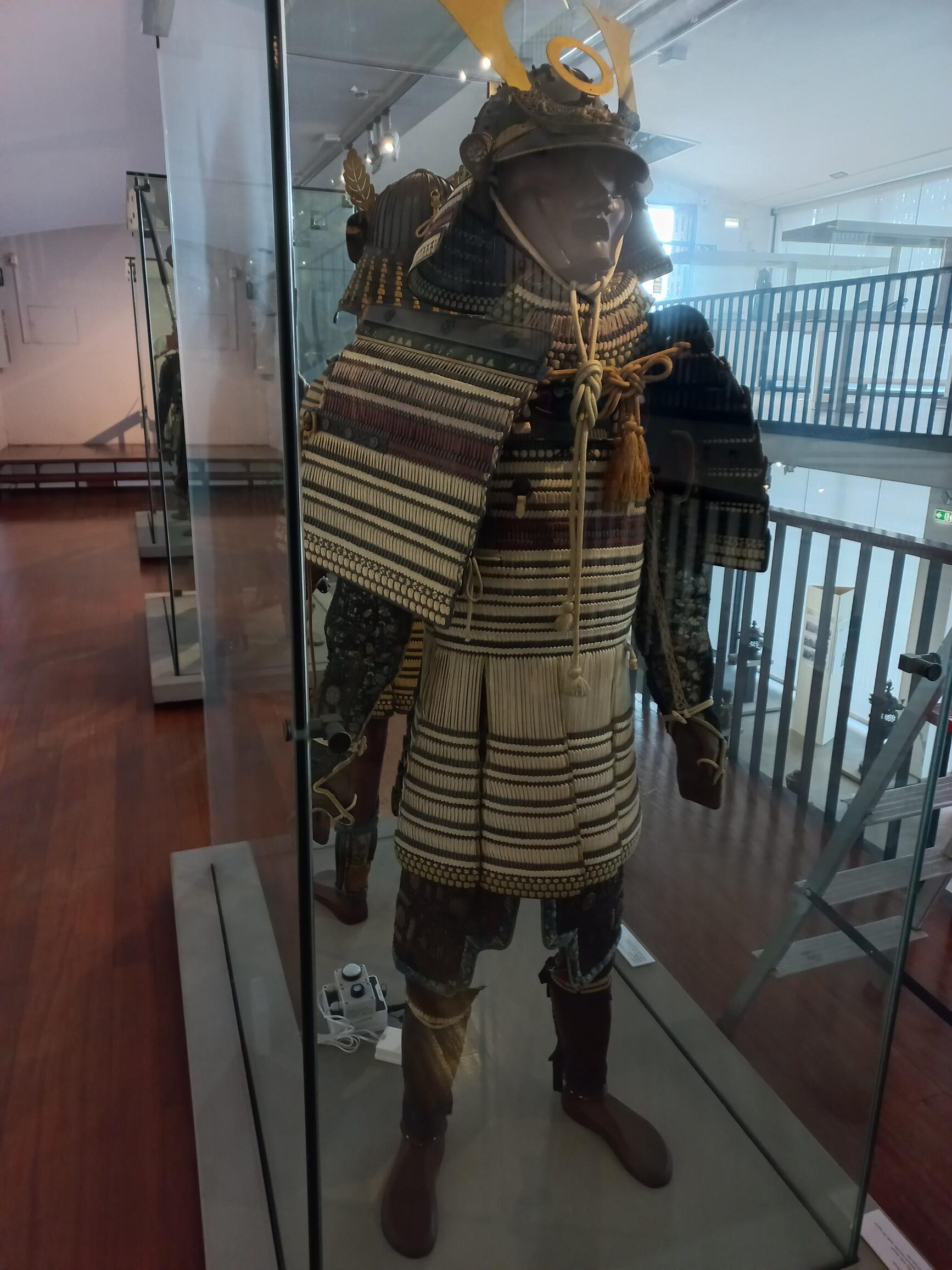
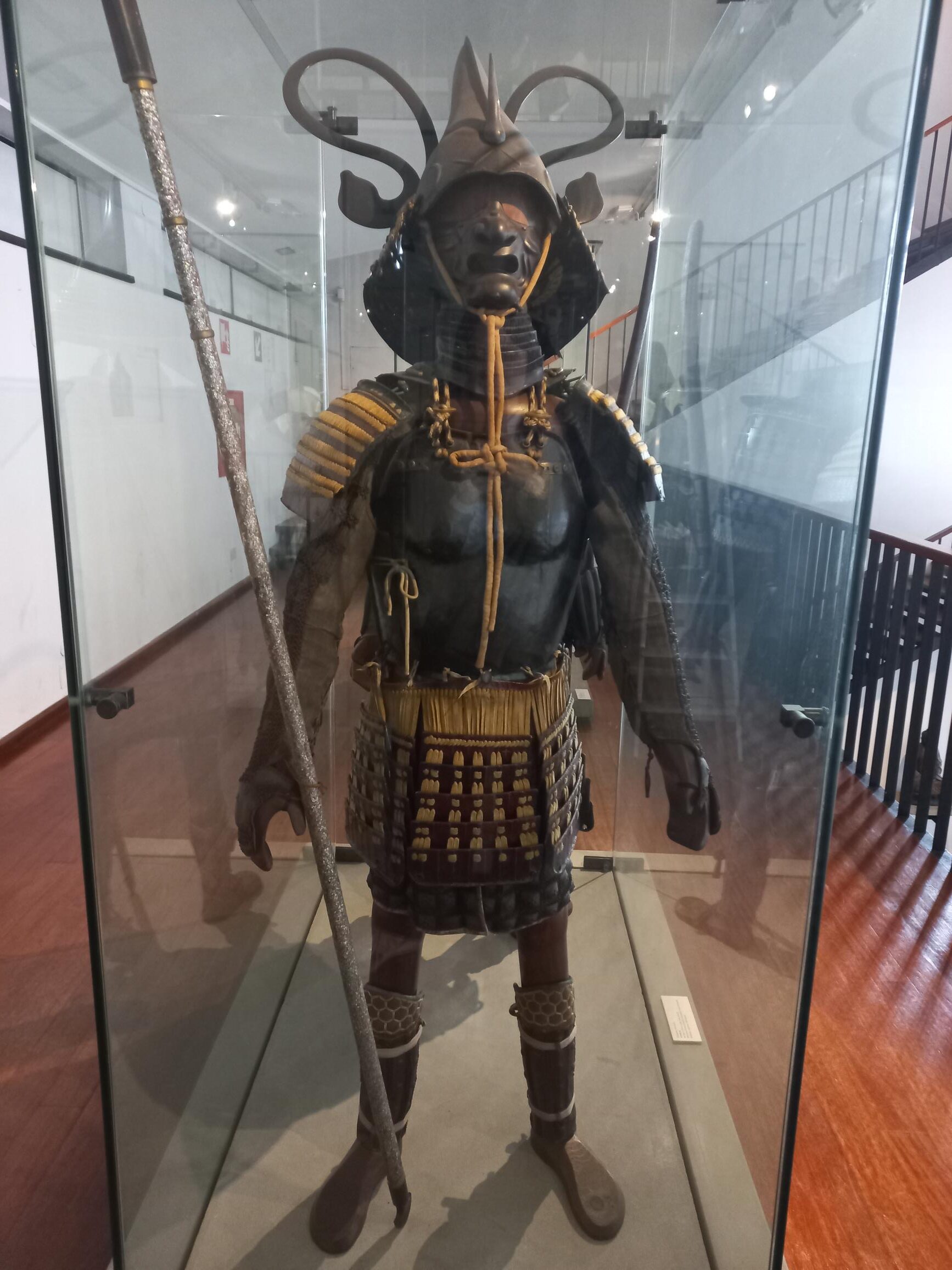
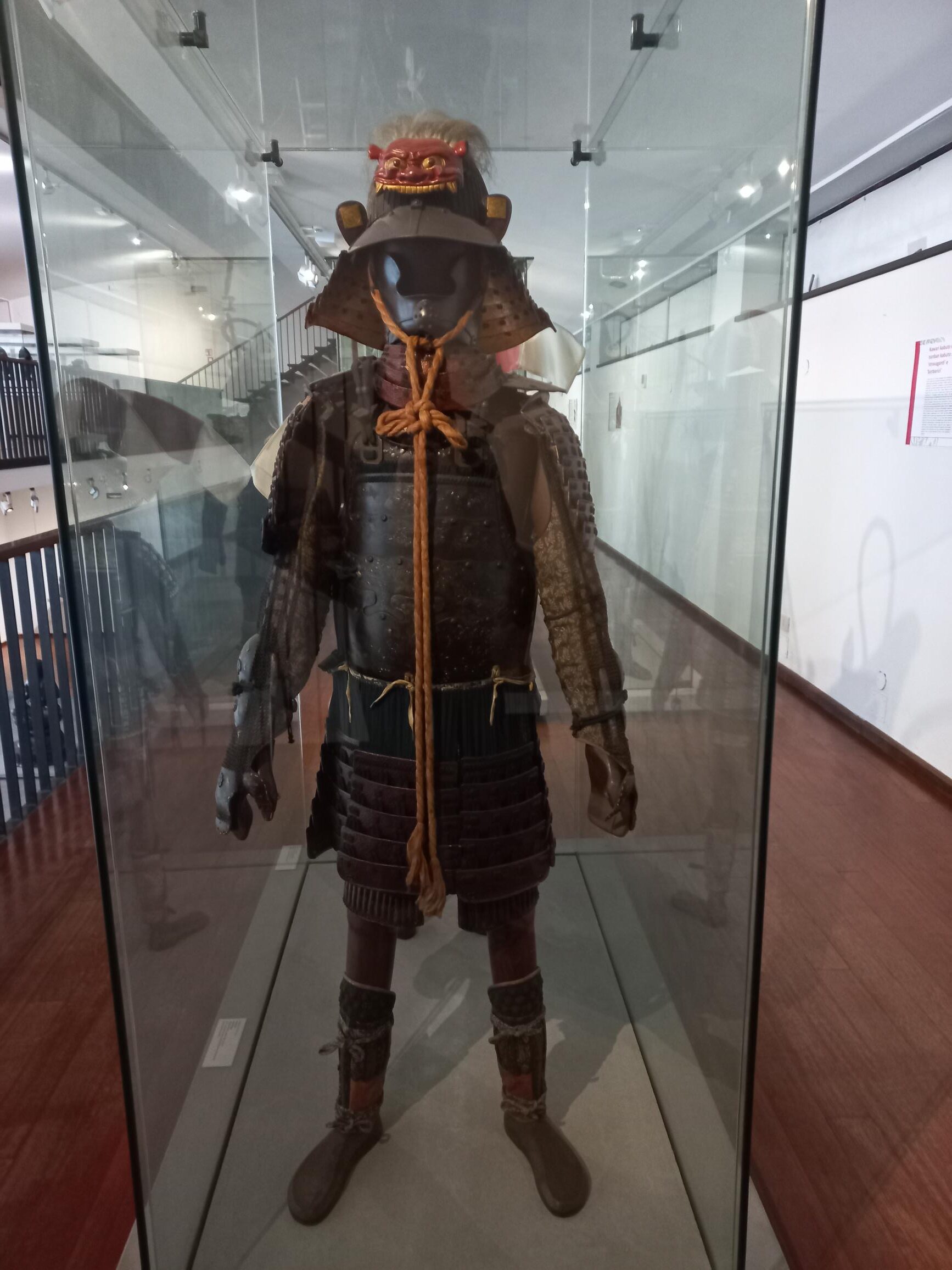
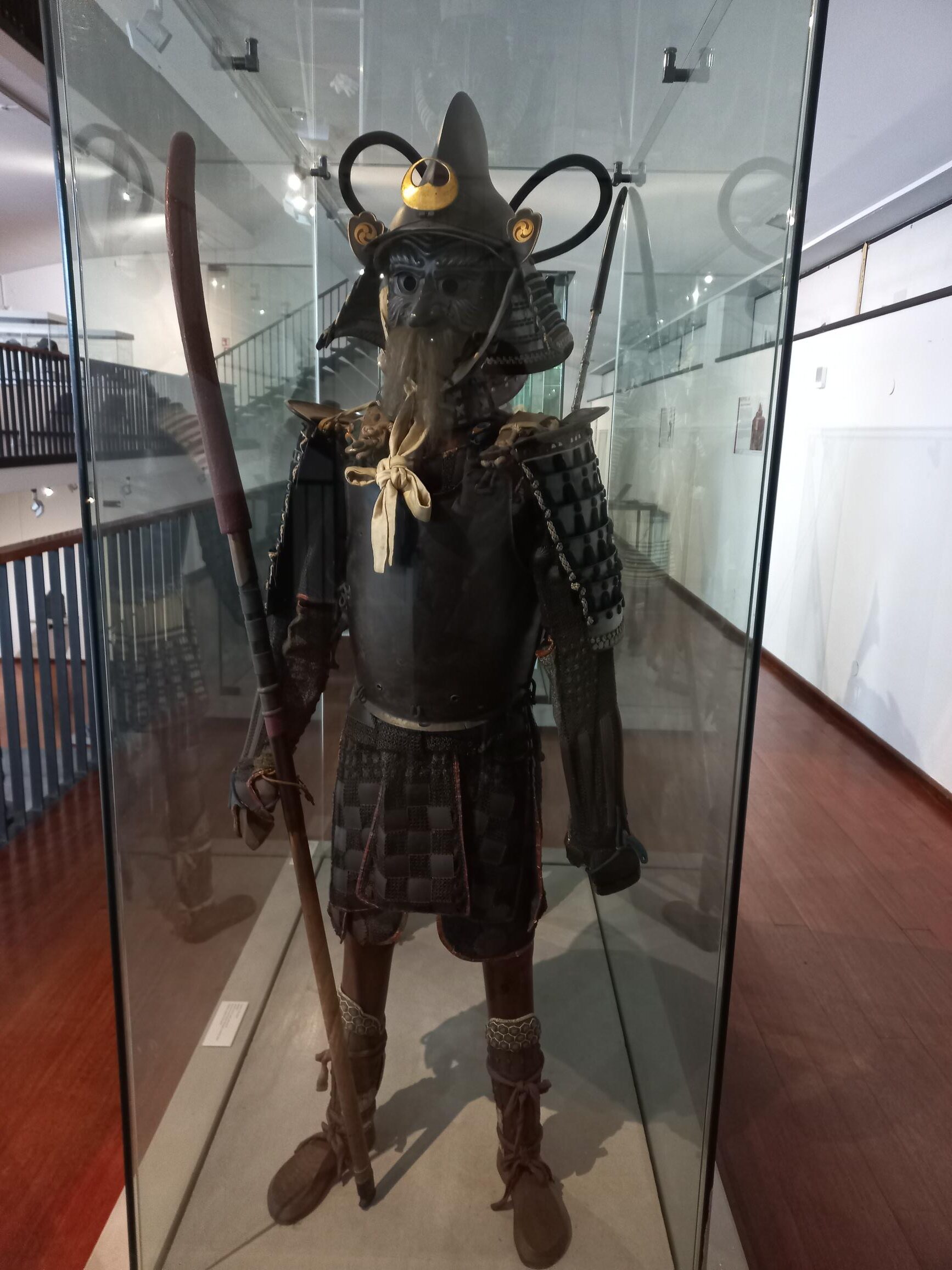
A baseline analysis was conducted through field visits, stakeholder meetings, and data collection on accessibility, visitor flows, and signage conditions. As part of the preliminary digital documentation, a 3D scanning campaign of the museum’s samurai armors and selected artworks was carried out. This activity aimed to support the creation of high-fidelity digital replicas and to test the potential of photogrammetry.
Technological & Data Collection workflow includes:
- Digital documentation: 3D Digitization of artefacts to improve preservation and accessibility
- Monitoring & Mapping: Continuous observation, stakeholder feedback, and georeferenced mapping to track visitor behavior, wayfinding effectiveness and environmental data to support adaptive heritage management.
Multi-Stakeholder Collaboration via Territorial Working Groups
The pilot is coordinated by a Territorial Working Group led by the Municipality of Genoa, through its Departments of Tourism and Culture, supported by regular meetings and broader stakeholder engagement activities involving the University of Genoa, the Museo Chiossone, regional and heritage authorities, and the local community, ensuring coordinated implementation, monitoring, and participatory co-design. Public awareness activities including a citizen campaign were also organized, highlightig how sustainable tourism strategies can enhance resilience and long-term preservation, while reinforcing the museum’s role as a testing ground for innovative adaptation approaches.
Implementation of Adaptive and Integrated Strategies
By combining heritage preservation with enhanced visitor experiences, HERIT ADAPT aims to position the museum and park as a vibrant cultural destination while promoting responsible and inclusive tourism by:
- improving the visibility of the Chiossone museum through vertical and horizontal signage across the city center and within the UNESCO site
- creating accurate digital twins of selected artefacts such as the samurai armors, enabling their display during high-temperature periods while safeguarding the originals in controlled environments.
- exploiting digital assets to support online catalogues and interactive installations
- promoting alternative “cooler” routes to help mitigate urban heat island effects within Genoa’s UNESCO area.
- collaborating with experts to implement adaptive conservation measures that address environmental risks to heritage assets.
Expected outcomes:
- Improved protection of fragile artworks from temperature-related risks.
- Increased accessibility and visibility of cultural heritage, both on-site and online.
- Better distribution of visitors and reduced overcrowding in the UNESCO area.
- Strengthened resilience of heritage assets through climate-aware conservation approaches.
- Greater support for the local economy and community through sustainable tourism practices.
Overall, the Genoa pilot represents a meaningful step toward making tourism more resilient, sustainable, and heritage aware.
Partners involved: