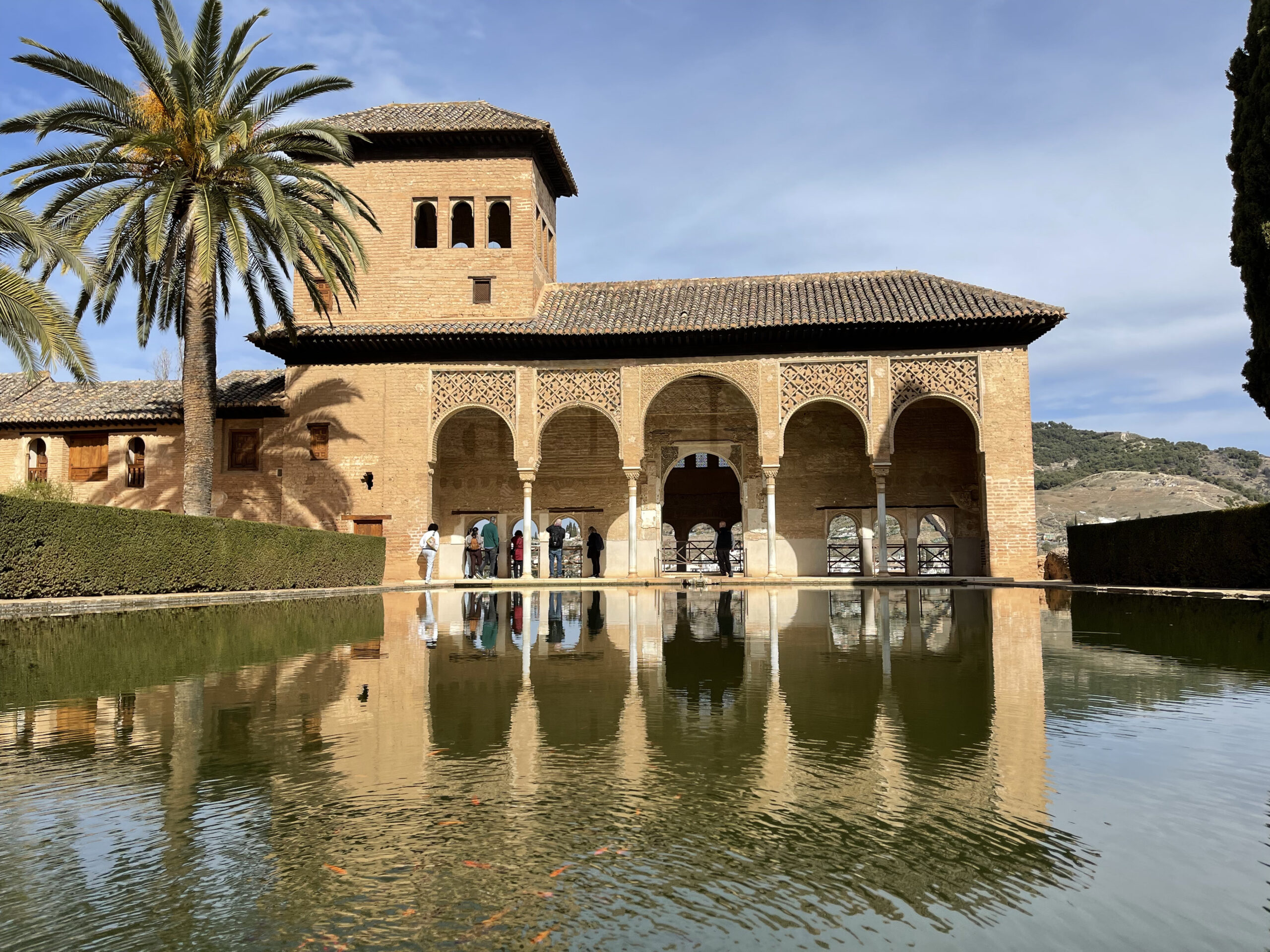
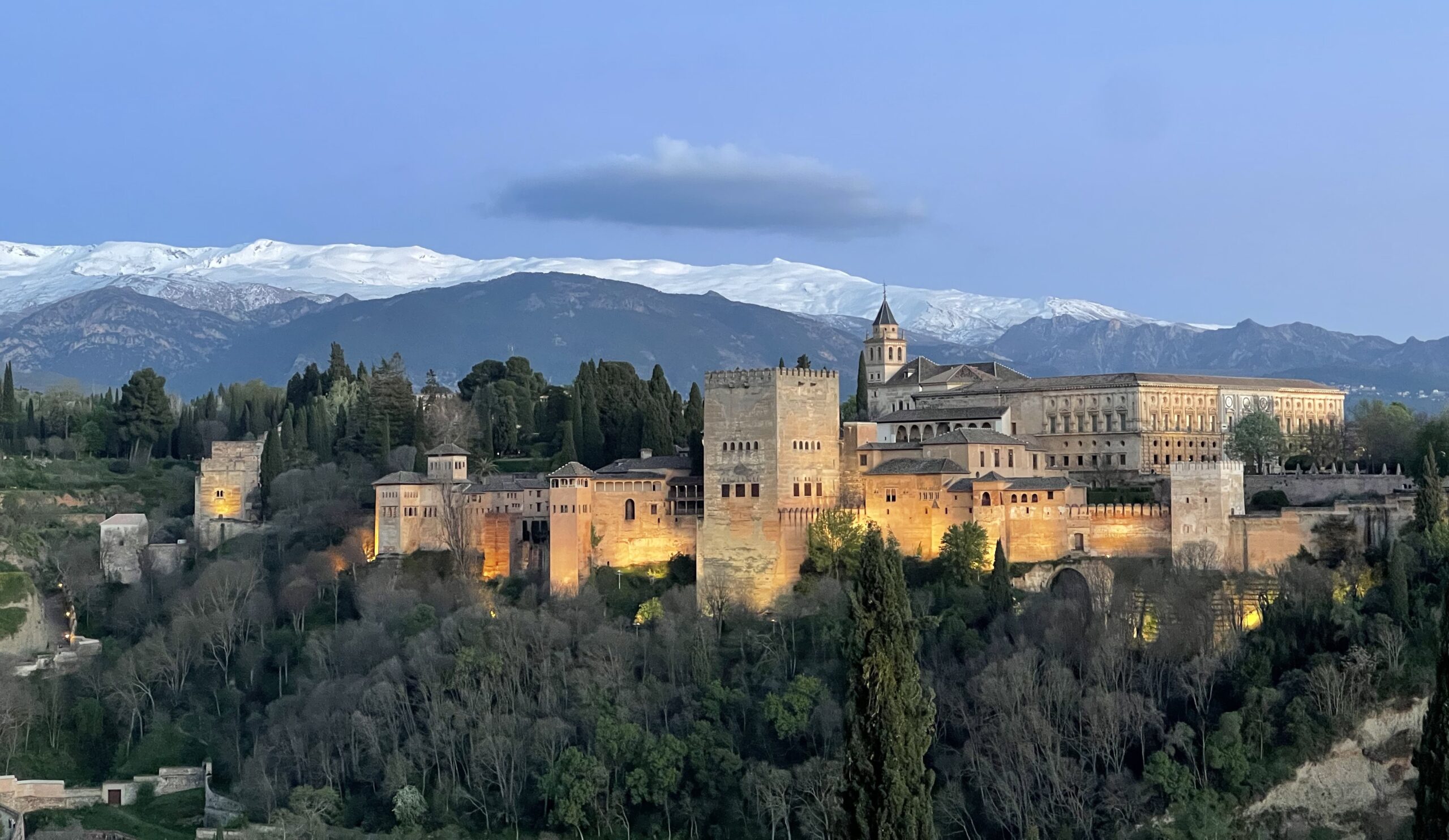
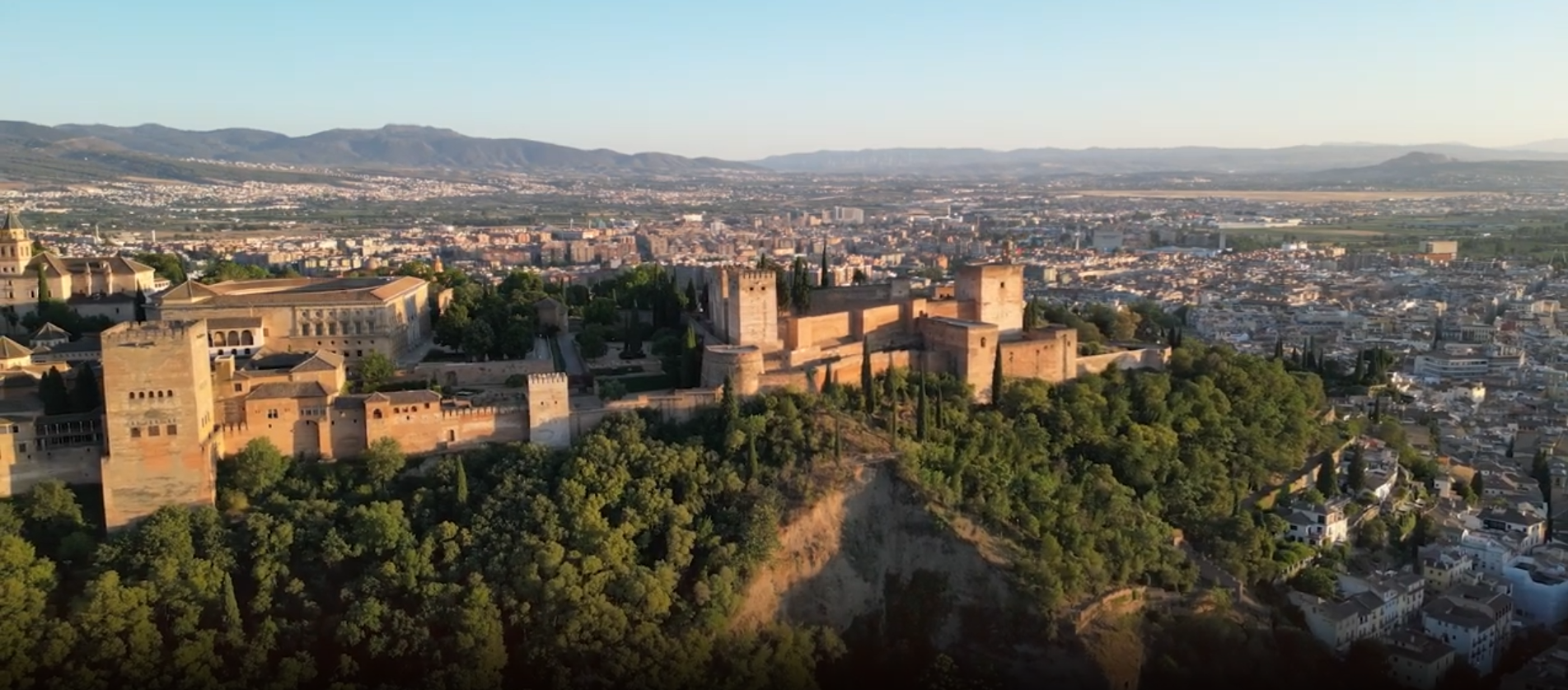
Alhambra and Generalife complex

Granada, Spain

USE CASES:
· AI-Enabled Storytelling
· XR/AR for Enhanced Visibility
· Big Data & IoT Integration
About the Pilot Site
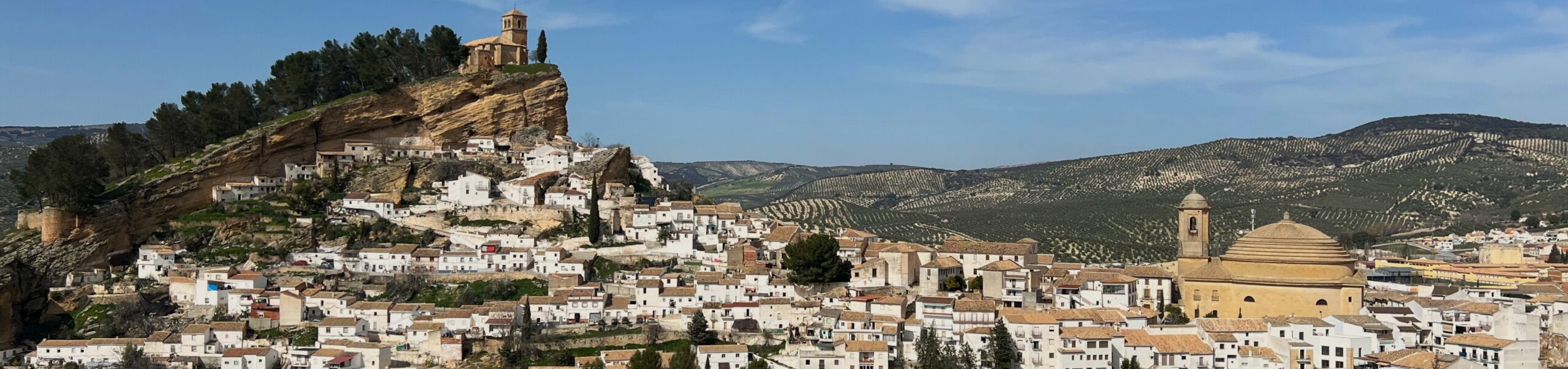
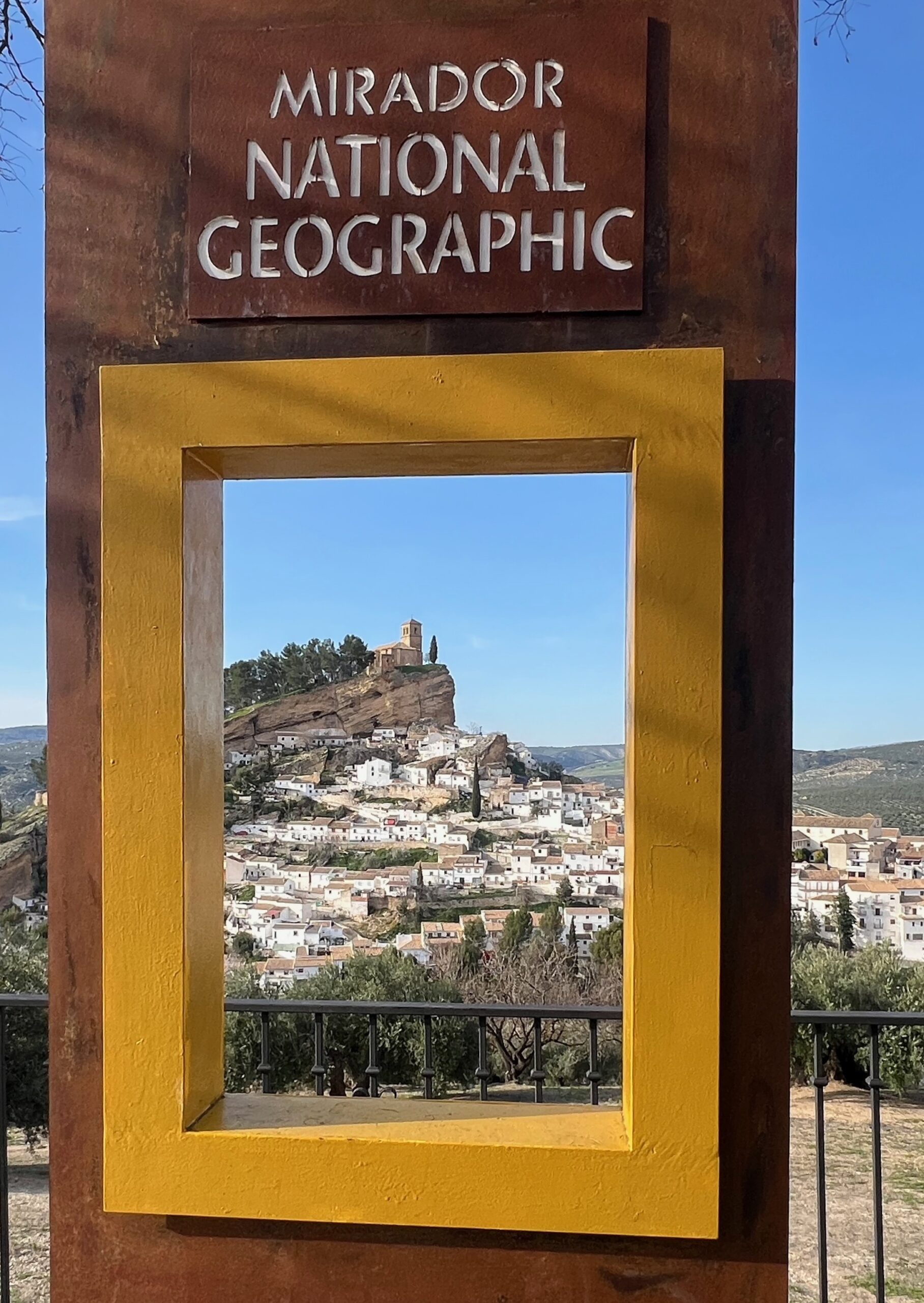
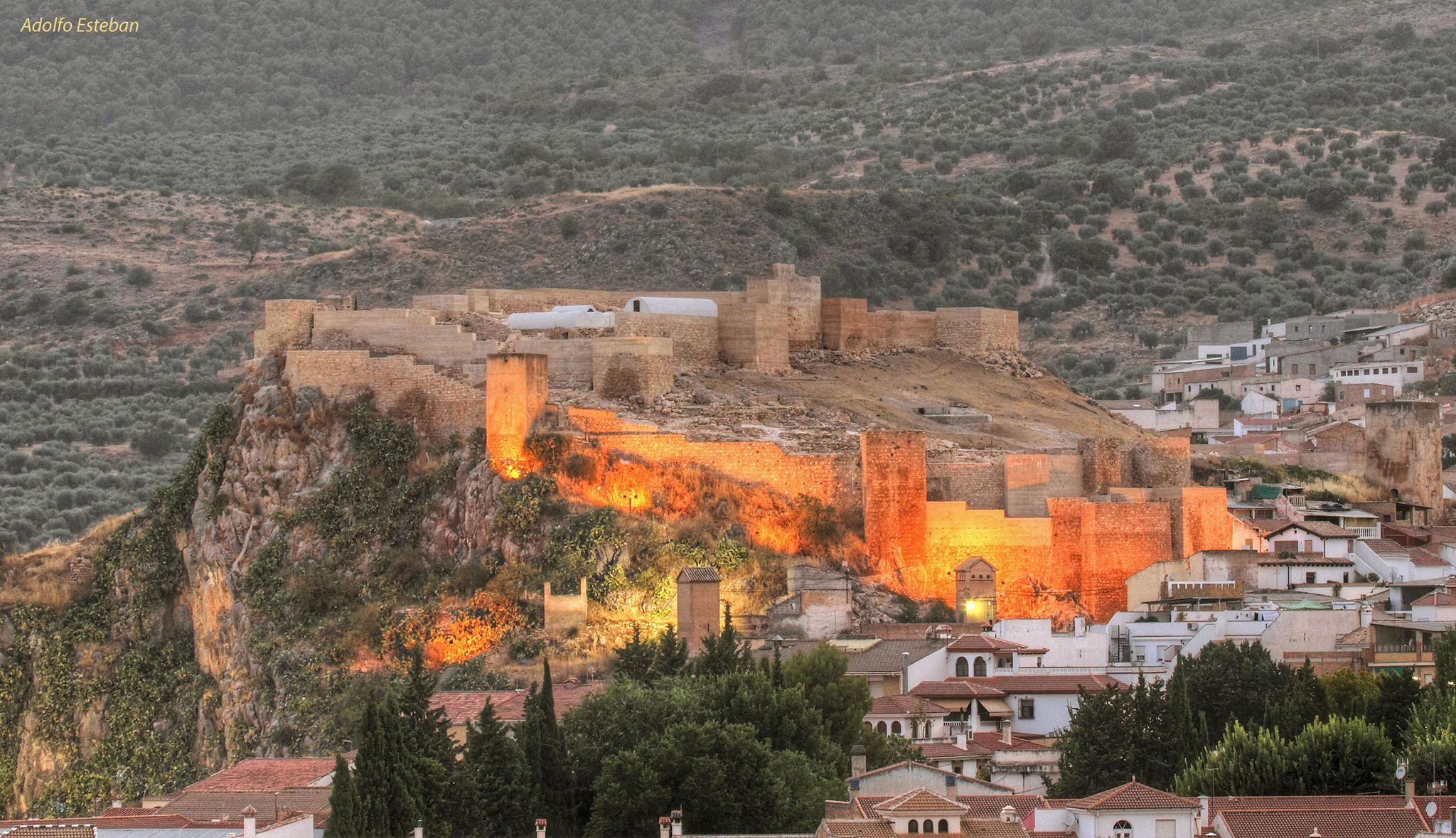
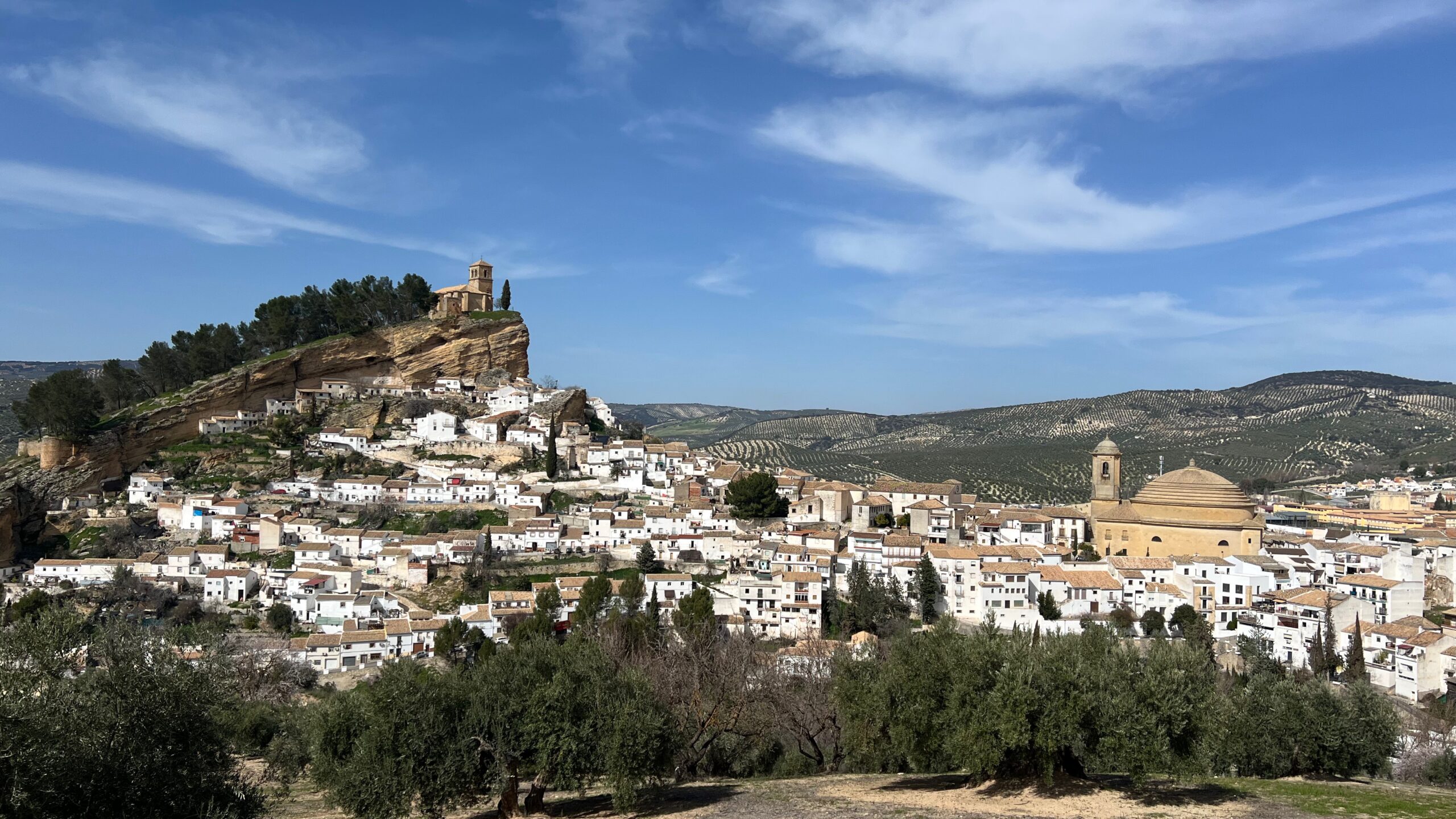
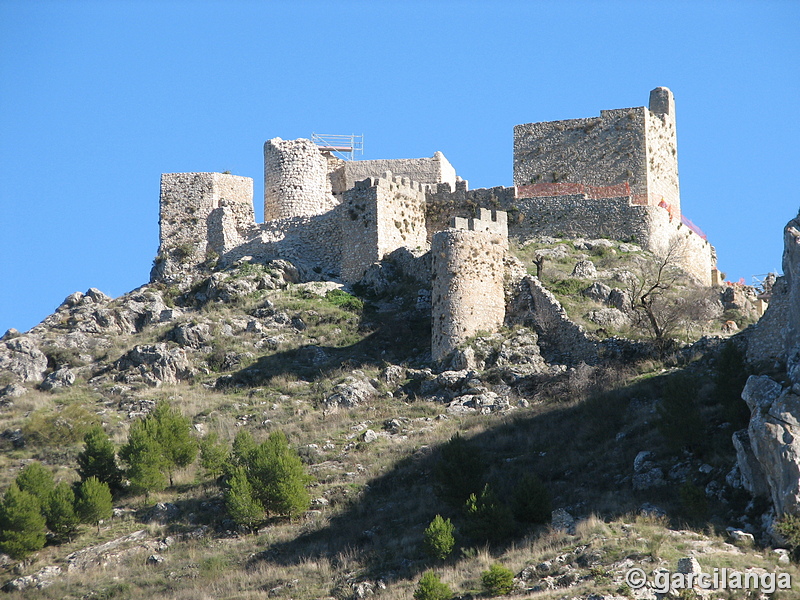
The pilot focuses on the Alhambra and Generalife complex, one of Europe’s most visited cultural heritage landmarks. HERIT ADAPT extends the visitor experience beyond the monument, reconnecting the Alhambra with its historical defensive landscape, a network of medieval watchtowers and fortresses across the nearby rural municipalities of Íllora, Montefrío, and Moclín. Once used to communicate via light and fire signals to the Torre de la Vela in the Alcazaba, these towers are now brought back to life, sharing their stories through new experiences within an extended heritage corridor around Granada.
By using the concept of “screen tourism”, where visitors are inspired by what they see on screen, it encourages exploration of rural hidden gems, easing pressure on the city center while promoting a richer, distributed cultural experience.
Local Challenges
- Awareness & Interpretation: Visitors have limited understanding of the wider defensive and cultural landscape connected to the Alhambra
- Visitor Flow & Economic Distribution: Visitor flows need to be diversified toward rural heritage areas to reduce congestion, improve visit quality, and extend economic benefits beyond the main monument.
- Local Cooperation: Cooperation among stakeholders is fragmented, and rural tourism assets have limited visibility.
- Accessibility & Inclusivity: There is a need for multilingual and accessible interpretation tools
- Climate & Environmental Vulnerabilities: Water scarcity, temperature extremes, and erosion affect both the Alhambra and the surrounding rural environment.
Objectives of Experimentation
- Visitor Flow & Territorial Connectivity: Test a replicable model of visitor-flow redistribution, using the Alhambra to guide tourists toward less-visited but culturally connected rural heritage sites.
- Visitor Experience & Interpretation: Enhance visitor experience through emotional storytelling, linking the Alhambra’s defensive system with its historical network of watchtowers across the Vega–Sierra Elvira territory.
- Visitor Perception & Behavioral Evaluation: Assess visitor perceptions and intentions before and after exposure to AI-generated audiovisual narratives, available on-site via QR panels and online.
- Socio-Economic & Awareness Impacts: Measure effects on local business engagement, stakeholder cooperation, and understanding of climate adaptation and sustainable tourism principles.
- Collaboration & Sustainability Model: Validate cooperation between a major World Heritage site and surrounding rural areas to reduce environmental pressure and generate inclusive, long-term regional benefits.
The HERIT ADAPT Sustainable
Tourism Model
Data-Driven Diagnosis and Understanding
The Alhambra pilot implements the HERIT ADAPT Sustainable Tourism Model through the Patronato de la Alhambra y Generalife, positioning the site as both a laboratory for sustainable visitor management and a gateway for redistributing tourism benefits across the Western Mountains of Granada. Historical storytelling is combined with digital innovation through the Emotionally Intelligent Destinations (EID) Tool. By integrating AI-generated short films, QR panels, multilingual signage (ES/EN/FR/DE), inclusive interpretive materials, GIS-based rural routes, and stakeholder co-creation workshops the pilot leads an immersive and scalable visitor experience.
Technological & Data Collection workflow includes:
- AI-assisted audiovisual storytelling: creation of hyper-realistic short films narrating the historical and climatic links between the Alhambra and the Western Mountains.
- Web integration and GIS mapping: WordPress-based platform embedding interactive maps, routes and QR-linked narratives for mobile users.
- Analytics & Visitor Behavior: tracking enabling data collection on visitor engagement, origin, and post-visit interest in rural sites, overall satisfaction, and behavioral changes.
- Environmental data Integration: climate data potentially integrated from non-invasive micro-sensors located near watchtowers, to correlate visitor activity with climatic variables.
Multi-Stakeholder Collaboration via Territorial Working Groups
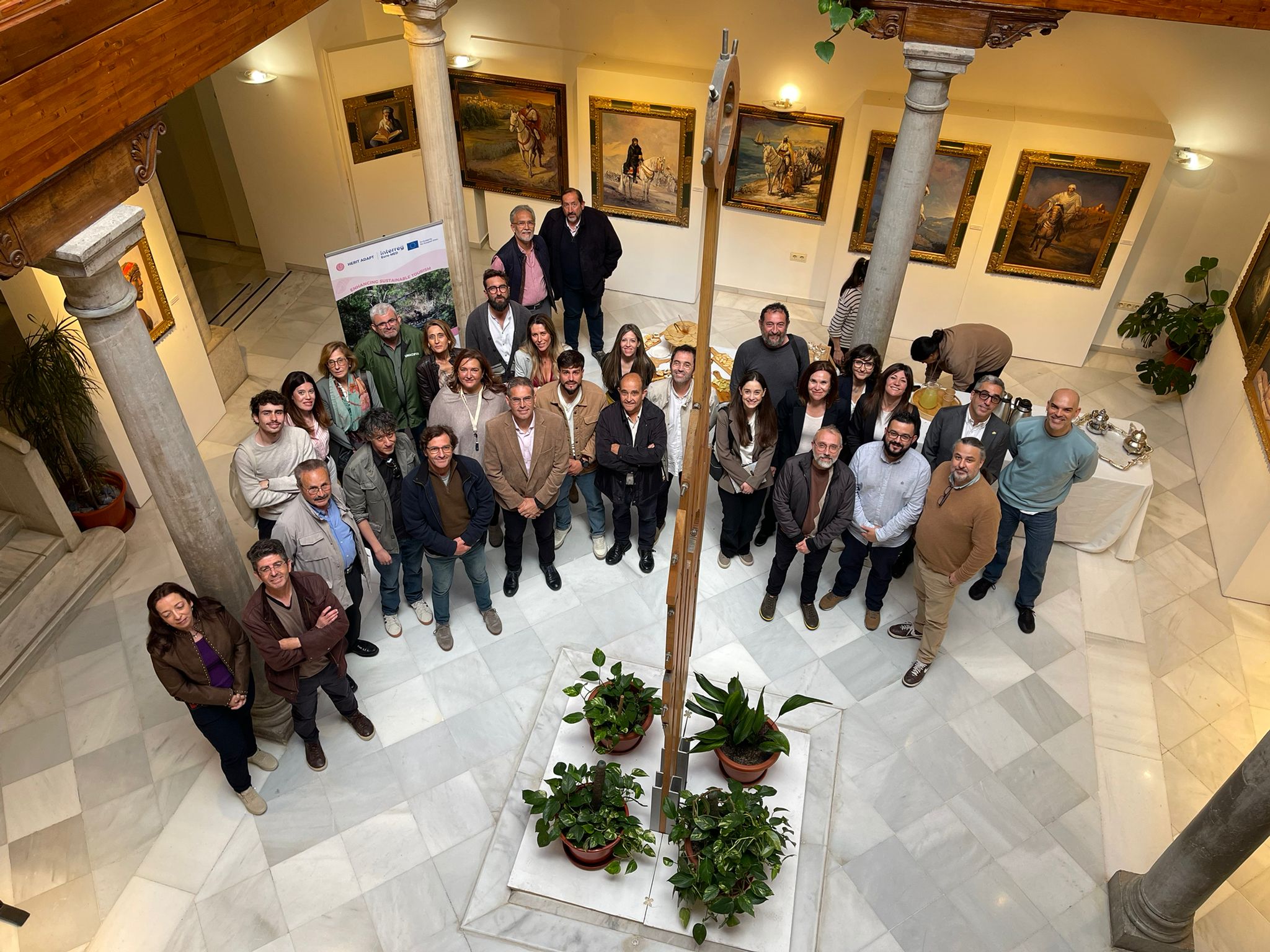
The pilot is coordinated through Territorial Working Groups, bringing together a multi-level network connecting the Patronato de la Alhambra y Generalife with regional and local partners across the Western Mountains of Granada. Institutional partners including the Diputación de Granada, Consorcio Vega Sierra Elvira, University of Granada, and Asociación para el Desarrollo Sostenible del Poniente Granadino, provide coordination, technical support, and evaluation. Local municipalities, NGOs, schools, artisans, and cultural associations contribute on-the-ground engagement.
Visitors and residents help test QR codes and audiovisual materials, with surveys capturing perceptions and behavioral changes. A second-phase capacity-building programme trains librarians, tourist guides, and municipal culture officers in AI storytelling, sustainable itineraries, and digital monitoring. These activities strengthen local ownership, foster collaboration, and ensure the long-term transferability of the HERIT ADAPT methodology.
Implementation of Adaptive and Integrated Strategies
The Alhambra pilot applies and tests the Emotionally Intelligent Destinations (EID) tool, which uses AI-generated storytelling to bring Andalusian watchtowers to life. Through interactive QR points and audiovisual narratives, the tool:
- Links the Alhambra’s defensive system with the wider network of fortresses and watchtowers in the Western Mountains.
- Shows that AI storytelling can be adapted as a visitor management and interpretation method for other Mediterranean heritage contexts.
- Works seamlessly with the existing digital infrastructure of the Patronato de la Alhambra and municipal tourism offices, supporting a shared sustainable tourism framework.
- Provides clear metrics to improve monitoring

Expected outcomes
- Diversified visitor flows from the Alhambra toward rural heritage areas
- Improved accessibility with inclusive considerations, for both physical and digital components
- Improved perception of sustainability and heritage cohesion
- Empowerment of local actors
- Increased adaptive management capacity for climate-aware tourism
Together, these outcomes enhance the social resilience and adaptive management capacity of both the Alhambra and its surrounding heritage territories, setting a precedent for integrated, climate-conscious tourism models across the Mediterranean.
gallery
Partners involved:

About the Pilot Site
The pilot focuses on the Alhambra and Generalife complex, one of Europe’s most visited cultural heritage landmarks. HERIT ADAPT extends the visitor experience beyond the monument, reconnecting the Alhambra with its historical defensive landscape, a network of medieval watchtowers and fortresses across the nearby rural municipalities of Íllora, Montefrío, and Moclín. Once used to communicate via light and fire signals to the Torre de la Vela in the Alcazaba, these towers are now brought back to life, sharing their stories through new experiences within an extended heritage corridor around Granada.
By using the concept of “screen tourism”, where visitors are inspired by what they see on screen, it encourages exploration of rural hidden gems, easing pressure on the city center while promoting a richer, distributed cultural experience.
Local Challenges
- Awareness & Interpretation: Visitors have limited understanding of the wider defensive and cultural landscape connected to the Alhambra
- Visitor Flow & Economic Distribution: Visitor flows need to be diversified toward rural heritage areas to reduce congestion, improve visit quality, and extend economic benefits beyond the main monument.
- Local Cooperation: Cooperation among stakeholders is fragmented, and rural tourism assets have limited visibility.
- Accessibility & Inclusivity: There is a need for multilingual and accessible interpretation tools
- Climate & Environmental Vulnerabilities: Water scarcity, temperature extremes, and erosion affect both the Alhambra and the surrounding rural environment.
Objectives of Experimentation
- Visitor Flow & Territorial Connectivity: Test a replicable model of visitor-flow redistribution, using the Alhambra to guide tourists toward less-visited but culturally connected rural heritage sites.
- Visitor Experience & Interpretation: Enhance visitor experience through emotional storytelling, linking the Alhambra’s defensive system with its historical network of watchtowers across the Vega–Sierra Elvira territory.
- Visitor Perception & Behavioral Evaluation: Assess visitor perceptions and intentions before and after exposure to AI-generated audiovisual narratives, available on-site via QR panels and online.
- Socio-Economic & Awareness Impacts: Measure effects on local business engagement, stakeholder cooperation, and understanding of climate adaptation and sustainable tourism principles.
- Collaboration & Sustainability Model: Validate cooperation between a major World Heritage site and surrounding rural areas to reduce environmental pressure and generate inclusive, long-term regional benefits.
The HERIT ADAPT Sustainable
Tourism Model
Data-Driven Diagnosis and Understanding
The Alhambra pilot implements the HERIT ADAPT Sustainable Tourism Model through the Patronato de la Alhambra y Generalife, positioning the site as both a laboratory for sustainable visitor management and a gateway for redistributing tourism benefits across the Western Mountains of Granada. Historical storytelling is combined with digital innovation through the Emotionally Intelligent Destinations (EID) Tool. By integrating AI-generated short films, QR panels, multilingual signage (ES/EN/FR/DE), inclusive interpretive materials, GIS-based rural routes, and stakeholder co-creation workshops the pilot leads an immersive and scalable visitor experience.
Technological & Data Collection workflow includes:
- AI-assisted audiovisual storytelling: creation of hyper-realistic short films narrating the historical and climatic links between the Alhambra and the Western Mountains.
- Web integration and GIS mapping: WordPress-based platform embedding interactive maps, routes and QR-linked narratives for mobile users.
- Analytics & Visitor Behavior: tracking enabling data collection on visitor engagement, origin, and post-visit interest in rural sites, overall satisfaction, and behavioral changes.
- Environmental data Integration: climate data potentially integrated from non-invasive micro-sensors located near watchtowers, to correlate visitor activity with climatic variables.
Multi-Stakeholder Collaboration via Territorial Working Groups
The pilot is coordinated through Territorial Working Groups, bringing together a multi-level network connecting the Patronato de la Alhambra y Generalife with regional and local partners across the Western Mountains of Granada. Institutional partners including the Diputación de Granada, Consorcio Vega Sierra Elvira, University of Granada, and Asociación para el Desarrollo Sostenible del Poniente Granadino, provide coordination, technical support, and evaluation. Local municipalities, NGOs, schools, artisans, and cultural associations contribute on-the-ground engagement.
Visitors and residents help test QR codes and audiovisual materials, with surveys capturing perceptions and behavioral changes. A second-phase capacity-building programme trains librarians, tourist guides, and municipal culture officers in AI storytelling, sustainable itineraries, and digital monitoring. These activities strengthen local ownership, foster collaboration, and ensure the long-term transferability of the HERIT ADAPT methodology.
Implementation of Adaptive and Integrated Strategies
The Alhambra pilot applies and tests the Emotionally Intelligent Destinations (EID) tool, which uses AI-generated storytelling to bring Andalusian watchtowers to life. Through interactive QR points and audiovisual narratives, the tool:
- Links the Alhambra’s defensive system with the wider network of fortresses and watchtowers in the Western Mountains.
- Shows that AI storytelling can be adapted as a visitor management and interpretation method for other Mediterranean heritage contexts.
- Works seamlessly with the existing digital infrastructure of the Patronato de la Alhambra and municipal tourism offices, supporting a shared sustainable tourism framework.
- Provides clear metrics to improve monitoring
Expected outcomes
- Diversified visitor flows from the Alhambra toward rural heritage areas
- Improved accessibility with inclusive considerations, for both physical and digital components
- Improved perception of sustainability and heritage cohesion
- Empowerment of local actors
- Increased adaptive management capacity for climate-aware tourism
Together, these outcomes enhance the social resilience and adaptive management capacity of both the Alhambra and its surrounding heritage territories, setting a precedent for integrated, climate-conscious tourism models across the Mediterranean.
gallery
Partners involved: