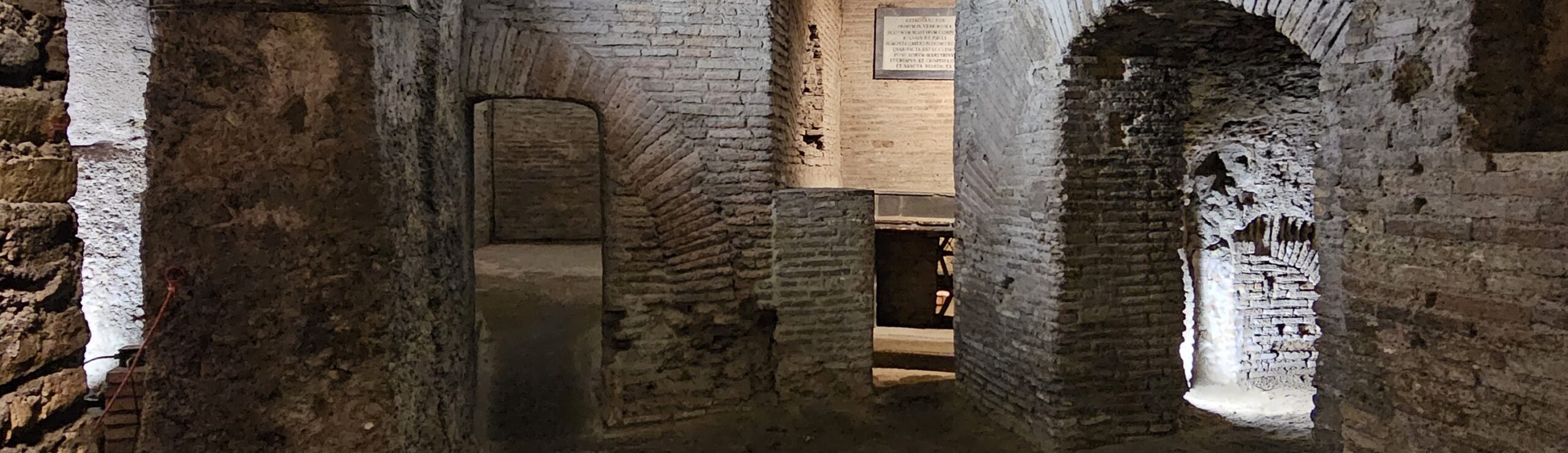
Roman houses of Celio Hill
Rome – Italy
USE CASE:
· XR/AR for Enhanced Visibility
About the Pilot Site
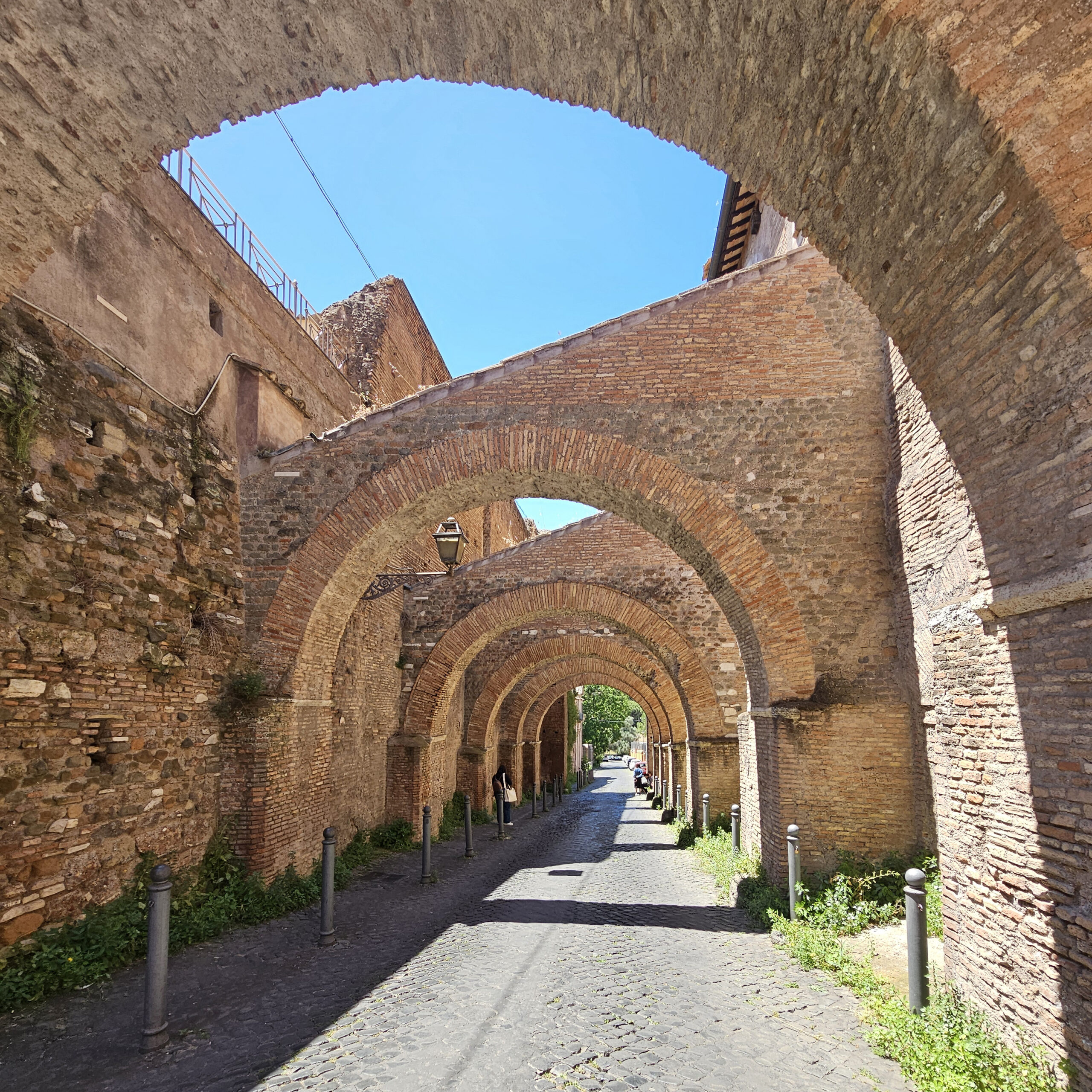
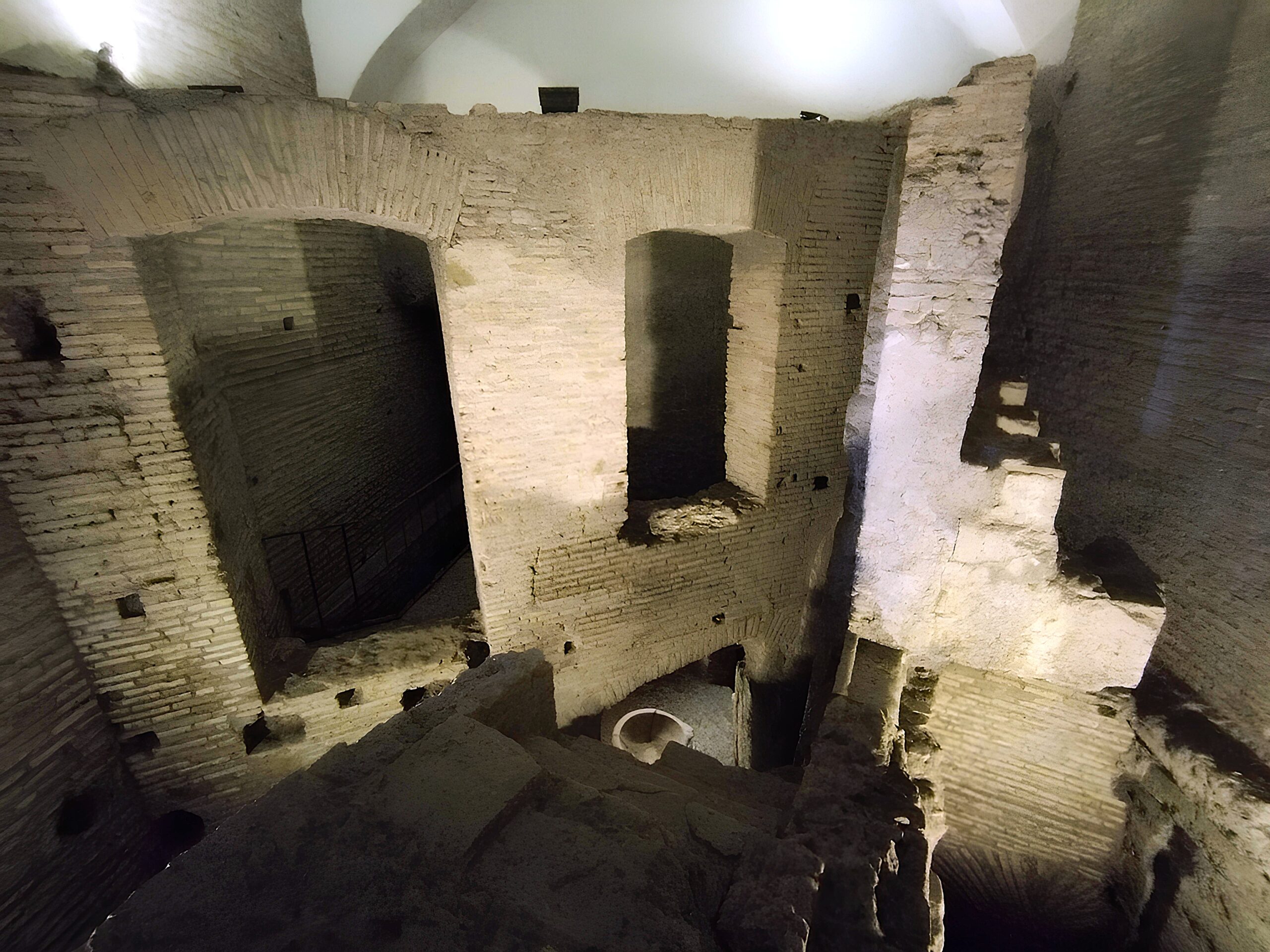
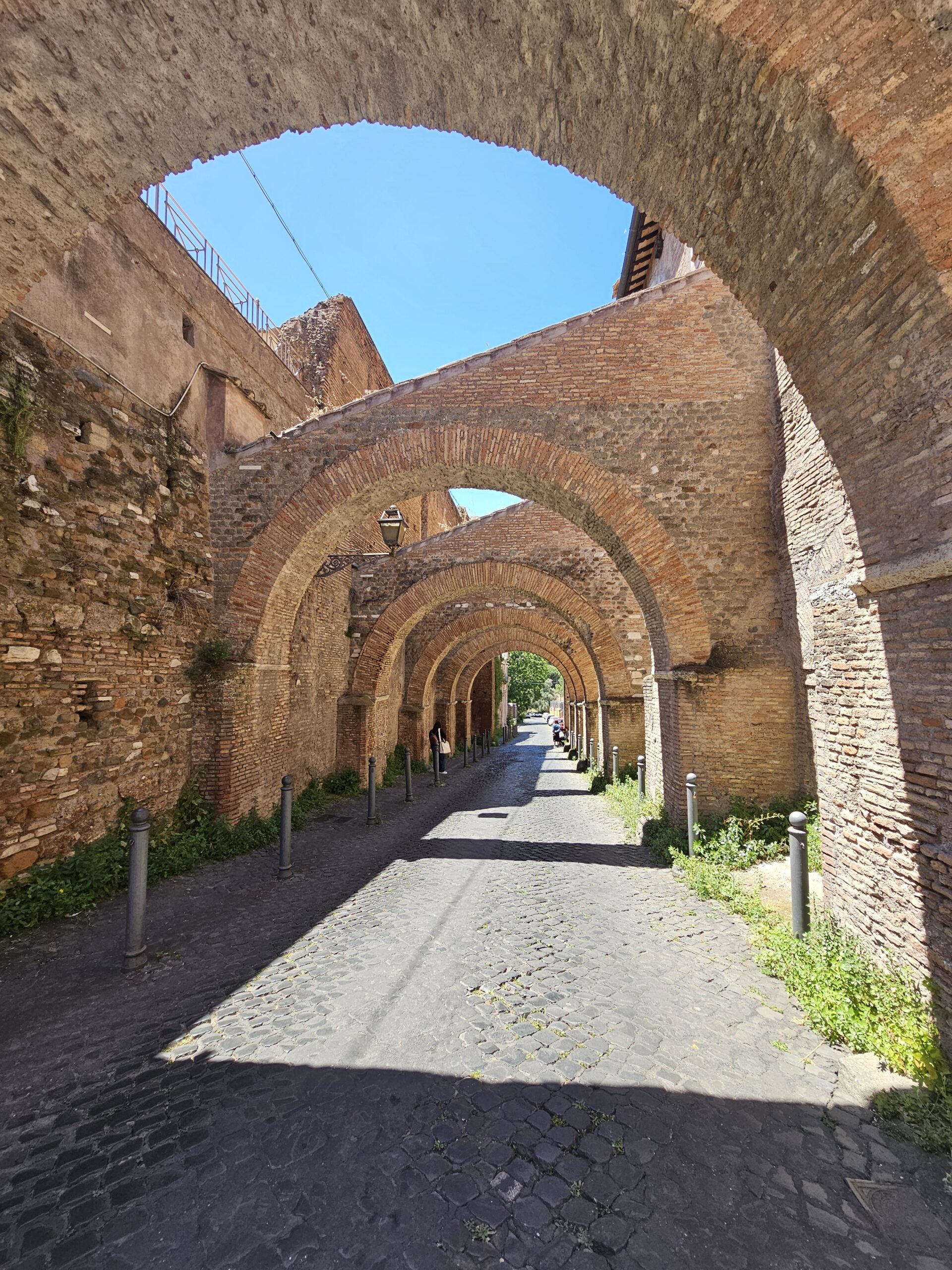
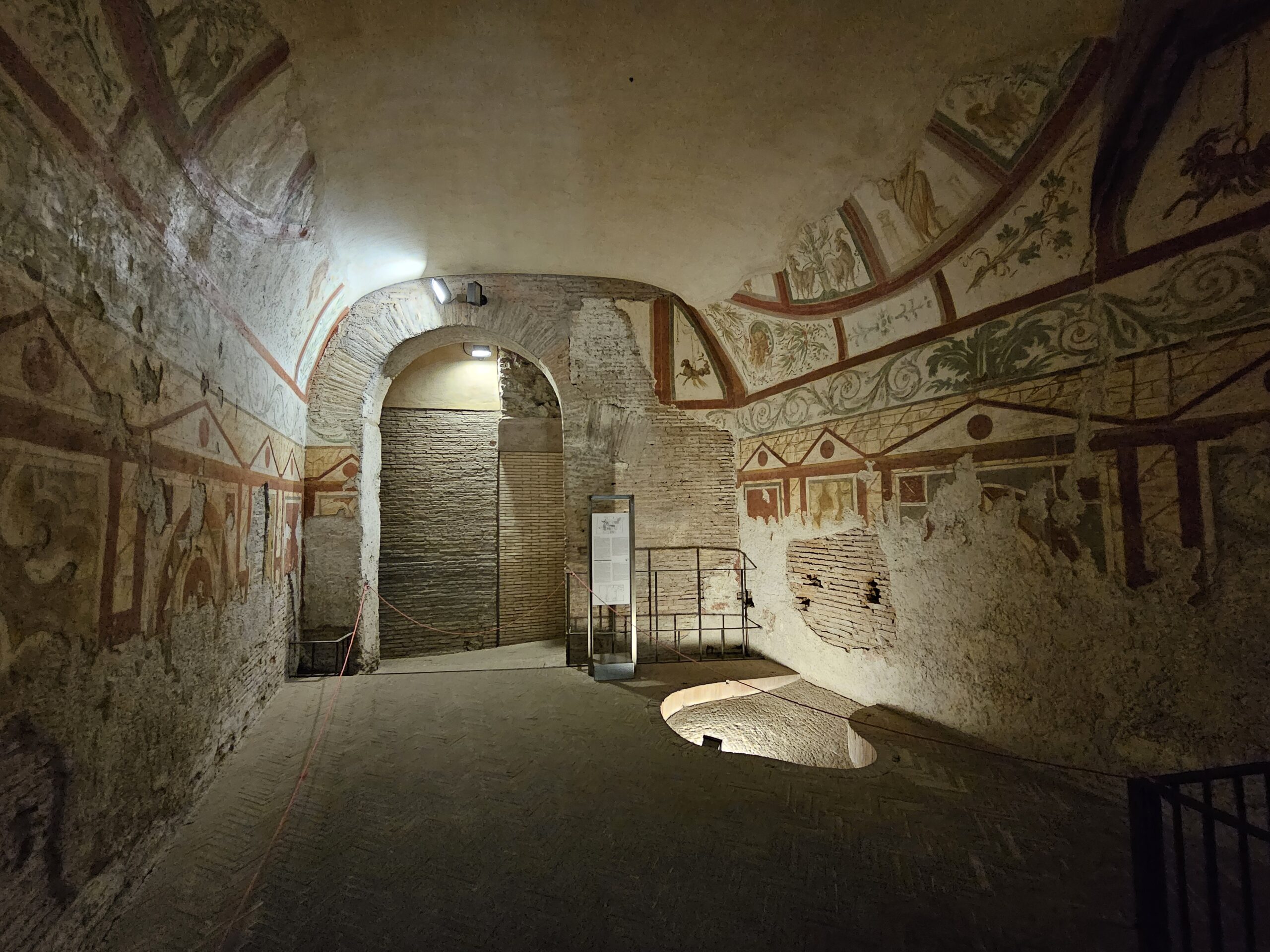
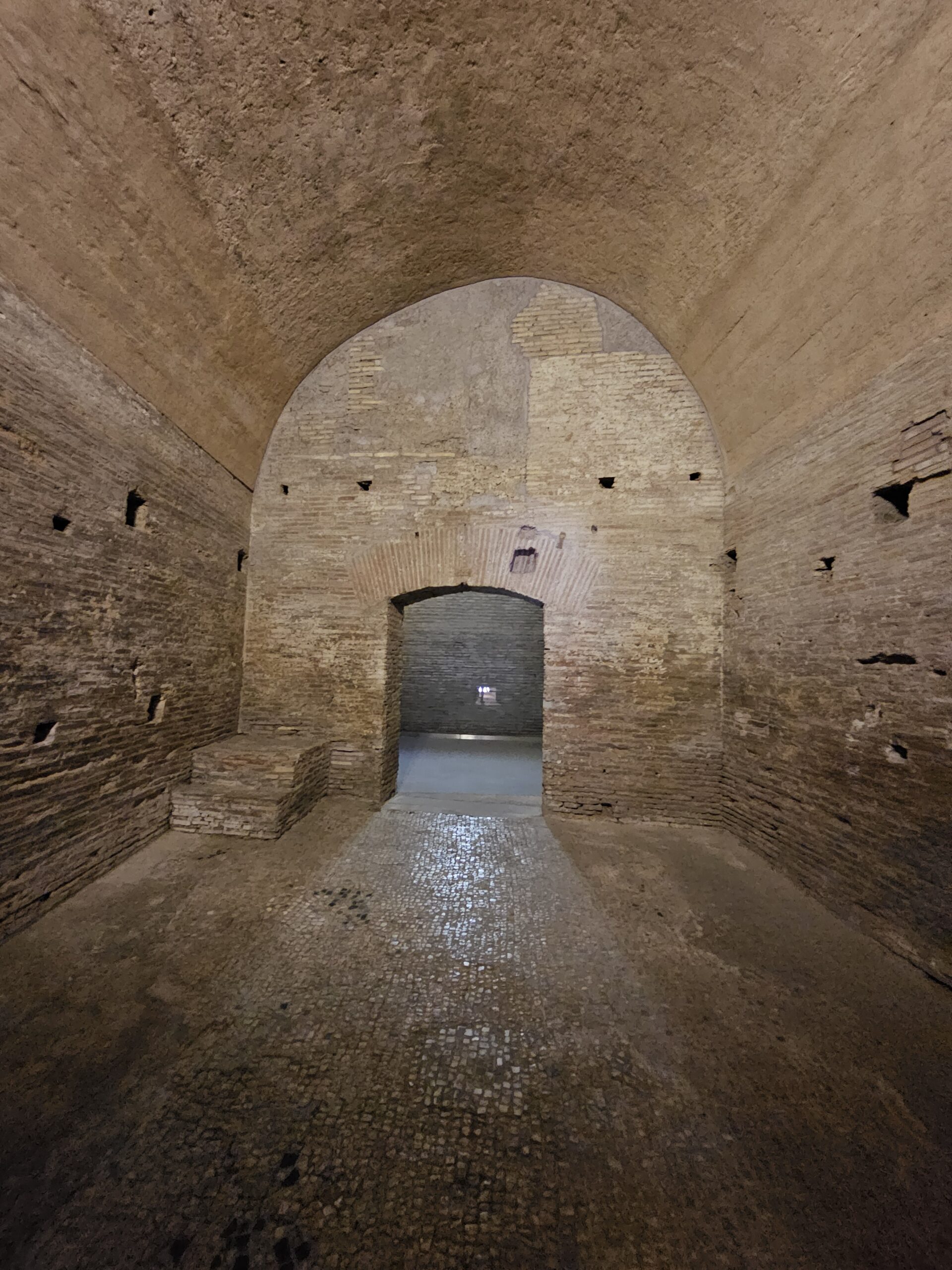
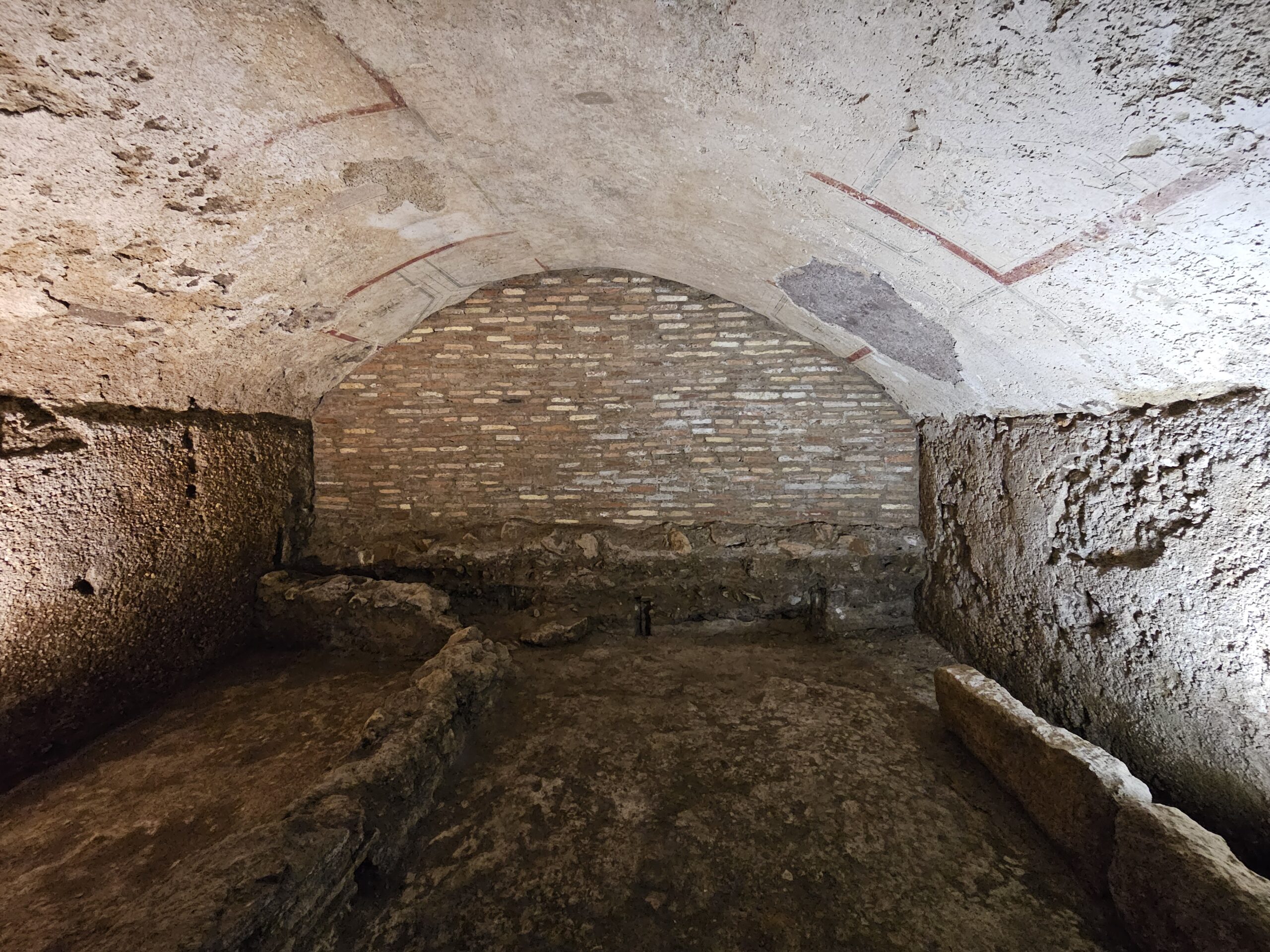
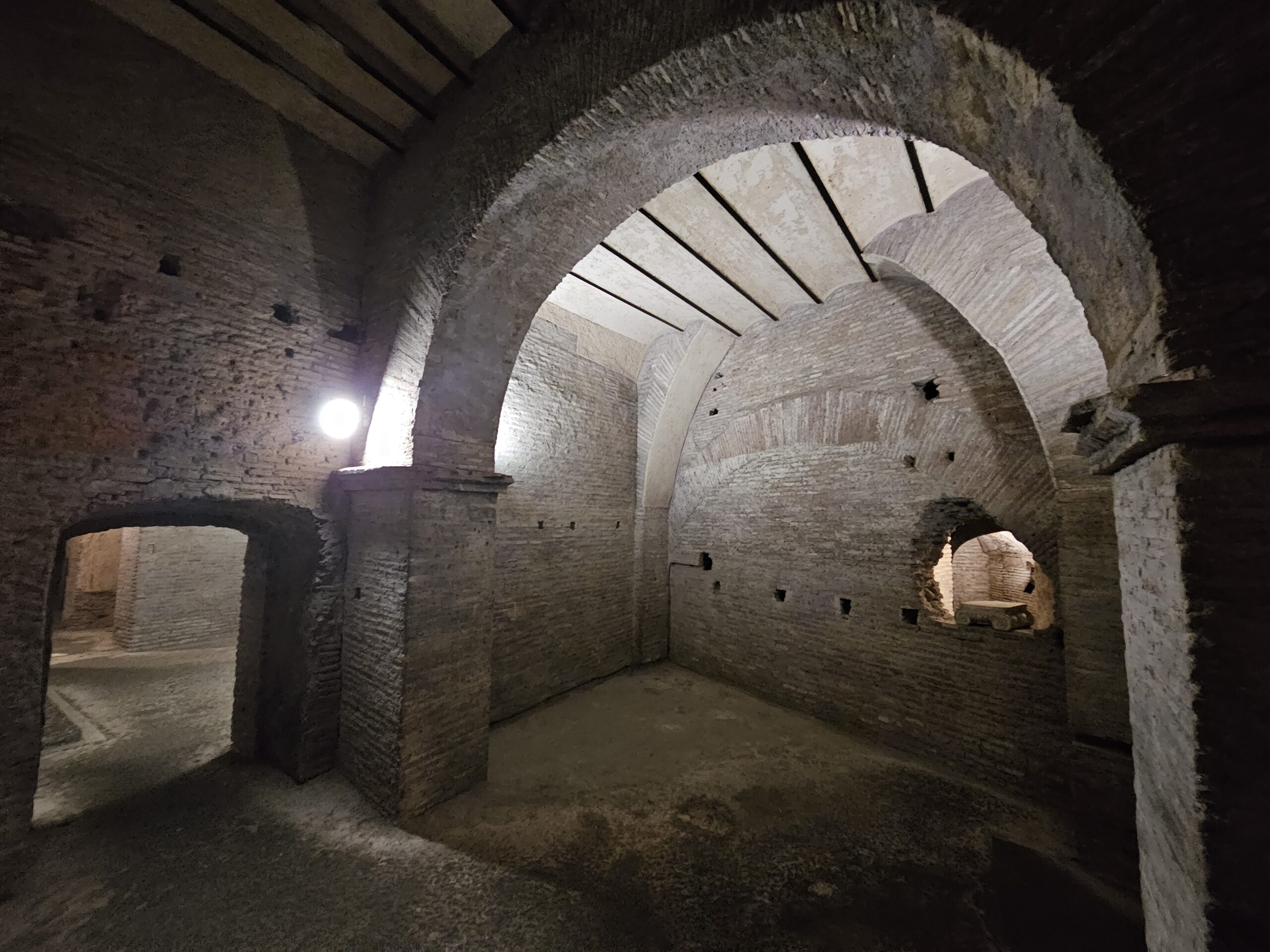
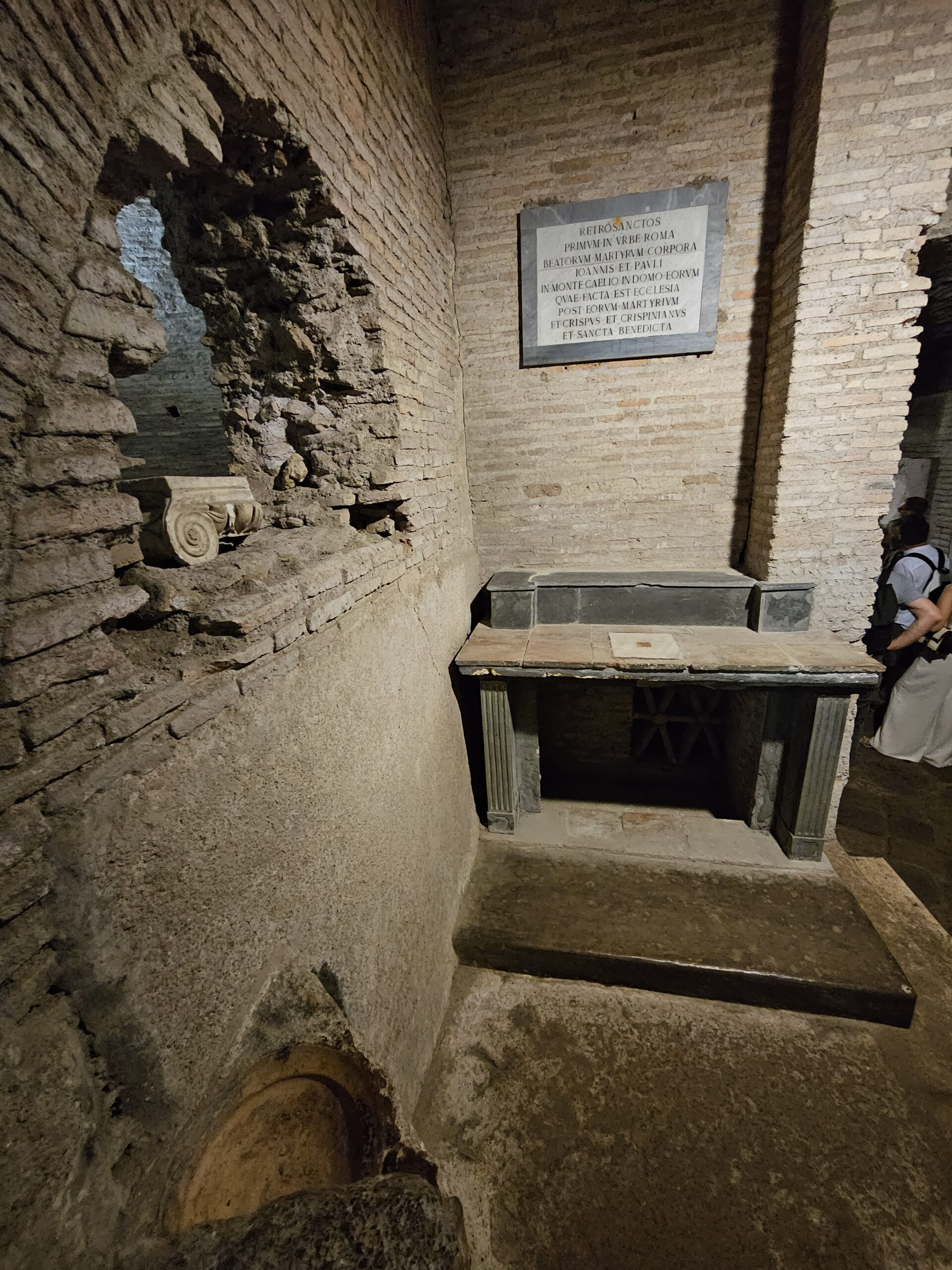
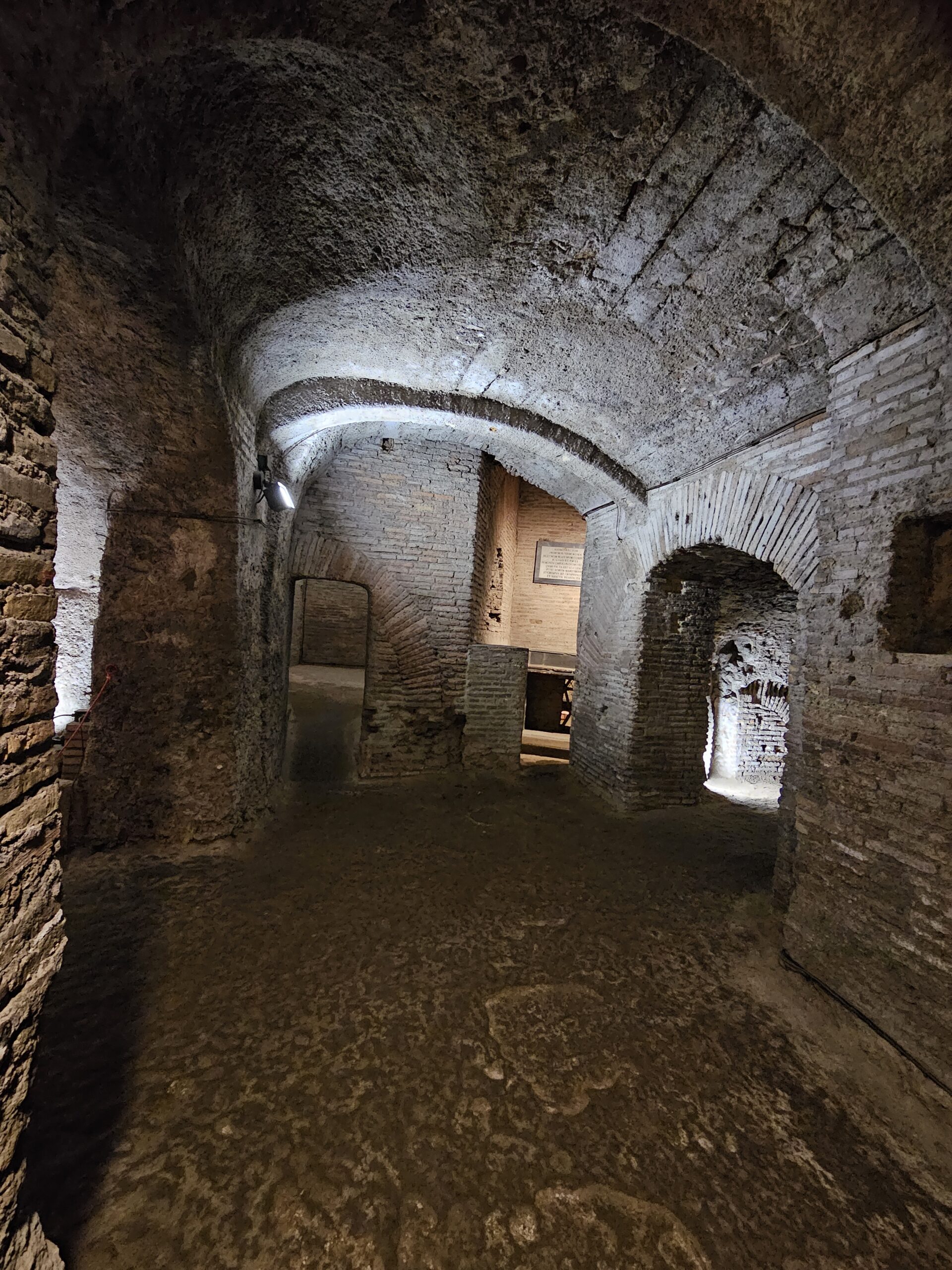
The Roman Houses of the Celio Hill are an underground archaeological complex located near the Colosseum in Rome. Discovered in the late 19th century, the site preserves a group of richly decorated residential spaces dating from the 2nd to 4th centuries CE. The houses are renowned for their extensive wall paintings, mosaics, and architectural remains, which provide rare insight into the domestic and social life of late imperial Rome. Today, the site is managed as a museum space, offering visitors a unique opportunity to explore the everyday environments of ancient Roman elites in one of the city’s most historically significant areas.
Local Challenges
- Visibility & Engagement: The site lacks integration into larger cultural itineraries, remaining under-visited despite its central location and high historical and artistic value. The richness of the site is not effectively conveyed, with limited interactivity and reliance on guided explanations, resulting in a less engaging visitor experience.
- Accessibility: Physical barriers such as steep terrain, uneven paths, and fragile, narrow spaces limit access, particularly for visitors with reduced mobility.
- Conservation risks and environmental vulnerabilities: The fragile underground environment is threatened by water infiltration, microclimatic instability, and biodeterioration, exacerbated by visitor pressure and climate change, creating tension between preservation and access.
- Limited operational capacity: The site’s complex governance framework can slow decision-making and the implementation of sustainable innovations.
Objectives of Experimentation
- Public Engagement & Visibility: Enhance visitor experience through immersive XR tools and reconstructions to make the site’s cultural and historical significance more tangible, enriching understanding of spaces that otherwise appear empty or inaccessible.
- Tourist flows management: Redirect visitors from overcrowded landmarks like the Colosseum to the Roman Houses, promoting balanced itineraries across Celio Hill and reducing pressure on nearby attractions.
- Accessibility & Inclusion: Use XR to allow virtual access to restricted or fragile areas, support multiple languages, and provide subtitles, ensuring all visitors can fully experience the site.
- Conservation & Climate resilience: Use digital tools to reduce contact with fragile artifacts, and energy-efficient devices to minimize environmental impact.
- Socio-economic value: Increase site visibility and revenue, reinvesting in preservation and excavation, and encourage exploration of the wider Celio Hill area to benefit local businesses and communities.
The HERIT ADAPT Sustainable
Tourism Model
Data-Driven Diagnosis and Understanding
The Roman Houses are exceptionally rich in heritage value but face significant constraints, including low visibility, physical barriers, conservation fragility, and operational limitations.
By integrating digital documentation, 3D reconstruction, software development, and user interface design, XR applications were developed to be archaeologically accurate, technically robust, and operationally sustainable. The project placed strong emphasis on accuracy, usability, and non-invasiveness to protect the archaeological context while meeting stakeholder requirements.
Technological & Data Collection workflow includes:
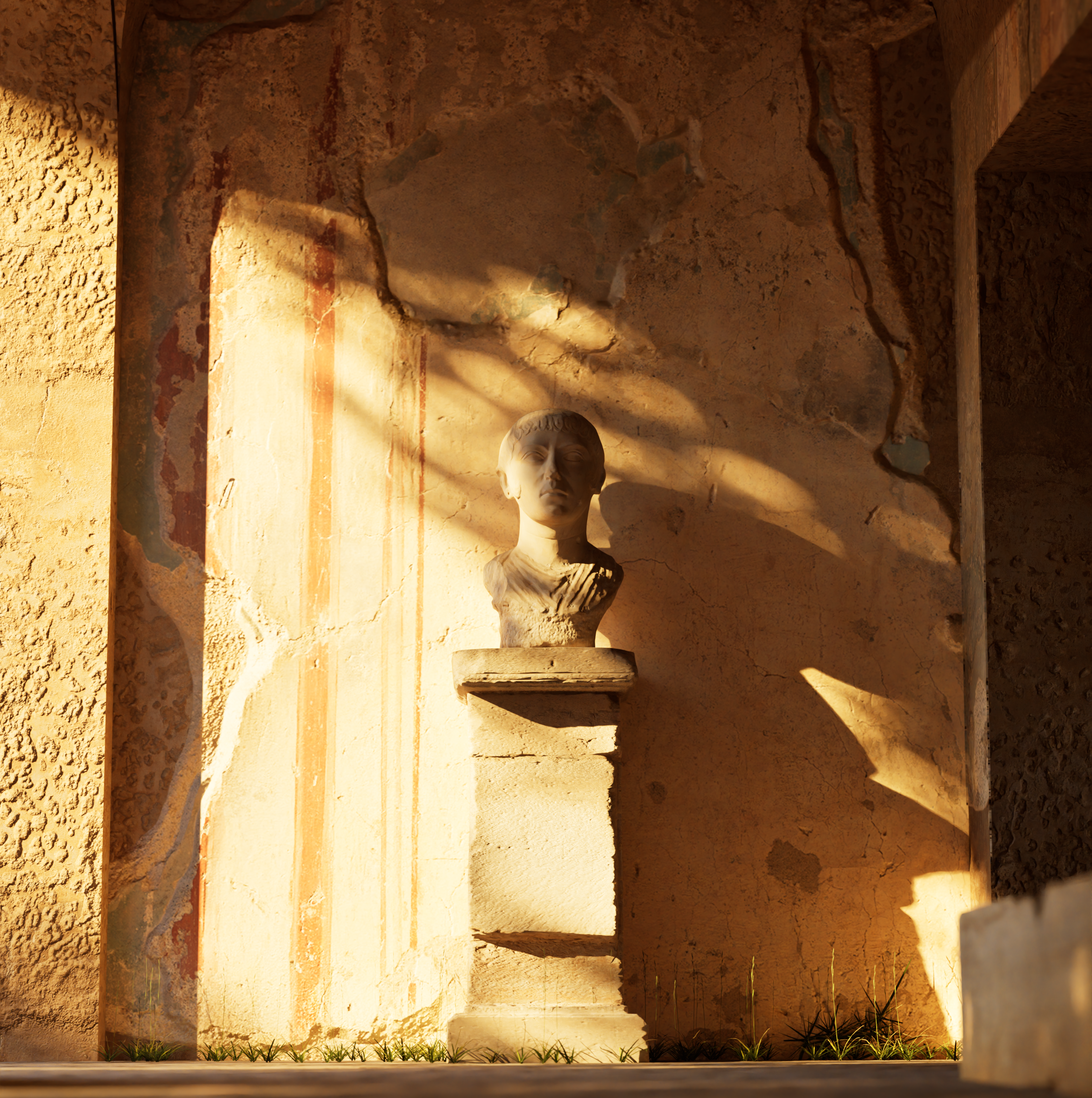
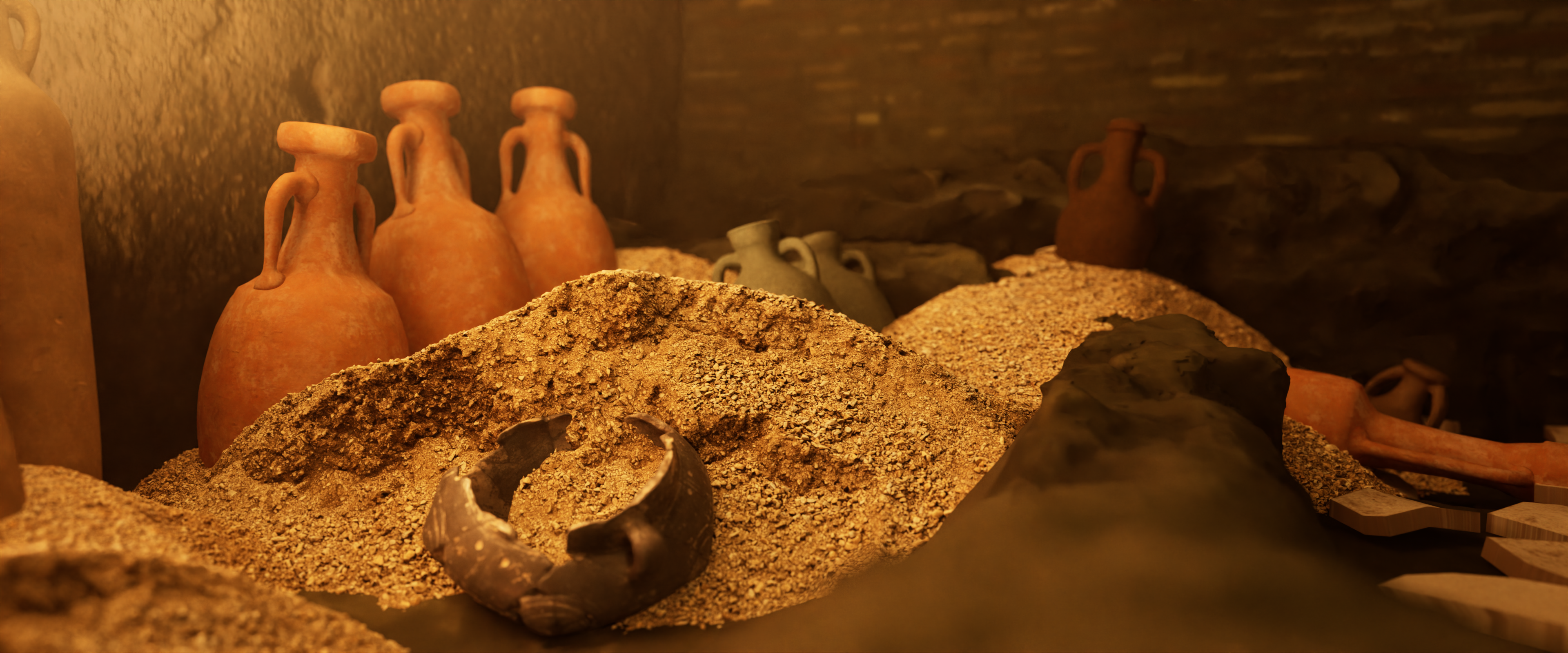
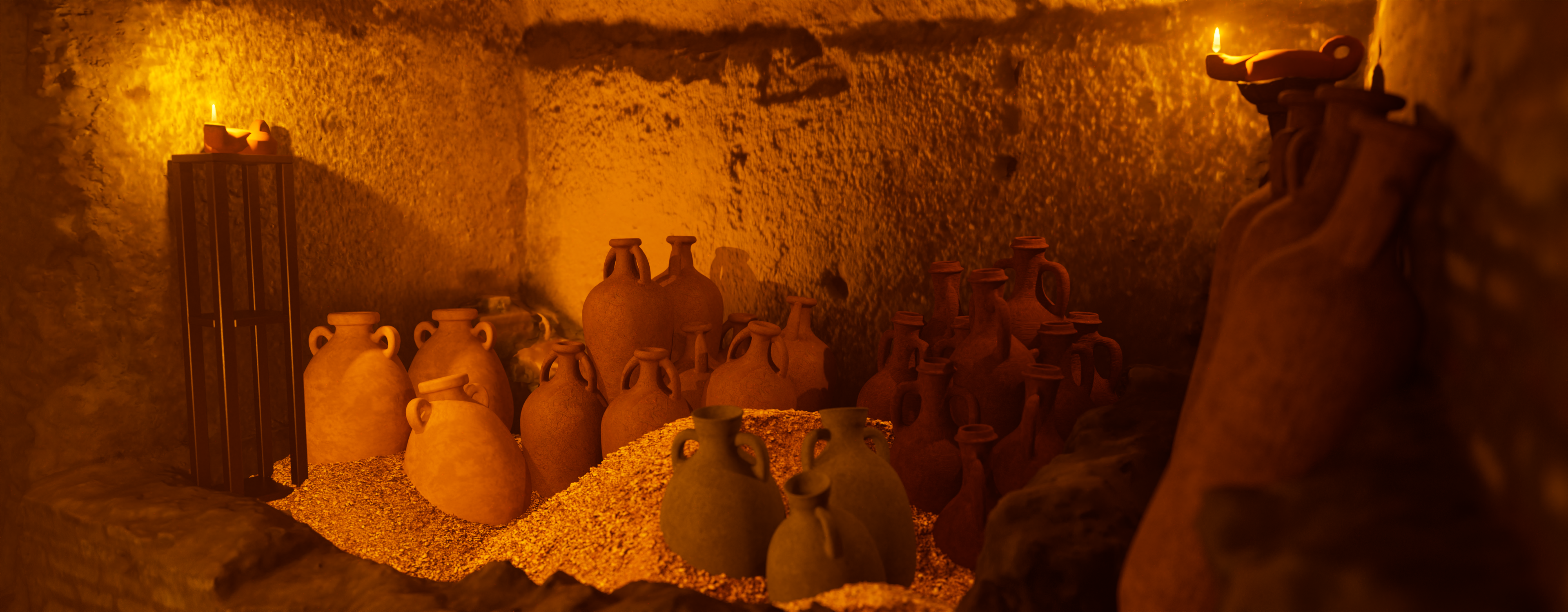
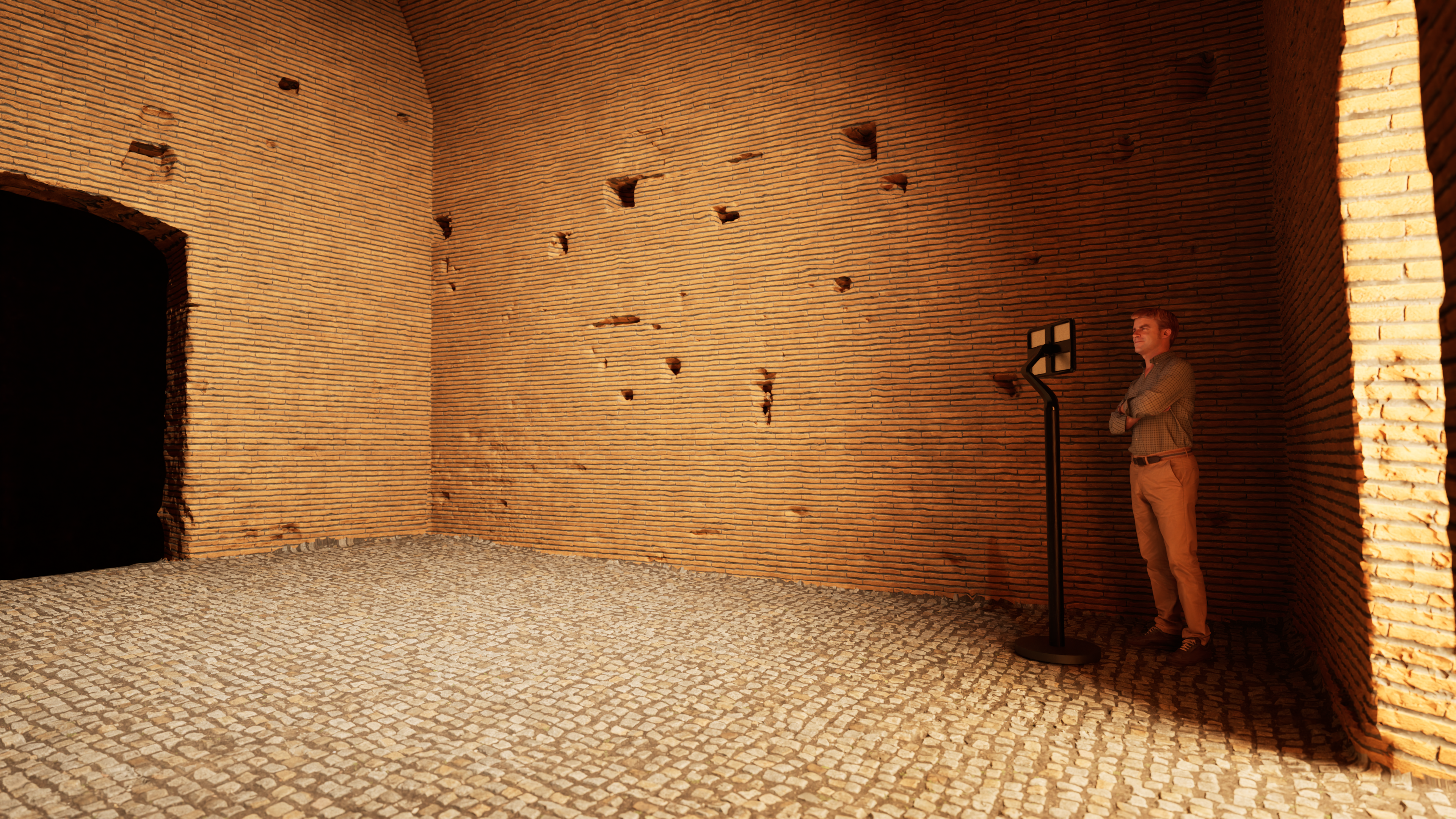
- Photography and Photogrammetry: Systematic photographic campaigns and surveys captured detailed geometry and textures, providing precise 3D references for reconstructing the Wine Cellar and Bottega.
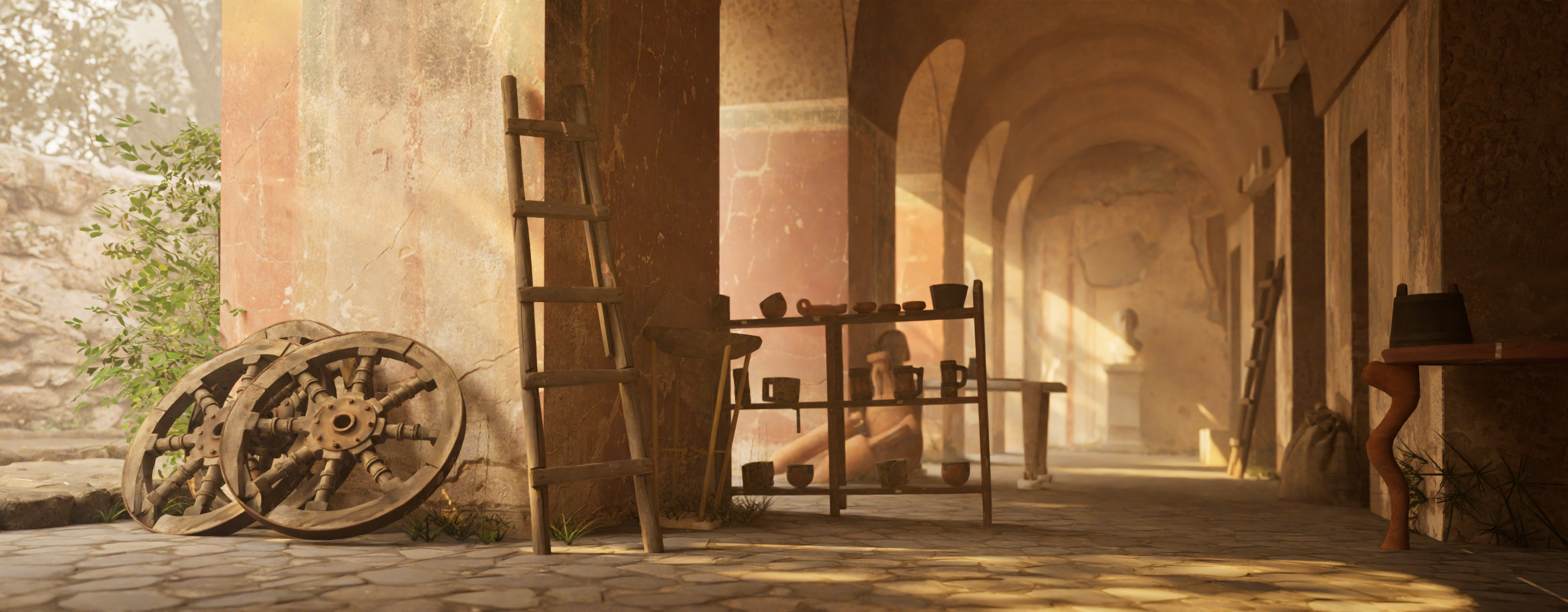
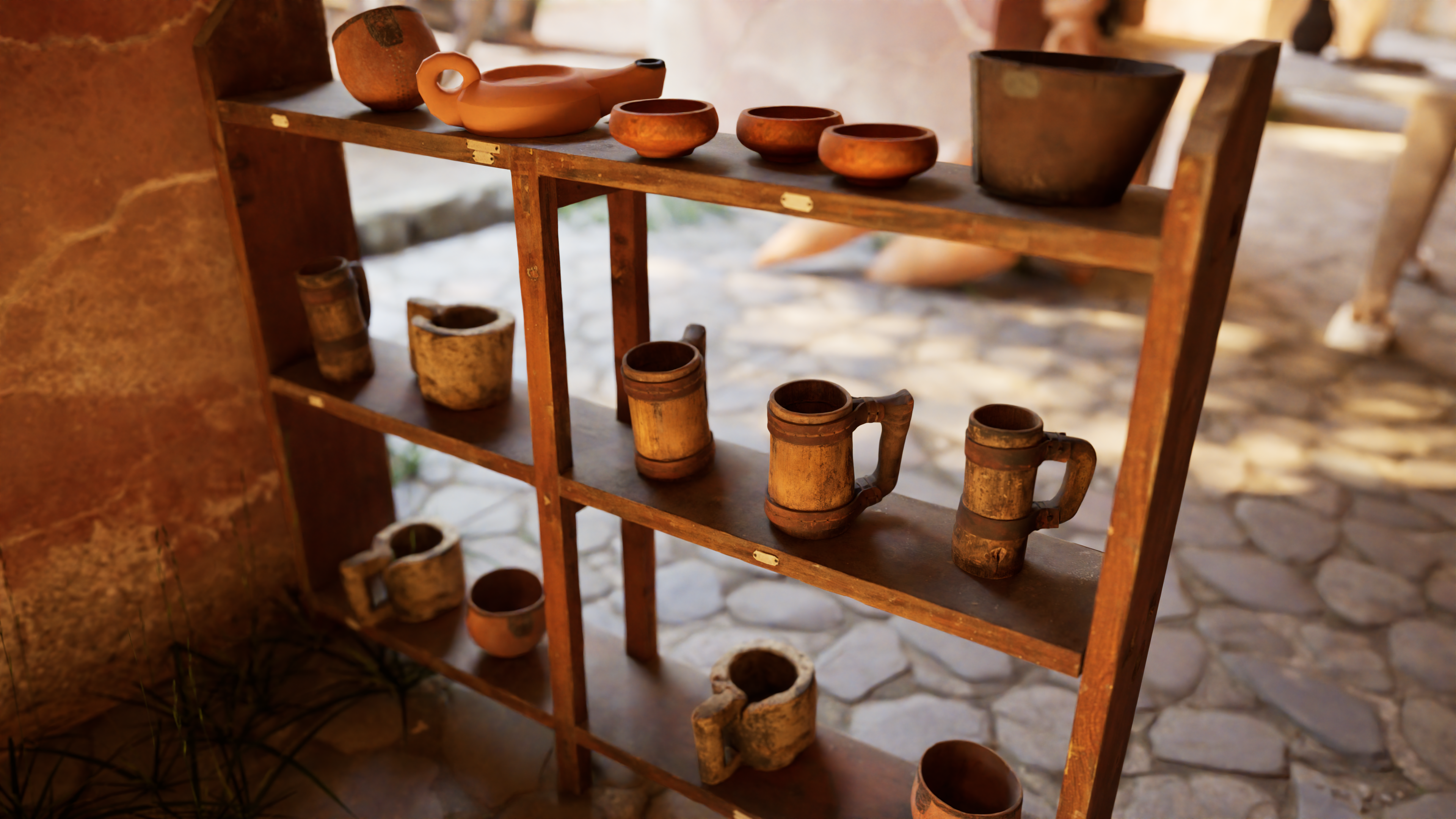
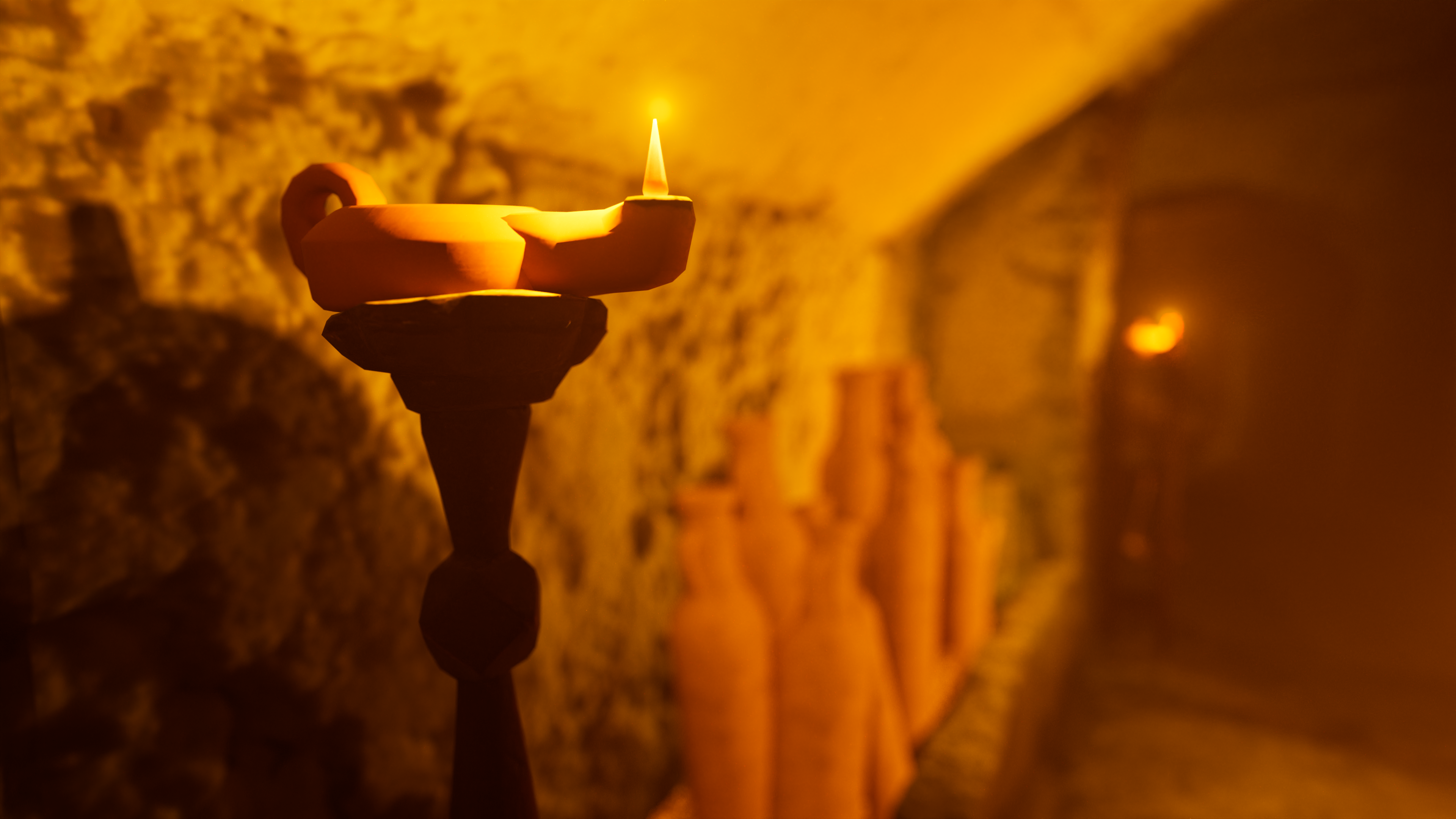
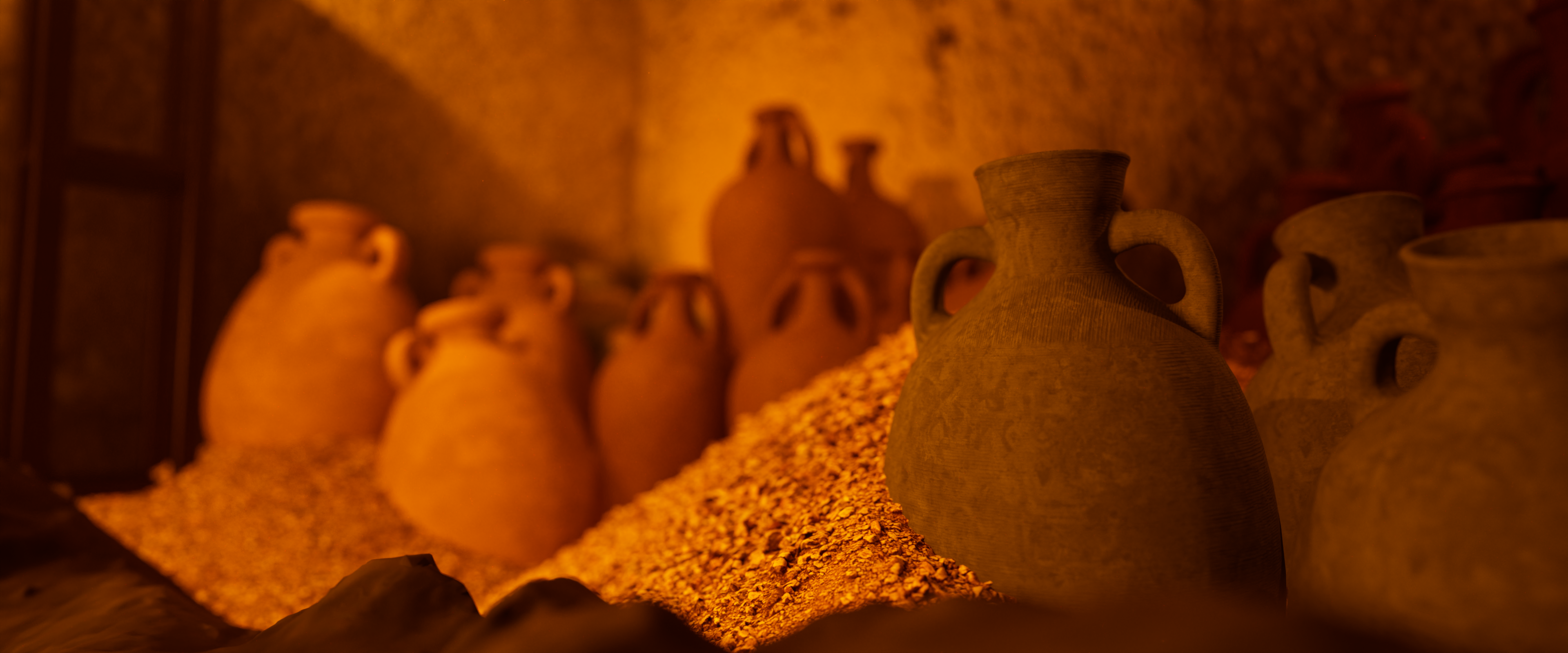
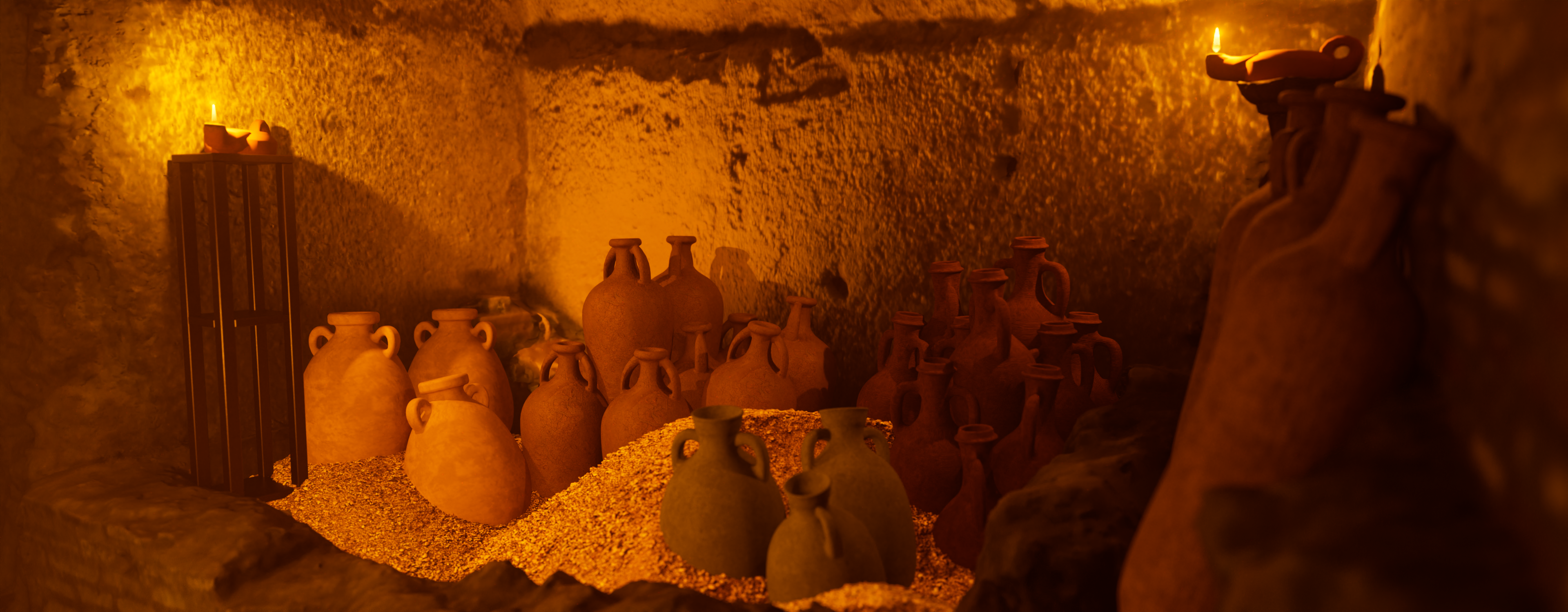
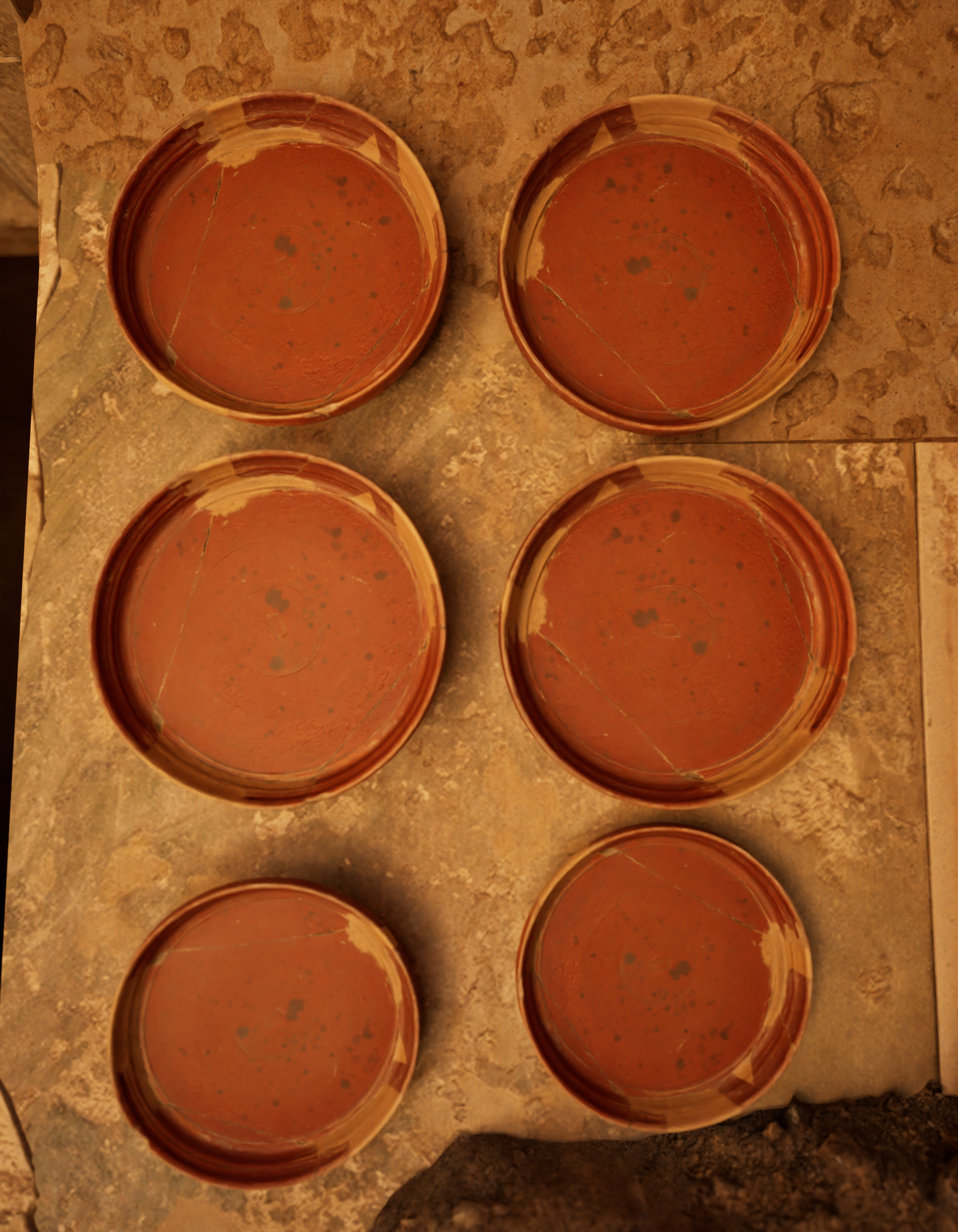
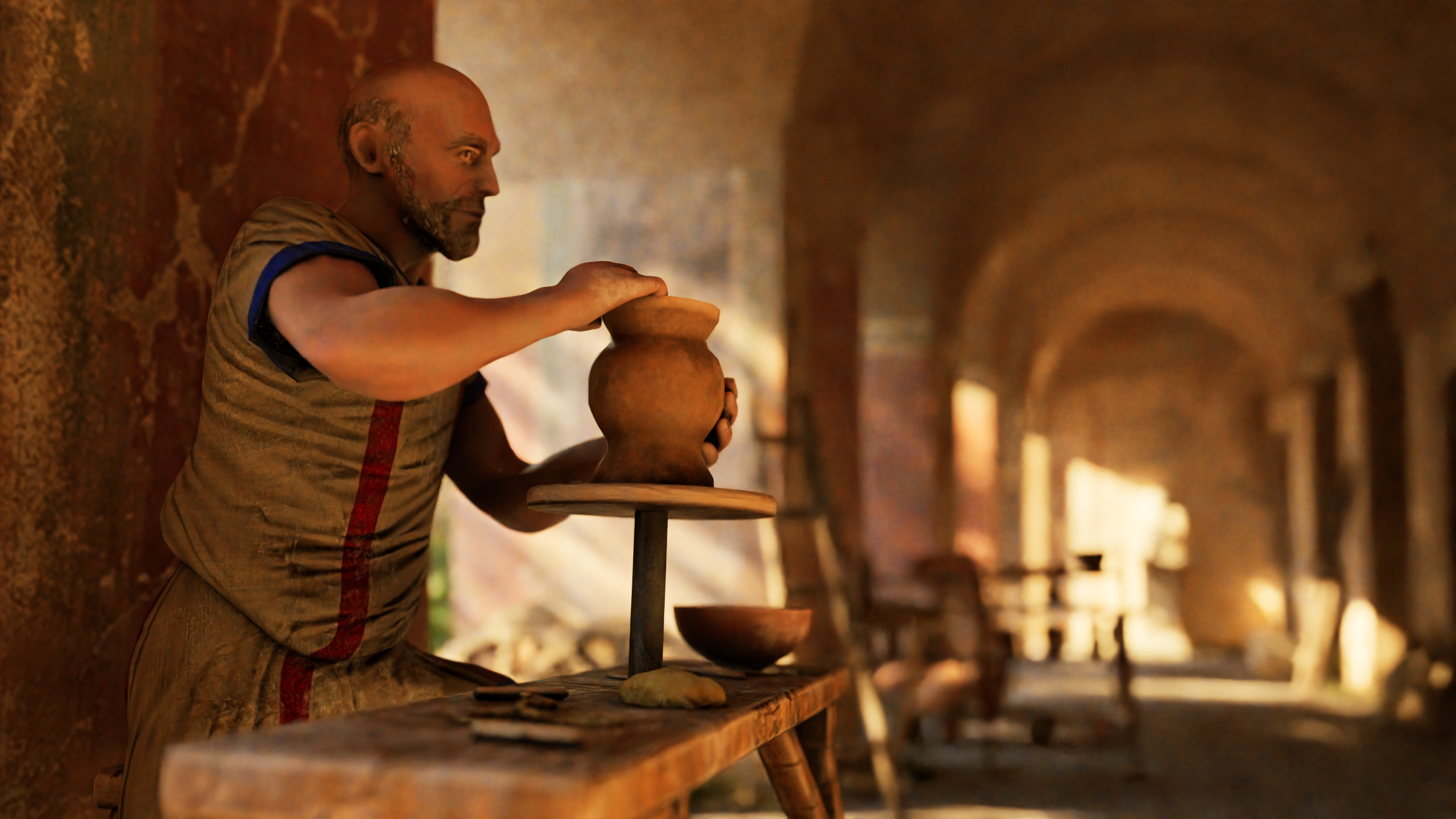
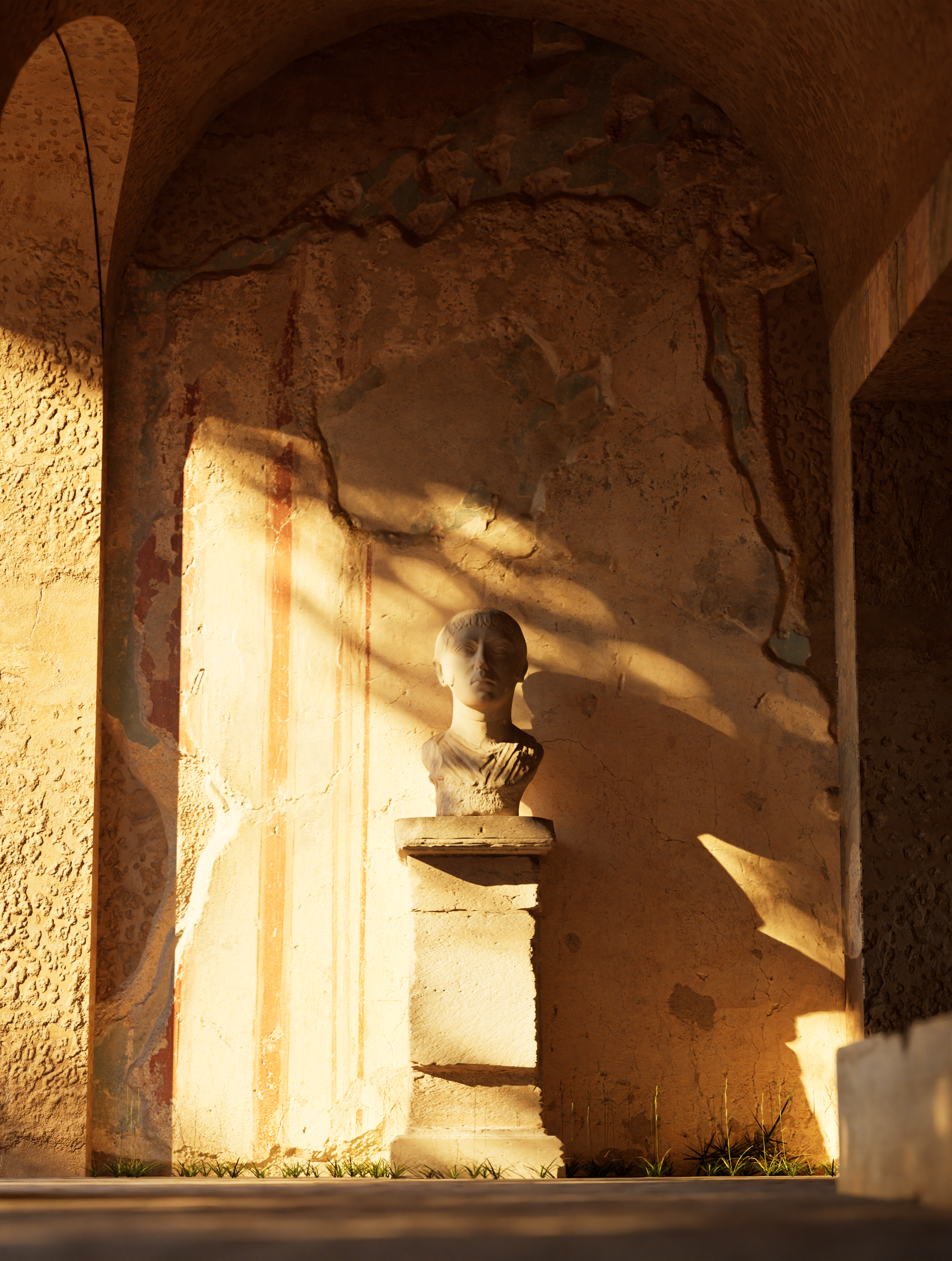
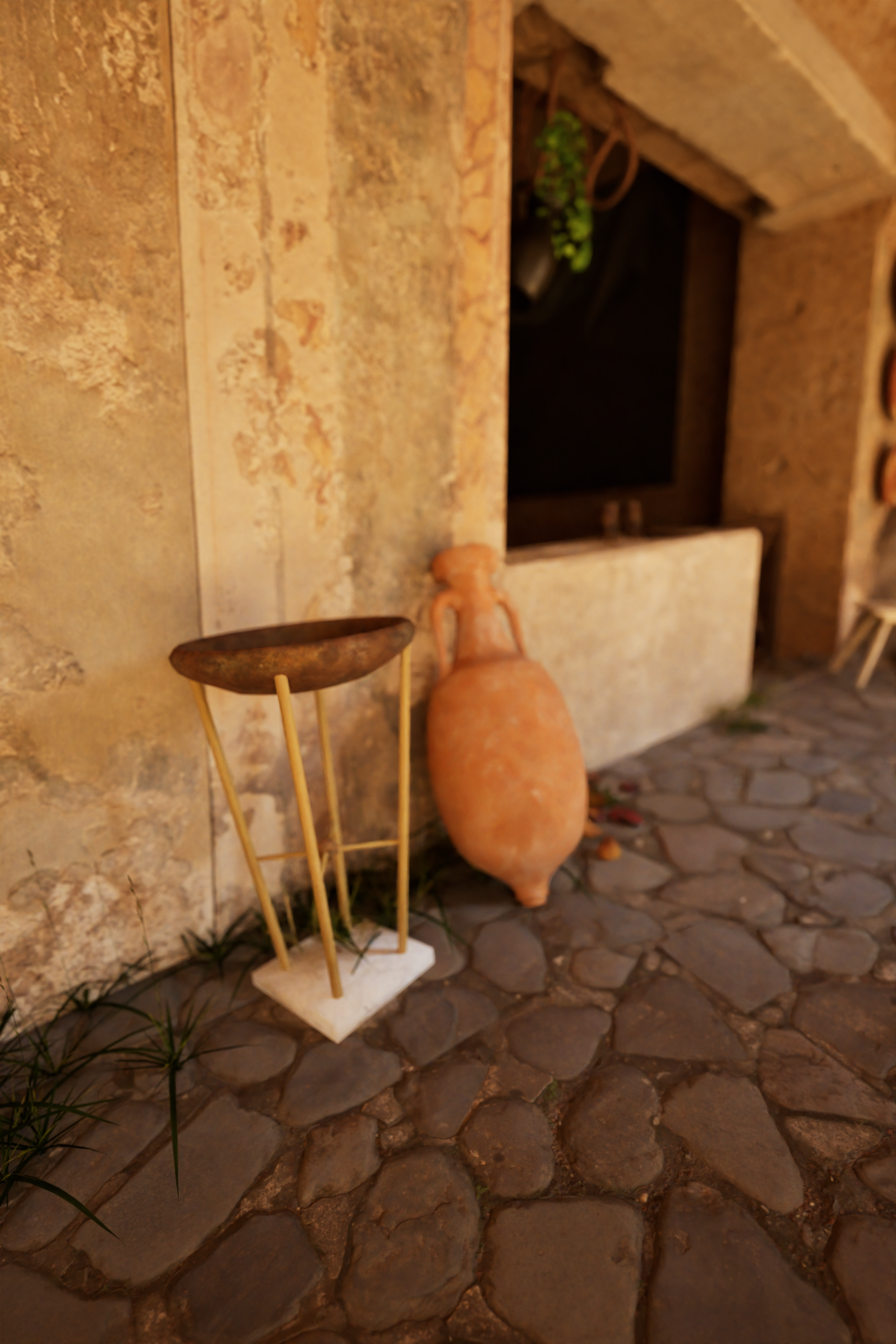
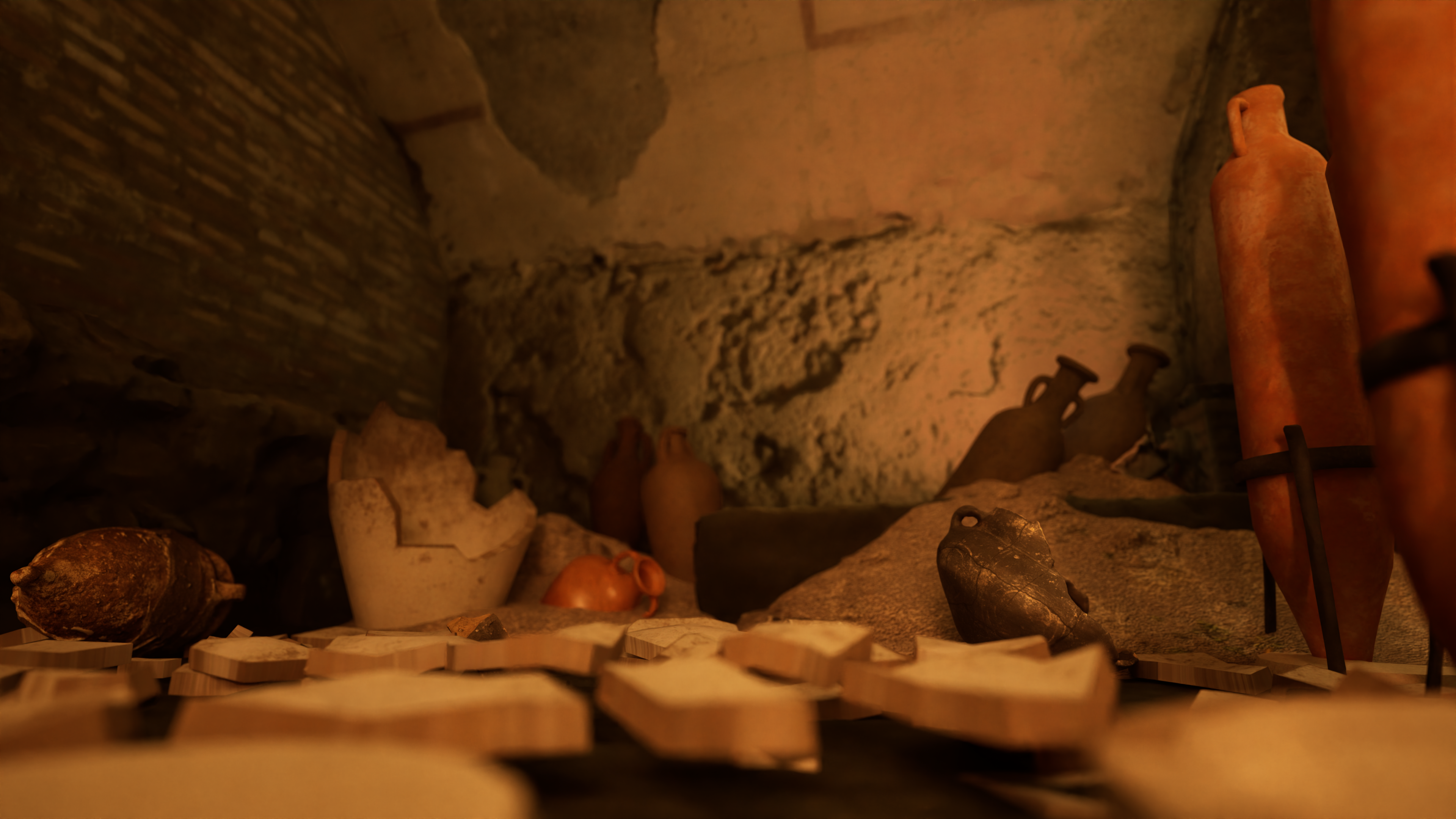
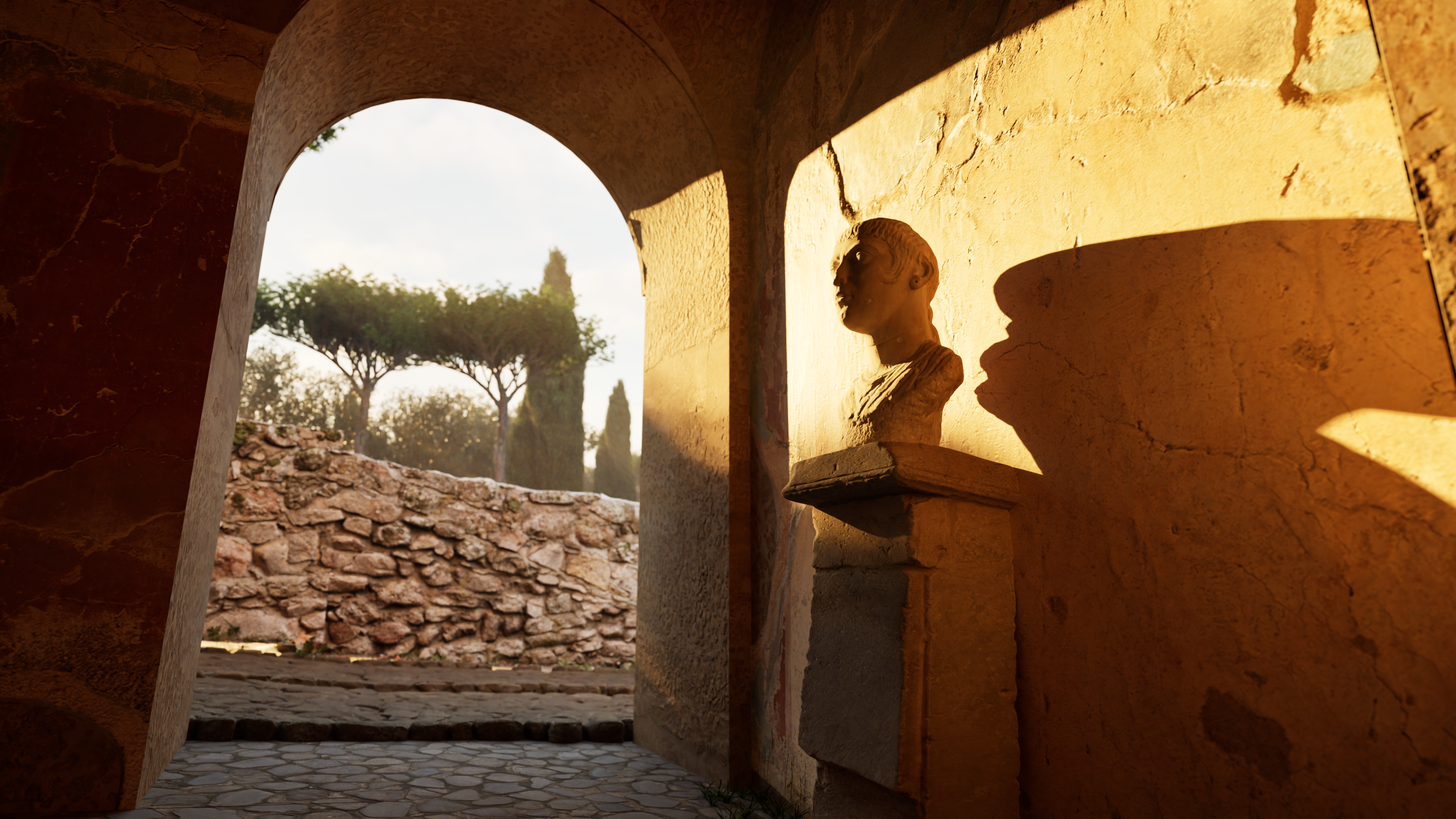
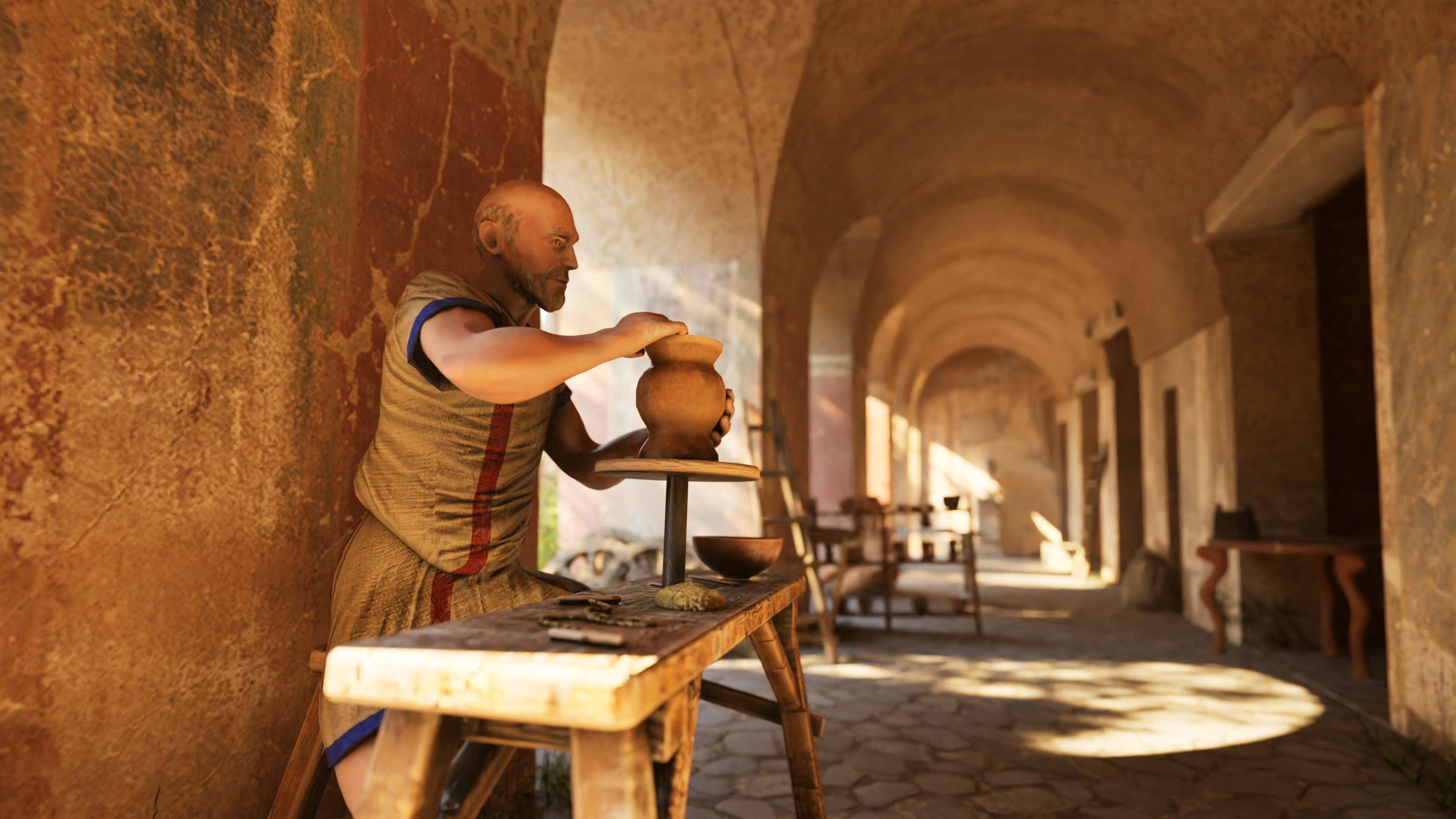
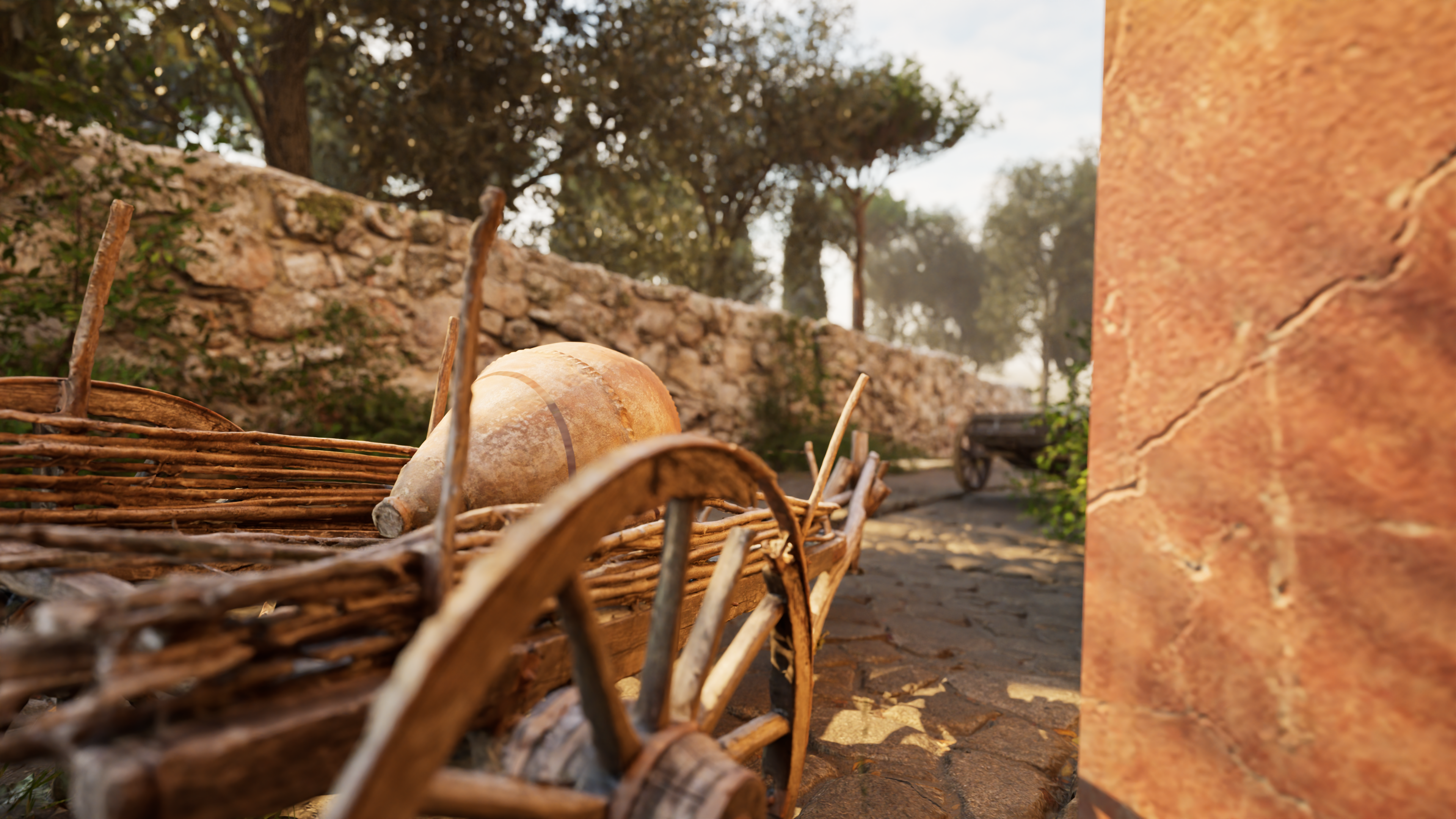
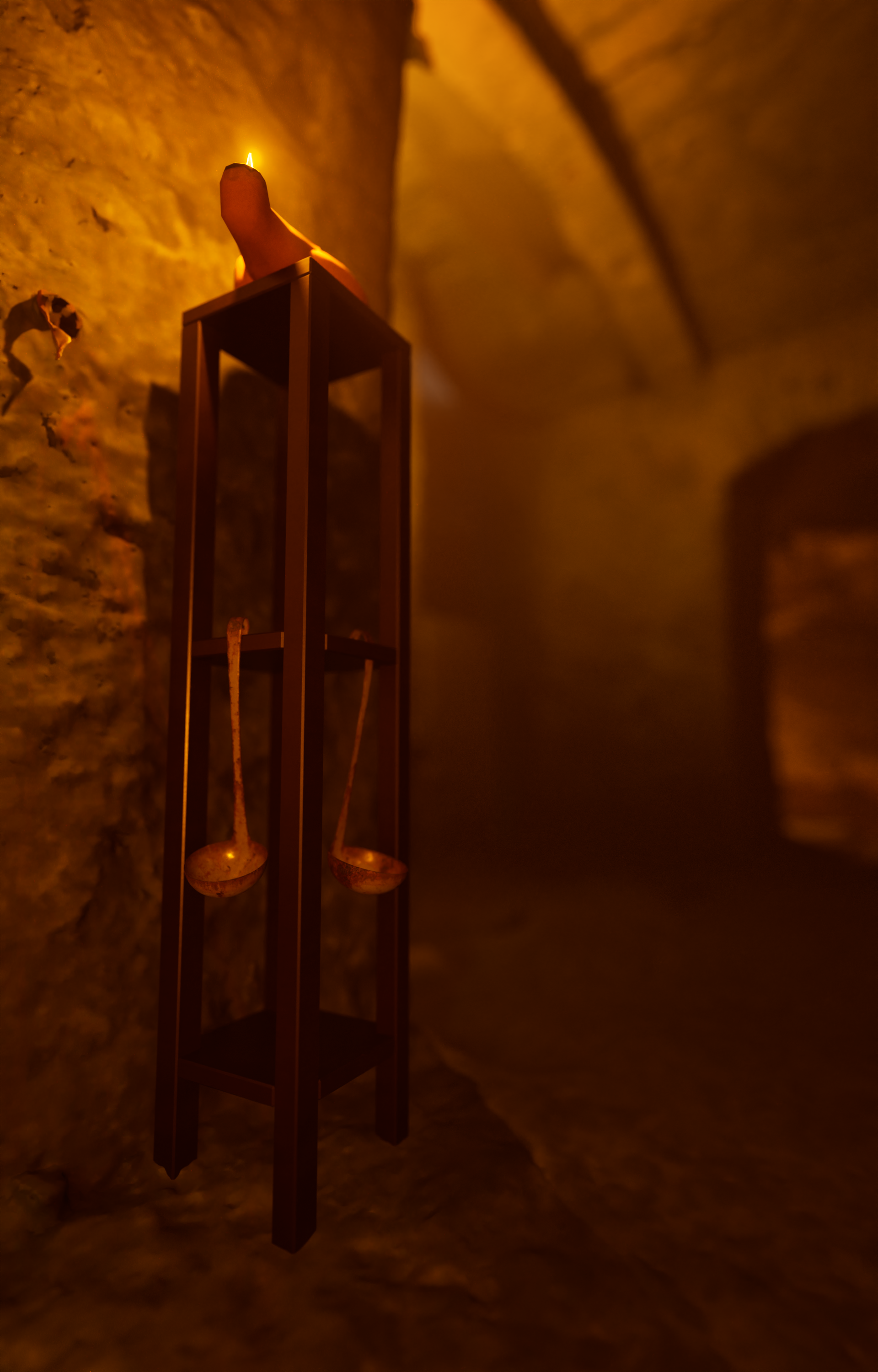
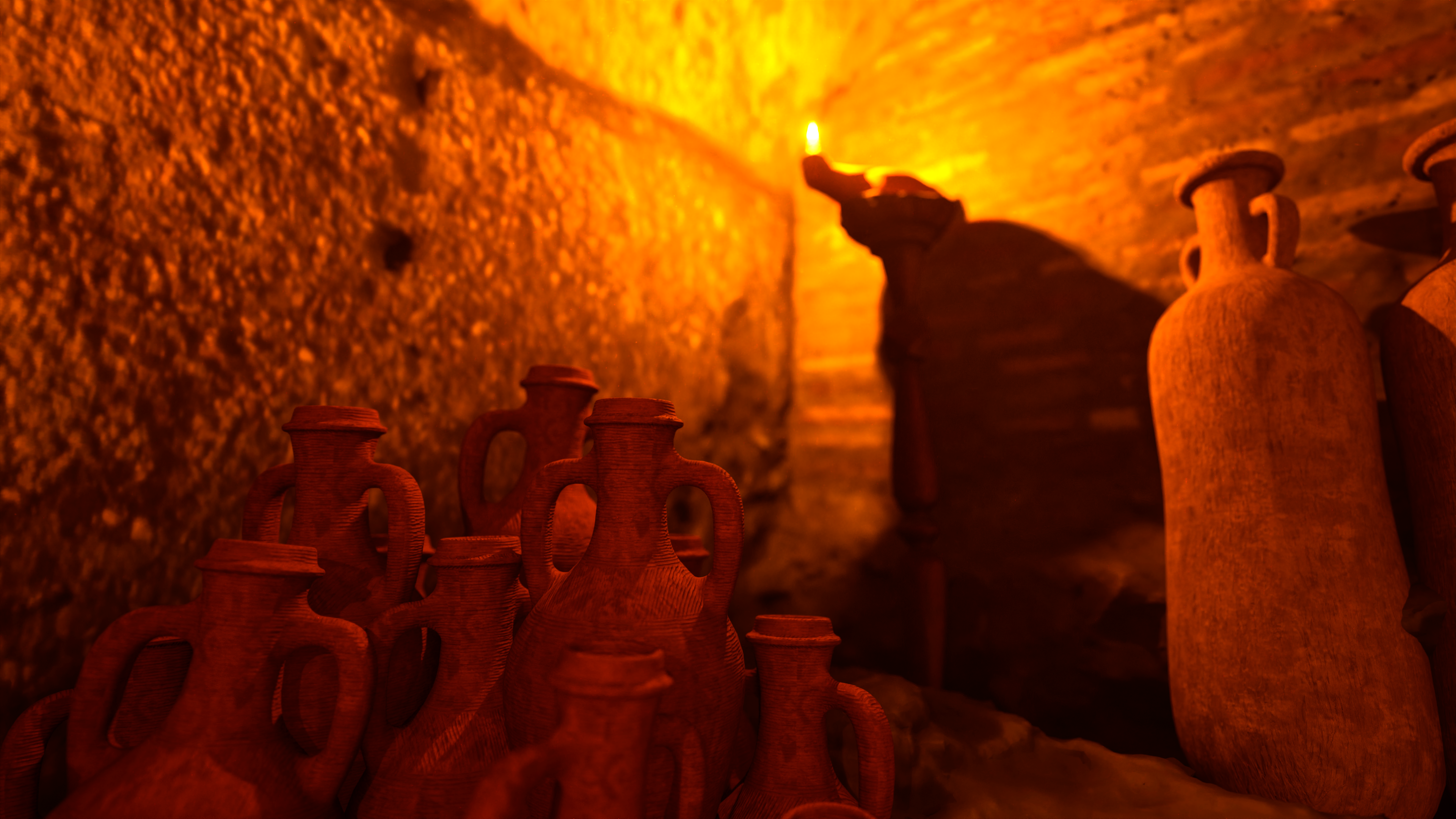
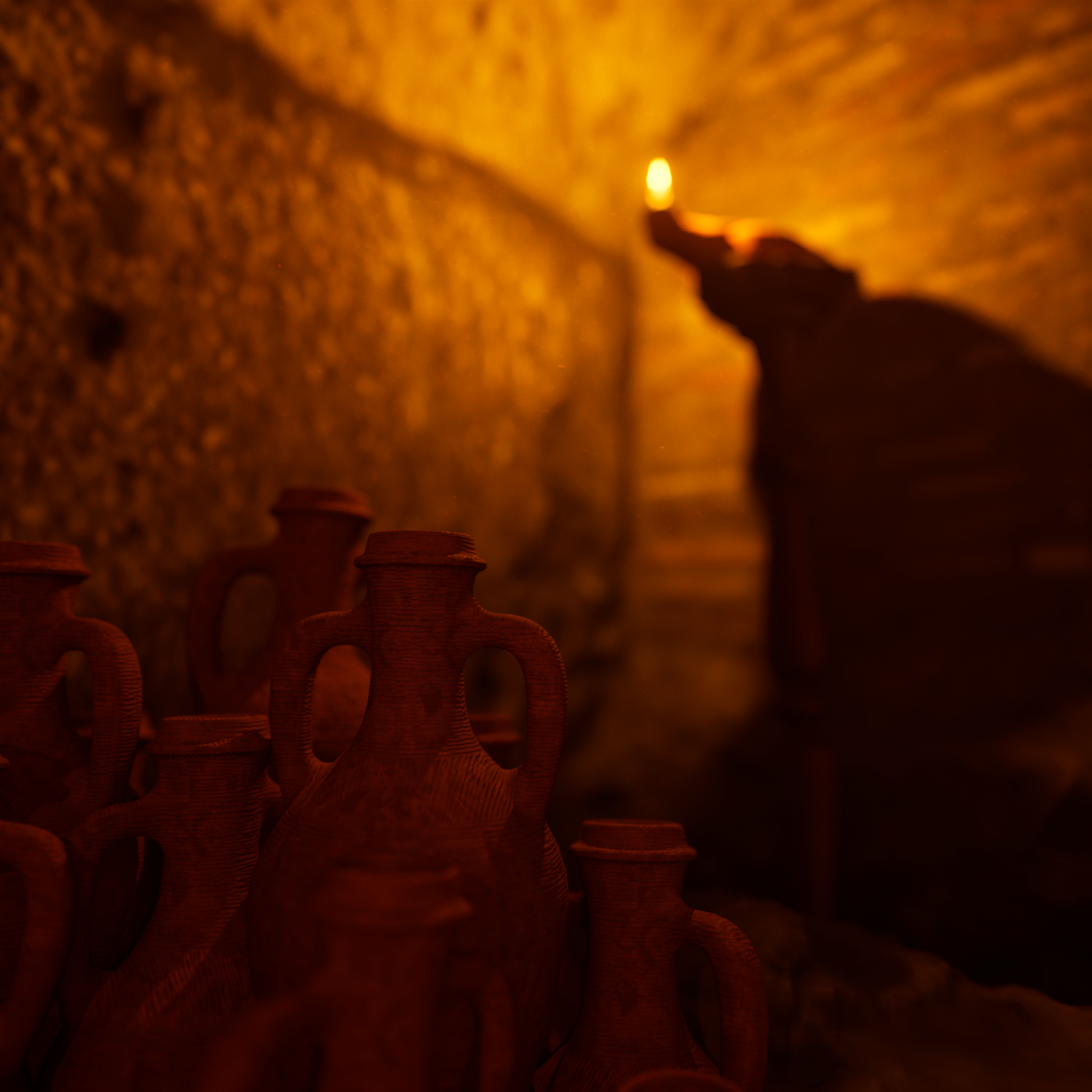
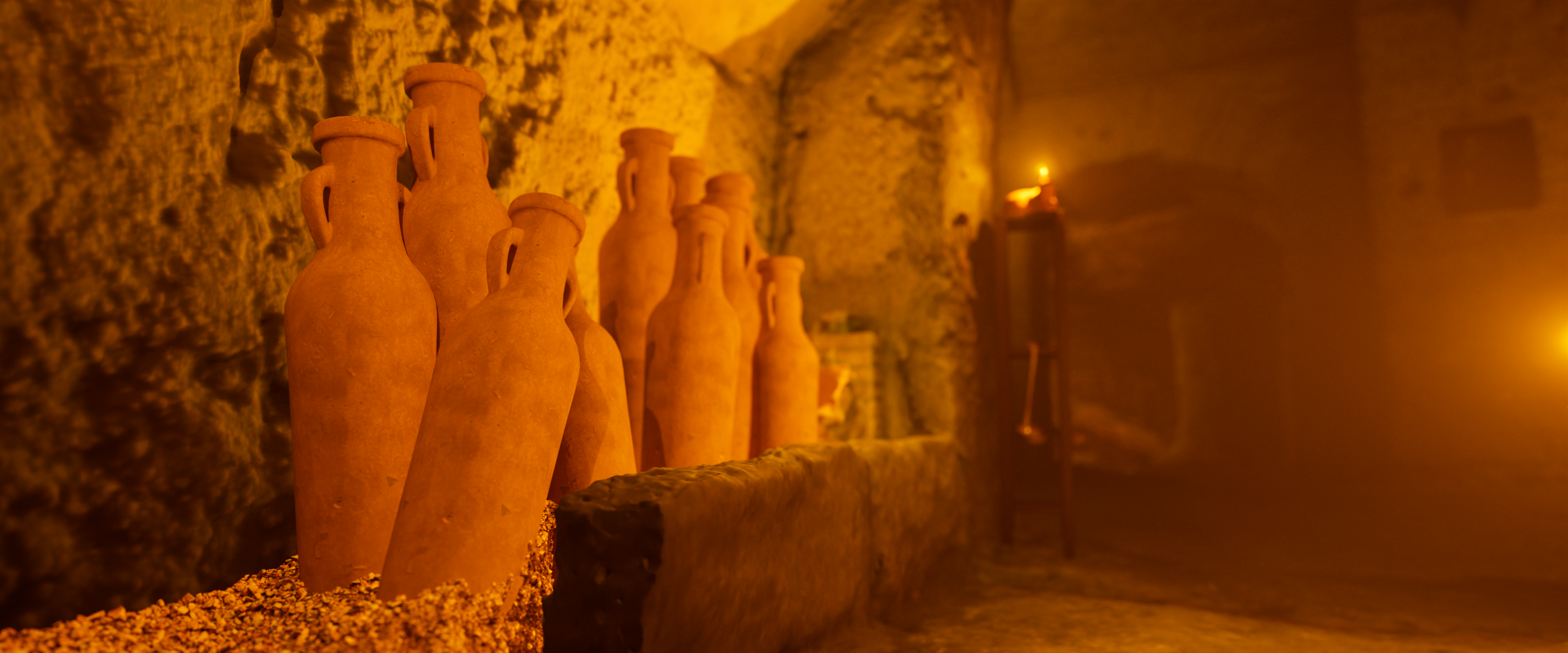
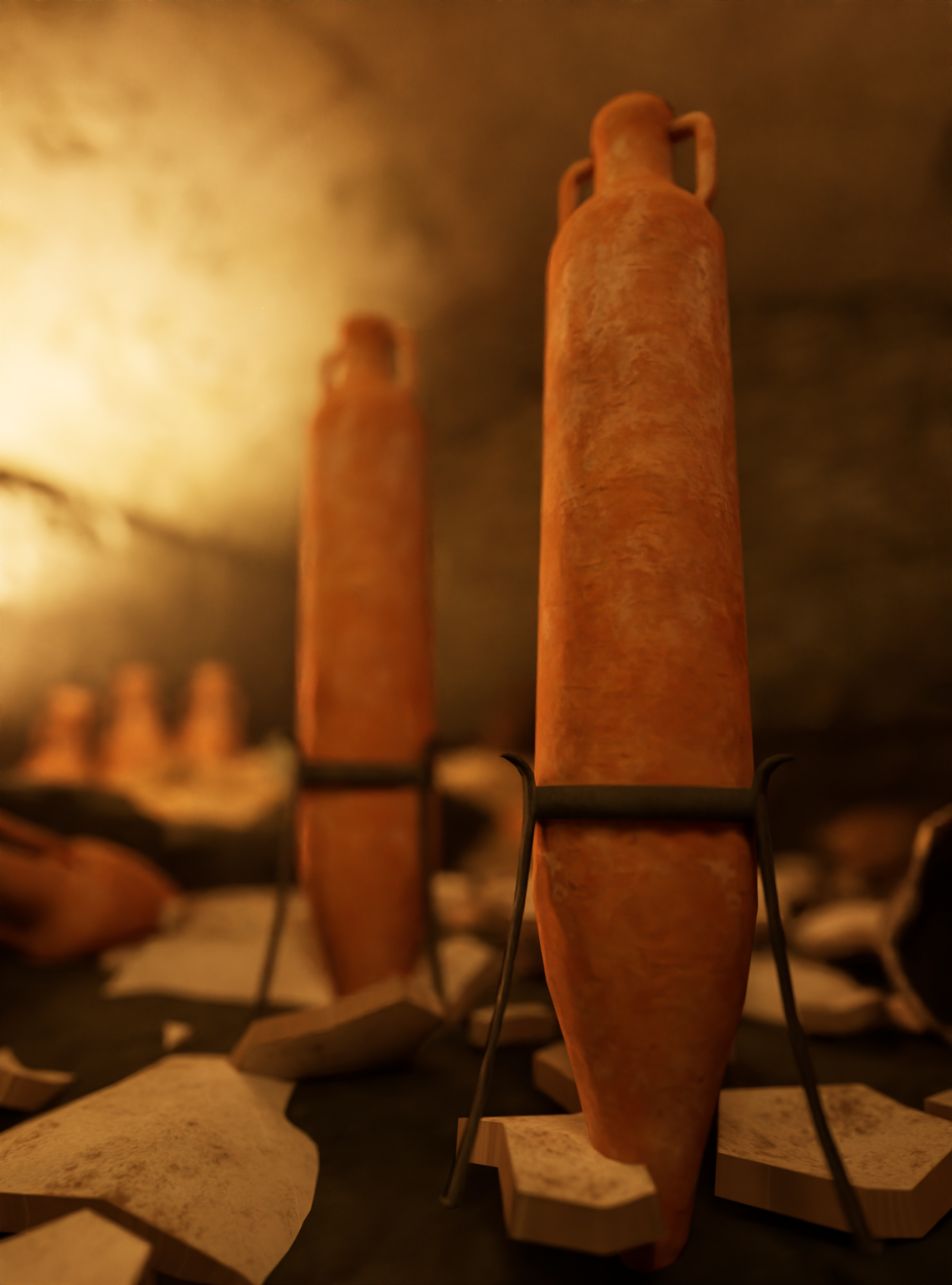
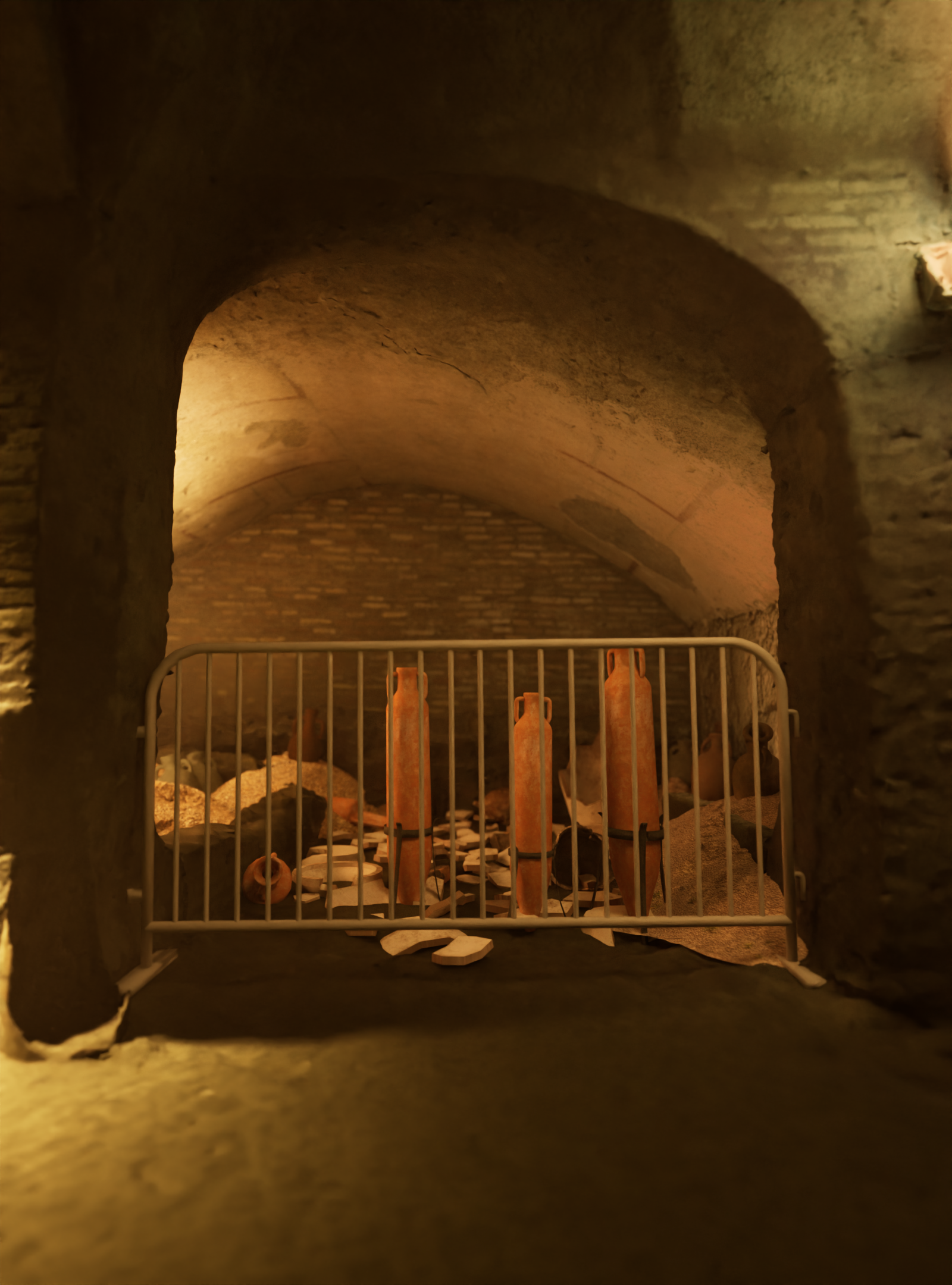
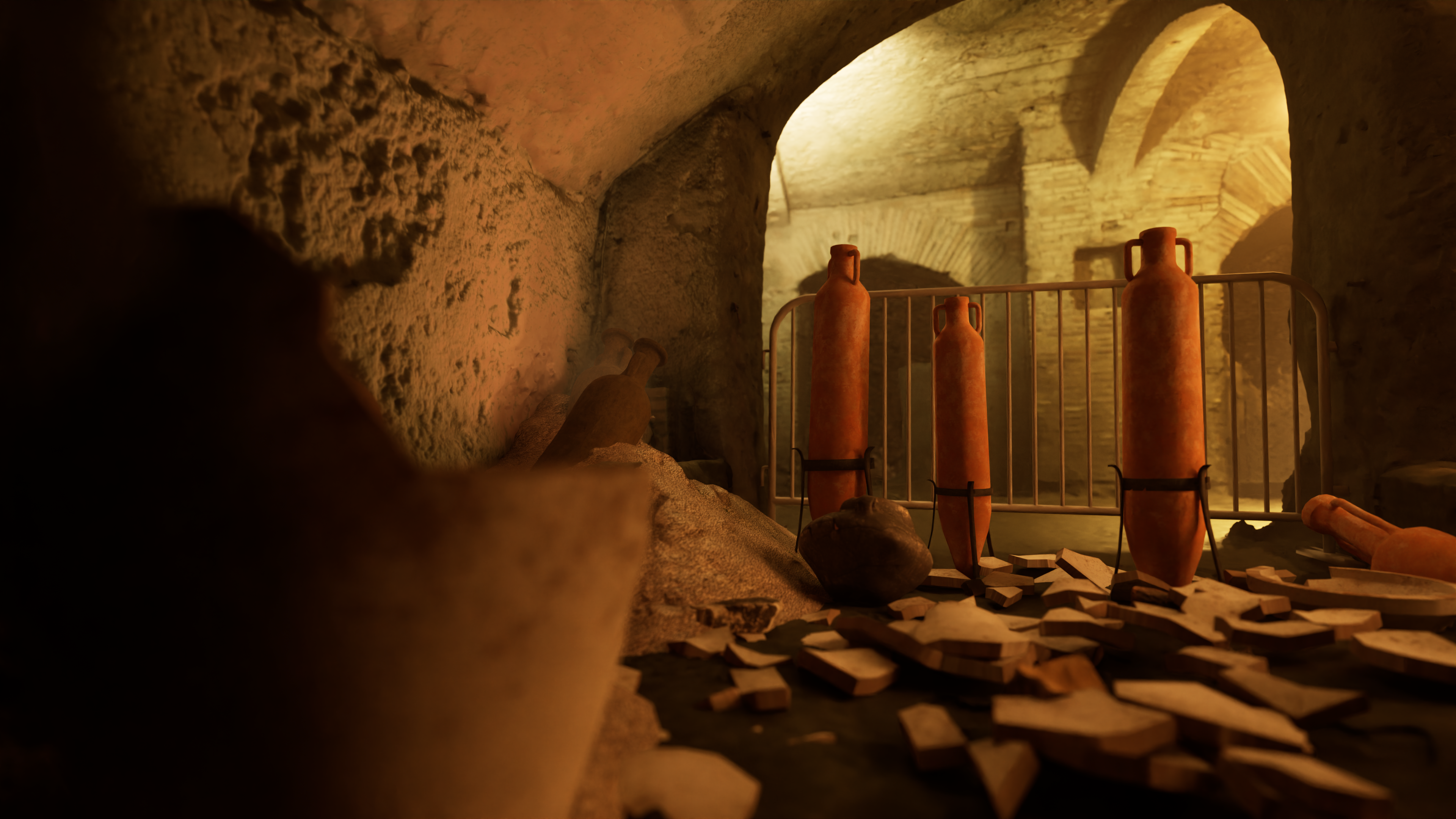
- 3D modeling and Texturing: Recreated missing architectural elements, furniture, and decorative schemes, producing realistic visualizations of fragmentary or empty spaces.
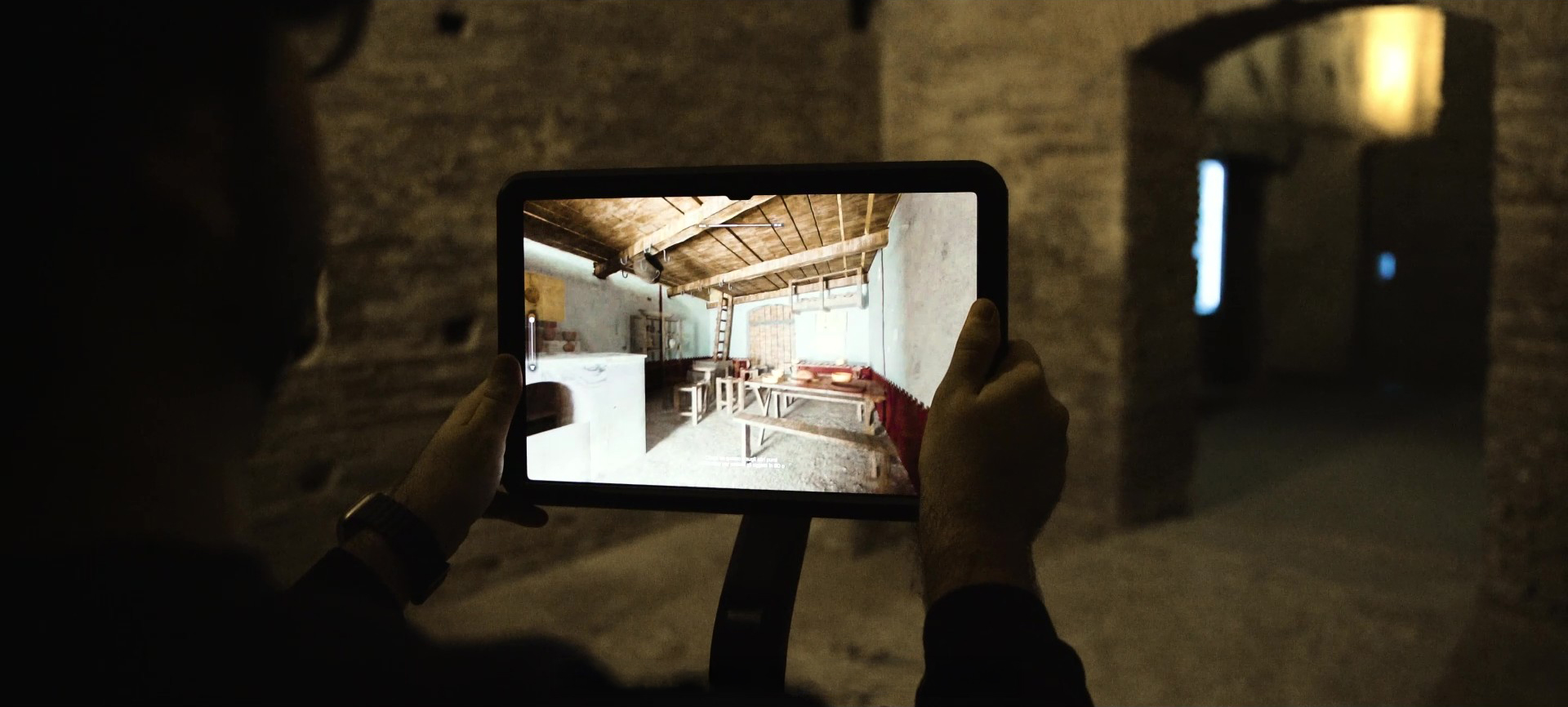
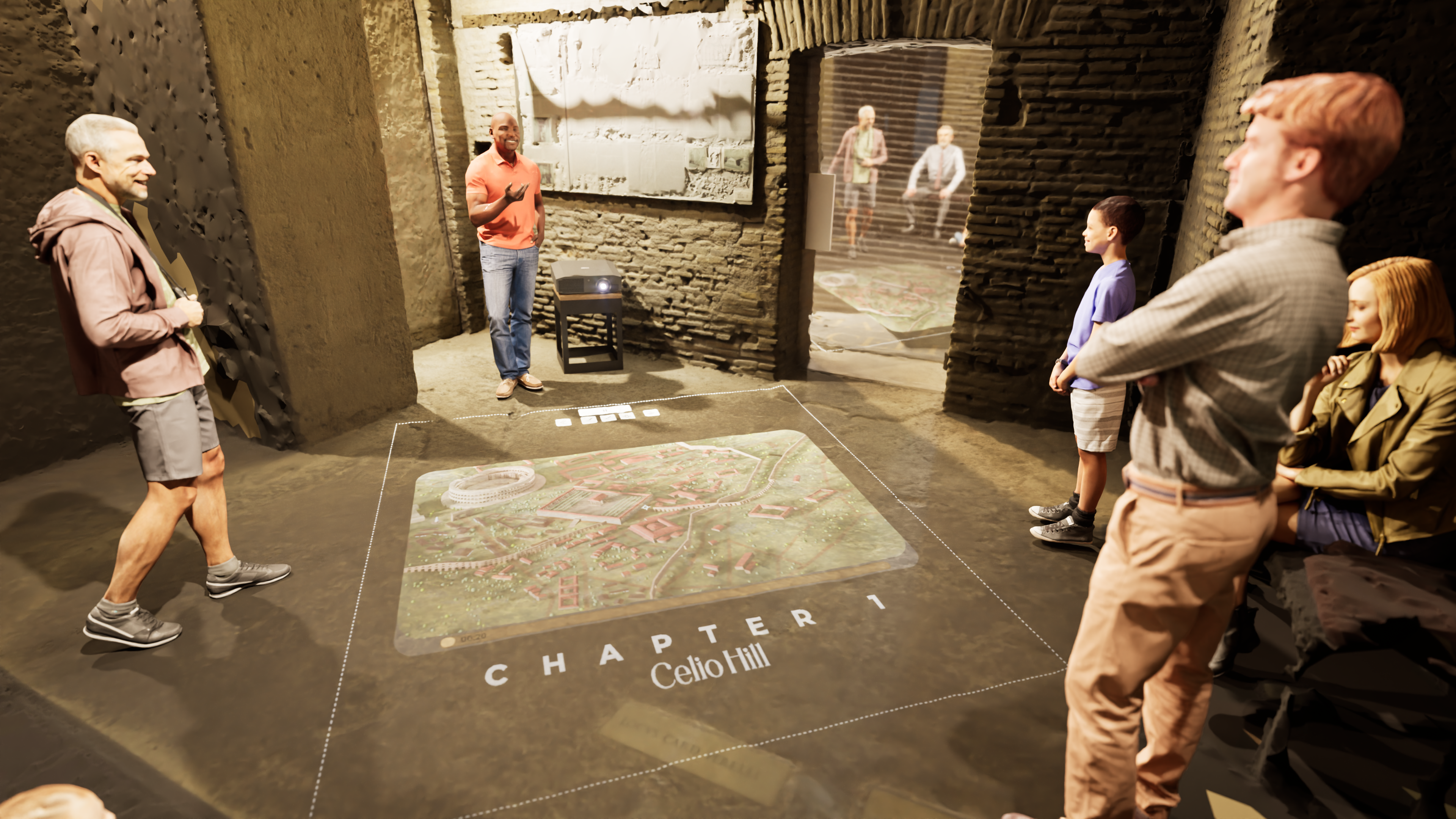
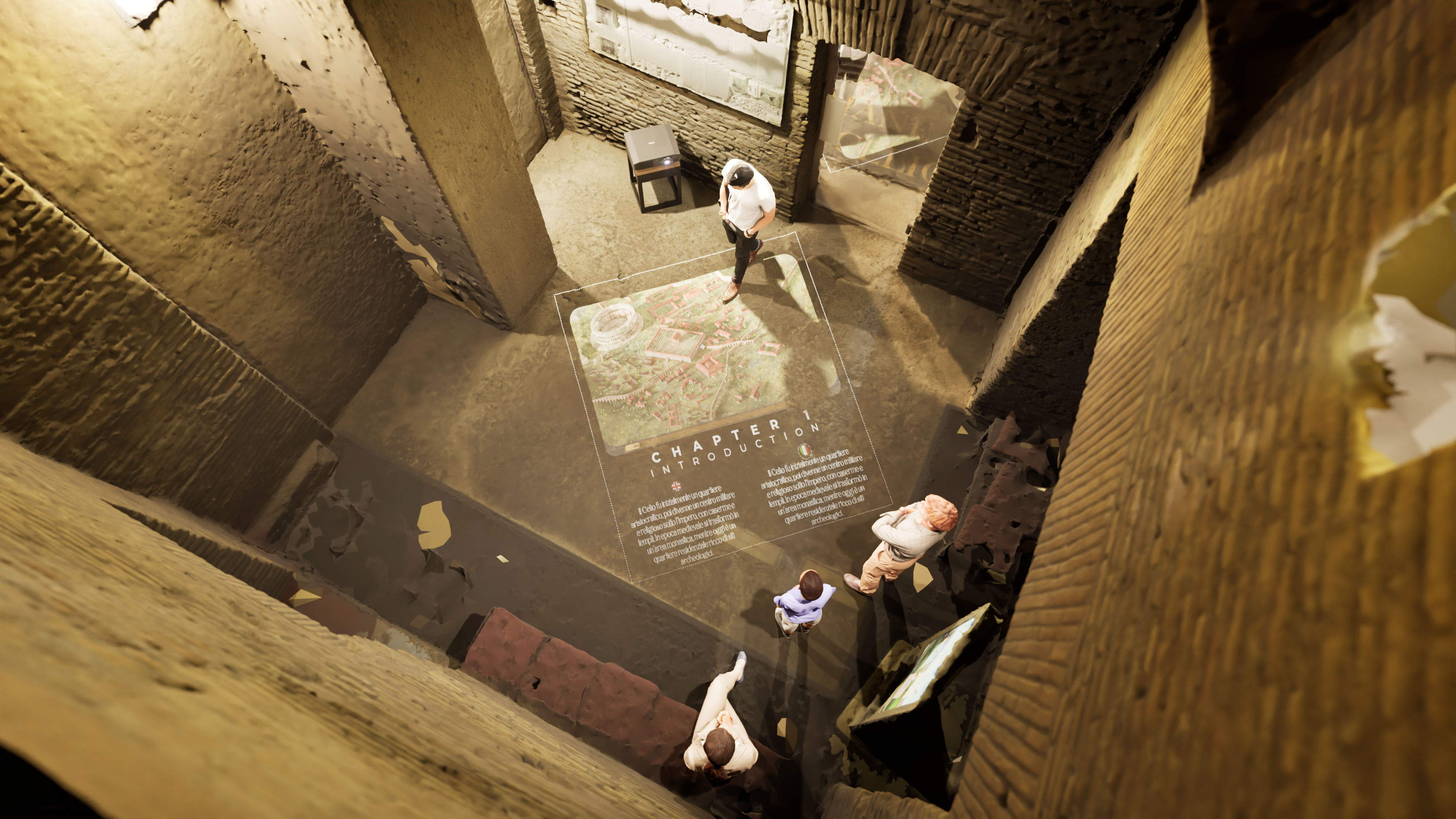
- Unity Engine: Enabled interactive exploration aligned with the physical environment, including viewpoint rotation, information access, and navigation aids like a digital compass.
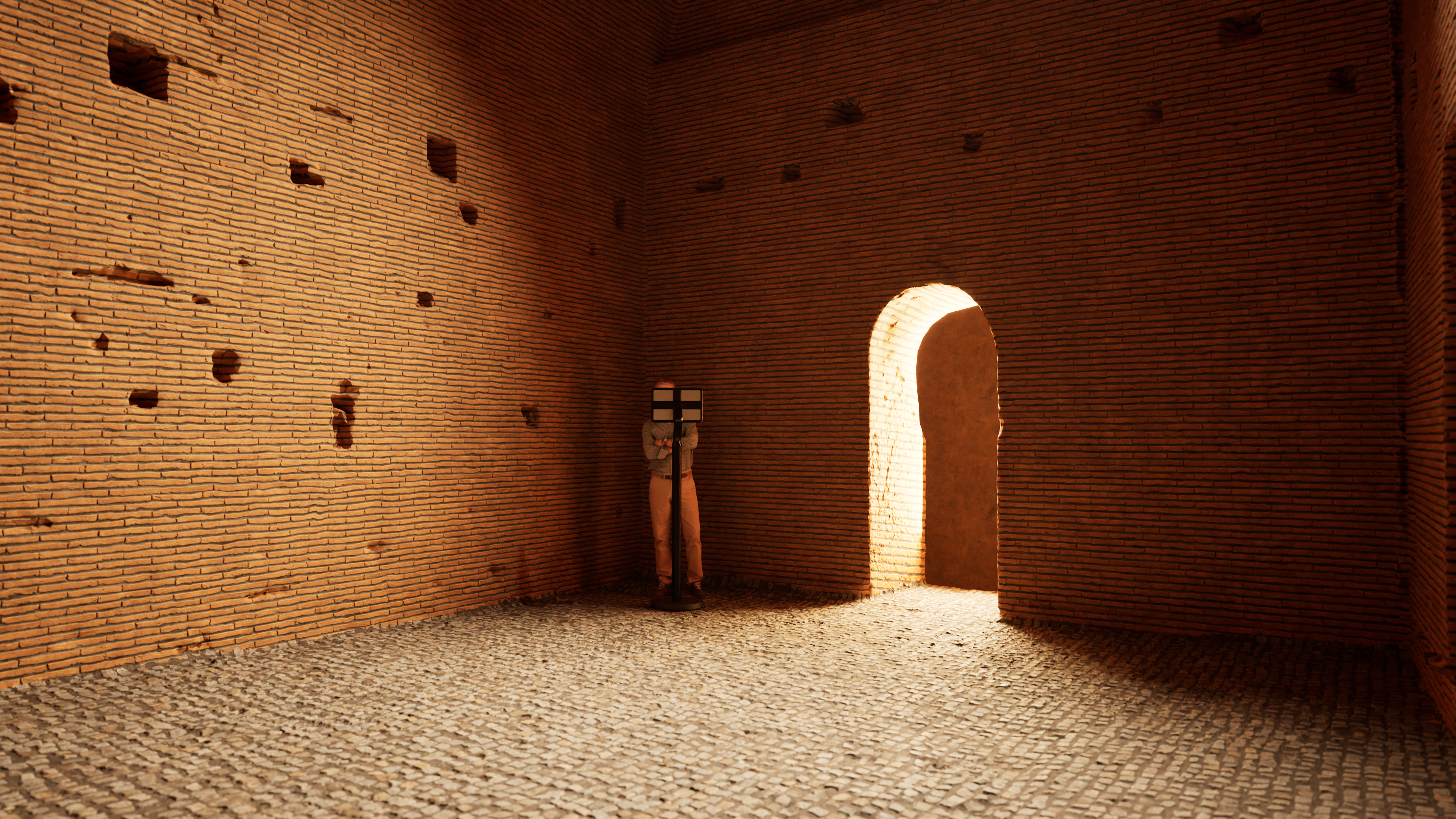
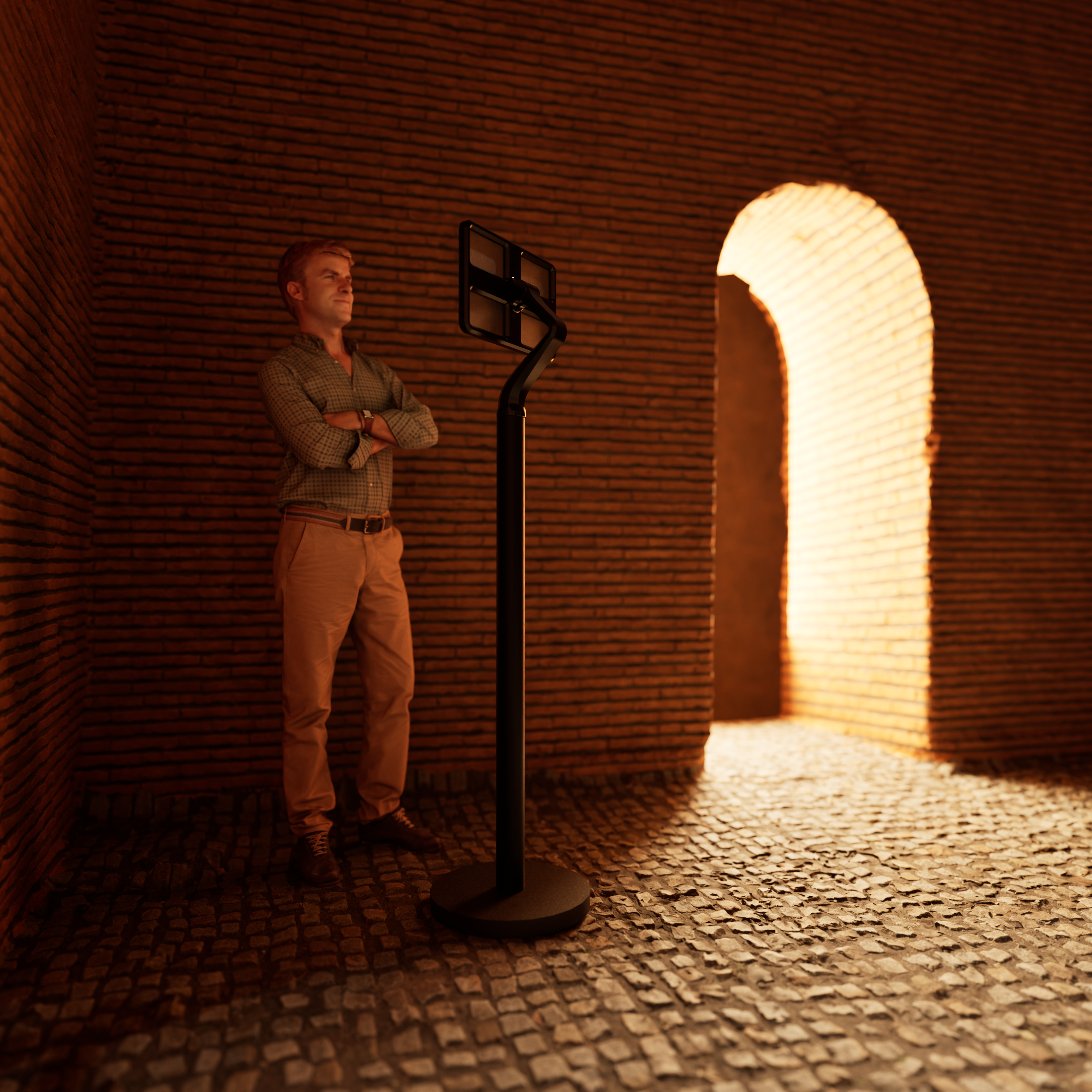
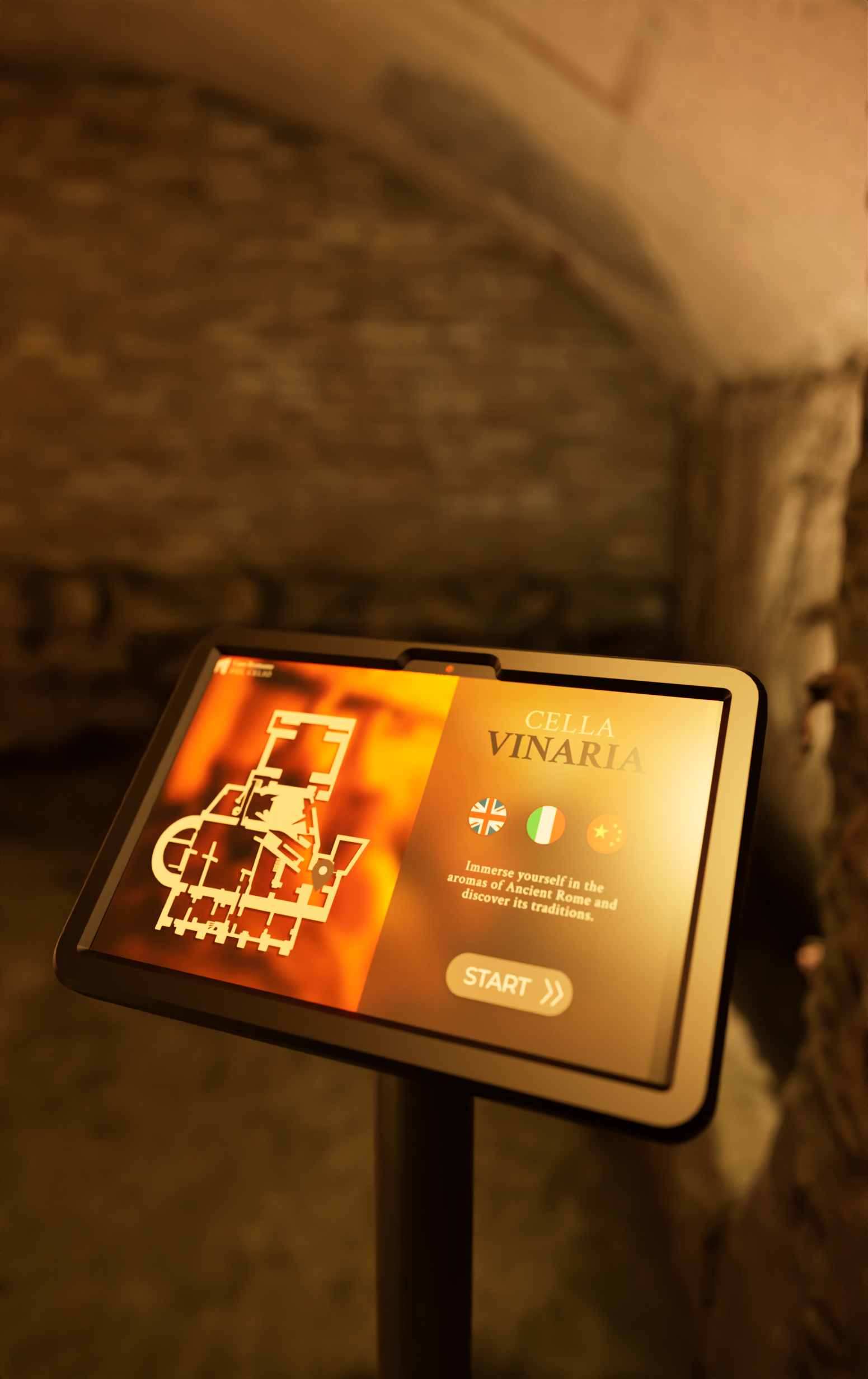
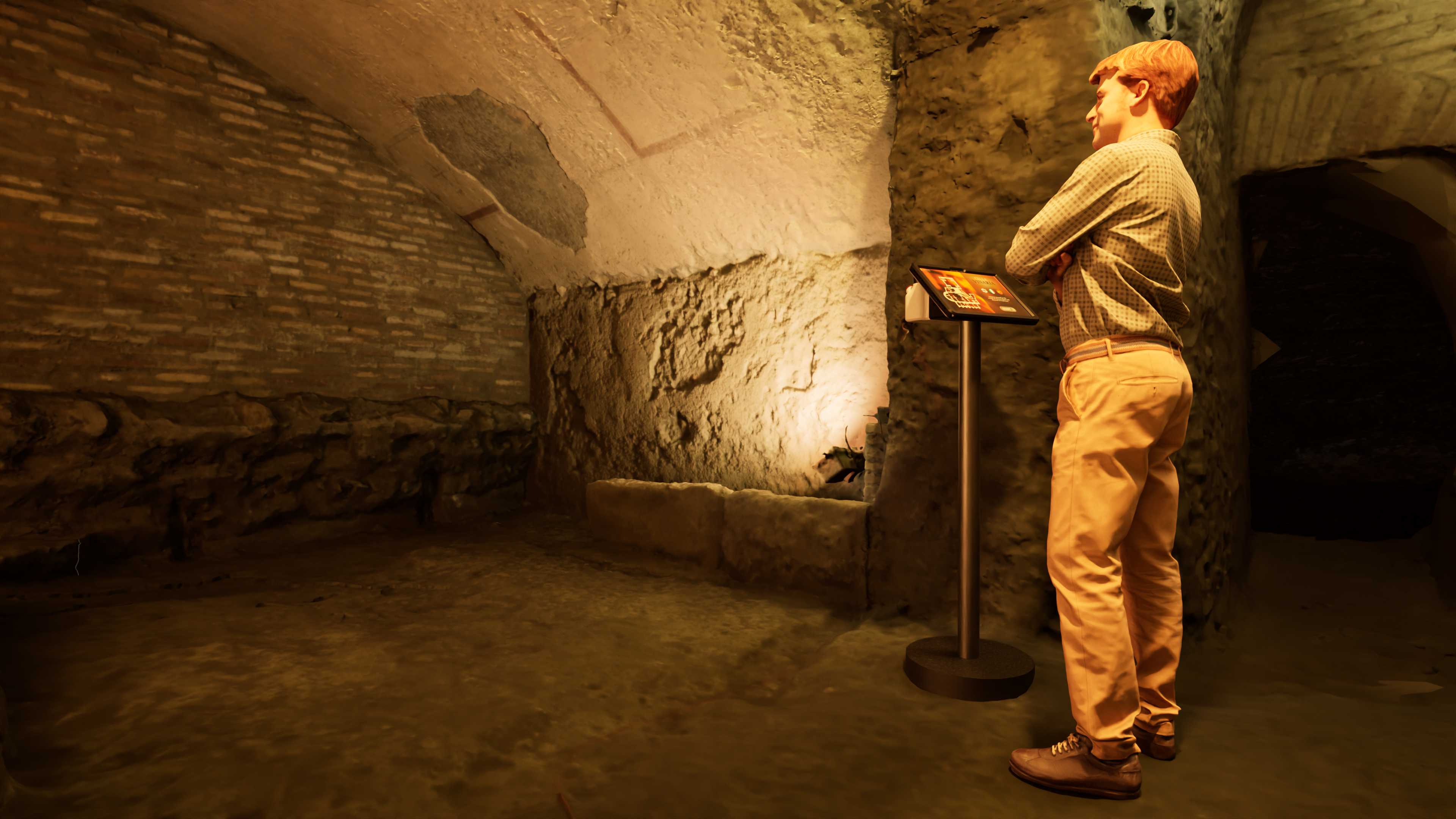
- 3D printing for integration: Custom 3D-printed tablet stands facilitated non-invasive deployment of the tablet-based VR applications, allowing visitors to interact with reconstructions while maintaining alignment with their orientation in the site.
- Figma for UI/UX Design: The XR interfaces were designed in Figma for simplicity, accessibility, and clarity, with iterative stakeholder feedback ensuring a user-friendly experience.
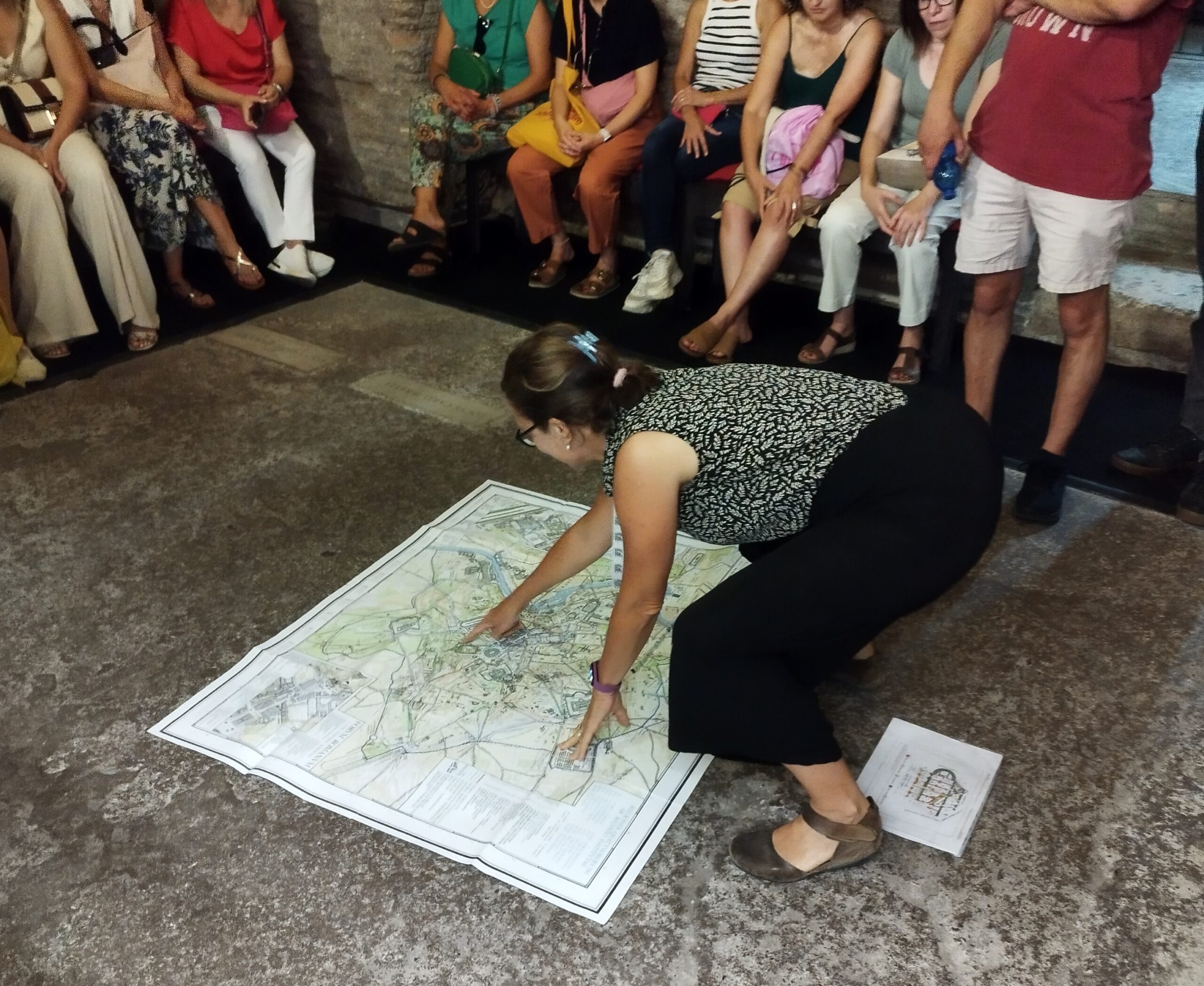
- Data collection: On-site user testing with diverse visitors evaluates the usability, engagement, and sustainability impact of XR applications. Data were collected through observation, questionnaires, interviews, and comparisons of guided versus autonomous visits, focusing on intuitive use, group orientation, accessibility, and the connection between virtual reconstructions and physical artifacts.
Multi-Stakeholder Collaboration via Territorial Working Groups
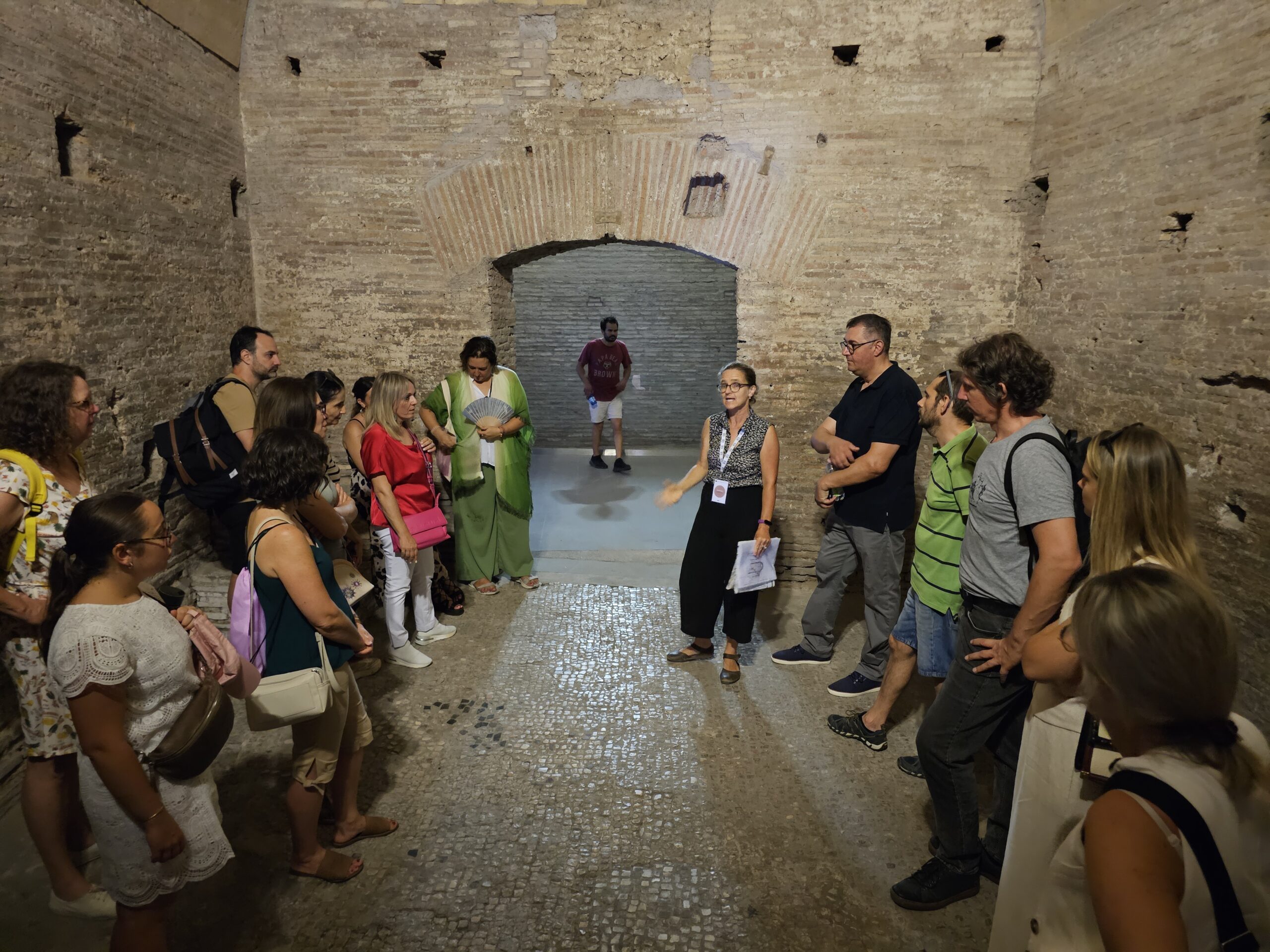
The pilot at the Roman Houses of Celio Hill was developed through active stakeholder engagement from the outset. Coordinated by a Territorial Working Group (TWG) and complemented by broader meetings, stakeholders collaborated in shaping the vision, selecting applications, and refining prototypes, ensuring alignment with operational needs and long-term management strategies. Stakeholders were not passive observers; they were invited into collaborative decision-making processes that shaped the direction of the intervention. This dialogue continued into the final stage of development. Once the applications had been prototyped, stakeholders were invited to review them, confirm the integrity of the content, and evaluate their usability. By involving stakeholders at both the initial and final phases, the project ensured that the outcomes were not only technically robust but also locally accepted and operationally feasible.
Implementation of Adaptive and Integrated Strategies
A key strength of the pilot lies in its non-invasive design, which respects the archaeological context while enabling flexible, cost-effective deployment and maintenance. The XR tools were developed as modular, replicable templates, complete with tutorials and simple instructions, allowing institutions with limited resources to experiment with immersive technologies without major investment. Designed to be energy-efficient, minimally staff-dependent, and adaptable to different heritage sites, these applications provide practical, sustainable, and engaging visitor experiences. A reusable Unity toolkit further supports replication and long-term capacity-building, extending the pilot’s value beyond the Roman Houses and contributing to a wider portfolio of accessible, low-cost XR solutions for sustainable cultural heritage tourism.
The pilot demonstrates how integrated digital and data-driven approaches can support sustainable heritage management by:
- using XR applications to reduce invasive interventions and limit wear on fragile remains
- relying on energy-efficient technologies that minimize ecological impact
- offering accessible and immersive interpretations that foster cultural appreciation and awareness of conservation challenges
- co-designing strategies that link cultural heritage with sustainable tourism and reinforce local development
- promoting sustainable patterns of exploration that extend beyond overburdened landmarks
Expected outcomes
- Enhanced visitor engagement through immersive and interactive experiences.
- Diversified and redistributed visitor flows in the Colosseum area, supporting de-seasonalization and guiding visitors to lesser-known, culturally significant heritage sites.
- Greater site visibility and accessible experiences for all visitors, including those who cannot easily navigate fragile areas.
- Long-term conservation benefits coupled with new economic opportunities for the Celio Hill district.
- Strengthened resilience of the site to climate change impacts.
- Improved staff and guide capacity, enabling effective integration of XR applications into the visitor experience.
Overall HERIT ADAPT advances sustainable tourism goals by deepening cultural understanding, minimizing physical impact on fragile remains, and promoting balanced, climate-conscious mobility throughout the Celio Hill area.
gallery
3d images
Partners involved:
About the Pilot Site
The Roman Houses of the Celio Hill are an underground archaeological complex located near the Colosseum in Rome. Discovered in the late 19th century, the site preserves a group of richly decorated residential spaces dating from the 2nd to 4th centuries CE. The houses are renowned for their extensive wall paintings, mosaics, and architectural remains, which provide rare insight into the domestic and social life of late imperial Rome. Today, the site is managed as a museum space, offering visitors a unique opportunity to explore the everyday environments of ancient Roman elites in one of the city’s most historically significant areas.
Local Challenges
- Visibility & Engagement: The site lacks integration into larger cultural itineraries, remaining under-visited despite its central location and high historical and artistic value. The richness of the site is not effectively conveyed, with limited interactivity and reliance on guided explanations, resulting in a less engaging visitor experience.
- Accessibility: Physical barriers such as steep terrain, uneven paths, and fragile, narrow spaces limit access, particularly for visitors with reduced mobility.
- Conservation risks and environmental vulnerabilities: The fragile underground environment is threatened by water infiltration, microclimatic instability, and biodeterioration, exacerbated by visitor pressure and climate change, creating tension between preservation and access.
- Limited operational capacity: The site’s complex governance framework can slow decision-making and the implementation of sustainable innovations.
Objectives of Experimentation
- Public Engagement & Visibility: Enhance visitor experience through immersive XR tools and reconstructions to make the site’s cultural and historical significance more tangible, enriching understanding of spaces that otherwise appear empty or inaccessible.
- Tourist flows management: Redirect visitors from overcrowded landmarks like the Colosseum to the Roman Houses, promoting balanced itineraries across Celio Hill and reducing pressure on nearby attractions.
- Accessibility & Inclusion: Use XR to allow virtual access to restricted or fragile areas, support multiple languages, and provide subtitles, ensuring all visitors can fully experience the site.
- Conservation & Climate resilience: Use digital tools to reduce contact with fragile artifacts, and energy-efficient devices to minimize environmental impact.
- Socio-economic value: Increase site visibility and revenue, reinvesting in preservation and excavation, and encourage exploration of the wider Celio Hill area to benefit local businesses and communities.
The HERIT ADAPT Sustainable
Tourism Model
Data-Driven Diagnosis and Understanding
The Roman Houses are exceptionally rich in heritage value but face significant constraints, including low visibility, physical barriers, conservation fragility, and operational limitations.
By integrating digital documentation, 3D reconstruction, software development, and user interface design, XR applications were developed to be archaeologically accurate, technically robust, and operationally sustainable. The project placed strong emphasis on accuracy, usability, and non-invasiveness to protect the archaeological context while meeting stakeholder requirements.
Technological & Data Collection workflow includes:
- Photography and Photogrammetry: Systematic photographic campaigns and surveys captured detailed geometry and textures, providing precise 3D references for reconstructing the Wine Cellar and Bottega.
- 3D modeling and Texturing: Recreated missing architectural elements, furniture, and decorative schemes, producing realistic visualizations of fragmentary or empty spaces.
- Unity Engine: Enabled interactive exploration aligned with the physical environment, including viewpoint rotation, information access, and navigation aids like a digital compass.
- 3D printing for integration: Custom 3D-printed tablet stands facilitated non-invasive deployment of the tablet-based VR applications, allowing visitors to interact with reconstructions while maintaining alignment with their orientation in the site.
- Figma for UI/UX Design: The XR interfaces were designed in Figma for simplicity, accessibility, and clarity, with iterative stakeholder feedback ensuring a user-friendly experience.
- Data collection: On-site user testing with diverse visitors evaluates the usability, engagement, and sustainability impact of XR applications. Data were collected through observation, questionnaires, interviews, and comparisons of guided versus autonomous visits, focusing on intuitive use, group orientation, accessibility, and the connection between virtual reconstructions and physical artifacts.
Multi-Stakeholder Collaboration via Territorial Working Groups
The pilot at the Roman Houses of Celio Hill was developed through active stakeholder engagement from the outset. Coordinated by a Territorial Working Group (TWG) and complemented by broader meetings, stakeholders collaborated in shaping the vision, selecting applications, and refining prototypes, ensuring alignment with operational needs and long-term management strategies. Stakeholders were not passive observers; they were invited into collaborative decision-making processes that shaped the direction of the intervention. This dialogue continued into the final stage of development. Once the applications had been prototyped, stakeholders were invited to review them, confirm the integrity of the content, and evaluate their usability. By involving stakeholders at both the initial and final phases, the project ensured that the outcomes were not only technically robust but also locally accepted and operationally feasible.
Implementation of Adaptive and Integrated Strategies
A key strength of the pilot lies in its non-invasive design, which respects the archaeological context while enabling flexible, cost-effective deployment and maintenance. The XR tools were developed as modular, replicable templates, complete with tutorials and simple instructions, allowing institutions with limited resources to experiment with immersive technologies without major investment. Designed to be energy-efficient, minimally staff-dependent, and adaptable to different heritage sites, these applications provide practical, sustainable, and engaging visitor experiences. A reusable Unity toolkit further supports replication and long-term capacity-building, extending the pilot’s value beyond the Roman Houses and contributing to a wider portfolio of accessible, low-cost XR solutions for sustainable cultural heritage tourism.
The pilot demonstrates how integrated digital and data-driven approaches can support sustainable heritage management by:
- using XR applications to reduce invasive interventions and limit wear on fragile remains
- relying on energy-efficient technologies that minimize ecological impact
- offering accessible and immersive interpretations that foster cultural appreciation and awareness of conservation challenges
- co-designing strategies that link cultural heritage with sustainable tourism and reinforce local development
- promoting sustainable patterns of exploration that extend beyond overburdened landmarks
Expected outcomes
- Enhanced visitor engagement through immersive and interactive experiences.
- Diversified and redistributed visitor flows in the Colosseum area, supporting de-seasonalization and guiding visitors to lesser-known, culturally significant heritage sites.
- Greater site visibility and accessible experiences for all visitors, including those who cannot easily navigate fragile areas.
- Long-term conservation benefits coupled with new economic opportunities for the Celio Hill district.
- Strengthened resilience of the site to climate change impacts.
- Improved staff and guide capacity, enabling effective integration of XR applications into the visitor experience.
Overall HERIT ADAPT advances sustainable tourism goals by deepening cultural understanding, minimizing physical impact on fragile remains, and promoting balanced, climate-conscious mobility throughout the Celio Hill area.
gallery
3d images
Partners involved: